

Taiwan Considers Stricter AI Chip Export Controls to China
Written by Emily J. Thompson, Senior Investment Analyst
Updated: 1 hour ago
0mins
Source: stocktwits
- Export Control Policy: Taiwan is reportedly considering stricter export controls on AI chip sales to China to further align with U.S. measures, which could impact trade relations and increase market uncertainty.
- Sales Performance Boost: TSMC reported a 30% year-over-year revenue increase in May, reaching NT$416.98 billion ($13.2 billion), with expectations of a 35% sales growth in Q2, indicating steady demand for advanced chips.
- Market Sentiment Weakness: Despite positive sales figures, TSMC shares fell 1.3% in overnight trading, reflecting investor concerns over potential export restrictions, with retail sentiment on Stocktwits remaining 'bearish' for a second day.
- Capital Expenditure Plans: In April, TSMC raised its full-year sales guidance and projected capital spending to trend toward the upper limit of $56 billion by 2026, demonstrating confidence in future growth amid a surge in AI-related investments.
Trade with 70% Backtested Accuracy
Stop guessing "Should I Buy TSM?" and start using high-conviction signals backed by rigorous historical data.
Sign up today to access powerful investing tools and make smarter, data-driven decisions.
Analyst Views on TSM
Wall Street analysts forecast TSM stock price to fall
8 Analyst Rating
7 Buy
1 Hold
0 Sell
Strong Buy
Current: 426.800

Low
63.24
Averages
313.46
High
390.00
Current: 426.800
Low
63.24
Averages
313.46
High
390.00
About TSM
Taiwan Semiconductor Manufacturing Co Ltd is a Taiwan-based integrated circuit foundry service provider. The Company is primarily engaged in integrated circuit manufacturing services. It offers advanced process technologies, specialised process solutions, advanced photomask and silicon stacking, and packaging-related technologies, while supporting a comprehensive design ecosystem. The Company's products serve diverse electronic sectors including artificial intelligence, high-performance computing, wired and wireless communications, automotive and industrial equipment, personal computing, information applications, consumer electronics, smart internet of things, and wearable devices.
About the author

Emily J. Thompson
Emily J. Thompson, a Chartered Financial Analyst (CFA) with 12 years in investment research, graduated with honors from the Wharton School. Specializing in industrial and technology stocks, she provides in-depth analysis for Intellectia’s earnings and market brief reports.
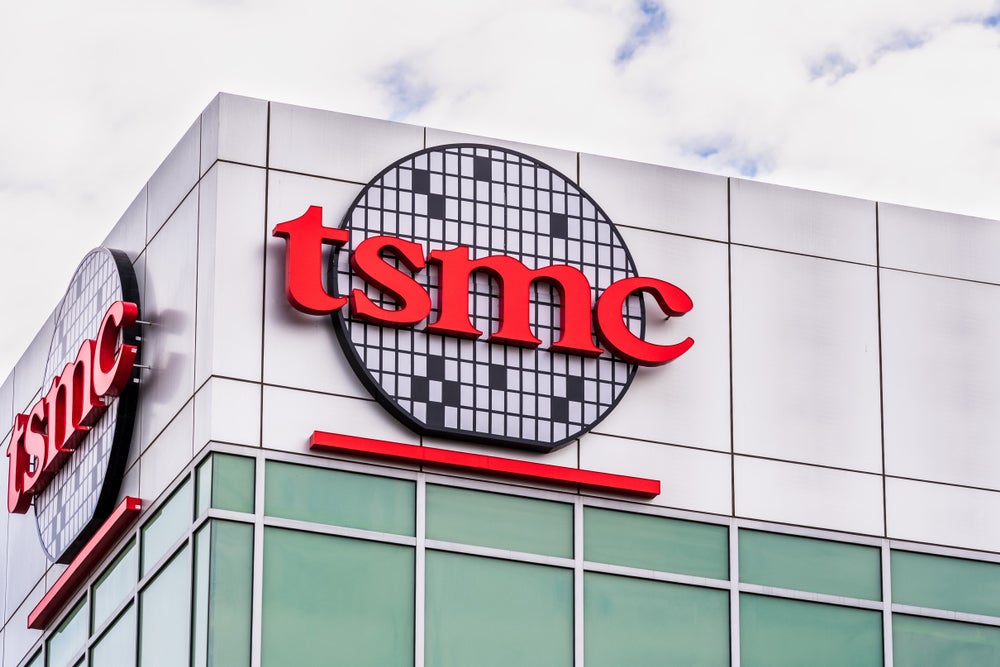
TSMC Reports 30.1% Revenue Growth in May 2026

- Significant Revenue Growth: TSMC reported May 2026 revenue of NT$416.98 billion, reflecting a 1.5% increase from April and a 30.1% year-over-year growth, indicating robust demand for advanced chip manufacturing that solidifies its market position.
- Strong Year-to-Date Performance: For the first five months of 2026, TSMC generated NT$1.96 trillion in revenue, a 30.0% increase compared to the same period last year, showcasing the company's sustained growth potential in high-performance computing and AI-related chips.
- Robust Client Demand: TSMC supplies semiconductors to major tech companies including Apple, Nvidia, and AMD, with strong demand for AI chips and high-performance computing applications serving as key growth drivers, ensuring its competitive edge in the industry.
- Stock Price Volatility: Despite strong revenue growth, TSMC shares fell approximately 2.2% in Taiwan trading on Wednesday, reflecting market caution regarding the company's future performance, which could impact investor confidence.
See More
AI Market Set for Explosive Growth with Major Investments


- Market Growth Forecast: The AI market is projected to grow from $390.9 billion in 2025 to nearly $3.5 trillion by 2033, with a compound annual growth rate (CAGR) of 30.6%, indicating a transformative impact across various industries driven by AI technology adoption.
- Surge in Infrastructure Investment: Spending on AI infrastructure is expected to jump from $35.4 billion in 2023 to $223.4 billion by 2030, with a CAGR of 30.4%, which will stimulate capital expenditures and technological innovations among related companies, enhancing market competitiveness.
- Nvidia's Strategic Partnership: Nvidia is deepening its collaboration with Alphabet, with plans to expand the Google Cloud AI Hypercomputer, combining Nvidia's leading platforms with Google's scalable infrastructure to provide flexible AI solutions, thereby increasing market share and customer satisfaction.
- Marvell's Market Performance: Although Marvell has a smaller market cap, its collaboration with Google on new TPUs and memory processing units demonstrates strong growth potential, with a 250% stock price increase in 2026 and its recent inclusion in the S&P 500 index, likely attracting more investor interest.
See More
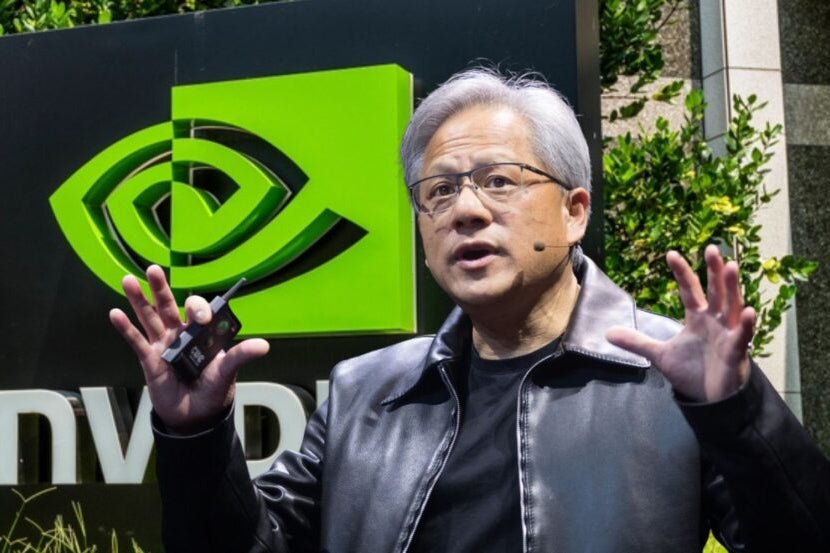
Performance Analysis of iShares International ETFs

- Strong Performance: As of June 7, the iShares Core MSCI Total International Stock ETF (IXUS) achieved a total return of 25.8% over the past year, slightly outperforming the S&P 500 index, indicating its competitive edge in the international market.
- Dividend Yield Comparison: The iShares Core MSCI EAFE ETF (IEFA) offers a 12-month dividend yield of 3.3%, while IXUS provides a yield of 2.9%; both are lower than the S&P 500's P/E ratio of 31.83, suggesting that international stocks may have more room for growth.
- Portfolio Diversity: IXUS holds over 4,300 stocks across various markets, while IEFA focuses on developed markets with about 2,600 stocks, making IXUS more attractive for long-term investors despite potentially higher volatility in the short term.
- Sector Allocation Differences: IXUS allocates 21% of its assets to tech stocks compared to 11.3% for IEFA, which enhances IXUS's potential in emerging fields like AI but also increases exposure to risks associated with downturns in U.S. tech stocks.
See More

Rapid Growth in AI Market Forecasted
- Market Growth Forecast: The AI market is projected to grow from $390.9 billion in 2025 to nearly $3.5 trillion by 2033, reflecting a robust compound annual growth rate (CAGR) of 30.6%, indicating strong investment potential and market demand.
- Infrastructure Spending Surge: Spending on AI infrastructure is expected to jump from $35.4 billion in 2023 to $223.4 billion by 2030, with a CAGR of 30.4%, which will drive rapid advancements in related technologies and services.
- Alphabet's Capital Expenditure Plans: Alphabet plans to invest up to $190 billion in capital expenditures in 2023, raising $80 billion through stock sales and securing a $10 billion investment from Berkshire Hathaway to support its AI and cloud computing expansion.
- Marvell's Collaboration with Alphabet: Marvell is reportedly working with Alphabet to develop two new chips, including a memory processing unit designed to work alongside TPUs, which will further enhance Alphabet's competitive edge in the AI sector.
See More

Taiwan Considers Stricter AI Chip Export Controls to China
- Export Control Policy: Taiwan is reportedly considering stricter export controls on AI chip sales to China to further align with U.S. measures, which could impact trade relations and increase market uncertainty.
- Sales Performance Boost: TSMC reported a 30% year-over-year revenue increase in May, reaching NT$416.98 billion ($13.2 billion), with expectations of a 35% sales growth in Q2, indicating steady demand for advanced chips.
- Market Sentiment Weakness: Despite positive sales figures, TSMC shares fell 1.3% in overnight trading, reflecting investor concerns over potential export restrictions, with retail sentiment on Stocktwits remaining 'bearish' for a second day.
- Capital Expenditure Plans: In April, TSMC raised its full-year sales guidance and projected capital spending to trend toward the upper limit of $56 billion by 2026, demonstrating confidence in future growth amid a surge in AI-related investments.
See More

Analysis of Growth Potential in International ETFs
- Diversification Advantage: The iShares Core MSCI Total International Stock ETF (IXUS) holds over 4,000 stocks and has achieved a total return of 25.8% over the past year, slightly outperforming the S&P 500, indicating its strong performance in global markets and suitability for investors seeking diversification.
- Cost and Yield Comparison: Both ETFs have an expense ratio of 0.07%, with IXUS offering a dividend yield of 2.9% compared to 3.3% for the iShares Core MSCI EAFE ETF (IEFA), suggesting that IEFA may be more appealing for investors focused on stable cash flow.
- Sector Allocation Differences: IXUS allocates 21.8% of its assets to the information technology sector, reflecting a preference for tech stocks, while IEFA has higher allocations in financials and industrials at 22.6% and 19.7%, respectively, which may provide more defensiveness during market volatility.
- Market Risks and Opportunities: Although IXUS has slightly outperformed over the past decade, its exposure to emerging markets may lead to higher short-term volatility, prompting investors to weigh risks against potential returns to determine the ETF that best aligns with their investment goals.
See More
TSMC Reports 30.1% Revenue Growth in May 2026
- Significant Revenue Growth: TSMC reported May 2026 revenue of NT$416.98 billion, reflecting a 1.5% increase from April and a 30.1% year-over-year growth, indicating robust demand for advanced chip manufacturing that solidifies its market position.
- Strong Year-to-Date Performance: For the first five months of 2026, TSMC generated NT$1.96 trillion in revenue, a 30.0% increase compared to the same period last year, showcasing the company's sustained growth potential in high-performance computing and AI-related chips.
- Robust Client Demand: TSMC supplies semiconductors to major tech companies including Apple, Nvidia, and AMD, with strong demand for AI chips and high-performance computing applications serving as key growth drivers, ensuring its competitive edge in the industry.
- Stock Price Volatility: Despite strong revenue growth, TSMC shares fell approximately 2.2% in Taiwan trading on Wednesday, reflecting market caution regarding the company's future performance, which could impact investor confidence.
See More
AI Market Set for Explosive Growth with Major Investments
- Market Growth Forecast: The AI market is projected to grow from $390.9 billion in 2025 to nearly $3.5 trillion by 2033, with a compound annual growth rate (CAGR) of 30.6%, indicating a transformative impact across various industries driven by AI technology adoption.
- Surge in Infrastructure Investment: Spending on AI infrastructure is expected to jump from $35.4 billion in 2023 to $223.4 billion by 2030, with a CAGR of 30.4%, which will stimulate capital expenditures and technological innovations among related companies, enhancing market competitiveness.
- Nvidia's Strategic Partnership: Nvidia is deepening its collaboration with Alphabet, with plans to expand the Google Cloud AI Hypercomputer, combining Nvidia's leading platforms with Google's scalable infrastructure to provide flexible AI solutions, thereby increasing market share and customer satisfaction.
- Marvell's Market Performance: Although Marvell has a smaller market cap, its collaboration with Google on new TPUs and memory processing units demonstrates strong growth potential, with a 250% stock price increase in 2026 and its recent inclusion in the S&P 500 index, likely attracting more investor interest.
See More
Performance Analysis of iShares International ETFs
- Strong Performance: As of June 7, the iShares Core MSCI Total International Stock ETF (IXUS) achieved a total return of 25.8% over the past year, slightly outperforming the S&P 500 index, indicating its competitive edge in the international market.
- Dividend Yield Comparison: The iShares Core MSCI EAFE ETF (IEFA) offers a 12-month dividend yield of 3.3%, while IXUS provides a yield of 2.9%; both are lower than the S&P 500's P/E ratio of 31.83, suggesting that international stocks may have more room for growth.
- Portfolio Diversity: IXUS holds over 4,300 stocks across various markets, while IEFA focuses on developed markets with about 2,600 stocks, making IXUS more attractive for long-term investors despite potentially higher volatility in the short term.
- Sector Allocation Differences: IXUS allocates 21% of its assets to tech stocks compared to 11.3% for IEFA, which enhances IXUS's potential in emerging fields like AI but also increases exposure to risks associated with downturns in U.S. tech stocks.
See More
Rapid Growth in AI Market Forecasted
- Market Growth Forecast: The AI market is projected to grow from $390.9 billion in 2025 to nearly $3.5 trillion by 2033, reflecting a robust compound annual growth rate (CAGR) of 30.6%, indicating strong investment potential and market demand.
- Infrastructure Spending Surge: Spending on AI infrastructure is expected to jump from $35.4 billion in 2023 to $223.4 billion by 2030, with a CAGR of 30.4%, which will drive rapid advancements in related technologies and services.
- Alphabet's Capital Expenditure Plans: Alphabet plans to invest up to $190 billion in capital expenditures in 2023, raising $80 billion through stock sales and securing a $10 billion investment from Berkshire Hathaway to support its AI and cloud computing expansion.
- Marvell's Collaboration with Alphabet: Marvell is reportedly working with Alphabet to develop two new chips, including a memory processing unit designed to work alongside TPUs, which will further enhance Alphabet's competitive edge in the AI sector.
See More
Taiwan Considers Stricter AI Chip Export Controls to China
- Export Control Policy: Taiwan is reportedly considering stricter export controls on AI chip sales to China to further align with U.S. measures, which could impact trade relations and increase market uncertainty.
- Sales Performance Boost: TSMC reported a 30% year-over-year revenue increase in May, reaching NT$416.98 billion ($13.2 billion), with expectations of a 35% sales growth in Q2, indicating steady demand for advanced chips.
- Market Sentiment Weakness: Despite positive sales figures, TSMC shares fell 1.3% in overnight trading, reflecting investor concerns over potential export restrictions, with retail sentiment on Stocktwits remaining 'bearish' for a second day.
- Capital Expenditure Plans: In April, TSMC raised its full-year sales guidance and projected capital spending to trend toward the upper limit of $56 billion by 2026, demonstrating confidence in future growth amid a surge in AI-related investments.
See More
Analysis of Growth Potential in International ETFs
- Diversification Advantage: The iShares Core MSCI Total International Stock ETF (IXUS) holds over 4,000 stocks and has achieved a total return of 25.8% over the past year, slightly outperforming the S&P 500, indicating its strong performance in global markets and suitability for investors seeking diversification.
- Cost and Yield Comparison: Both ETFs have an expense ratio of 0.07%, with IXUS offering a dividend yield of 2.9% compared to 3.3% for the iShares Core MSCI EAFE ETF (IEFA), suggesting that IEFA may be more appealing for investors focused on stable cash flow.
- Sector Allocation Differences: IXUS allocates 21.8% of its assets to the information technology sector, reflecting a preference for tech stocks, while IEFA has higher allocations in financials and industrials at 22.6% and 19.7%, respectively, which may provide more defensiveness during market volatility.
- Market Risks and Opportunities: Although IXUS has slightly outperformed over the past decade, its exposure to emerging markets may lead to higher short-term volatility, prompting investors to weigh risks against potential returns to determine the ETF that best aligns with their investment goals.
See More




