JSAIY vs. WMT: Which Stock is the Better Buy for Value Investors Right Now?
Written by Emily J. Thompson, Senior Investment Analyst
Updated: Sep 24 2025
0mins
Should l Buy WMT?
Source: NASDAQ.COM
Comparison of J. Sainsbury PLC and Walmart: J. Sainsbury PLC (JSAIY) has a stronger Zacks Rank (#1) compared to Walmart (WMT) (#3), indicating a better earnings outlook for JSAIY, making it a more attractive option for value investors.
Valuation Metrics: JSAIY shows favorable valuation metrics with a forward P/E ratio of 13.80 and a P/B ratio of 1.24, while WMT has a higher forward P/E of 39.39 and a P/B of 8.47, contributing to JSAIY's superior Value grade of A versus WMT's C.
Trade with 70% Backtested Accuracy
Stop guessing "Should I Buy WMT?" and start using high-conviction signals backed by rigorous historical data.
Sign up today to access powerful investing tools and make smarter, data-driven decisions.
Analyst Views on WMT
Wall Street analysts forecast WMT stock price to fall
26 Analyst Rating
25 Buy
1 Hold
0 Sell
Strong Buy
Current: 127.920

Low
119.00
Averages
125.75
High
136.00
Current: 127.920
Low
119.00
Averages
125.75
High
136.00
About WMT
Walmart Inc. is a technology-powered omnichannel retailer. The Company is engaged in the operation of retail and wholesale stores and clubs, as well as eCommerce Websites and mobile applications, located throughout the United States (U.S.), Africa, Canada, Central America, Chile, China, India and Mexico. It operates in three reportable segments: Walmart U.S., Walmart International and Sam's Club U.S. The Walmart U.S. segment includes the Company's mass merchandising concept in the U.S., as well as eCommerce, which includes omni-channel initiatives and certain other business offerings such as advertising services. The Walmart International segment consists of the Company's operations outside of the U.S. through its subsidiaries, as well as eCommerce and omni-channel initiatives. The Sam's Club U.S. segment includes the warehouse membership clubs in the U.S., as well as samsclub.com and omni-channel initiatives.
About the author

Emily J. Thompson
Emily J. Thompson, a Chartered Financial Analyst (CFA) with 12 years in investment research, graduated with honors from the Wharton School. Specializing in industrial and technology stocks, she provides in-depth analysis for Intellectia’s earnings and market brief reports.
Trump Warns Companies Not Seeking Tariff Refunds


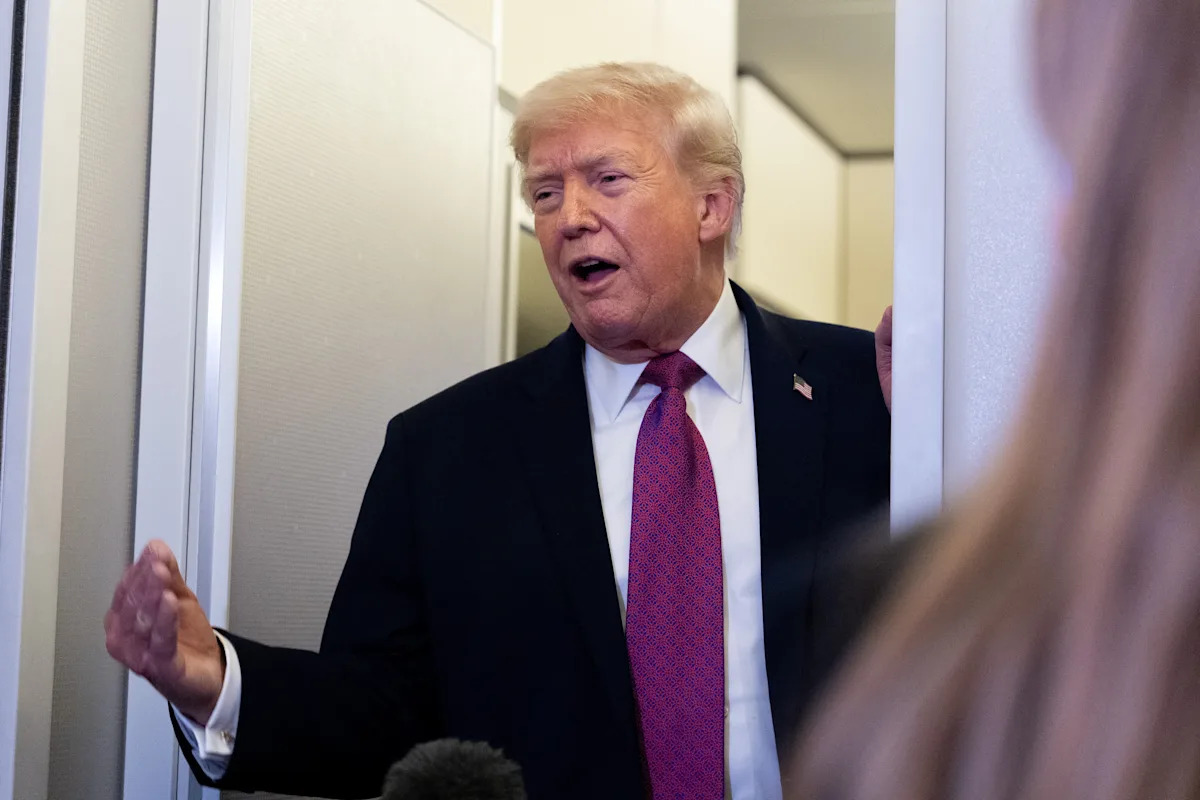
- Tariff Refund Policy: Trump stated he will 'remember' companies that do not seek refunds, implying these firms might receive government support in the future, thereby influencing corporate refund decisions and their relationship with the government.
- Refund System Launch: The U.S. Customs and Border Protection (CBP) launched the CAPE refund processing system on Monday, expected to handle up to $166 billion in refund applications, although payments are not anticipated until 60 to 90 days post-application acceptance.
- Legal Action Dynamics: Major companies like Costco and FedEx have sued the U.S. government to secure timely tariff refunds, while Walmart and Amazon have refrained from litigation, possibly to avoid negative attention from Trump.
- Future Tariff Plans: Trump mentioned that the alternative tariffs being developed could yield higher revenue but will be more complex to implement, with these new tariffs not expected to take effect until July, potentially impacting corporate financial planning.
See More
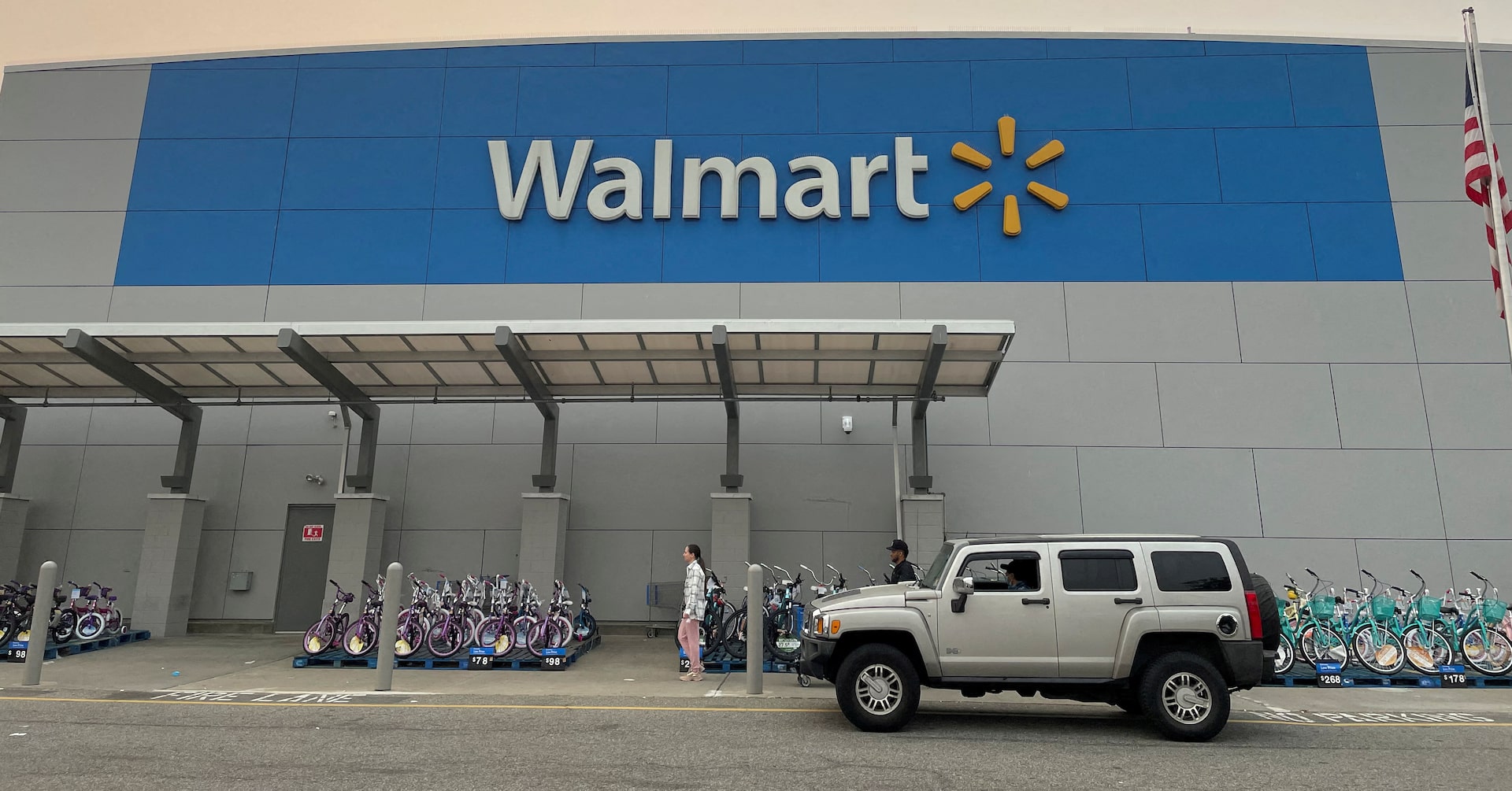
Major Refunds for U.S. Importers Following Supreme Court Ruling

- Massive Refunds: The Supreme Court's ruling mandates the federal government to refund approximately $166 billion in tariffs, which will significantly enhance the financial positions of blue-chip retailers heavily reliant on imports, potentially boosting their stock prices.
- Walmart's Major Benefit: Walmart is set to receive about $10.2 billion in refunds, a substantial amount that, while modest compared to its $713 billion revenue, will have a significant impact on its adjusted operating income of approximately $8.7 billion.
- Refunds for Other Retailers: Target is expected to receive $2.2 billion, Nike around $1 billion, and Kohl's and Home Depot are projected to get $550 million and $540 million respectively, providing these companies with a financial cushion for future growth.
- Legal Risks Ahead: While the refunds are positive news for retailers and their shareholders, the fact that many passed tariff costs onto consumers may lead to lawsuits, posing risks to their brand reputation and future profitability.
See More

Walmart Enhances Competitive Advantage Through Convenience
- Extensive Retail Network: Walmart operates 4,611 retail locations and 601 Sam's Clubs in the U.S., totaling approximately 5,743 globally, ensuring consumer convenience and enhancing customer loyalty and market share across diverse regions.
- Membership Service Growth: Walmart+ membership income has seen strong double-digit growth, offering perks like free shipping and pharmacy delivery, which enhances customer experience and drives revenue growth, indicating the success of the subscription model.
- Delivery Service Innovations: In 2025, Walmart rolled out same-day pharmacy delivery and offers two-hour delivery at select stores, significantly improving shopping convenience, with plans to test drone deliveries at 270 locations by 2027 to expedite order fulfillment.
- AI Assistant Implementation: Walmart leverages Sparky AI to enhance the shopping experience, with customers using the assistant placing orders that are 35% higher in value than those who do not, showcasing the potential of artificial intelligence in boosting sales and customer satisfaction, thereby strengthening Walmart's competitive edge.
See More
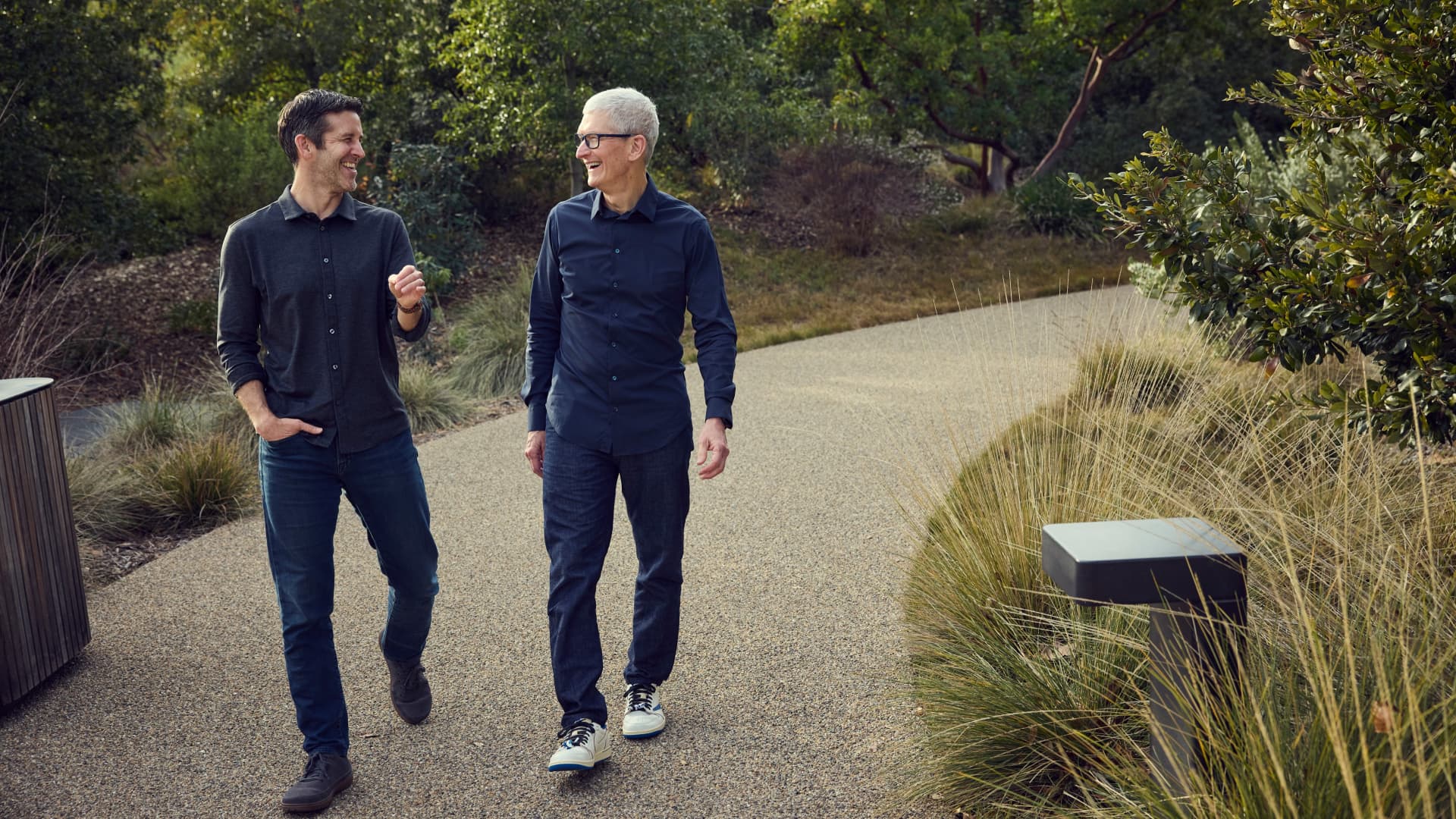
Apple CEO Transition Sparks Market Reactions


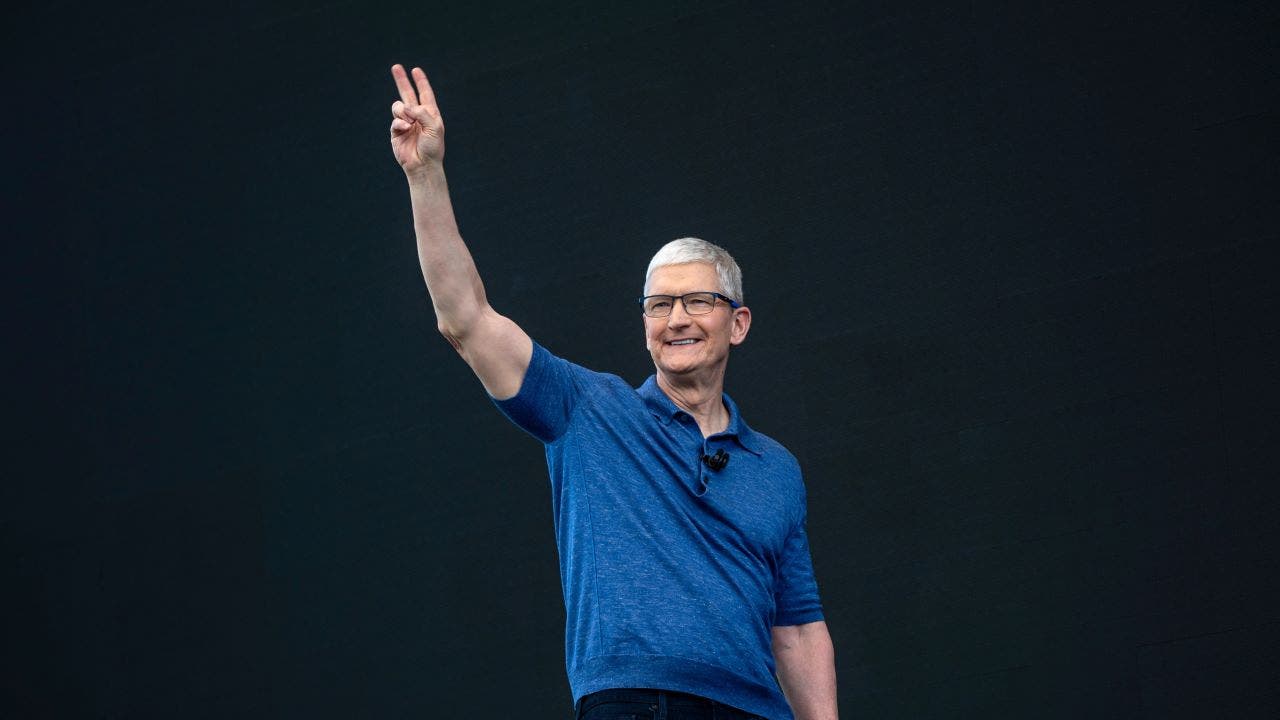
- Apple CEO Change: Apple announced that hardware chief John Ternus will replace Tim Cook as CEO in September, with Cook transitioning to executive chairman; this surprising move shocked investors but is seen positively, as Ternus must address Apple's lag in artificial intelligence, impacting the company's strategic direction.
- Fed Nomination Hearing: Trump's nominee for Federal Reserve chair, Kevin Warsh, will face the Senate Banking Committee for confirmation, emphasizing the need for Fed independence from political influence, a stance that may affect his confirmation prospects amid Trump's push for lower interest rates.
- Market Volatility: The Nasdaq Composite ended its longest winning streak since 1992, while the S&P 500 also retreated, as market uncertainty grew due to Trump's military threats against Iran; however, small-cap stocks showed resilience, with the Russell 2000 reaching new highs.
- UnitedHealth Group Strong Performance: UnitedHealth Group's first-quarter results exceeded expectations, leading to a more than 7% stock price increase, driven by improved management of medical costs and a favorable medical benefit ratio, with optimistic earnings outlook for 2026 further boosting investor confidence.
See More
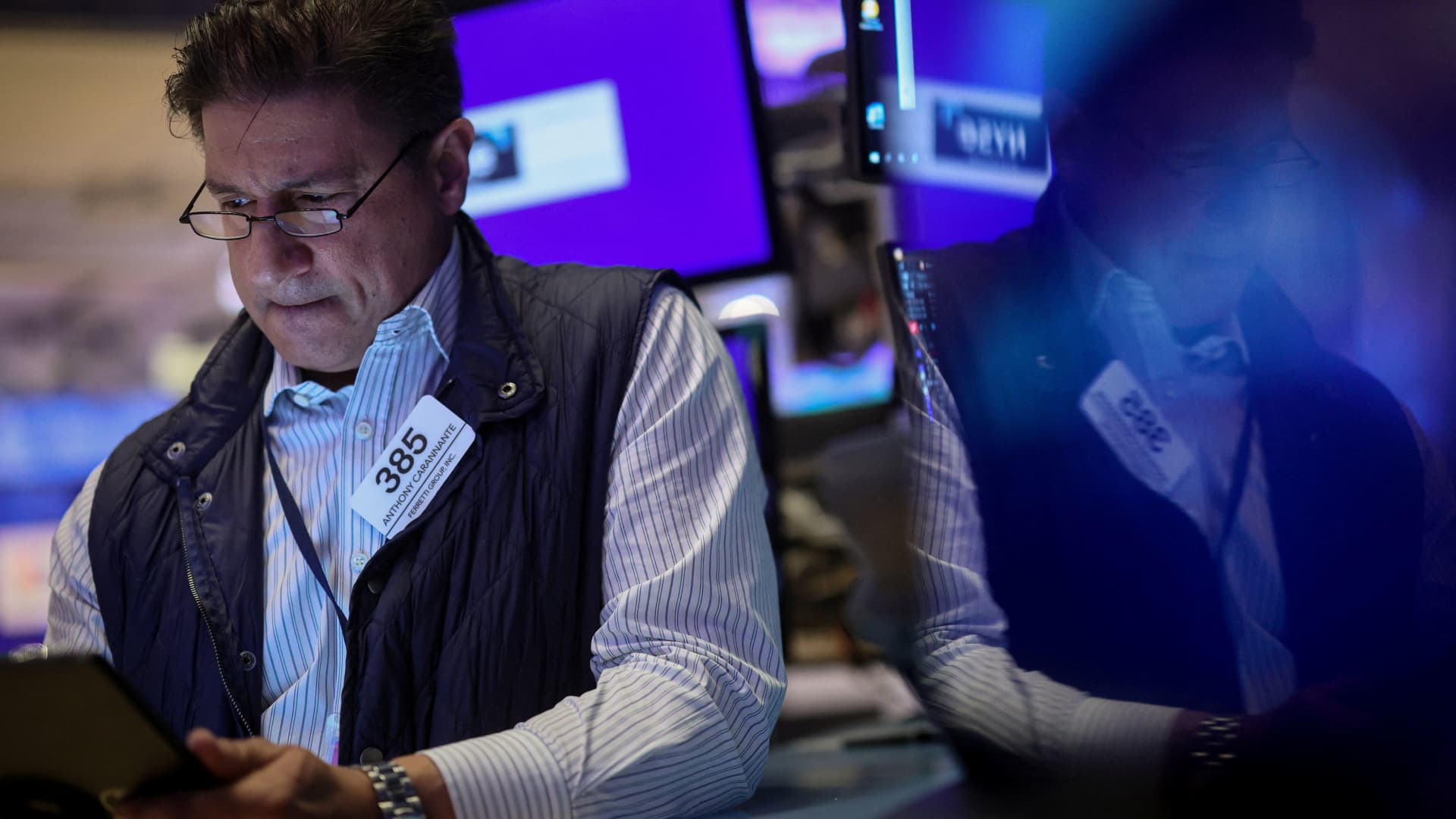
Apple's CEO Transition Sparks Market Reactions

- CEO Transition Impact: Apple announced that hardware chief John Ternus will replace Tim Cook as CEO in September, with Cook moving to executive chairman; this shocking news is viewed positively as Ternus faces the challenge of bridging the AI gap with competitors.
- Fed Nomination Hearing: Kevin Warsh, Trump's nominee for Federal Reserve chair, will face the Senate Banking Committee for confirmation, emphasizing the need for Fed independence from political influence, a stance that may affect his confirmation process.
- Market Volatility: The Nasdaq Composite ended its longest winning streak since 1992, while the S&P 500 also retreated, as market uncertainty grew due to Trump's military threats against Iran, although small-cap stocks showed strong performance.
- UnitedHealth Group's Strong Performance: UnitedHealth Group's first-quarter results exceeded expectations, leading to a more than 7% stock price increase and an upgraded earnings outlook for 2026, driven by improved management of medical costs, which is crucial for its profitability.
See More

Uncertainty Over Iran Conflict Weighs on Market Sentiment

- Market Volatility Impact: The uncertainty surrounding the Iran conflict has weighed on the stock market for the past few months, and although the S&P 500 has recently rebounded to new highs, the turbulence may not be over, prompting investors to remain cautious about potential pullback risks.
- Long-Term Investment Strategy: In the current environment, investors should remember that investing is a long-term endeavor, as fluctuations in quality stocks over short periods generally have limited impact on returns, thus adding dividend stocks during tough times can provide passive income and mitigate the effects of market volatility.
- Coca-Cola's Stability: Coca-Cola (KO), a Dividend King that has raised its dividend for 50 consecutive years, offers a dividend of $2.06 per share with a yield of 2.7%, demonstrating the company's commitment to shareholders and steady earnings growth, making it a suitable long-term investment.
- Walmart's Growth Potential: Walmart (WMT) has seen a 15% increase in global membership fee revenue and a 41% gain in its Walmart Connect advertising business, and while its dividend yield is 0.7%, its overall earnings growth potential makes it a noteworthy investment choice.
See More
Trump Warns Companies Not Seeking Tariff Refunds
- Tariff Refund Policy: Trump stated he will 'remember' companies that do not seek refunds, implying these firms might receive government support in the future, thereby influencing corporate refund decisions and their relationship with the government.
- Refund System Launch: The U.S. Customs and Border Protection (CBP) launched the CAPE refund processing system on Monday, expected to handle up to $166 billion in refund applications, although payments are not anticipated until 60 to 90 days post-application acceptance.
- Legal Action Dynamics: Major companies like Costco and FedEx have sued the U.S. government to secure timely tariff refunds, while Walmart and Amazon have refrained from litigation, possibly to avoid negative attention from Trump.
- Future Tariff Plans: Trump mentioned that the alternative tariffs being developed could yield higher revenue but will be more complex to implement, with these new tariffs not expected to take effect until July, potentially impacting corporate financial planning.
See More
Major Refunds for U.S. Importers Following Supreme Court Ruling
- Massive Refunds: The Supreme Court's ruling mandates the federal government to refund approximately $166 billion in tariffs, which will significantly enhance the financial positions of blue-chip retailers heavily reliant on imports, potentially boosting their stock prices.
- Walmart's Major Benefit: Walmart is set to receive about $10.2 billion in refunds, a substantial amount that, while modest compared to its $713 billion revenue, will have a significant impact on its adjusted operating income of approximately $8.7 billion.
- Refunds for Other Retailers: Target is expected to receive $2.2 billion, Nike around $1 billion, and Kohl's and Home Depot are projected to get $550 million and $540 million respectively, providing these companies with a financial cushion for future growth.
- Legal Risks Ahead: While the refunds are positive news for retailers and their shareholders, the fact that many passed tariff costs onto consumers may lead to lawsuits, posing risks to their brand reputation and future profitability.
See More
Walmart Enhances Competitive Advantage Through Convenience
- Extensive Retail Network: Walmart operates 4,611 retail locations and 601 Sam's Clubs in the U.S., totaling approximately 5,743 globally, ensuring consumer convenience and enhancing customer loyalty and market share across diverse regions.
- Membership Service Growth: Walmart+ membership income has seen strong double-digit growth, offering perks like free shipping and pharmacy delivery, which enhances customer experience and drives revenue growth, indicating the success of the subscription model.
- Delivery Service Innovations: In 2025, Walmart rolled out same-day pharmacy delivery and offers two-hour delivery at select stores, significantly improving shopping convenience, with plans to test drone deliveries at 270 locations by 2027 to expedite order fulfillment.
- AI Assistant Implementation: Walmart leverages Sparky AI to enhance the shopping experience, with customers using the assistant placing orders that are 35% higher in value than those who do not, showcasing the potential of artificial intelligence in boosting sales and customer satisfaction, thereby strengthening Walmart's competitive edge.
See More
Apple CEO Transition Sparks Market Reactions
- Apple CEO Change: Apple announced that hardware chief John Ternus will replace Tim Cook as CEO in September, with Cook transitioning to executive chairman; this surprising move shocked investors but is seen positively, as Ternus must address Apple's lag in artificial intelligence, impacting the company's strategic direction.
- Fed Nomination Hearing: Trump's nominee for Federal Reserve chair, Kevin Warsh, will face the Senate Banking Committee for confirmation, emphasizing the need for Fed independence from political influence, a stance that may affect his confirmation prospects amid Trump's push for lower interest rates.
- Market Volatility: The Nasdaq Composite ended its longest winning streak since 1992, while the S&P 500 also retreated, as market uncertainty grew due to Trump's military threats against Iran; however, small-cap stocks showed resilience, with the Russell 2000 reaching new highs.
- UnitedHealth Group Strong Performance: UnitedHealth Group's first-quarter results exceeded expectations, leading to a more than 7% stock price increase, driven by improved management of medical costs and a favorable medical benefit ratio, with optimistic earnings outlook for 2026 further boosting investor confidence.
See More
Apple's CEO Transition Sparks Market Reactions
- CEO Transition Impact: Apple announced that hardware chief John Ternus will replace Tim Cook as CEO in September, with Cook moving to executive chairman; this shocking news is viewed positively as Ternus faces the challenge of bridging the AI gap with competitors.
- Fed Nomination Hearing: Kevin Warsh, Trump's nominee for Federal Reserve chair, will face the Senate Banking Committee for confirmation, emphasizing the need for Fed independence from political influence, a stance that may affect his confirmation process.
- Market Volatility: The Nasdaq Composite ended its longest winning streak since 1992, while the S&P 500 also retreated, as market uncertainty grew due to Trump's military threats against Iran, although small-cap stocks showed strong performance.
- UnitedHealth Group's Strong Performance: UnitedHealth Group's first-quarter results exceeded expectations, leading to a more than 7% stock price increase and an upgraded earnings outlook for 2026, driven by improved management of medical costs, which is crucial for its profitability.
See More
Uncertainty Over Iran Conflict Weighs on Market Sentiment
- Market Volatility Impact: The uncertainty surrounding the Iran conflict has weighed on the stock market for the past few months, and although the S&P 500 has recently rebounded to new highs, the turbulence may not be over, prompting investors to remain cautious about potential pullback risks.
- Long-Term Investment Strategy: In the current environment, investors should remember that investing is a long-term endeavor, as fluctuations in quality stocks over short periods generally have limited impact on returns, thus adding dividend stocks during tough times can provide passive income and mitigate the effects of market volatility.
- Coca-Cola's Stability: Coca-Cola (KO), a Dividend King that has raised its dividend for 50 consecutive years, offers a dividend of $2.06 per share with a yield of 2.7%, demonstrating the company's commitment to shareholders and steady earnings growth, making it a suitable long-term investment.
- Walmart's Growth Potential: Walmart (WMT) has seen a 15% increase in global membership fee revenue and a 41% gain in its Walmart Connect advertising business, and while its dividend yield is 0.7%, its overall earnings growth potential makes it a noteworthy investment choice.
See More