Sustainable Growth Dividend Stocks
Written by Emily J. Thompson, Senior Investment Analyst
Updated: 2 days ago
0mins
Should l Buy PM?
Source: Fool
- Tobacco Industry Transition: Philip Morris International generated $16.9 billion in smoke-free revenue in 2025, marking a 15% year-over-year increase, with smoke-free products now accounting for over 40% of total sales, showcasing the company's strong growth potential in the new nicotine market.
- Dividend Growth Potential: Despite Philip Morris's stock being down 18.5% from all-time highs, its 3.8% dividend yield and a cumulative 44% dividend increase over the past decade indicate a positive outlook for future dividend growth, expected to benefit from its record-high operating income of $14.4 billion.
- Nintendo's Business Transition: Nintendo is transitioning to its new gaming hardware, the Switch 2, projected to sell 19 million units by fiscal year-end; although the current dividend yield is 2.1%, the management's 60% payout policy suggests potential for future dividend increases.
- Profit Expectations Rise: Nintendo's net income was $4 billion in 2021, with projections to exceed $5 billion in the next five years, and with a 60% net income dividend payout policy, the forecasted dividend yield could reach 5%, providing substantial returns for investors.
Trade with 70% Backtested Accuracy
Stop guessing "Should I Buy PM?" and start using high-conviction signals backed by rigorous historical data.
Sign up today to access powerful investing tools and make smarter, data-driven decisions.
Analyst Views on PM
Wall Street analysts forecast PM stock price to rise
11 Analyst Rating
8 Buy
3 Hold
0 Sell
Moderate Buy
Current: 164.200

Low
175.00
Averages
191.95
High
210.00
Current: 164.200
Low
175.00
Averages
191.95
High
210.00
About PM
Philip Morris International Inc. is an international tobacco company. The Company’s product portfolio primarily consists of cigarettes and smoke-free products. Its smoke-free business (SFB) also includes wellness and healthcare products, as well as consumer accessories, such as lighters and matches. The Company’s segments include Europe Region; South and Southeast Asia, Commonwealth of Independent States, Middle East and Africa Region (SSEA, CIS & MEA); East Asia, Australia & PMI Global Travel Retail (EA, AU & PMI GTR), and Americas Region. The Company's brands include Marlboro, HEETS, IQOS, IQOS ILUMA, TEREA, VEEV and ZYN. Its IQOS smoke-free product brand portfolio includes heated tobacco and nicotine-containing vapor products. Its international cigarette brands are Chesterfield, L&M, and Philip Morris. It also owns a number of local cigarette brands, such as Dji Sam Soe and Sampoerna A in Indonesia, and Fortune and Jackpot in the Philippines.
About the author

Emily J. Thompson
Emily J. Thompson, a Chartered Financial Analyst (CFA) with 12 years in investment research, graduated with honors from the Wharton School. Specializing in industrial and technology stocks, she provides in-depth analysis for Intellectia’s earnings and market brief reports.

Sustainable Growth Dividend Stocks
- Tobacco Industry Transition: Philip Morris International generated $16.9 billion in smoke-free revenue in 2025, marking a 15% year-over-year increase, with smoke-free products now accounting for over 40% of total sales, showcasing the company's strong growth potential in the new nicotine market.
- Dividend Growth Potential: Despite Philip Morris's stock being down 18.5% from all-time highs, its 3.8% dividend yield and a cumulative 44% dividend increase over the past decade indicate a positive outlook for future dividend growth, expected to benefit from its record-high operating income of $14.4 billion.
- Nintendo's Business Transition: Nintendo is transitioning to its new gaming hardware, the Switch 2, projected to sell 19 million units by fiscal year-end; although the current dividend yield is 2.1%, the management's 60% payout policy suggests potential for future dividend increases.
- Profit Expectations Rise: Nintendo's net income was $4 billion in 2021, with projections to exceed $5 billion in the next five years, and with a 60% net income dividend payout policy, the forecasted dividend yield could reach 5%, providing substantial returns for investors.
See More

Dividend Growth Potential of Philip Morris and Nintendo
- Philip Morris Revenue Growth: In 2025, Philip Morris generated $16.9 billion from its smoke-free business, marking a 15% year-over-year increase, which now accounts for over 40% of total sales, indicating strong performance during its transition and future dividend growth potential.
- Dividend Growth Potential: Although Philip Morris has a starting dividend yield of 3.8%, its cumulative dividend has risen by 44% over the past decade, and as new nicotine products continue to grow, the company's operating income is expected to rise, supporting future dividend increases.
- Nintendo's Market Transition: Nintendo's new hardware, the Switch 2, sold 19 million units in less than a year, and while its current dividend yield is 2.1%, the management's 60% payout policy suggests potential for future dividend growth, especially as software sales are expected to rise.
- Future Profit Expectations: Nintendo's net income was $4 billion in 2021, and with inflation and higher selling prices, it is projected to exceed $5 billion in net income over the next five years, providing $3 billion annually for dividends, thereby enhancing investor confidence.
See More

Trump Administration Reclassifies Cannabis Under Federal Law
- Legal Reclassification: The Trump administration's decision to reclassify cannabis from Schedule I to Schedule III under federal law does not legalize it but significantly lowers barriers for scientific research, potentially advancing studies into its medical applications.
- Significant Financial Implications: This change allows cannabis companies to deduct standard expenses like rent and payroll for the first time, exempting them from IRS Code Section 280E, which improves cash flow and enhances financial stability, thereby supporting reinvestment.
- Reduced Research Barriers: The reclassification will ease the approval processes and compliance requirements for researchers studying cannabis in clinical settings, particularly for therapeutic uses such as chronic pain, PTSD, and neurological disorders, facilitating deeper exploration in the scientific community.
- Signal of Policy Shift: This action marks a significant federal shift in marijuana policy, indicating a growing willingness in Washington to reconsider how cannabis is categorized and studied, potentially laying the groundwork for more consistent standards in the future.
See More

Philip Morris Reports Strong Q1 Performance Driven by Smoke-Free Products
- Volume Growth: Philip Morris International's smoke-free segment recorded an 11.9% increase in shipment volumes, reflecting sustained consumer demand for smoke-free products and reinforcing the company's competitive position in global markets.
- Sales Surge: The IQOS heated tobacco system achieved nearly 11% growth in adjusted sales, driving overall revenue up 9.1% year-on-year to $10.1 billion, surpassing analyst expectations and indicating strong performance in the smoke-free product sector.
- Margin Improvement: The smoke-free division saw net revenue rise by approximately 15.8% and gross profit increase by about 19.4%, resulting in a gross margin increase of 210 basis points to around 70%, showcasing the company's success in cost control and pricing strategies.
- Optimistic Outlook: Philip Morris expects adjusted EPS to range between $8.36 and $8.51 for the full year, reflecting confidence in future growth driven by the ongoing expansion of smoke-free products and robust market demand.
See More

Philip Morris International Q1 2026 Earnings Call Highlights
- Strong Earnings Growth: Philip Morris reported an adjusted diluted EPS of $1.96 for Q1 2026, exceeding the consensus estimate of $1.83 by 7.1%, reflecting robust performance driven by international smoke-free business and strong pricing strategies, which are expected to enhance shareholder returns further.
- Impressive Smoke-Free Performance: The international smoke-free segment achieved double-digit volume growth, with IQOS showing nearly 11% adjusted in-market sales growth, which not only strengthens the company's competitive position in the smoke-free market but also lays a solid foundation for future revenue growth, particularly with VEEV's strong performance in Europe.
- Optimistic Future Outlook: The company forecasts adjusted diluted EPS for Q2 2026 to be between $2.02 and $2.07, despite a higher effective tax rate and currency fluctuations impacting short-term performance, the long-term growth outlook remains positive with expected organic net revenue growth of 5% to 7%.
- Market Risk Concerns: Despite a strong Q1 performance, management cautioned about global economic uncertainties and the potential impact of the Middle East conflict on transportation and energy costs, while illegal consumption and excise tax increases in Mexico could lead to an overall industry decline, necessitating ongoing attention to these risks.
See More
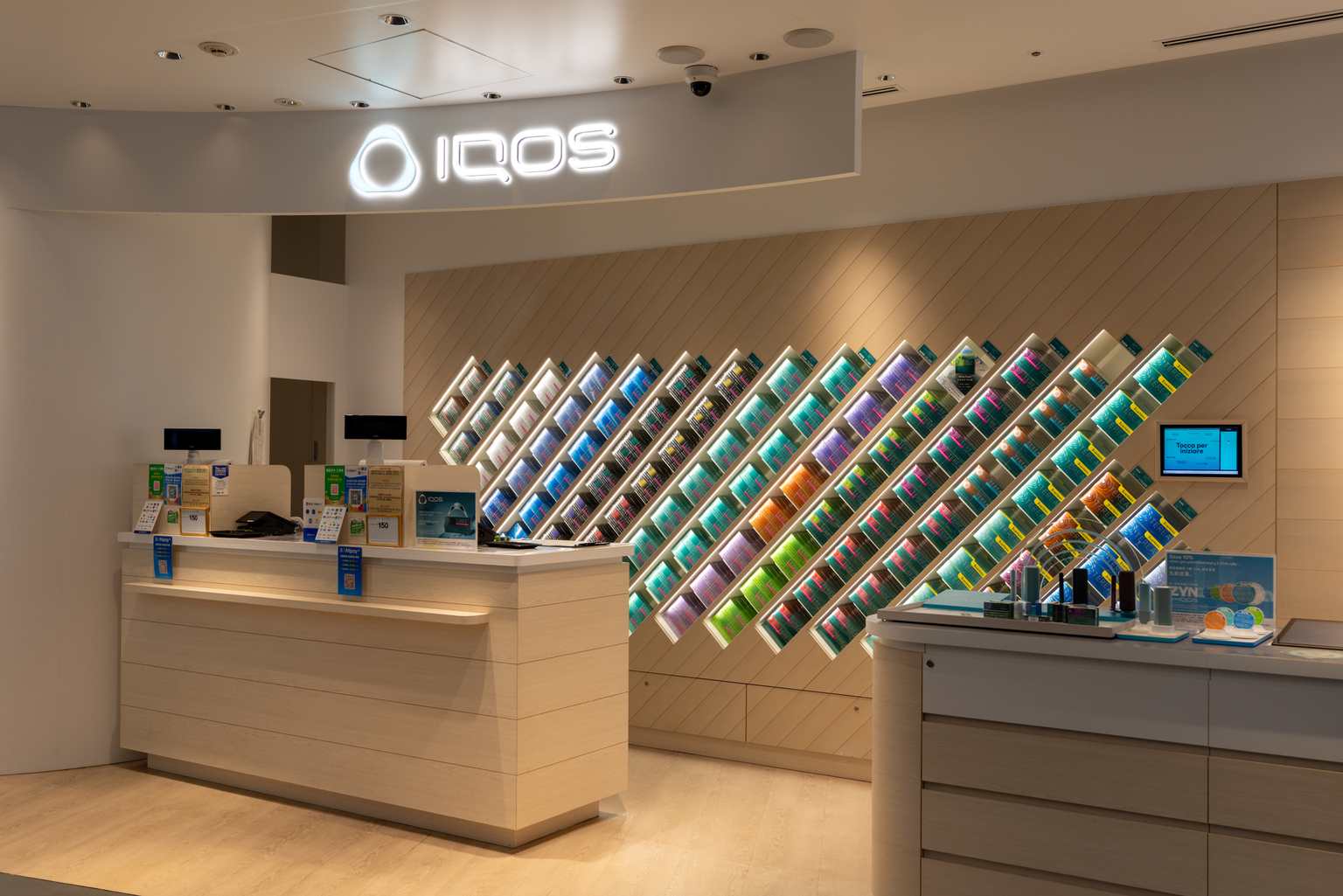
Philip Morris Reports Strong Q1 Earnings, Boosting Tobacco Sector
- Significant Growth: Philip Morris reported a 24.7% year-over-year increase in smoke-free product revenue and a 28.6% rise in gross profit for Q1, demonstrating strong performance in the tobacco sector transformation and solidifying its market position.
- Positive Market Reaction: Following the Q1 earnings release, Philip Morris's stock surged 6.9%, boosting investor confidence and lifting the entire tobacco sector, reflecting optimistic expectations for the company's future growth.
- Stable Consumer Behavior: Despite consumer spending pressures from the Middle East conflict, Philip Morris noted no discernible shift in consumer behavior, providing stability in uncertain market conditions and enhancing business resilience.
- Financial Performance Exceeds Expectations: The company reported a non-GAAP EPS of $1.96, beating estimates by $0.13, with revenue of $10.15 billion exceeding expectations by $240 million, indicating effective management of costs and market demand.
See More
Sustainable Growth Dividend Stocks
- Tobacco Industry Transition: Philip Morris International generated $16.9 billion in smoke-free revenue in 2025, marking a 15% year-over-year increase, with smoke-free products now accounting for over 40% of total sales, showcasing the company's strong growth potential in the new nicotine market.
- Dividend Growth Potential: Despite Philip Morris's stock being down 18.5% from all-time highs, its 3.8% dividend yield and a cumulative 44% dividend increase over the past decade indicate a positive outlook for future dividend growth, expected to benefit from its record-high operating income of $14.4 billion.
- Nintendo's Business Transition: Nintendo is transitioning to its new gaming hardware, the Switch 2, projected to sell 19 million units by fiscal year-end; although the current dividend yield is 2.1%, the management's 60% payout policy suggests potential for future dividend increases.
- Profit Expectations Rise: Nintendo's net income was $4 billion in 2021, with projections to exceed $5 billion in the next five years, and with a 60% net income dividend payout policy, the forecasted dividend yield could reach 5%, providing substantial returns for investors.
See More
Dividend Growth Potential of Philip Morris and Nintendo
- Philip Morris Revenue Growth: In 2025, Philip Morris generated $16.9 billion from its smoke-free business, marking a 15% year-over-year increase, which now accounts for over 40% of total sales, indicating strong performance during its transition and future dividend growth potential.
- Dividend Growth Potential: Although Philip Morris has a starting dividend yield of 3.8%, its cumulative dividend has risen by 44% over the past decade, and as new nicotine products continue to grow, the company's operating income is expected to rise, supporting future dividend increases.
- Nintendo's Market Transition: Nintendo's new hardware, the Switch 2, sold 19 million units in less than a year, and while its current dividend yield is 2.1%, the management's 60% payout policy suggests potential for future dividend growth, especially as software sales are expected to rise.
- Future Profit Expectations: Nintendo's net income was $4 billion in 2021, and with inflation and higher selling prices, it is projected to exceed $5 billion in net income over the next five years, providing $3 billion annually for dividends, thereby enhancing investor confidence.
See More
Trump Administration Reclassifies Cannabis Under Federal Law
- Legal Reclassification: The Trump administration's decision to reclassify cannabis from Schedule I to Schedule III under federal law does not legalize it but significantly lowers barriers for scientific research, potentially advancing studies into its medical applications.
- Significant Financial Implications: This change allows cannabis companies to deduct standard expenses like rent and payroll for the first time, exempting them from IRS Code Section 280E, which improves cash flow and enhances financial stability, thereby supporting reinvestment.
- Reduced Research Barriers: The reclassification will ease the approval processes and compliance requirements for researchers studying cannabis in clinical settings, particularly for therapeutic uses such as chronic pain, PTSD, and neurological disorders, facilitating deeper exploration in the scientific community.
- Signal of Policy Shift: This action marks a significant federal shift in marijuana policy, indicating a growing willingness in Washington to reconsider how cannabis is categorized and studied, potentially laying the groundwork for more consistent standards in the future.
See More
Philip Morris Reports Strong Q1 Performance Driven by Smoke-Free Products
- Volume Growth: Philip Morris International's smoke-free segment recorded an 11.9% increase in shipment volumes, reflecting sustained consumer demand for smoke-free products and reinforcing the company's competitive position in global markets.
- Sales Surge: The IQOS heated tobacco system achieved nearly 11% growth in adjusted sales, driving overall revenue up 9.1% year-on-year to $10.1 billion, surpassing analyst expectations and indicating strong performance in the smoke-free product sector.
- Margin Improvement: The smoke-free division saw net revenue rise by approximately 15.8% and gross profit increase by about 19.4%, resulting in a gross margin increase of 210 basis points to around 70%, showcasing the company's success in cost control and pricing strategies.
- Optimistic Outlook: Philip Morris expects adjusted EPS to range between $8.36 and $8.51 for the full year, reflecting confidence in future growth driven by the ongoing expansion of smoke-free products and robust market demand.
See More
Philip Morris International Q1 2026 Earnings Call Highlights
- Strong Earnings Growth: Philip Morris reported an adjusted diluted EPS of $1.96 for Q1 2026, exceeding the consensus estimate of $1.83 by 7.1%, reflecting robust performance driven by international smoke-free business and strong pricing strategies, which are expected to enhance shareholder returns further.
- Impressive Smoke-Free Performance: The international smoke-free segment achieved double-digit volume growth, with IQOS showing nearly 11% adjusted in-market sales growth, which not only strengthens the company's competitive position in the smoke-free market but also lays a solid foundation for future revenue growth, particularly with VEEV's strong performance in Europe.
- Optimistic Future Outlook: The company forecasts adjusted diluted EPS for Q2 2026 to be between $2.02 and $2.07, despite a higher effective tax rate and currency fluctuations impacting short-term performance, the long-term growth outlook remains positive with expected organic net revenue growth of 5% to 7%.
- Market Risk Concerns: Despite a strong Q1 performance, management cautioned about global economic uncertainties and the potential impact of the Middle East conflict on transportation and energy costs, while illegal consumption and excise tax increases in Mexico could lead to an overall industry decline, necessitating ongoing attention to these risks.
See More
Philip Morris Reports Strong Q1 Earnings, Boosting Tobacco Sector
- Significant Growth: Philip Morris reported a 24.7% year-over-year increase in smoke-free product revenue and a 28.6% rise in gross profit for Q1, demonstrating strong performance in the tobacco sector transformation and solidifying its market position.
- Positive Market Reaction: Following the Q1 earnings release, Philip Morris's stock surged 6.9%, boosting investor confidence and lifting the entire tobacco sector, reflecting optimistic expectations for the company's future growth.
- Stable Consumer Behavior: Despite consumer spending pressures from the Middle East conflict, Philip Morris noted no discernible shift in consumer behavior, providing stability in uncertain market conditions and enhancing business resilience.
- Financial Performance Exceeds Expectations: The company reported a non-GAAP EPS of $1.96, beating estimates by $0.13, with revenue of $10.15 billion exceeding expectations by $240 million, indicating effective management of costs and market demand.
See More