Surging Demand in Semiconductor Industry
Written by Emily J. Thompson, Senior Investment Analyst
Updated: 1 day ago
0mins

Should l Buy TSM?
Source: Fool
- Market Growth Potential: According to Statista, the semiconductor industry is projected to grow from $891 billion in 2026 to nearly $1.3 trillion by 2030, indicating strong market demand and investment opportunities that could yield substantial shareholder returns for companies involved.
- TSMC's Market Dominance: Taiwan Semiconductor Manufacturing Company (TSMC) controls 72% of the chip foundry market, making it an indispensable player in AI infrastructure development due to its technological leadership and massive manufacturing capacity, which is expected to continue attracting business from leading chip designers.
- Revenue Growth Drivers: TSMC reported a 40% year-over-year revenue increase in Q1, primarily driven by AI demand, despite declines in smartphone and automotive revenues, with high-value AI chips boosting profitability to a 50% margin.
- Broadcom's Custom Chip Demand: Broadcom's revenue from custom chips rose 29% year-over-year, with expectations for acceleration to 47% in the next fiscal quarter, as customers plan to add approximately 10 gigawatts of data center capacity by 2027, further driving chip demand growth.
Trade with 70% Backtested Accuracy
Stop guessing "Should I Buy TSM?" and start using high-conviction signals backed by rigorous historical data.
Sign up today to access powerful investing tools and make smarter, data-driven decisions.
Analyst Views on TSM
Wall Street analysts forecast TSM stock price to fall
8 Analyst Rating
7 Buy
1 Hold
0 Sell
Strong Buy
Current: 414.150

Low
63.24
Averages
313.46
High
390.00
Current: 414.150
Low
63.24
Averages
313.46
High
390.00
About TSM
Taiwan Semiconductor Manufacturing Co Ltd is a Taiwan-based integrated circuit foundry service provider. The Company is primarily engaged in integrated circuit manufacturing services. It offers advanced process technologies, specialised process solutions, advanced photomask and silicon stacking, and packaging-related technologies, while supporting a comprehensive design ecosystem. The Company's products serve diverse electronic sectors including artificial intelligence, high-performance computing, wired and wireless communications, automotive and industrial equipment, personal computing, information applications, consumer electronics, smart internet of things, and wearable devices.
About the author

Emily J. Thompson
Emily J. Thompson, a Chartered Financial Analyst (CFA) with 12 years in investment research, graduated with honors from the Wharton School. Specializing in industrial and technology stocks, she provides in-depth analysis for Intellectia’s earnings and market brief reports.

TSMC Reports April Revenue Growth of 17.5% Year-over-Year

- April Revenue Figures: TSMC reported consolidated revenue of approximately NT$410.73 billion ($13.1 billion) for April, reflecting a 1.1% decline from March but a 17.5% increase compared to April 2025, indicating the company's sustained growth potential in high-performance computing.
- Year-to-Date Performance: Total revenue from January to April 2026 reached NT$1,544.83 billion, marking a 29.9% year-over-year increase, showcasing TSMC's robust performance in the global semiconductor market, particularly amid rising demand for AI workloads.
- Positive Market Reaction: Following regulatory easing of single-stock investment limits, TSMC's shares hit a record high last month, signaling strong market optimism regarding its future growth and prompting fund managers to increase their exposure to the company.
- Demand-Driven Growth: The rising need for advanced silicon chips has positioned TSMC's high-performance computing segment as a key growth driver, further solidifying its leadership in the global semiconductor industry.
See More
TSMC: The Quiet Giant of the Semiconductor Industry
- Market Dominance: TSMC controls over 70% of the global semiconductor market and more than 90% in the most advanced semiconductor sector, establishing itself as an essential manufacturer in the AI industry, despite lower returns compared to major clients like Nvidia and Apple.
- Significant Revenue Growth: In Q1 2026, TSMC reported revenue of $35 billion, a 35% increase year-over-year, significantly outpacing the 31% growth in 2025, indicating unprecedented demand for chips that drives the company's profitability.
- Enhanced Profitability: The comprehensive income for the quarter approached $20 billion, reflecting a 60% increase from last year, while comprehensive income growth in 2025 was only 33%, showcasing the company's strong performance and ongoing growth potential.
- Investment Appeal: Despite geopolitical risks, TSMC's P/E ratio stands at 33, which seems attractive given the 60% income growth, indicating strong investor demand for its stock and confidence in its future growth prospects.
See More

China's Exports Surge 14.1% as AI Drives Trade Recovery

- Significant Export Growth: According to the General Administration of Customs, China's exports rose 14.1% year-on-year in April, nearly doubling the economists' median forecast of 8.4%, demonstrating the trade sector's resilience amid significant shipping disruptions caused by the war in Iran and driven by a global AI investment boom.
- Faster Import Growth: Imports surged 25.3% year-on-year in April, resulting in a trade surplus of $84.82 billion, indicating that Chinese firms are ramping up purchases of high-end chips and power equipment necessary for data centers, prompting economists to upgrade forecasts for import growth to potentially outpace exports for the first time since 2021.
- Manufacturing Resilience: A sub-index of new export orders expanded for the first time in two years in April, while a private gauge of activity at export-oriented firms reached its highest level since December 2020, reflecting the resilience of Chinese factories in the current economic landscape.
- Energy Transport Risks: The effective closure of the Strait of Hormuz poses risks of rising cost pressures and stagnant domestic spending for China, with trade imbalances expected to be a key focus at the upcoming summit between U.S. President Donald Trump and Chinese President Xi Jinping, especially following data showing the U.S. merchandise trade deficit with China widened for the third consecutive month.
See More

Creative Ways to Invest in Anthropic Before IPO


- Diverse Investment Options: Investors can indirectly invest in Anthropic through funds like the KraneShares Artificial Intelligence and Technology ETF, ARK Venture Fund, and Destiny Tech100, which hold 2.6%, 3.0%, and a recent investment in Anthropic, respectively, providing diversified investment choices to mitigate risk.
- Strong Fund Performance: The KraneShares ETF has risen 17% in 2026, while Destiny Tech100 has shown even stronger performance with a 30% increase, indicating the investment potential and market appeal of these funds in the rapidly evolving AI sector.
- Management Fee Considerations: Although ARKVX has a high management fee of 2.75% and Destiny Tech100 charges 2.5%, investors must weigh these costs against potential returns to ensure the effectiveness of their investments in these high-growth areas.
- Market Volatility Risks: Given the high volatility in the AI industry, investors should be aware of the risks when selecting these funds; despite the high fees, diversified investments can help mitigate risks associated with individual companies.
See More

Anthropic Valuation Approaches $400 Billion Amid AI Growth
- Valuation Surge: Anthropic's valuation is nearing $400 billion, reflecting rapid growth in the generative AI sector, particularly in the development of large language models, which underscores its market potential and attractiveness.
- Investment Opportunities: Although Anthropic is not yet public, investors can still gain exposure through funds like the KraneShares Artificial Intelligence and Technology ETF, which allocates 2.6% to Anthropic, marking it as the 10th largest holding and highlighting its significance in the portfolio.
- Fee Structure: The management fee for the KraneShares ETF is 0.99%, while the ARKVX closed-end fund charges a hefty 2.75%, illustrating the cost differences among various investment vehicles, prompting investors to weigh fees against potential returns.
- Market Performance: In 2026, shares of the KraneShares ETF rose by 17%, while ARKVX shares increased by 9%, indicating sustained investor interest in AI companies amidst high volatility, despite the elevated fees.
See More
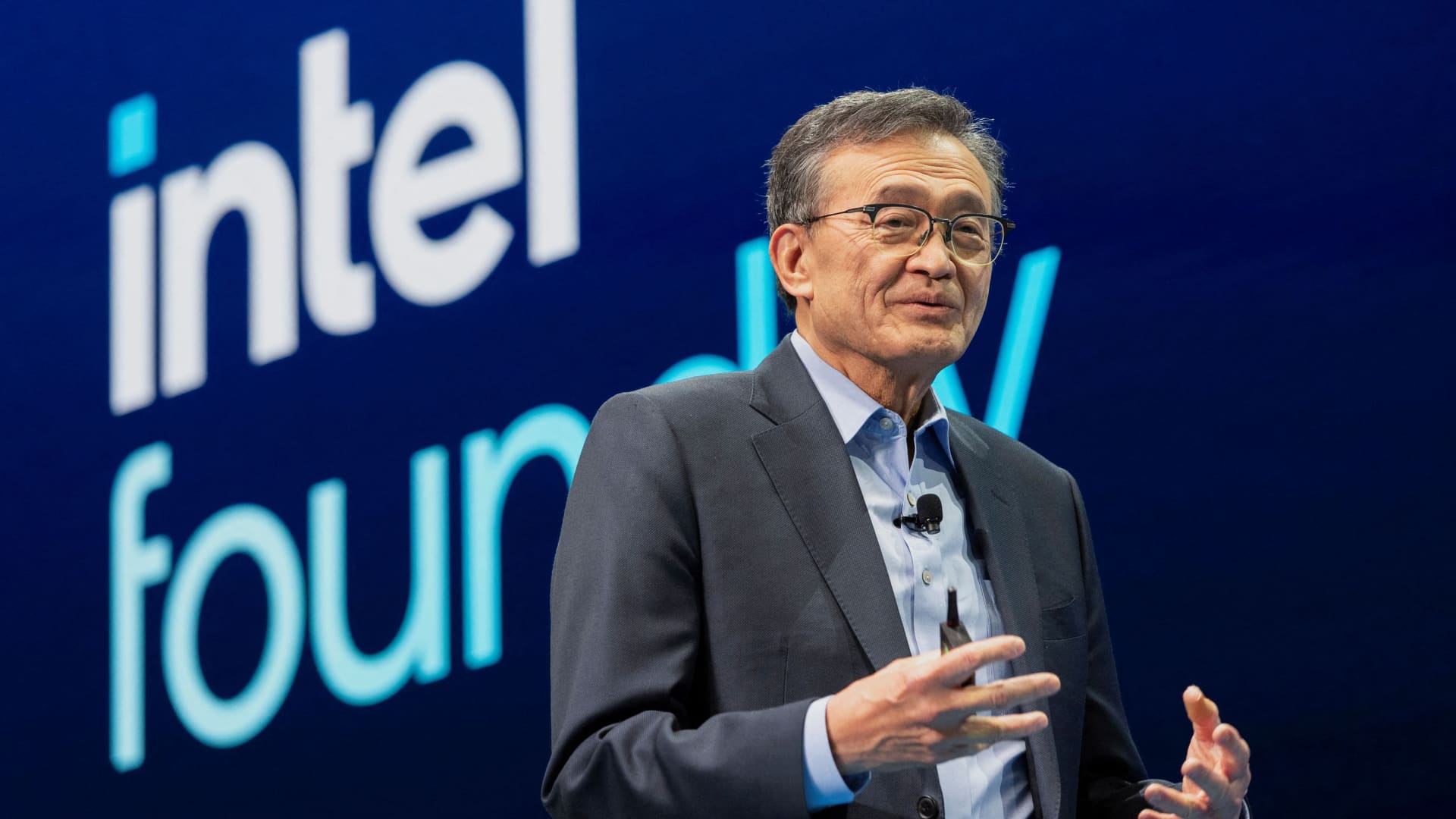
Intel and Apple Reach Preliminary Chip Agreement

- Chip Manufacturing Partnership: Intel and Apple have reached a preliminary agreement for Intel to manufacture chips for Apple's devices, marking a significant shift in the chipmaking landscape that could enhance Intel's market position and bolster confidence in its foundry business.
- Significant Stock Reactions: Following the announcement, Intel's shares surged nearly 14%, while Apple's shares rose by 2%, indicating strong market optimism regarding this collaboration, which may drive future innovation and partnerships between the two companies.
- Capacity Expansion Strategy: Intel's new chip fabrication plant in Arizona is now in high-volume production of its advanced 18A node chips, which is expected to provide Apple with a scalable second source, alleviating Apple's reliance on TSMC amid soaring demand.
- Increased Market Competition: The collaboration between Apple and Intel could impact TSMC's market position; although TSMC is currently maximizing production, Intel's resurgence may compel TSMC to adjust its market strategies to address new competitive pressures.
See More
TSMC Reports April Revenue Growth of 17.5% Year-over-Year
- April Revenue Figures: TSMC reported consolidated revenue of approximately NT$410.73 billion ($13.1 billion) for April, reflecting a 1.1% decline from March but a 17.5% increase compared to April 2025, indicating the company's sustained growth potential in high-performance computing.
- Year-to-Date Performance: Total revenue from January to April 2026 reached NT$1,544.83 billion, marking a 29.9% year-over-year increase, showcasing TSMC's robust performance in the global semiconductor market, particularly amid rising demand for AI workloads.
- Positive Market Reaction: Following regulatory easing of single-stock investment limits, TSMC's shares hit a record high last month, signaling strong market optimism regarding its future growth and prompting fund managers to increase their exposure to the company.
- Demand-Driven Growth: The rising need for advanced silicon chips has positioned TSMC's high-performance computing segment as a key growth driver, further solidifying its leadership in the global semiconductor industry.
See More
TSMC: The Quiet Giant of the Semiconductor Industry
- Market Dominance: TSMC controls over 70% of the global semiconductor market and more than 90% in the most advanced semiconductor sector, establishing itself as an essential manufacturer in the AI industry, despite lower returns compared to major clients like Nvidia and Apple.
- Significant Revenue Growth: In Q1 2026, TSMC reported revenue of $35 billion, a 35% increase year-over-year, significantly outpacing the 31% growth in 2025, indicating unprecedented demand for chips that drives the company's profitability.
- Enhanced Profitability: The comprehensive income for the quarter approached $20 billion, reflecting a 60% increase from last year, while comprehensive income growth in 2025 was only 33%, showcasing the company's strong performance and ongoing growth potential.
- Investment Appeal: Despite geopolitical risks, TSMC's P/E ratio stands at 33, which seems attractive given the 60% income growth, indicating strong investor demand for its stock and confidence in its future growth prospects.
See More
China's Exports Surge 14.1% as AI Drives Trade Recovery
- Significant Export Growth: According to the General Administration of Customs, China's exports rose 14.1% year-on-year in April, nearly doubling the economists' median forecast of 8.4%, demonstrating the trade sector's resilience amid significant shipping disruptions caused by the war in Iran and driven by a global AI investment boom.
- Faster Import Growth: Imports surged 25.3% year-on-year in April, resulting in a trade surplus of $84.82 billion, indicating that Chinese firms are ramping up purchases of high-end chips and power equipment necessary for data centers, prompting economists to upgrade forecasts for import growth to potentially outpace exports for the first time since 2021.
- Manufacturing Resilience: A sub-index of new export orders expanded for the first time in two years in April, while a private gauge of activity at export-oriented firms reached its highest level since December 2020, reflecting the resilience of Chinese factories in the current economic landscape.
- Energy Transport Risks: The effective closure of the Strait of Hormuz poses risks of rising cost pressures and stagnant domestic spending for China, with trade imbalances expected to be a key focus at the upcoming summit between U.S. President Donald Trump and Chinese President Xi Jinping, especially following data showing the U.S. merchandise trade deficit with China widened for the third consecutive month.
See More
Creative Ways to Invest in Anthropic Before IPO
- Diverse Investment Options: Investors can indirectly invest in Anthropic through funds like the KraneShares Artificial Intelligence and Technology ETF, ARK Venture Fund, and Destiny Tech100, which hold 2.6%, 3.0%, and a recent investment in Anthropic, respectively, providing diversified investment choices to mitigate risk.
- Strong Fund Performance: The KraneShares ETF has risen 17% in 2026, while Destiny Tech100 has shown even stronger performance with a 30% increase, indicating the investment potential and market appeal of these funds in the rapidly evolving AI sector.
- Management Fee Considerations: Although ARKVX has a high management fee of 2.75% and Destiny Tech100 charges 2.5%, investors must weigh these costs against potential returns to ensure the effectiveness of their investments in these high-growth areas.
- Market Volatility Risks: Given the high volatility in the AI industry, investors should be aware of the risks when selecting these funds; despite the high fees, diversified investments can help mitigate risks associated with individual companies.
See More
Anthropic Valuation Approaches $400 Billion Amid AI Growth
- Valuation Surge: Anthropic's valuation is nearing $400 billion, reflecting rapid growth in the generative AI sector, particularly in the development of large language models, which underscores its market potential and attractiveness.
- Investment Opportunities: Although Anthropic is not yet public, investors can still gain exposure through funds like the KraneShares Artificial Intelligence and Technology ETF, which allocates 2.6% to Anthropic, marking it as the 10th largest holding and highlighting its significance in the portfolio.
- Fee Structure: The management fee for the KraneShares ETF is 0.99%, while the ARKVX closed-end fund charges a hefty 2.75%, illustrating the cost differences among various investment vehicles, prompting investors to weigh fees against potential returns.
- Market Performance: In 2026, shares of the KraneShares ETF rose by 17%, while ARKVX shares increased by 9%, indicating sustained investor interest in AI companies amidst high volatility, despite the elevated fees.
See More
Intel and Apple Reach Preliminary Chip Agreement
- Chip Manufacturing Partnership: Intel and Apple have reached a preliminary agreement for Intel to manufacture chips for Apple's devices, marking a significant shift in the chipmaking landscape that could enhance Intel's market position and bolster confidence in its foundry business.
- Significant Stock Reactions: Following the announcement, Intel's shares surged nearly 14%, while Apple's shares rose by 2%, indicating strong market optimism regarding this collaboration, which may drive future innovation and partnerships between the two companies.
- Capacity Expansion Strategy: Intel's new chip fabrication plant in Arizona is now in high-volume production of its advanced 18A node chips, which is expected to provide Apple with a scalable second source, alleviating Apple's reliance on TSMC amid soaring demand.
- Increased Market Competition: The collaboration between Apple and Intel could impact TSMC's market position; although TSMC is currently maximizing production, Intel's resurgence may compel TSMC to adjust its market strategies to address new competitive pressures.
See More