

Surge in Freeport-McMoran Options Trading Volume
Written by Emily J. Thompson, Senior Investment Analyst
Updated: 3 days ago
0mins

Source: NASDAQ.COM
- Surge in Options Volume: Freeport-McMoran Copper & Gold (FCX) experienced an options trading volume of 63,742 contracts today, equivalent to approximately 6.4 million shares, representing about 49.6% of its average daily trading volume of 12.9 million shares over the past month, indicating strong market interest.
- High Demand for Call Options: Notably, the $80 strike call option for FCX saw a significant volume of 12,504 contracts traded today, representing around 1.3 million underlying shares, suggesting a heightened investor expectation for future price increases.
- GE Vernova Options Activity: Concurrently, GE Vernova Inc (GEV) also showed robust options trading with 12,447 contracts traded today, approximately 1.2 million shares, accounting for 44.3% of its average daily trading volume of 2.8 million shares over the past month, reflecting market interest in the company.
- Put Options Trading Insight: For GEV, the $790 strike put option recorded a trading volume of 1,357 contracts, representing about 135,700 underlying shares, indicating that investors are increasingly cautious about potential price declines, which may influence their market strategies.
Trade with 70% Backtested Accuracy
Stop guessing "Should I Buy UBER?" and start using high-conviction signals backed by rigorous historical data.
Sign up today to access powerful investing tools and make smarter, data-driven decisions.
Analyst Views on UBER
Wall Street analysts forecast UBER stock price to rise
32 Analyst Rating
28 Buy
3 Hold
1 Sell
Strong Buy
Current: 70.910

Low
72.00
Averages
107.10
High
150.00
Current: 70.910
Low
72.00
Averages
107.10
High
150.00
About UBER
Uber Technologies, Inc. operates a technology platform that uses network and technology to power movement from point A to point B. It develops and operates technology applications supporting a variety of offerings on its platform (platform(s)). Its segments include Mobility, Delivery and Freight. Mobility products connect consumers with drivers who provide rides in a variety of vehicles, such as cars, auto rickshaws, motorbikes, minibuses, or taxis. Delivery offerings allow consumers to search for and discover local restaurants, order a meal, and either pick-up at the restaurant or have the meal delivered. In certain markets, the Delivery segment provides offerings for grocery, alcohol, and convenience store delivery as well as select other goods. The Freight segment connects carriers with shippers on its platform, and gives carriers upfront, pricing and the ability to book a shipment. The Freight segment also includes transportation management and other logistics service offerings.
About the author

Emily J. Thompson
Emily J. Thompson, a Chartered Financial Analyst (CFA) with 12 years in investment research, graduated with honors from the Wharton School. Specializing in industrial and technology stocks, she provides in-depth analysis for Intellectia’s earnings and market brief reports.

Turkish Competition Board Approves Uber's Acquisition of Getir

- Acquisition Approval: The Turkish Competition Board has approved Uber's acquisition of Getir's delivery arm, which will further expand Uber's market share in Turkey and enhance its local business influence.
- Investment Commitment: Uber's commitment to invest $500 million in Turkey is expected to support high-quality employment, enhance local engineering capabilities, and positively contribute to the development of Turkey's digital and technology infrastructure.
- Market Expansion: This acquisition not only strengthens Uber's operational footprint in Turkey but also leverages Getir's delivery network to improve service efficiency and meet the growing market demand.
- Strategic Significance: This transaction marks a significant step in Uber's global market expansion strategy, demonstrating its commitment to the Turkish market and helping to elevate its position in the highly competitive food delivery and logistics sector.
See More
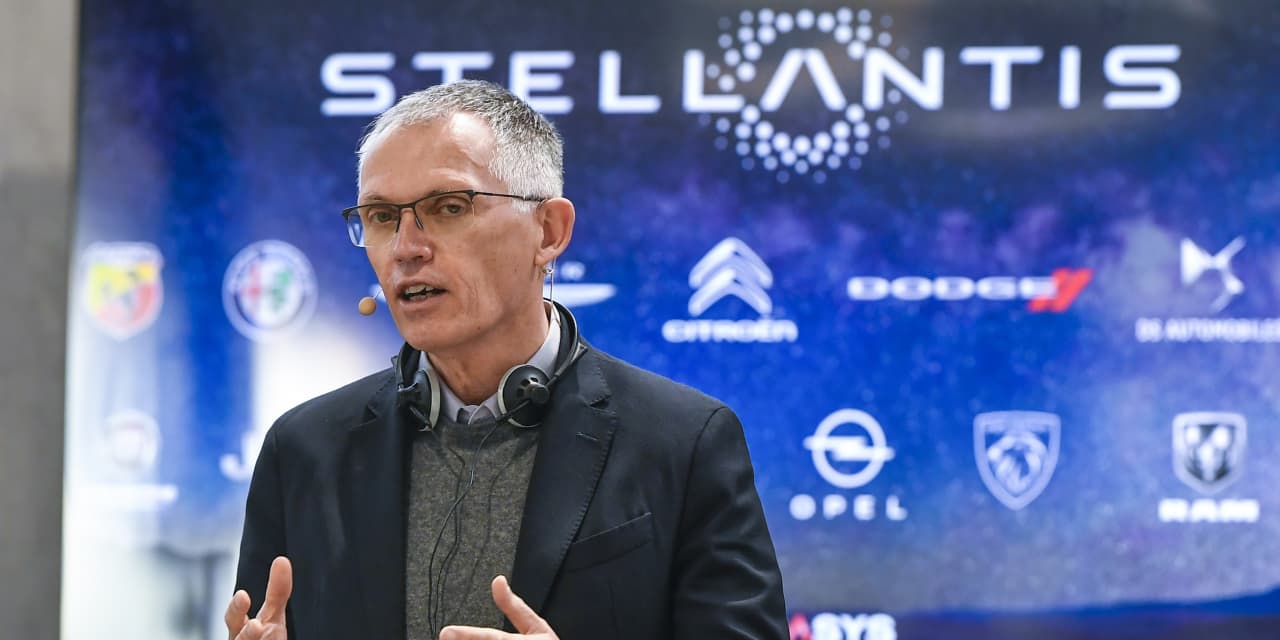
Stellantis, Wayve, and Uber Collaborate on Global Robotaxi Services

- MoU Signed: Stellantis, Wayve, and Uber have signed a non-binding memorandum of understanding to jointly explore the development and deployment of Level 4 (L4) driverless robotaxi services globally, marking a significant step in their strategic collaboration in the autonomous driving sector.
- Technological Integration: The agreement leverages Stellantis' vehicle manufacturing capabilities, Wayve's AI driving software, and Uber's mobility network, which is expected to accelerate the deployment of autonomous vehicles that meet customer needs and enable seamless mobility in everyday life.
- Framework for Future Agreements: Under the MoU, the parties will establish a framework for future agreements covering technology development, licensing, production, and vehicle procurement, ensuring collaboration and innovation in the autonomous driving sector.
- Market Expansion Plans: Uber will deploy the autonomous vehicles through its platform, allowing users to book driverless rides via the Uber app, with plans to expand autonomous mobility services across cities in Europe, North America, and other regions, further enhancing market competitiveness.
See More
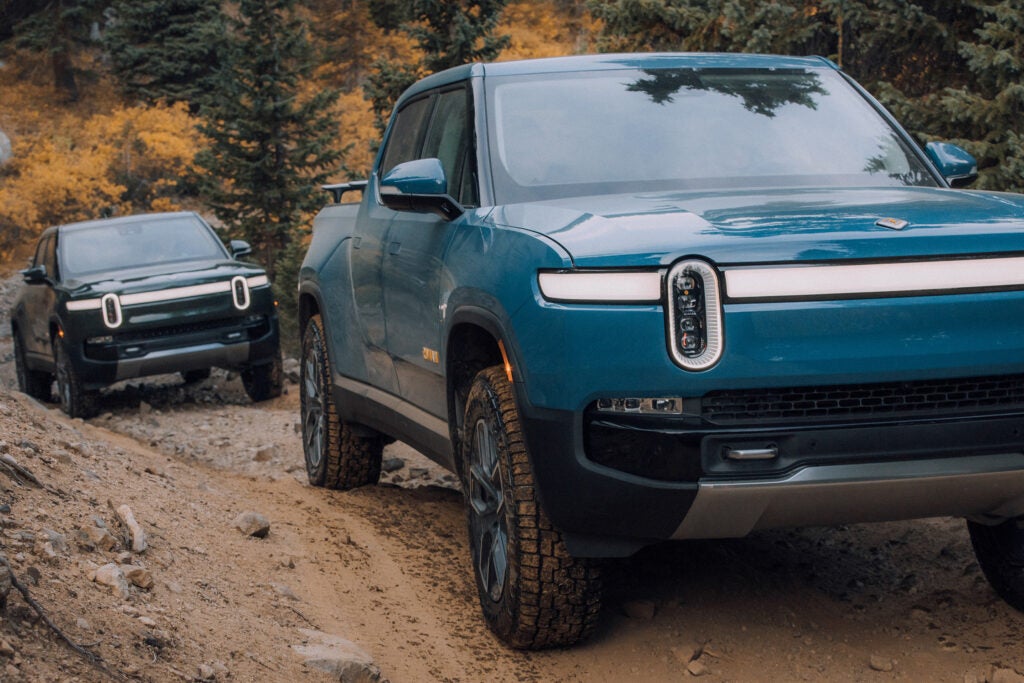
Amazon's Strategic Investment in Rivian: Future Prospects


- Investment Return Potential: Amazon's investment of over $700 million in Rivian, holding approximately 158.36 million shares, reflects its confidence in the electric vehicle market, anticipating reduced transportation costs through Rivian's electric delivery vans, thereby enhancing overall profitability.
- Strong Financial Performance: Rivian's first-quarter revenue increased by 11% year-over-year to $1.4 billion, despite a slowdown in the U.S. EV market, demonstrating its robust growth potential in a competitive landscape, which may attract more investor interest.
- New Model Launch: Rivian is launching the R2 model aimed at the midsize SUV market with a more appealing price point, and if successful, it could significantly increase its market share, particularly in competition with Tesla's Model Y.
- Autonomous Driving Partnership: Rivian's agreement with Uber to roll out self-driving taxis by 2028 could secure up to $1.25 billion in investments, further solidifying its leadership position in the autonomous vehicle market if successful.
See More
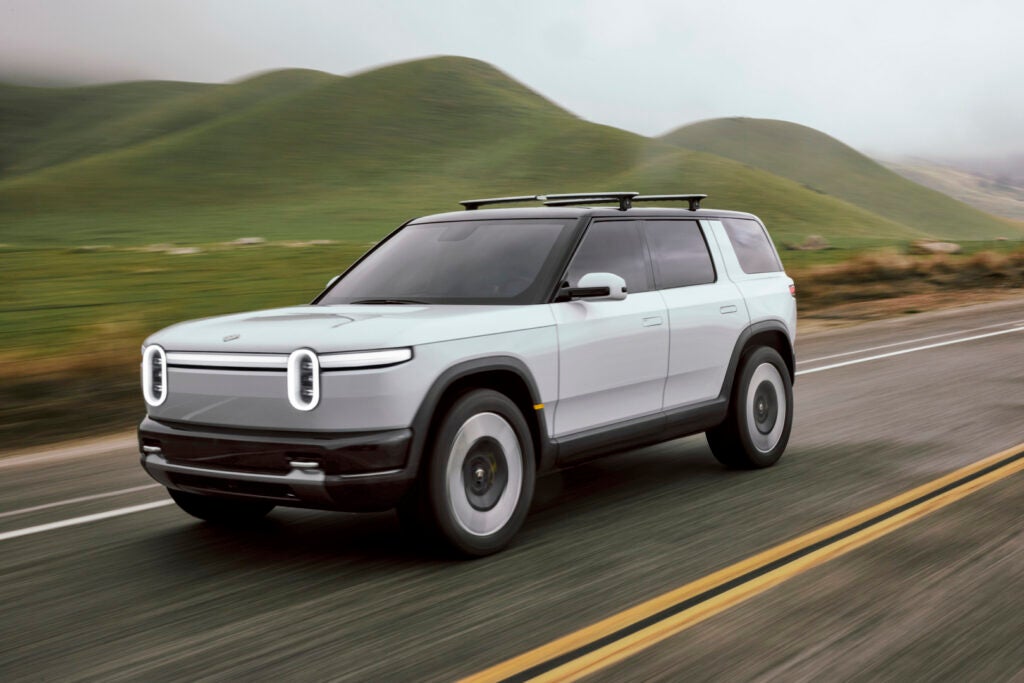
Amazon's Investment Outlook in Rivian
- Strong Financial Performance: Rivian's first-quarter revenue increased by 11% year-over-year to $1.4 billion, demonstrating resilience despite a slowdown in the U.S. EV market, which may attract more investor interest.
- New Model Launch: The upcoming R2 model from Rivian is priced more accessibly and aims to penetrate the midsize SUV market; if successful, it could significantly boost company revenue and market share, especially against Tesla's Model Y.
- Autonomous Driving Partnership: Rivian's deal with Uber to roll out self-driving robotaxis by 2028 could secure up to $1.25 billion in investments if timelines are met, further solidifying its leadership in the autonomous vehicle sector.
- Market Risk Considerations: Despite Rivian's growth potential, its stock has declined by 13% this year, primarily due to the EV market slowdown and risks associated with the R2 launch, prompting investors to carefully assess its long-term investment value.
See More

Turkish Competition Board Approves Uber's Acquisition of Getir Delivery Arm
- Acquisition Approval: The Turkish Competition Board approved Uber's acquisition of Getir's delivery arm on Friday, which will further solidify Uber's position in the Turkish market and enhance its competitiveness in the rapidly growing delivery sector.
- Investment Commitment: Uber's commitment to invest $500 million in Turkey is expected to create high-quality jobs, strengthen local engineering capabilities, and positively impact the development of Turkey's digital and technology infrastructure.
- Market Expansion: This acquisition allows Uber to expand its footprint in Turkey, further increasing its market share in the region and demonstrating its long-term commitment to the Turkish market.
- Strategic Implications: The transaction not only supports Uber's business growth in Turkey but may also drive the development of the local tech ecosystem, fostering innovation and technological advancement, thereby enhancing overall market competitiveness.
See More
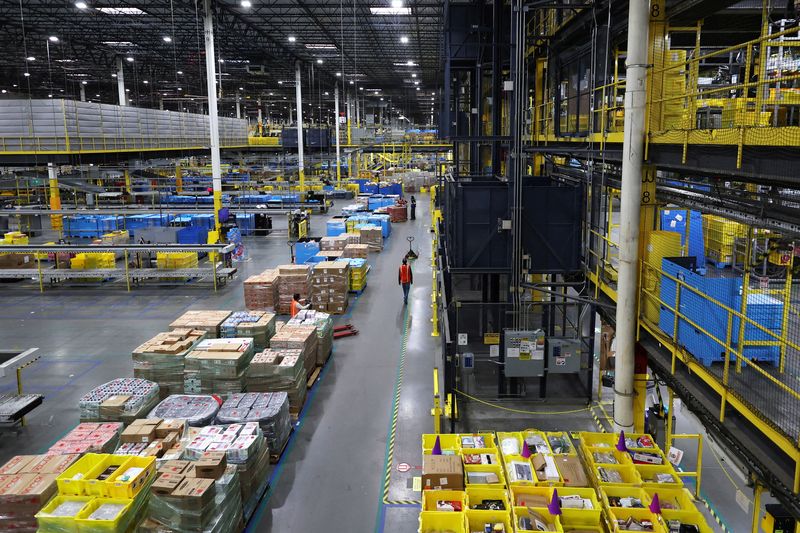
Amazon Plans to Sell Custom AI Chips, Competing with Nvidia

- Chip Sales Transformation: Amazon is in discussions to sell its custom Trainium accelerators to potential buyers, indicating a shift from solely renting through AWS to direct sales, which could challenge Nvidia's market dominance.
- Strong Market Demand: Amazon's Trainium business surpassed a $20 billion annual revenue run rate in Q1 2026, growing at a triple-digit pace, with major clients like OpenAI and Anthropic committed to using its chips, highlighting robust market demand.
- Clear Cost Advantage: Amazon argues that Trainium performs the same tasks at a lower cost than comparable GPUs, and external sales are not expected to cannibalize AWS demand, indicating its growing competitiveness in the AI computing sector.
- Positive Market Reaction: Although Amazon's plans could pressure Nvidia's pricing power, the market generally believes both can coexist, as evidenced by a 3% rise in stock prices for both companies on the day the news broke, reflecting investor optimism about market prospects.
See More
Turkish Competition Board Approves Uber's Acquisition of Getir
- Acquisition Approval: The Turkish Competition Board has approved Uber's acquisition of Getir's delivery arm, which will further expand Uber's market share in Turkey and enhance its local business influence.
- Investment Commitment: Uber's commitment to invest $500 million in Turkey is expected to support high-quality employment, enhance local engineering capabilities, and positively contribute to the development of Turkey's digital and technology infrastructure.
- Market Expansion: This acquisition not only strengthens Uber's operational footprint in Turkey but also leverages Getir's delivery network to improve service efficiency and meet the growing market demand.
- Strategic Significance: This transaction marks a significant step in Uber's global market expansion strategy, demonstrating its commitment to the Turkish market and helping to elevate its position in the highly competitive food delivery and logistics sector.
See More
Stellantis, Wayve, and Uber Collaborate on Global Robotaxi Services
- MoU Signed: Stellantis, Wayve, and Uber have signed a non-binding memorandum of understanding to jointly explore the development and deployment of Level 4 (L4) driverless robotaxi services globally, marking a significant step in their strategic collaboration in the autonomous driving sector.
- Technological Integration: The agreement leverages Stellantis' vehicle manufacturing capabilities, Wayve's AI driving software, and Uber's mobility network, which is expected to accelerate the deployment of autonomous vehicles that meet customer needs and enable seamless mobility in everyday life.
- Framework for Future Agreements: Under the MoU, the parties will establish a framework for future agreements covering technology development, licensing, production, and vehicle procurement, ensuring collaboration and innovation in the autonomous driving sector.
- Market Expansion Plans: Uber will deploy the autonomous vehicles through its platform, allowing users to book driverless rides via the Uber app, with plans to expand autonomous mobility services across cities in Europe, North America, and other regions, further enhancing market competitiveness.
See More
Amazon's Strategic Investment in Rivian: Future Prospects
- Investment Return Potential: Amazon's investment of over $700 million in Rivian, holding approximately 158.36 million shares, reflects its confidence in the electric vehicle market, anticipating reduced transportation costs through Rivian's electric delivery vans, thereby enhancing overall profitability.
- Strong Financial Performance: Rivian's first-quarter revenue increased by 11% year-over-year to $1.4 billion, despite a slowdown in the U.S. EV market, demonstrating its robust growth potential in a competitive landscape, which may attract more investor interest.
- New Model Launch: Rivian is launching the R2 model aimed at the midsize SUV market with a more appealing price point, and if successful, it could significantly increase its market share, particularly in competition with Tesla's Model Y.
- Autonomous Driving Partnership: Rivian's agreement with Uber to roll out self-driving taxis by 2028 could secure up to $1.25 billion in investments, further solidifying its leadership position in the autonomous vehicle market if successful.
See More
Amazon's Investment Outlook in Rivian
- Strong Financial Performance: Rivian's first-quarter revenue increased by 11% year-over-year to $1.4 billion, demonstrating resilience despite a slowdown in the U.S. EV market, which may attract more investor interest.
- New Model Launch: The upcoming R2 model from Rivian is priced more accessibly and aims to penetrate the midsize SUV market; if successful, it could significantly boost company revenue and market share, especially against Tesla's Model Y.
- Autonomous Driving Partnership: Rivian's deal with Uber to roll out self-driving robotaxis by 2028 could secure up to $1.25 billion in investments if timelines are met, further solidifying its leadership in the autonomous vehicle sector.
- Market Risk Considerations: Despite Rivian's growth potential, its stock has declined by 13% this year, primarily due to the EV market slowdown and risks associated with the R2 launch, prompting investors to carefully assess its long-term investment value.
See More
Turkish Competition Board Approves Uber's Acquisition of Getir Delivery Arm
- Acquisition Approval: The Turkish Competition Board approved Uber's acquisition of Getir's delivery arm on Friday, which will further solidify Uber's position in the Turkish market and enhance its competitiveness in the rapidly growing delivery sector.
- Investment Commitment: Uber's commitment to invest $500 million in Turkey is expected to create high-quality jobs, strengthen local engineering capabilities, and positively impact the development of Turkey's digital and technology infrastructure.
- Market Expansion: This acquisition allows Uber to expand its footprint in Turkey, further increasing its market share in the region and demonstrating its long-term commitment to the Turkish market.
- Strategic Implications: The transaction not only supports Uber's business growth in Turkey but may also drive the development of the local tech ecosystem, fostering innovation and technological advancement, thereby enhancing overall market competitiveness.
See More
Amazon Plans to Sell Custom AI Chips, Competing with Nvidia
- Chip Sales Transformation: Amazon is in discussions to sell its custom Trainium accelerators to potential buyers, indicating a shift from solely renting through AWS to direct sales, which could challenge Nvidia's market dominance.
- Strong Market Demand: Amazon's Trainium business surpassed a $20 billion annual revenue run rate in Q1 2026, growing at a triple-digit pace, with major clients like OpenAI and Anthropic committed to using its chips, highlighting robust market demand.
- Clear Cost Advantage: Amazon argues that Trainium performs the same tasks at a lower cost than comparable GPUs, and external sales are not expected to cannibalize AWS demand, indicating its growing competitiveness in the AI computing sector.
- Positive Market Reaction: Although Amazon's plans could pressure Nvidia's pricing power, the market generally believes both can coexist, as evidenced by a 3% rise in stock prices for both companies on the day the news broke, reflecting investor optimism about market prospects.
See More





