Strait of Hormuz Shipping Disruptions Drive Oil Tanker Costs to Record Highs
Written by Emily J. Thompson, Senior Investment Analyst
Updated: Mar 03 2026
0mins

Should l Buy INSW?
Source: CNBC
- Shipping Costs Surge: Due to the conflict between the U.S. and Iran, shipping through the Strait of Hormuz has been severely disrupted, with Very Large Crude Carriers (VLCC) reaching a record daily rate of $423,736, representing an increase of over 94% from last Friday, directly impacting transportation costs in the global energy market.
- Insurance Coverage Canceled: Major marine insurers have scrapped war risk coverage for vessels operating in the Middle East, leading to increased risks for shipowners navigating the Strait of Hormuz, despite the waterway not being officially closed, which will further exacerbate shipping costs and supply delays.
- Global Energy Prices Rise: With shipping disruptions, global oil and gas prices have significantly increased, expected to create ripple effects in international markets, especially affecting the one-third of seaborne crude oil and 19% of liquefied natural gas flows that transit through the Strait of Hormuz.
- Shipping Companies' Response: Shipping giants, including Maersk, have suspended special cargo acceptance in the UAE, Oman, and other regions, indicating that shipping companies are prioritizing safety amid deteriorating security conditions, which may lead to decreased liquidity in global trade.
Trade with 70% Backtested Accuracy
Stop guessing "Should I Buy INSW?" and start using high-conviction signals backed by rigorous historical data.
Sign up today to access powerful investing tools and make smarter, data-driven decisions.
Analyst Views on INSW
Wall Street analysts forecast INSW stock price to fall
3 Analyst Rating
2 Buy
1 Hold
0 Sell
Moderate Buy
Current: 72.230

Low
57.00
Averages
58.00
High
60.00
Current: 72.230
Low
57.00
Averages
58.00
High
60.00
About INSW
International Seaways, Inc. is a tanker company engaged in providing energy transportation services for crude oil and petroleum products in international flag markets. The Company operates through two segments: Crude Tankers and Product Carriers. The Crude Tankers segment is made up of a fleet of VLCCs, Suezmaxes, and Aframaxes engaged in the worldwide transportation of crude oil. This segment also includes its Crude Tankers Lightering business through which it provides ship-to-ship (STS) lightering support services and full-service STS lightering to customers in the United States Gulf (USG), United States Pacific, Grand Bahama, and Panama regions. The Product Carriers segment consists of a fleet of MRs, LR1 product carriers, and an LR2 product carrier engaged in the worldwide transportation of refined petroleum products. It owns and operates a fleet of about 84 vessels, including 11 VLCCs, 13 Suezmaxes, five Aframaxes/LR2s, 14 LR1s (including six new buildings), and 41 MR tankers.
About the author

Emily J. Thompson
Emily J. Thompson, a Chartered Financial Analyst (CFA) with 12 years in investment research, graduated with honors from the Wharton School. Specializing in industrial and technology stocks, she provides in-depth analysis for Intellectia’s earnings and market brief reports.
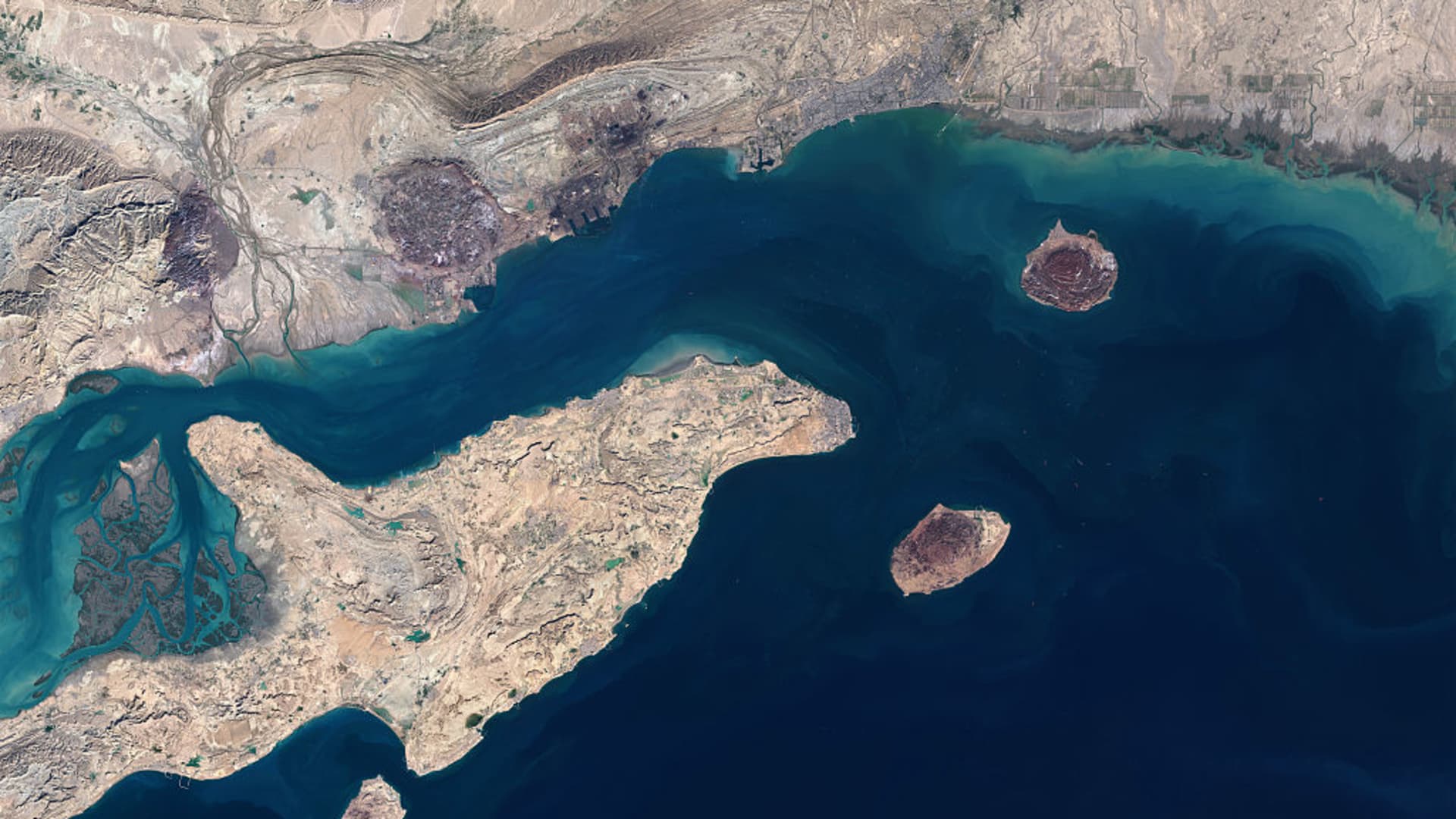
Iran Establishes Toll Corridor in Strait of Hormuz Amid Shipping Crisis
- Shipping Corridor Control: Iran has established a de facto safe shipping corridor near Larak Island in the Strait of Hormuz, resulting in a 90% drop in traffic since February 28, which has caused one of the most severe energy supply shocks globally.
- Toll System Implementation: The Iranian parliament passed a bill to impose fees on vessels transiting the strait, a move that, despite international legal disputes, would institutionalize Tehran's financial control over this critical waterway.
- Selective Passage: All 57 transits recorded since March 13 have taken the Larak detour, indicating strict vetting by the IRGC, which prioritizes vessels from countries with friendly relations, thereby increasing uncertainty in international shipping.
- International Response: While Iran claims the right to charge transit fees, legal experts argue that such unilateral measures may face strong diplomatic and legal challenges under the framework of the United Nations Convention on the Law of the Sea.
See More

GPS Disruptions Surge Amid Middle East Conflict


- Surge in GPS Disruptions: Following the U.S. and Israel's pre-emptive strikes against Iran on February 28, GPS disruptions have surged in the Middle East, with over 1,100 vessels experiencing AIS signal interference within the first 24 hours, affecting maritime, aviation, and land transportation while exposing vulnerabilities in the American-made satellite navigation system.
- Reasons for Interference: Analysts suggest that Gulf states may be jamming satellite navigation signals to protect critical infrastructure from drone and missile attacks, a tactic increasingly common in modern warfare, as evidenced by similar disruptions following Russia's invasion of Ukraine in 2022.
- Impact on Shipping: Despite the significant reduction in shipping activity due to the blockage of the Strait of Hormuz, foreign-flagged vessels from countries like China and India still have transit rights, making accurate positioning data crucial for avoiding collisions and grounding risks in the narrow strait, which measures only 21 miles (33 km) at its narrowest point.
- Emerging Technology Trends: As GPS signal jamming intensifies, industry experts highlight the vulnerabilities of satellite navigation systems, noting that modern chips can receive signals from multiple global navigation systems, with Iran potentially utilizing China's BeiDou, posing a challenge to U.S. strategic dominance in global navigation.
See More

International Seaways CFO Sells Shares Amid Strong Performance

- Executive Stock Sale: International Seaways' CFO James Small sold 20,000 shares for approximately $1.5 million, marking the largest transaction in his open-market sale history since mid-2024, reflecting confidence in the company's strong market performance.
- Ownership Proportion Change: This sale reduced Small's direct holdings from 56,376 to 36,376 shares, leaving him with about $2.7 million in equity, indicating a trend of gradual divestment while maintaining significant stake value.
- Strong Market Performance: On the day of the sale, International Seaways' stock had returned 124% over the past year, highlighting robust performance in the global energy market and a resilient business model.
- Shareholder Return Policy: The company reported a net income of $128 million for Q4 2025 and declared a quarterly dividend of $2.15 per share, demonstrating a commitment to returning capital to shareholders and bolstering investor confidence.
See More

International Seaways Stock Trend Analysis
- Price Uptrend: International Seaways (INSW) has seen a 49% increase in stock price over the past 12 weeks, reflecting investors' sustained willingness to pay more for its potential upside, indicating strong short-term performance prospects.
- Short-Term Price Stability: The stock has gained 6.7% in the last four weeks, further confirming the continuity of its price trend and reducing the risk of a short-term reversal, which enhances investor confidence.
- High Trading Signal: Currently, INSW is trading at 86.7% of its 52-week high-low range, suggesting that the stock may be on the verge of a breakout, attracting more investor attention and potentially driving further price increases.
- Strong Fundamental Support: With a Zacks Rank of #1 (Strong Buy), INSW ranks in the top 5% of over 4,000 stocks, indicating that factors like earnings estimate revisions and EPS surprises positively impact its stock price, suggesting promising investment returns ahead.
See More
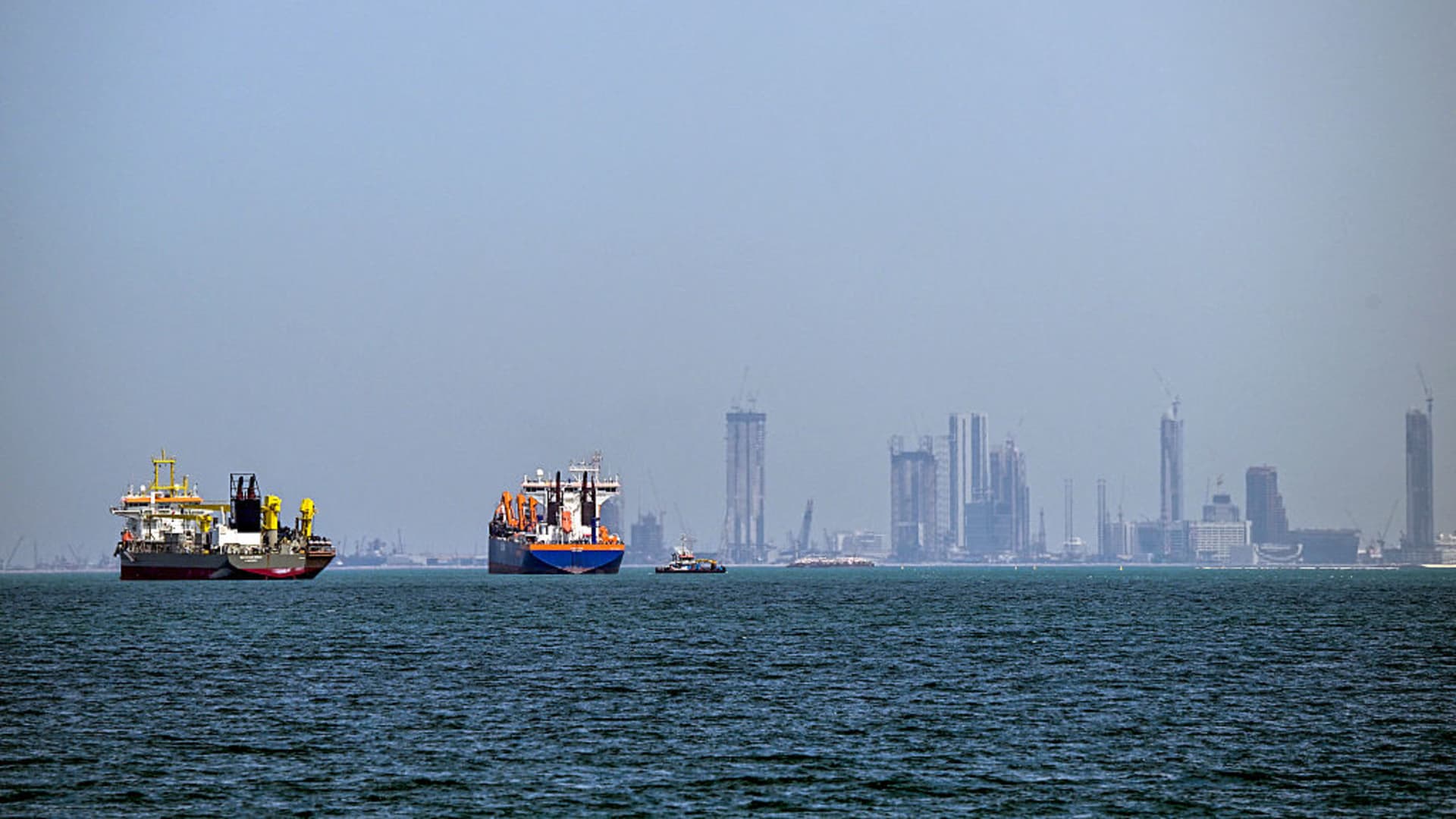
Strait of Hormuz Blockade Raises Global Oil Supply Concerns

- Shipping Traffic Plummets: Since the onset of the conflict on February 28, only 21 tankers have transited the Strait of Hormuz, a drastic drop from over 100 daily before the war, potentially leading to soaring global oil prices and a supply crisis.
- Chinese Vessel Transit: During the conflict, 11 China-linked vessels successfully navigated the Strait, despite state-owned Cosco Shipping suspending new bookings, indicating a strategic shift in China's shipping approach to mitigate risks in the region.
- Random Attacks Heighten Uncertainty: The International Maritime Organization reports that at least 16 vessels have been struck near the UAE and Iraq, with attacks lacking a discernible pattern, increasing shipping uncertainty and forcing shipowners to seek alternative routes.
- Congestion on Alternative Routes: At the war's onset, 81 container ships were bound for the Strait, with 43 rerouting to other ports, causing significant congestion in alternative hubs like Fujairah and Sohar, thereby impacting global supply chain efficiency.
See More

U.S. Navy to Escort Vessels Through Strait of Hormuz


- Escort Plan Initiation: Treasury Secretary Scott Bessent announced that the U.S. Navy will begin escorting vessels through the Strait of Hormuz as soon as militarily feasible, highlighting the U.S. commitment to ensuring the safe passage of oil tankers, which could influence global oil price trends.
- Oil Price Volatility: The closure of the Strait due to the U.S.-Israel conflict with Iran has led to a spike in crude oil prices, and Bessent's comments may alleviate market concerns about further price increases, thereby boosting investor confidence.
- International Cooperation Outlook: Bessent mentioned the potential for collaboration with an international coalition for escorting vessels, a strategic move that not only enhances U.S. influence in the Middle East but may also encourage other nations to participate in securing global energy transportation.
- Air Control Advantage: Bessent emphasized the U.S. air superiority in the region, noting that the Iranian Navy has been significantly weakened, which provides favorable conditions for U.S. Navy escorts to ensure the safe passage of tankers through the Strait of Hormuz.
See More
Iran Establishes Toll Corridor in Strait of Hormuz Amid Shipping Crisis
- Shipping Corridor Control: Iran has established a de facto safe shipping corridor near Larak Island in the Strait of Hormuz, resulting in a 90% drop in traffic since February 28, which has caused one of the most severe energy supply shocks globally.
- Toll System Implementation: The Iranian parliament passed a bill to impose fees on vessels transiting the strait, a move that, despite international legal disputes, would institutionalize Tehran's financial control over this critical waterway.
- Selective Passage: All 57 transits recorded since March 13 have taken the Larak detour, indicating strict vetting by the IRGC, which prioritizes vessels from countries with friendly relations, thereby increasing uncertainty in international shipping.
- International Response: While Iran claims the right to charge transit fees, legal experts argue that such unilateral measures may face strong diplomatic and legal challenges under the framework of the United Nations Convention on the Law of the Sea.
See More
GPS Disruptions Surge Amid Middle East Conflict
- Surge in GPS Disruptions: Following the U.S. and Israel's pre-emptive strikes against Iran on February 28, GPS disruptions have surged in the Middle East, with over 1,100 vessels experiencing AIS signal interference within the first 24 hours, affecting maritime, aviation, and land transportation while exposing vulnerabilities in the American-made satellite navigation system.
- Reasons for Interference: Analysts suggest that Gulf states may be jamming satellite navigation signals to protect critical infrastructure from drone and missile attacks, a tactic increasingly common in modern warfare, as evidenced by similar disruptions following Russia's invasion of Ukraine in 2022.
- Impact on Shipping: Despite the significant reduction in shipping activity due to the blockage of the Strait of Hormuz, foreign-flagged vessels from countries like China and India still have transit rights, making accurate positioning data crucial for avoiding collisions and grounding risks in the narrow strait, which measures only 21 miles (33 km) at its narrowest point.
- Emerging Technology Trends: As GPS signal jamming intensifies, industry experts highlight the vulnerabilities of satellite navigation systems, noting that modern chips can receive signals from multiple global navigation systems, with Iran potentially utilizing China's BeiDou, posing a challenge to U.S. strategic dominance in global navigation.
See More
International Seaways CFO Sells Shares Amid Strong Performance
- Executive Stock Sale: International Seaways' CFO James Small sold 20,000 shares for approximately $1.5 million, marking the largest transaction in his open-market sale history since mid-2024, reflecting confidence in the company's strong market performance.
- Ownership Proportion Change: This sale reduced Small's direct holdings from 56,376 to 36,376 shares, leaving him with about $2.7 million in equity, indicating a trend of gradual divestment while maintaining significant stake value.
- Strong Market Performance: On the day of the sale, International Seaways' stock had returned 124% over the past year, highlighting robust performance in the global energy market and a resilient business model.
- Shareholder Return Policy: The company reported a net income of $128 million for Q4 2025 and declared a quarterly dividend of $2.15 per share, demonstrating a commitment to returning capital to shareholders and bolstering investor confidence.
See More
International Seaways Stock Trend Analysis
- Price Uptrend: International Seaways (INSW) has seen a 49% increase in stock price over the past 12 weeks, reflecting investors' sustained willingness to pay more for its potential upside, indicating strong short-term performance prospects.
- Short-Term Price Stability: The stock has gained 6.7% in the last four weeks, further confirming the continuity of its price trend and reducing the risk of a short-term reversal, which enhances investor confidence.
- High Trading Signal: Currently, INSW is trading at 86.7% of its 52-week high-low range, suggesting that the stock may be on the verge of a breakout, attracting more investor attention and potentially driving further price increases.
- Strong Fundamental Support: With a Zacks Rank of #1 (Strong Buy), INSW ranks in the top 5% of over 4,000 stocks, indicating that factors like earnings estimate revisions and EPS surprises positively impact its stock price, suggesting promising investment returns ahead.
See More
Strait of Hormuz Blockade Raises Global Oil Supply Concerns
- Shipping Traffic Plummets: Since the onset of the conflict on February 28, only 21 tankers have transited the Strait of Hormuz, a drastic drop from over 100 daily before the war, potentially leading to soaring global oil prices and a supply crisis.
- Chinese Vessel Transit: During the conflict, 11 China-linked vessels successfully navigated the Strait, despite state-owned Cosco Shipping suspending new bookings, indicating a strategic shift in China's shipping approach to mitigate risks in the region.
- Random Attacks Heighten Uncertainty: The International Maritime Organization reports that at least 16 vessels have been struck near the UAE and Iraq, with attacks lacking a discernible pattern, increasing shipping uncertainty and forcing shipowners to seek alternative routes.
- Congestion on Alternative Routes: At the war's onset, 81 container ships were bound for the Strait, with 43 rerouting to other ports, causing significant congestion in alternative hubs like Fujairah and Sohar, thereby impacting global supply chain efficiency.
See More
U.S. Navy to Escort Vessels Through Strait of Hormuz
- Escort Plan Initiation: Treasury Secretary Scott Bessent announced that the U.S. Navy will begin escorting vessels through the Strait of Hormuz as soon as militarily feasible, highlighting the U.S. commitment to ensuring the safe passage of oil tankers, which could influence global oil price trends.
- Oil Price Volatility: The closure of the Strait due to the U.S.-Israel conflict with Iran has led to a spike in crude oil prices, and Bessent's comments may alleviate market concerns about further price increases, thereby boosting investor confidence.
- International Cooperation Outlook: Bessent mentioned the potential for collaboration with an international coalition for escorting vessels, a strategic move that not only enhances U.S. influence in the Middle East but may also encourage other nations to participate in securing global energy transportation.
- Air Control Advantage: Bessent emphasized the U.S. air superiority in the region, noting that the Iranian Navy has been significantly weakened, which provides favorable conditions for U.S. Navy escorts to ensure the safe passage of tankers through the Strait of Hormuz.
See More