Stock Performance Comparison: PANW vs. ORLY
Written by Emily J. Thompson, Senior Investment Analyst
Updated: 15 hours ago
0mins
Source: NASDAQ.COM
- Price Movement: As of midday Thursday, PANW's stock is up approximately 3.1%, indicating a positive market sentiment towards its future performance, which may reflect investor confidence in its growth potential.
- ORLY Decline: In contrast, ORLY's stock is down about 0.7%, suggesting potential market concerns regarding its recent performance or outlook, which could impact investor confidence and future financing capabilities.
- Market Comparison: The differing stock performances may reflect varying market dynamics within their respective industries, prompting investors to monitor fundamental changes for more informed investment decisions.
- Investor Sentiment: The rise in PANW may attract more investor interest, while ORLY's decline could lead to capital outflows, affecting shareholder returns and market positioning.
Trade with 70% Backtested Accuracy
Stop guessing "Should I Buy PANW?" and start using high-conviction signals backed by rigorous historical data.
Sign up today to access powerful investing tools and make smarter, data-driven decisions.
Analyst Views on PANW
Wall Street analysts forecast PANW stock price to fall
34 Analyst Rating
28 Buy
5 Hold
1 Sell
Strong Buy
Current: 320.590

Low
157.00
Averages
232.49
High
265.00
Current: 320.590
Low
157.00
Averages
232.49
High
265.00
About PANW
Palo Alto Networks, Inc. is a global artificial intelligence (AI) cybersecurity company, with a comprehensive portfolio of cybersecurity solutions and platforms across network, cloud, security operations, AI and Identity. Its network security platform includes Secure Access Service Edge (SASE), Next-Generation Firewalls, Cloud Delivered Security Services (CDSS), Prisma AIRS, and Strata Cloud Manager (SCM). It delivers security operations capabilities that unifies standalone Security Information and Event Management (SIEM) tools, endpoint security, security automation, cloud detection and response (CDR), as well as attack surface management (ASM) capabilities on its Cortex platform. It delivers comprehensive security across the cloud application development lifecycle through Cortex Cloud. Its Unit 42 brings together expertise across threat research, incident response, and security consulting to deliver intelligence-driven, response-ready outcomes that help customers reduce cyber risk.
About the author

Emily J. Thompson
Emily J. Thompson, a Chartered Financial Analyst (CFA) with 12 years in investment research, graduated with honors from the Wharton School. Specializing in industrial and technology stocks, she provides in-depth analysis for Intellectia’s earnings and market brief reports.

U.S. Stocks Close Higher as Chipmakers Rebound


- Chipmaker Rebound: U.S. stock indices rose as chipmaker stocks rebounded sharply ahead of SK Hynix's Nasdaq debut on July 10, with the S&P 500 up 0.8%, Nasdaq 100 up 1.3%, and Dow Jones Industrial Average up 0.3%, indicating a renewed confidence in tech stocks.
- Strong ETF Performance: Among ETFs tracking benchmark indices, the SPDR S&P 500 ETF (SPY) gained 0.8%, Invesco QQQ Trust (QQQ) rose about 1.6%, and the SPDR Dow Jones Industrial Average ETF Trust (DIA) increased by 0.3%, reflecting sustained investor optimism towards technology stocks.
- Optimistic Market Sentiment: Retail sentiment on Stocktwits for SPY, QQQ, and DIA was between 'extremely bullish' and 'bullish' zones with normal to high message volumes, showcasing investor focus on the upcoming earnings season despite ongoing geopolitical risks.
- Rating Downgrade Impact: S&P Global Ratings downgraded Oracle Corp. to the lowest investment-grade rating, which may negatively impact its stock price, prompting investors to monitor its future performance to assess potential risks.
See More
Enterprise AI Tools Face Pricing Pressures

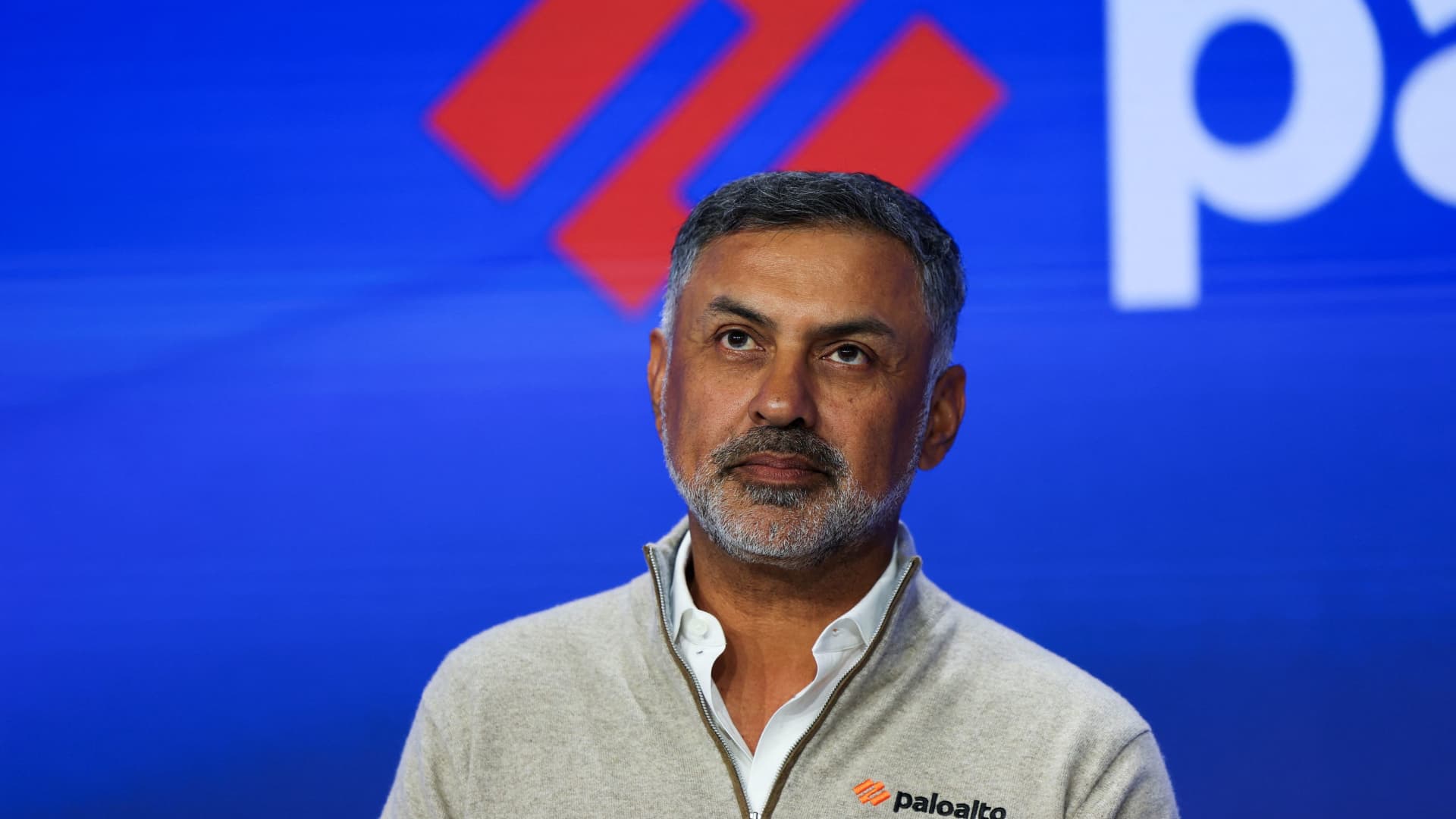
- Demand for Price Reduction: Nikesh Arora, CEO of Palo Alto Networks, stated that while there is immense demand for AI tools, the current infrastructure costs are too high, necessitating a price drop of up to 90% over the next two years for sustainable enterprise adoption.
- Efficiency Gains vs. Cost Issues: Although OpenAI's new models have achieved a 54% increase in token efficiency for complex tasks, Arora emphasized that token pricing models must compress further to meet enterprise needs, projecting a reduction to 20% of current prices within 12 months.
- Pressure on Enterprise Spending: As enterprise AI expenditures escalate, many organizations are seeking cheaper alternatives, including options from China, indicating a pressing need for businesses to either optimize existing investments or explore new avenues.
- Market Reaction: Following the announcement, Palo Alto's stock rose about 5%, while Alphabet's share price fell approximately 1.5%, reflecting market attention and reaction to the anticipated adjustments in AI tool pricing.
See More
Palo Alto Networks CEO Calls for AI Token Cost Reductions

- AI Cost Pressure: Palo Alto Networks CEO Nikesh Arora highlighted that the current high costs of AI tokens pose significant barriers for businesses looking to implement AI tools, emphasizing the urgent need for price reductions to promote widespread adoption.
- Efficiency Targets: Arora noted that OpenAI's latest model has achieved a 54% increase in token efficiency, but he believes that efficiency must drop to 20% within the next year and 90% by the following year to support large-scale AI applications.
- Market Response: As AI spending accelerates, businesses are turning to cheaper open-weight tools, particularly Chinese models that are quickly closing the gap with American labs, reflecting dissatisfaction with high token costs in the market.
- Budget Adjustment Expectations: Arora stated that companies will gradually adapt to the market, and as technology becomes more efficient, budgets will also decline, even though the demand for AI remains infinite, suggesting that the market will rationalize over time.
See More
High Token Costs Hinder AI Adoption in Enterprises
- Token Cost Warning: Palo Alto Networks CEO Nikesh Arora stated that high token costs need to decrease by as much as 90% to alleviate budget pressures and promote widespread enterprise adoption of AI technologies.
- Efficiency Gains: OpenAI CEO Sam Altman noted that their latest model is 54% more token-efficient for agentic coding, yet Arora believes further reductions to 20% are necessary to meet enterprise demands effectively.
- Industry Response: A growing number of executives, including Palantir's Alex Karp, are advocating for lower token costs, arguing that high expenses are a significant barrier to enterprise utilization of AI tools, pushing companies towards cheaper open-weight alternatives.
- Market Trends: Despite soaring token costs, AI investments are accelerating, with tech giants like SpaceX and Amazon raising $25 billion each to support infrastructure development, indicating a persistent strong demand for AI solutions.
See More

Stock Performance Comparison: PANW vs. ORLY

- Price Movement: As of midday Thursday, PANW's stock is up approximately 3.1%, indicating a positive market sentiment towards its future performance, which may reflect investor confidence in its growth potential.
- ORLY Decline: In contrast, ORLY's stock is down about 0.7%, suggesting potential market concerns regarding its recent performance or outlook, which could impact investor confidence and future financing capabilities.
- Market Comparison: The differing stock performances may reflect varying market dynamics within their respective industries, prompting investors to monitor fundamental changes for more informed investment decisions.
- Investor Sentiment: The rise in PANW may attract more investor interest, while ORLY's decline could lead to capital outflows, affecting shareholder returns and market positioning.
See More

Cybersecurity Stocks Surge in 2026


- Strong Market Performance: As of the afternoon of July 6, 2026, cybersecurity stock prices have significantly surged, reflecting strong investor confidence in the industry's future growth, which is expected to attract more capital inflows.
- Soaring Industry Demand: With the increasing frequency of cyberattacks, the demand for cybersecurity solutions among enterprises has surged, driving performance growth for related companies and further solidifying their market positions.
- Innovation Driving Growth: Cybersecurity firms are continuously launching new technologies and solutions to address increasingly complex cyber threats, which not only enhances customer satisfaction but also strengthens the companies' competitive advantages.
- Increased Investor Interest: Analysts are generally optimistic about the prospects of the cybersecurity industry, anticipating that it will continue to attract investor attention in the coming years, driving stock prices even higher.
See More
U.S. Stocks Close Higher as Chipmakers Rebound
- Chipmaker Rebound: U.S. stock indices rose as chipmaker stocks rebounded sharply ahead of SK Hynix's Nasdaq debut on July 10, with the S&P 500 up 0.8%, Nasdaq 100 up 1.3%, and Dow Jones Industrial Average up 0.3%, indicating a renewed confidence in tech stocks.
- Strong ETF Performance: Among ETFs tracking benchmark indices, the SPDR S&P 500 ETF (SPY) gained 0.8%, Invesco QQQ Trust (QQQ) rose about 1.6%, and the SPDR Dow Jones Industrial Average ETF Trust (DIA) increased by 0.3%, reflecting sustained investor optimism towards technology stocks.
- Optimistic Market Sentiment: Retail sentiment on Stocktwits for SPY, QQQ, and DIA was between 'extremely bullish' and 'bullish' zones with normal to high message volumes, showcasing investor focus on the upcoming earnings season despite ongoing geopolitical risks.
- Rating Downgrade Impact: S&P Global Ratings downgraded Oracle Corp. to the lowest investment-grade rating, which may negatively impact its stock price, prompting investors to monitor its future performance to assess potential risks.
See More
Enterprise AI Tools Face Pricing Pressures
- Demand for Price Reduction: Nikesh Arora, CEO of Palo Alto Networks, stated that while there is immense demand for AI tools, the current infrastructure costs are too high, necessitating a price drop of up to 90% over the next two years for sustainable enterprise adoption.
- Efficiency Gains vs. Cost Issues: Although OpenAI's new models have achieved a 54% increase in token efficiency for complex tasks, Arora emphasized that token pricing models must compress further to meet enterprise needs, projecting a reduction to 20% of current prices within 12 months.
- Pressure on Enterprise Spending: As enterprise AI expenditures escalate, many organizations are seeking cheaper alternatives, including options from China, indicating a pressing need for businesses to either optimize existing investments or explore new avenues.
- Market Reaction: Following the announcement, Palo Alto's stock rose about 5%, while Alphabet's share price fell approximately 1.5%, reflecting market attention and reaction to the anticipated adjustments in AI tool pricing.
See More
Palo Alto Networks CEO Calls for AI Token Cost Reductions
- AI Cost Pressure: Palo Alto Networks CEO Nikesh Arora highlighted that the current high costs of AI tokens pose significant barriers for businesses looking to implement AI tools, emphasizing the urgent need for price reductions to promote widespread adoption.
- Efficiency Targets: Arora noted that OpenAI's latest model has achieved a 54% increase in token efficiency, but he believes that efficiency must drop to 20% within the next year and 90% by the following year to support large-scale AI applications.
- Market Response: As AI spending accelerates, businesses are turning to cheaper open-weight tools, particularly Chinese models that are quickly closing the gap with American labs, reflecting dissatisfaction with high token costs in the market.
- Budget Adjustment Expectations: Arora stated that companies will gradually adapt to the market, and as technology becomes more efficient, budgets will also decline, even though the demand for AI remains infinite, suggesting that the market will rationalize over time.
See More
High Token Costs Hinder AI Adoption in Enterprises
- Token Cost Warning: Palo Alto Networks CEO Nikesh Arora stated that high token costs need to decrease by as much as 90% to alleviate budget pressures and promote widespread enterprise adoption of AI technologies.
- Efficiency Gains: OpenAI CEO Sam Altman noted that their latest model is 54% more token-efficient for agentic coding, yet Arora believes further reductions to 20% are necessary to meet enterprise demands effectively.
- Industry Response: A growing number of executives, including Palantir's Alex Karp, are advocating for lower token costs, arguing that high expenses are a significant barrier to enterprise utilization of AI tools, pushing companies towards cheaper open-weight alternatives.
- Market Trends: Despite soaring token costs, AI investments are accelerating, with tech giants like SpaceX and Amazon raising $25 billion each to support infrastructure development, indicating a persistent strong demand for AI solutions.
See More
Stock Performance Comparison: PANW vs. ORLY
- Price Movement: As of midday Thursday, PANW's stock is up approximately 3.1%, indicating a positive market sentiment towards its future performance, which may reflect investor confidence in its growth potential.
- ORLY Decline: In contrast, ORLY's stock is down about 0.7%, suggesting potential market concerns regarding its recent performance or outlook, which could impact investor confidence and future financing capabilities.
- Market Comparison: The differing stock performances may reflect varying market dynamics within their respective industries, prompting investors to monitor fundamental changes for more informed investment decisions.
- Investor Sentiment: The rise in PANW may attract more investor interest, while ORLY's decline could lead to capital outflows, affecting shareholder returns and market positioning.
See More
Cybersecurity Stocks Surge in 2026
- Strong Market Performance: As of the afternoon of July 6, 2026, cybersecurity stock prices have significantly surged, reflecting strong investor confidence in the industry's future growth, which is expected to attract more capital inflows.
- Soaring Industry Demand: With the increasing frequency of cyberattacks, the demand for cybersecurity solutions among enterprises has surged, driving performance growth for related companies and further solidifying their market positions.
- Innovation Driving Growth: Cybersecurity firms are continuously launching new technologies and solutions to address increasingly complex cyber threats, which not only enhances customer satisfaction but also strengthens the companies' competitive advantages.
- Increased Investor Interest: Analysts are generally optimistic about the prospects of the cybersecurity industry, anticipating that it will continue to attract investor attention in the coming years, driving stock prices even higher.
See More