Stock Futures Lower Across the Board as Geopolitical Tensions Escalate


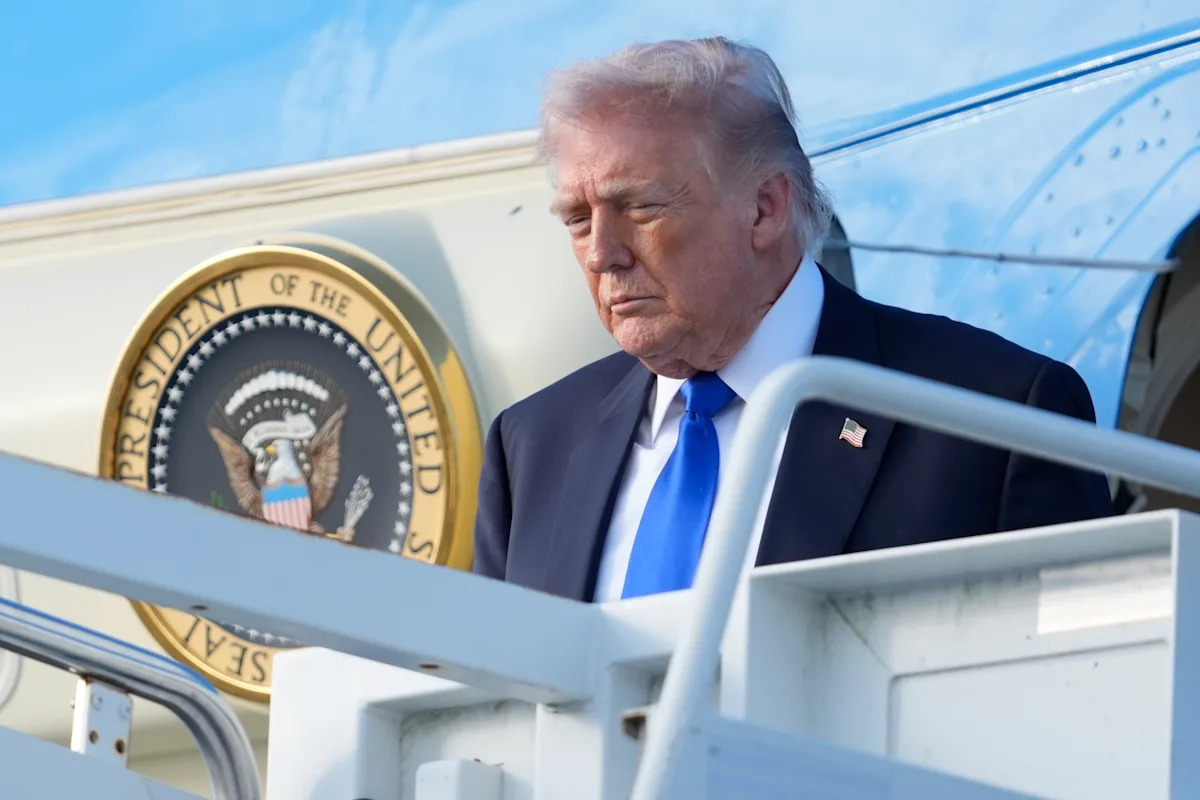
Stock futures are lower across the board, reversing the gains that kicked off the second quarter. Markets are giving back yesterday's relief rally in a sharp sentiment reversal, as geopolitical optimism has been replaced by a renewed escalation narrative. Investors are now pricing in a prolonged and potentially intensifying war, with direct implications for energy markets and global growth. The catalyst is last night's presidential address, which emphasized continued military action over the coming weeks rather than de-escalation, effectively pulling the rug out from under the "peace trade" that drove markets higher on April 1.Crude prices are surging back above $100 and pushing toward $110 as fears grow over sustained disruption in the Strait of Hormuz. This is re-tightening financial conditions almost immediately, with higher input costs, renewed inflation pressure, and a shift in rate expectations all weighing on risk assets.Cyclicals, airlines and travel stocks are under pressure as higher fuel costs and demand concerns re-enter the picture. At the same time, energy stocks are outperforming, and there is a clear move back toward defensive positioning, including a stronger dollar and reduced exposure ahead of the long weekend. With markets closed tomorrow for Good Friday traders may be less willing to hold geopolitical exposure over a three-day weekend with this level of uncertainty.In pre-market trading, S&P 500 futures fell 1.49%, Nasdaq futures fell 1.89% and Dow futures fell 1.38%.Check out this morning's top movers from around Wall Street, compiled by The Fly.HIGHER -Globalstarup 12% after Financial TimesAmazonis in discussions to acquire the companyUP AFTER PRESIDENT TRUMP'S SPEECH ON IRAN CONFLICT -APA Corp.up 4%Diamondback Energyup 4%Devon Energyup 4%ConocoPhillipsup 3%BPup 3%Exxon Mobilup 2%Chevronup 2%TotalEnergiesup 2%Shellup 1%DOWN AFTER PRESIDENT TRUMP'S SPEECH ON IRAN CONFLICT -Carnivaldown 4%Royal Carribeandown 4%United Airlinesdown 4%Alaska Airdown 4%Frontier Groupdown 4%Norwegian Cruise Linedown 3%Delta Air Linesdown 3%Southwestdown 3%JetBluedown 3%LOWER -Alto Neurosciencedown 12% after reporting ALTO-101 did not achieve statistical significance on primary electroencephalography or cognitive endpoints versus placeboImmunovantdown 8% after announcing clinical studies evaluating batoclimab as an investigational treatment for adults with active, moderate-to-severe thyroid eye disease failed to meet their primary endpoint
Trade with 70% Backtested Accuracy
Analyst Views on GSAT

About GSAT
About the author

SpaceX Plans IPO Targeting $2 Trillion Valuation

- IPO Plans and Market Expectations: SpaceX filed confidentially for an IPO in early April, aiming to shatter market records with a target valuation of up to $2 trillion and raising as much as $75 billion, reflecting high market anticipation for its future potential.
- Valuation Risks: With revenue of approximately $15.5 billion to $16 billion last year, SpaceX could debut with a price-to-sales ratio exceeding 100, far surpassing any stock in the S&P 500, indicating the extreme nature of its valuation and potential market pressure.
- Technological Leadership: Widely regarded as a leader in modern rocket technology, SpaceX has significantly reduced costs through reusable rockets, while its Starlink satellite internet division dominates the industry, serving as the primary source of the company's revenue.
- Comparison with Amazon: While SpaceX excels in space technology, Amazon's competitive edge in satellite internet is strengthening, particularly with its Leo project nearing commercialization, and its substantial investments in AI present a more attractive growth potential.

SpaceX Targets $2 Trillion Valuation for Upcoming IPO
- IPO Valuation Target: SpaceX is aiming for a valuation of up to $2 trillion in its upcoming IPO, which would result in a price-to-sales ratio exceeding 100 based on last year's revenue of approximately $15.5 billion to $16 billion, indicating strong market expectations for its future growth.
- Competitor Analysis: Amazon's Leo project is seen as the closest competitor to Starlink, and while it currently generates minimal revenue during its testing phase, its imminent commercial service could pose a threat to SpaceX's market share, particularly in the in-flight Wi-Fi sector.
- Market Outlook and Risks: Despite SpaceX's leadership in rocket technology and satellite internet, its high valuation may pressure its stock price post-IPO, prompting investors to carefully assess its sustainability, especially when compared to Amazon.
- Amazon's Advantages: With a current market cap of $2.8 trillion and a net income of $77.7 billion, Amazon significantly outperforms SpaceX's revenue, and its dominance in e-commerce and cloud computing makes it a more attractive investment option, particularly given its potential in AI investments.
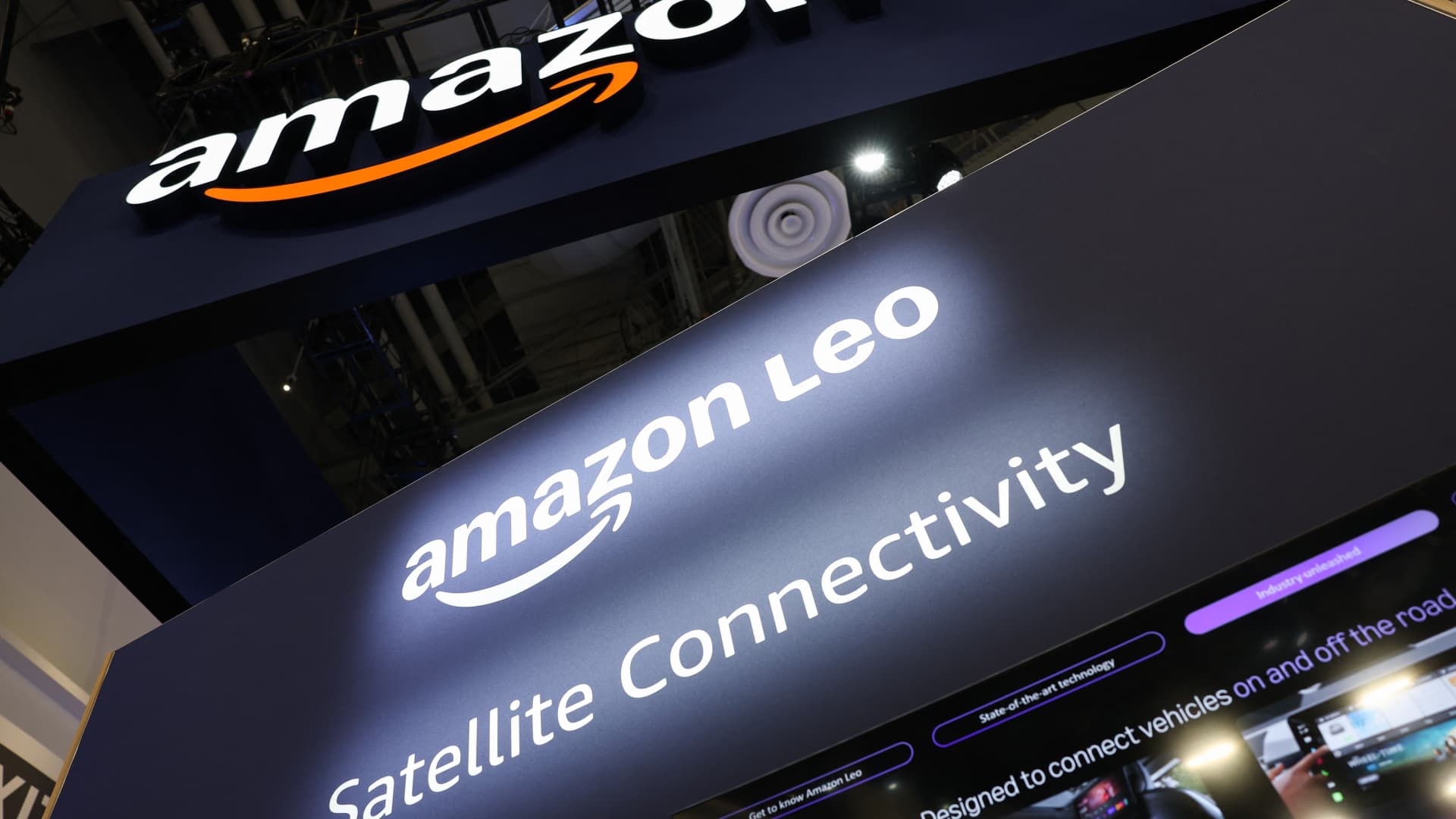
Amazon Acquires Globalstar to Advance Space Ambitions

- Massive Acquisition: Amazon plans to acquire satellite operator Globalstar for $90 per share, totaling approximately $11.6 billion, which will enhance its satellite internet service, Amazon Leo, expected to launch commercial service in mid-2026.
- Increased Market Competition: This acquisition will bolster Amazon Leo's competitive stance against SpaceX's Starlink, which operates over 10,000 satellites and serves over 10 million users, potentially increasing Amazon's market share in the satellite internet sector.
- Strategic Implications: Analysts at Morgan Stanley noted that Globalstar's spectrum licenses will enable Amazon to provide direct-to-device services, filling gaps in areas lacking traditional cellular coverage, which is expected to drive future revenue growth.
- Enterprise Customer Potential: Amazon Leo has secured revenue commitments from several enterprises and government entities, including Delta Airlines and NASA, and is expected to leverage its integration with AWS to further penetrate the enterprise market, with a potential market size of $100 billion.

Meta Signs Landmark Solar Power Deal with Overview Energy


- Solar Power Agreement: Meta has signed a deal with start-up Overview Energy to secure 1 gigawatt of solar capacity, with commercial delivery expected by 2030, aimed at powering its extensive AI infrastructure and enhancing its competitive edge in the AI sector.
- Funding Strategy: To finance the $50 billion Hyperion project, Meta has reportedly secured a $29 billion financing package from PIMCO and Blue Owl Capital, highlighting the immense capital required to sustain its position in the AI arms race.
- Challenges in China: Meta faces significant hurdles as China's National Development and Reform Commission mandates the unwinding of its $2 billion acquisition of Manus, reflecting regulatory pressures on foreign investments in the AI sector and potentially hindering Meta's autonomous AI ambitions.
- Market Outlook: Despite these challenges, Meta is actively expanding its AI technology, striving to maintain a leading position in the global AI market, particularly in competition with Microsoft and Alphabet, ensuring its technological innovations remain at the forefront.
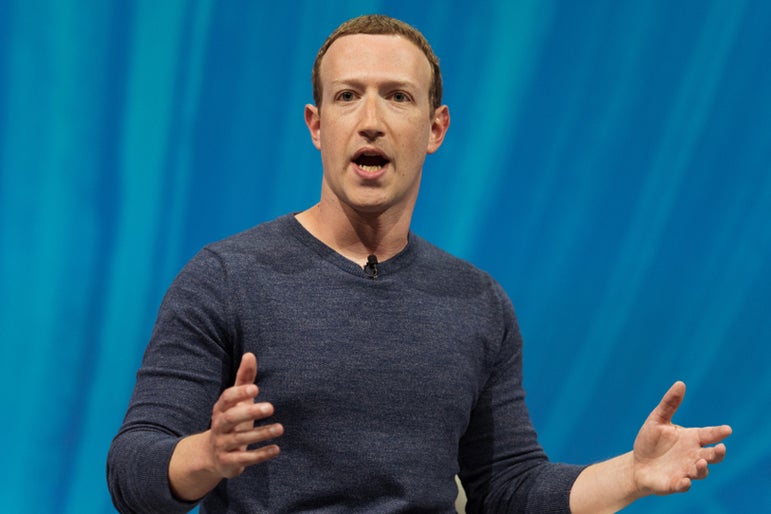
China Blocks Meta's $2B Manus AI Acquisition

- Acquisition Blocked: China's National Development and Reform Commission has ordered Meta to unwind its $2 billion acquisition of Singapore-based start-up Manus due to national security and illegal tech transfer concerns, significantly impacting Meta's strategic positioning in the autonomous AI sector.
- Tech Transfer Risks: This intervention highlights China's crackdown on 'Singapore-washing', restricting Manus's co-founders from leaving the country, which reflects Beijing's aggressive stance against the outflow of domestic AI talent, potentially putting Meta at a disadvantage in technology competition.
- Market Reaction: Prior to the acquisition, Manus reportedly achieved $100 million in annual recurring revenue, and the failure of this deal will compel Meta to seek alternatives, which could affect its market position in AI agents, especially against competitors like Microsoft and Alphabet.
- Need for Strategic Adjustment: Meta's ambitions in autonomous AI heavily rely on Manus's technology, and the acquisition's failure may hinder its development of AI agents, forcing the company to reassess its technology investments and market strategies to maintain competitiveness.
Earnings Week Highlights: Key Market Focus

- Optical Fiber Performance: Corning is expected to report Q4 revenue of $4.26 billion and earnings per share of $0.69, with market focus on potential long-term supply agreements with hyperscale customers amid rising demand for fiber in data centers.
- Starbucks Sales Growth: Starbucks anticipates Q4 revenue of $9.16 billion and earnings per share of $0.43, with expectations for a 4% increase in same-store sales, raising questions about whether operating margins can rebound into the mid-to-high teens, reflecting CEO Niccol's turnaround efforts.
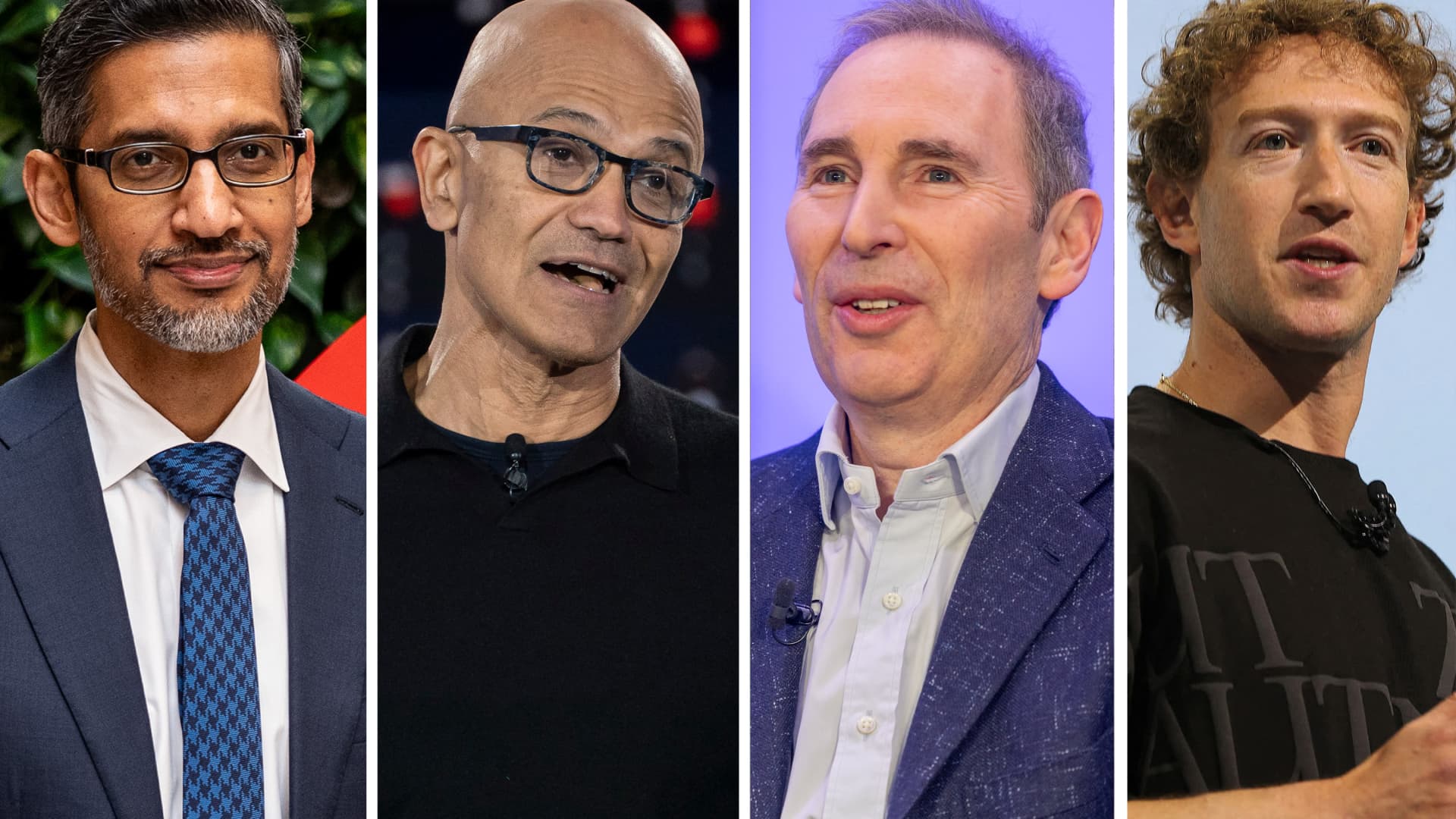
- Tech Giants Earnings: Microsoft, Amazon, Alphabet, and Meta are set to report on Wednesday, collectively representing over $11 trillion in market cap, with a keen eye on their $600 billion capital expenditure plans, particularly regarding revenue impacts from data center investments.
- Federal Reserve Meeting: The Fed will conclude its policy meeting on Wednesday, expected to keep rates unchanged at 3.5% to 3.75%, with market attention on inflation data and its implications for future monetary policy, especially given the ongoing instability in the Middle East.
SpaceX Plans IPO Targeting $2 Trillion Valuation
- IPO Plans and Market Expectations: SpaceX filed confidentially for an IPO in early April, aiming to shatter market records with a target valuation of up to $2 trillion and raising as much as $75 billion, reflecting high market anticipation for its future potential.
- Valuation Risks: With revenue of approximately $15.5 billion to $16 billion last year, SpaceX could debut with a price-to-sales ratio exceeding 100, far surpassing any stock in the S&P 500, indicating the extreme nature of its valuation and potential market pressure.
- Technological Leadership: Widely regarded as a leader in modern rocket technology, SpaceX has significantly reduced costs through reusable rockets, while its Starlink satellite internet division dominates the industry, serving as the primary source of the company's revenue.
- Comparison with Amazon: While SpaceX excels in space technology, Amazon's competitive edge in satellite internet is strengthening, particularly with its Leo project nearing commercialization, and its substantial investments in AI present a more attractive growth potential.
SpaceX Targets $2 Trillion Valuation for Upcoming IPO
- IPO Valuation Target: SpaceX is aiming for a valuation of up to $2 trillion in its upcoming IPO, which would result in a price-to-sales ratio exceeding 100 based on last year's revenue of approximately $15.5 billion to $16 billion, indicating strong market expectations for its future growth.
- Competitor Analysis: Amazon's Leo project is seen as the closest competitor to Starlink, and while it currently generates minimal revenue during its testing phase, its imminent commercial service could pose a threat to SpaceX's market share, particularly in the in-flight Wi-Fi sector.
- Market Outlook and Risks: Despite SpaceX's leadership in rocket technology and satellite internet, its high valuation may pressure its stock price post-IPO, prompting investors to carefully assess its sustainability, especially when compared to Amazon.
- Amazon's Advantages: With a current market cap of $2.8 trillion and a net income of $77.7 billion, Amazon significantly outperforms SpaceX's revenue, and its dominance in e-commerce and cloud computing makes it a more attractive investment option, particularly given its potential in AI investments.
Amazon Acquires Globalstar to Advance Space Ambitions
- Massive Acquisition: Amazon plans to acquire satellite operator Globalstar for $90 per share, totaling approximately $11.6 billion, which will enhance its satellite internet service, Amazon Leo, expected to launch commercial service in mid-2026.
- Increased Market Competition: This acquisition will bolster Amazon Leo's competitive stance against SpaceX's Starlink, which operates over 10,000 satellites and serves over 10 million users, potentially increasing Amazon's market share in the satellite internet sector.
- Strategic Implications: Analysts at Morgan Stanley noted that Globalstar's spectrum licenses will enable Amazon to provide direct-to-device services, filling gaps in areas lacking traditional cellular coverage, which is expected to drive future revenue growth.
- Enterprise Customer Potential: Amazon Leo has secured revenue commitments from several enterprises and government entities, including Delta Airlines and NASA, and is expected to leverage its integration with AWS to further penetrate the enterprise market, with a potential market size of $100 billion.
Meta Signs Landmark Solar Power Deal with Overview Energy
- Solar Power Agreement: Meta has signed a deal with start-up Overview Energy to secure 1 gigawatt of solar capacity, with commercial delivery expected by 2030, aimed at powering its extensive AI infrastructure and enhancing its competitive edge in the AI sector.
- Funding Strategy: To finance the $50 billion Hyperion project, Meta has reportedly secured a $29 billion financing package from PIMCO and Blue Owl Capital, highlighting the immense capital required to sustain its position in the AI arms race.
- Challenges in China: Meta faces significant hurdles as China's National Development and Reform Commission mandates the unwinding of its $2 billion acquisition of Manus, reflecting regulatory pressures on foreign investments in the AI sector and potentially hindering Meta's autonomous AI ambitions.
- Market Outlook: Despite these challenges, Meta is actively expanding its AI technology, striving to maintain a leading position in the global AI market, particularly in competition with Microsoft and Alphabet, ensuring its technological innovations remain at the forefront.
China Blocks Meta's $2B Manus AI Acquisition
- Acquisition Blocked: China's National Development and Reform Commission has ordered Meta to unwind its $2 billion acquisition of Singapore-based start-up Manus due to national security and illegal tech transfer concerns, significantly impacting Meta's strategic positioning in the autonomous AI sector.
- Tech Transfer Risks: This intervention highlights China's crackdown on 'Singapore-washing', restricting Manus's co-founders from leaving the country, which reflects Beijing's aggressive stance against the outflow of domestic AI talent, potentially putting Meta at a disadvantage in technology competition.
- Market Reaction: Prior to the acquisition, Manus reportedly achieved $100 million in annual recurring revenue, and the failure of this deal will compel Meta to seek alternatives, which could affect its market position in AI agents, especially against competitors like Microsoft and Alphabet.
- Need for Strategic Adjustment: Meta's ambitions in autonomous AI heavily rely on Manus's technology, and the acquisition's failure may hinder its development of AI agents, forcing the company to reassess its technology investments and market strategies to maintain competitiveness.
Earnings Week Highlights: Key Market Focus
- Optical Fiber Performance: Corning is expected to report Q4 revenue of $4.26 billion and earnings per share of $0.69, with market focus on potential long-term supply agreements with hyperscale customers amid rising demand for fiber in data centers.
- Starbucks Sales Growth: Starbucks anticipates Q4 revenue of $9.16 billion and earnings per share of $0.43, with expectations for a 4% increase in same-store sales, raising questions about whether operating margins can rebound into the mid-to-high teens, reflecting CEO Niccol's turnaround efforts.
- Tech Giants Earnings: Microsoft, Amazon, Alphabet, and Meta are set to report on Wednesday, collectively representing over $11 trillion in market cap, with a keen eye on their $600 billion capital expenditure plans, particularly regarding revenue impacts from data center investments.
- Federal Reserve Meeting: The Fed will conclude its policy meeting on Wednesday, expected to keep rates unchanged at 3.5% to 3.75%, with market attention on inflation data and its implications for future monetary policy, especially given the ongoing instability in the Middle East.