Stellantis Faces Challenges as Carvana Acquires Dealerships
- Stock Price Volatility: Since 2024, Stellantis has seen a 70% drop in share price, while General Motors has more than doubled, and Ford has declined by 2%, indicating Stellantis's competitive disadvantages and the need for investors to carefully assess its future potential.
- Carvana's Acquisition Strategy: Carvana's recent acquisition of Stellantis dealerships aims to expand market reach through a hybrid sales model combining online and in-person sales, although the success of this strategy hinges on Stellantis's business turnaround.
- Financial Challenges: Stellantis faces a significant $26 billion charge for an electric vehicle strategy adjustment, which exceeds its current market cap of approximately $20 billion, leading to a sharp stock price drop and a suspended dividend, highlighting its fragile financial condition.
- Declining Market Share: According to S&P Global Mobility, Stellantis's global market share has fallen from 8.1% in 2020 to 6.1% in 2025, indicating an urgent need to revitalize its core North American business to address high prices and poor product mix issues.
Trade with 70% Backtested Accuracy
Analyst Views on STLA

About STLA
About the author


Alfa Romeo Advances Q4 All-Wheel Drive Technology Across Lineup

- Standard Q4 AWD Across Lineup: For 2026, every Alfa Romeo model features the Q4 all-wheel-drive technology, with standard implementation on Stelvio and Tonale SUVs and optional availability on the Giulia sedan, enhancing the brand's competitive edge in the high-performance market.
- Strong Sales Performance: In 2025, Q4 AWD variants accounted for 26% of Alfa Romeo's global sales, underscoring the significance of all-wheel-drive technology in the brand's strategy and indicating potential for continued sales growth in the future.
- Optimized Powertrain: The 2026 Tonale is powered by a 2.0-liter turbocharged I-4 engine delivering 268 horsepower and 295 lb-ft of torque, paired with a nine-speed automatic transmission and a standard mechanical Q4 AWD system, ensuring exceptional performance and acceleration in all weather conditions.
- Heritage and Innovation: The Q4 AWD system traces its roots back to the brand's early 4x4 prototypes from the 1920s, evolving through numerous technological advancements to become a core pillar of Alfa Romeo's performance and versatility, showcasing its rich automotive heritage.
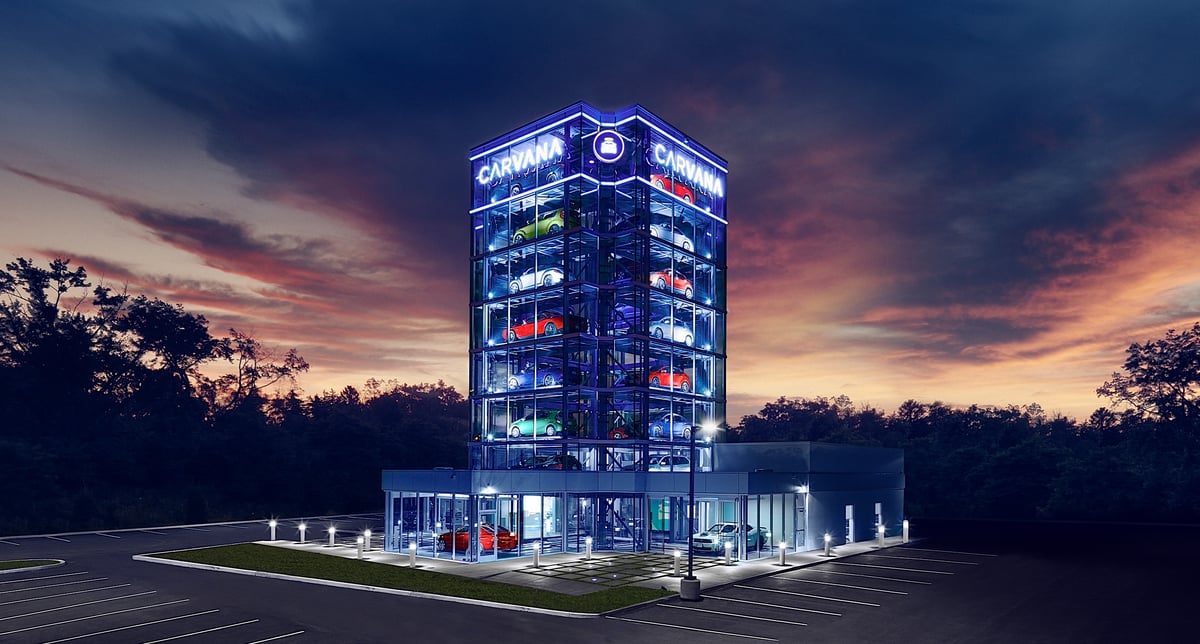
Stellantis Faces Challenges as Carvana Acquires Dealerships

- Stock Price Volatility: Since 2024, Stellantis has seen a 70% drop in share price, while General Motors has more than doubled, and Ford has declined by 2%, indicating Stellantis's competitive disadvantages and the need for investors to carefully assess its future potential.
- Carvana's Acquisition Strategy: Carvana's recent acquisition of Stellantis dealerships aims to expand market reach through a hybrid sales model combining online and in-person sales, although the success of this strategy hinges on Stellantis's business turnaround.
- Financial Challenges: Stellantis faces a significant $26 billion charge for an electric vehicle strategy adjustment, which exceeds its current market cap of approximately $20 billion, leading to a sharp stock price drop and a suspended dividend, highlighting its fragile financial condition.
- Declining Market Share: According to S&P Global Mobility, Stellantis's global market share has fallen from 8.1% in 2020 to 6.1% in 2025, indicating an urgent need to revitalize its core North American business to address high prices and poor product mix issues.

Divergent Market Performance of Detroit Automakers
- Market Performance Divergence: Since 2024, the three major Detroit automakers (General Motors, Ford, and Stellantis) have exhibited starkly different stock performances, with GM's share price doubling, Ford declining by 2%, and Stellantis plummeting by 70%, indicating varying market expectations for their business prospects.
- Carvana's Strategic Shift: Carvana is transitioning from a purely online sales model to a hybrid approach by acquiring Stellantis dealerships, which expands its distribution network in the U.S. Southwest, allowing it to reach more consumers and enhance profit margins on new vehicle sales.
- Stellantis' Financial Challenges: Stellantis is grappling with a significant $26 billion charge for an electric vehicle strategy adjustment, which exceeds its current market capitalization of approximately $20 billion, leading to a substantial drop in stock price and a suspended dividend, highlighting its financial vulnerabilities.
- Future Investments and Market Share: Stellantis plans to invest around $13 billion to revitalize its North American operations, despite challenges such as high prices and a poor product mix, but this investment may further widen the gap with competitors in the electric vehicle transition.
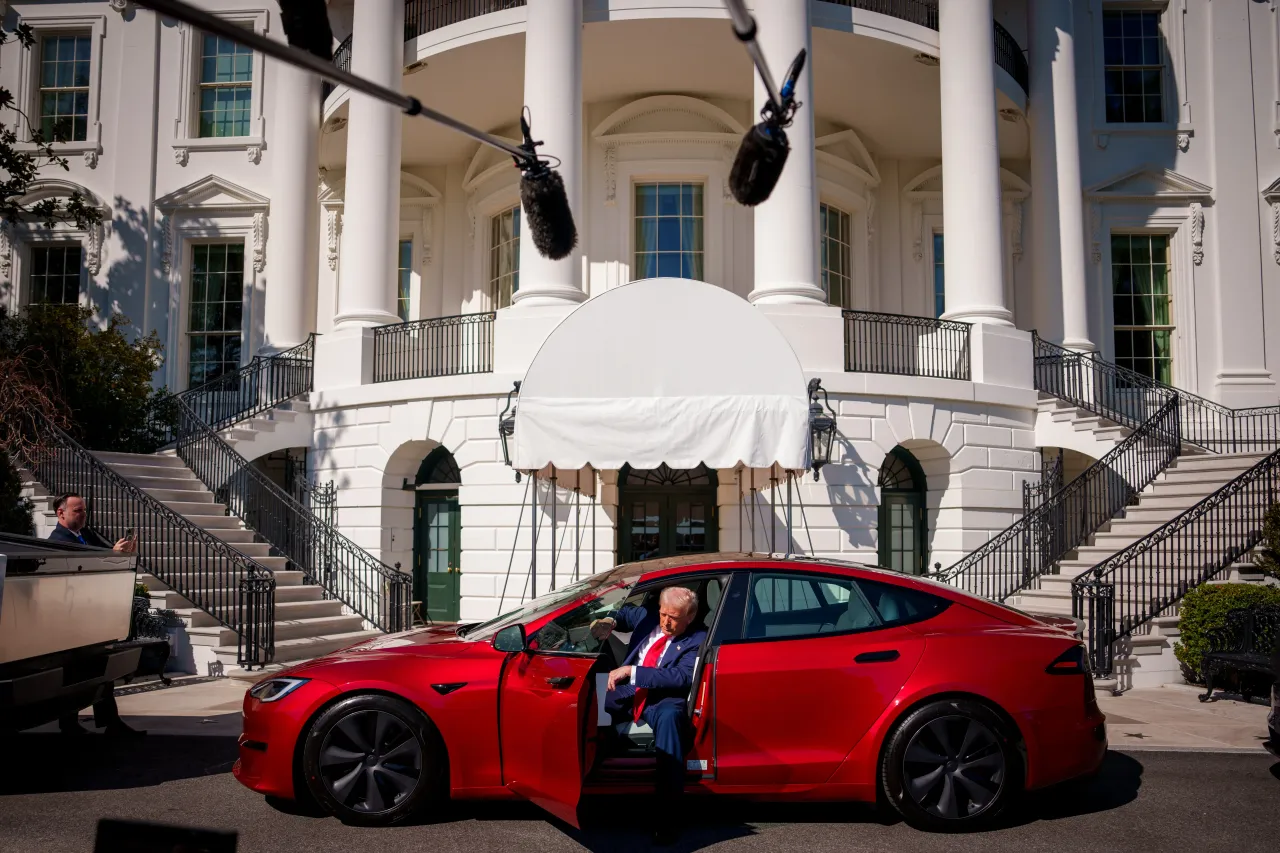
Trade Groups Oppose Chinese Automakers Entering U.S. Market

- Trade Groups Unite: Ahead of Trump's meeting with Xi Jinping, major automotive trade groups, including the Alliance for Automotive Innovation and the American Automotive Policy Council, sent a letter expressing strong opposition to Chinese automakers entering the U.S. market, citing threats to America's global competitiveness and national security.
- Regulatory Impact: The 2025 U.S. Commerce Department cybersecurity regulation currently keeps Chinese automakers out of the U.S. market, and trade groups are urging that this restriction be maintained to prevent market distortions and risks to the American automotive industry.
- Trump's Changing Stance: Although Trump has previously indicated openness to Chinese automakers building vehicles in the U.S., trade groups emphasize that any attempts to circumvent existing restrictions would pose similar risks to the U.S. auto industry, regardless of whether vehicles are imported or produced domestically.
- Intensifying Market Competition: With Chinese OEMs expanding globally, representatives from companies like Ford highlight that EV overcapacity and global pressures are leading to lower returns, and the trade groups' warnings reflect deep concerns about the future market environment.
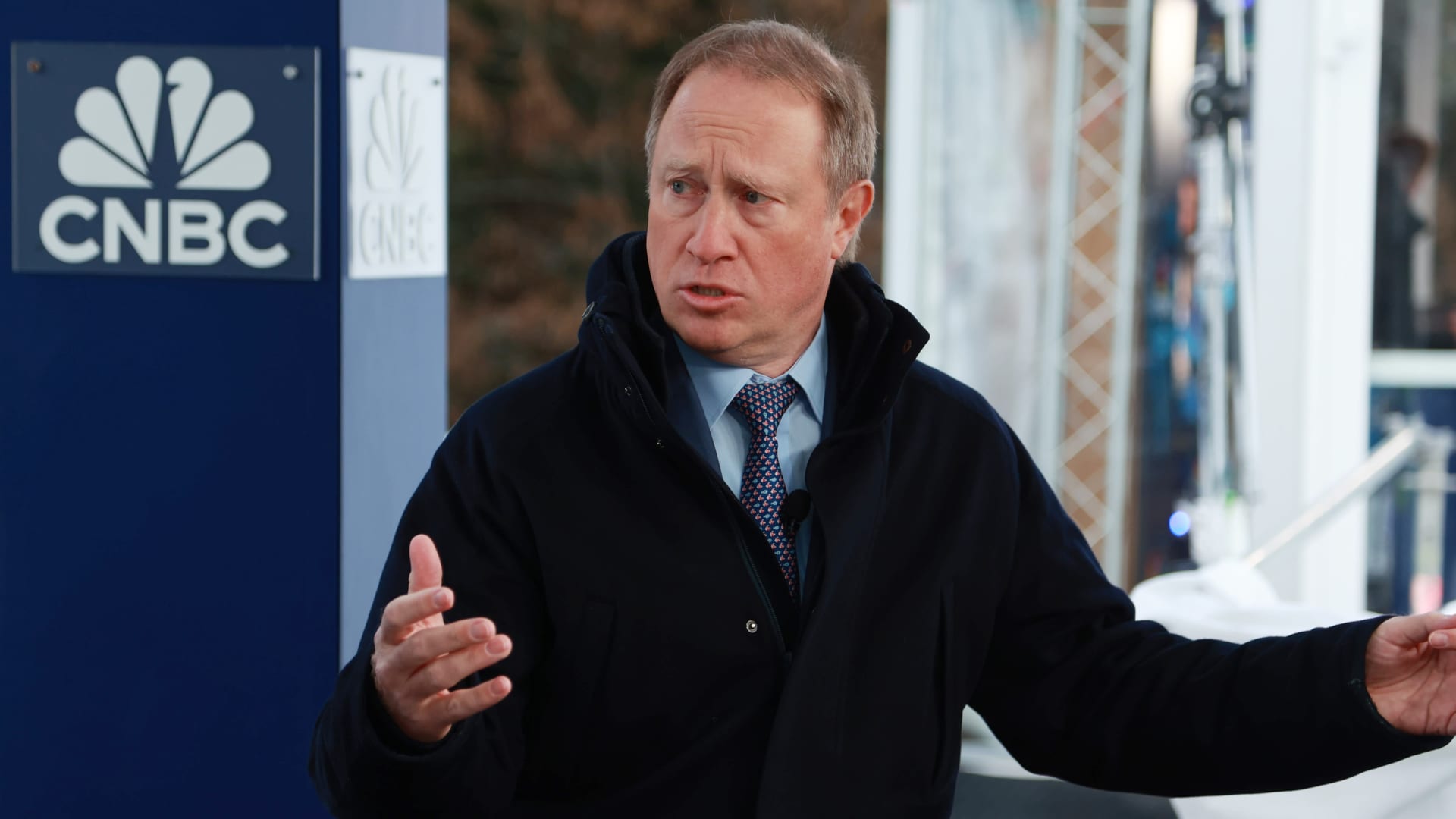
Trade Organizations Allegedly Encourage Trump to Prevent Chinese Automakers from Entering U.S. Market
Trump's Meeting with Xi Jinping: A letter was sent ahead of Donald Trump's planned meeting with Chinese President Xi Jinping, highlighting concerns over U.S. cybersecurity regulations that currently keep Chinese automakers out of the U.S. market.
Trade Groups' Concerns: Major trade groups urged the Trump administration to maintain restrictions on Chinese automakers, expressing fears that allowing them to build vehicles in the U.S. could threaten American competitiveness and national security.
Chinese Automakers' Expansion: The letter emphasized the growing competition from Chinese Original Equipment Manufacturers (OEMs) and the potential risks to the U.S. automotive industry, citing lower returns and global pressures.
Stock Market Sentiment: Retail sentiment around Ford's stock has shifted from bearish to neutral, with shares gaining 22% over the past year, despite low message volume in the market.
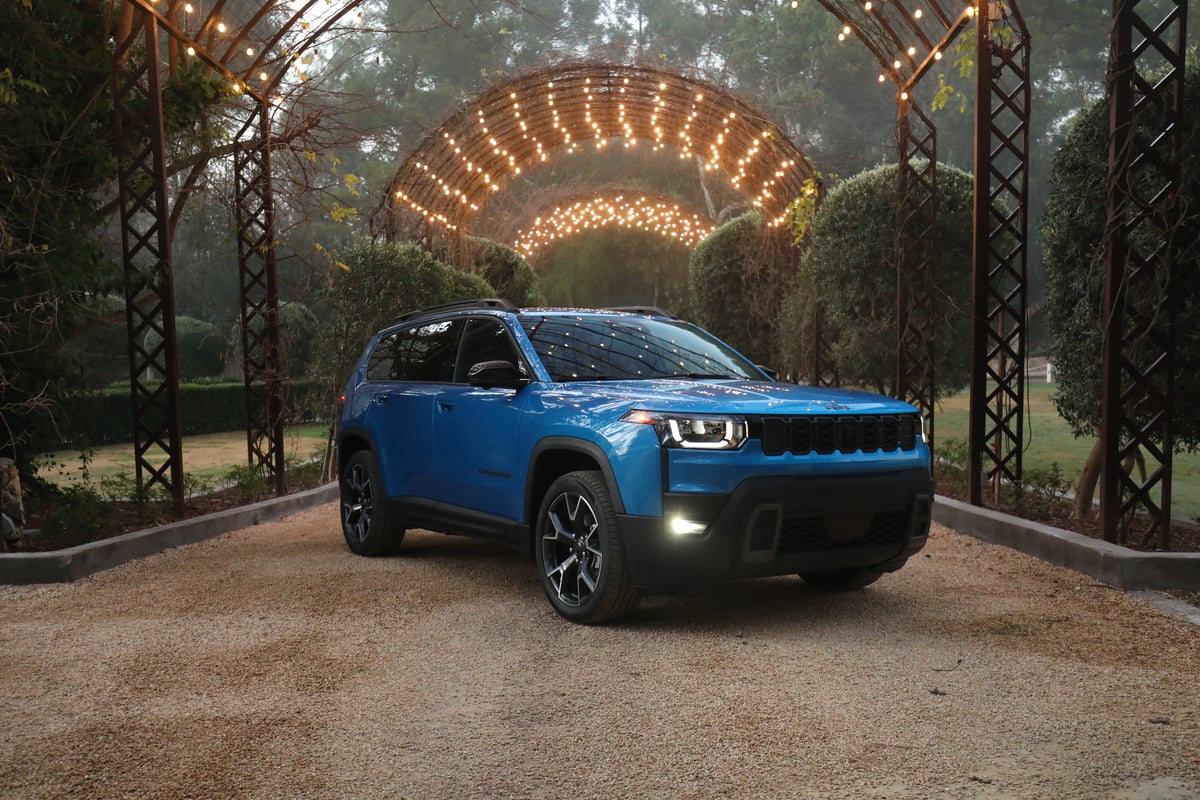
The Significance of Jeep Cherokee's Market Comeback
- Declining Market Share: Stellantis experienced a 12.3% decline in global sales from 2021 to 2024, with a staggering 27% drop in U.S. sales, indicating significant market challenges that necessitate a turnaround through new models.
- Cherokee's Revival: The return of the 2026 Jeep Cherokee is pivotal for Stellantis' recovery in the U.S. market, especially as competitors in the SUV segment achieve annual sales of around 400,000 vehicles, highlighting its potential market value.
- Investment Plans: Stellantis plans to invest $13 billion in U.S. manufacturing over the next four years, which is expected to create over 5,000 jobs and increase domestic production capacity by 50%, enhancing the company's competitive edge.
- Financial Outlook: Despite a net loss of €26.3 billion in 2025, Stellantis saw a 10% increase in net revenue to nearly €80 billion in the second half of the year, reflecting improvements in operational efficiency and commercial strategies, with a focus on profitable growth ahead.
Alfa Romeo Advances Q4 All-Wheel Drive Technology Across Lineup
- Standard Q4 AWD Across Lineup: For 2026, every Alfa Romeo model features the Q4 all-wheel-drive technology, with standard implementation on Stelvio and Tonale SUVs and optional availability on the Giulia sedan, enhancing the brand's competitive edge in the high-performance market.
- Strong Sales Performance: In 2025, Q4 AWD variants accounted for 26% of Alfa Romeo's global sales, underscoring the significance of all-wheel-drive technology in the brand's strategy and indicating potential for continued sales growth in the future.
- Optimized Powertrain: The 2026 Tonale is powered by a 2.0-liter turbocharged I-4 engine delivering 268 horsepower and 295 lb-ft of torque, paired with a nine-speed automatic transmission and a standard mechanical Q4 AWD system, ensuring exceptional performance and acceleration in all weather conditions.
- Heritage and Innovation: The Q4 AWD system traces its roots back to the brand's early 4x4 prototypes from the 1920s, evolving through numerous technological advancements to become a core pillar of Alfa Romeo's performance and versatility, showcasing its rich automotive heritage.
Stellantis Faces Challenges as Carvana Acquires Dealerships
- Stock Price Volatility: Since 2024, Stellantis has seen a 70% drop in share price, while General Motors has more than doubled, and Ford has declined by 2%, indicating Stellantis's competitive disadvantages and the need for investors to carefully assess its future potential.
- Carvana's Acquisition Strategy: Carvana's recent acquisition of Stellantis dealerships aims to expand market reach through a hybrid sales model combining online and in-person sales, although the success of this strategy hinges on Stellantis's business turnaround.
- Financial Challenges: Stellantis faces a significant $26 billion charge for an electric vehicle strategy adjustment, which exceeds its current market cap of approximately $20 billion, leading to a sharp stock price drop and a suspended dividend, highlighting its fragile financial condition.
- Declining Market Share: According to S&P Global Mobility, Stellantis's global market share has fallen from 8.1% in 2020 to 6.1% in 2025, indicating an urgent need to revitalize its core North American business to address high prices and poor product mix issues.
Divergent Market Performance of Detroit Automakers
- Market Performance Divergence: Since 2024, the three major Detroit automakers (General Motors, Ford, and Stellantis) have exhibited starkly different stock performances, with GM's share price doubling, Ford declining by 2%, and Stellantis plummeting by 70%, indicating varying market expectations for their business prospects.
- Carvana's Strategic Shift: Carvana is transitioning from a purely online sales model to a hybrid approach by acquiring Stellantis dealerships, which expands its distribution network in the U.S. Southwest, allowing it to reach more consumers and enhance profit margins on new vehicle sales.
- Stellantis' Financial Challenges: Stellantis is grappling with a significant $26 billion charge for an electric vehicle strategy adjustment, which exceeds its current market capitalization of approximately $20 billion, leading to a substantial drop in stock price and a suspended dividend, highlighting its financial vulnerabilities.
- Future Investments and Market Share: Stellantis plans to invest around $13 billion to revitalize its North American operations, despite challenges such as high prices and a poor product mix, but this investment may further widen the gap with competitors in the electric vehicle transition.
Trade Groups Oppose Chinese Automakers Entering U.S. Market
- Trade Groups Unite: Ahead of Trump's meeting with Xi Jinping, major automotive trade groups, including the Alliance for Automotive Innovation and the American Automotive Policy Council, sent a letter expressing strong opposition to Chinese automakers entering the U.S. market, citing threats to America's global competitiveness and national security.
- Regulatory Impact: The 2025 U.S. Commerce Department cybersecurity regulation currently keeps Chinese automakers out of the U.S. market, and trade groups are urging that this restriction be maintained to prevent market distortions and risks to the American automotive industry.
- Trump's Changing Stance: Although Trump has previously indicated openness to Chinese automakers building vehicles in the U.S., trade groups emphasize that any attempts to circumvent existing restrictions would pose similar risks to the U.S. auto industry, regardless of whether vehicles are imported or produced domestically.
- Intensifying Market Competition: With Chinese OEMs expanding globally, representatives from companies like Ford highlight that EV overcapacity and global pressures are leading to lower returns, and the trade groups' warnings reflect deep concerns about the future market environment.
Trade Organizations Allegedly Encourage Trump to Prevent Chinese Automakers from Entering U.S. Market
Trump's Meeting with Xi Jinping: A letter was sent ahead of Donald Trump's planned meeting with Chinese President Xi Jinping, highlighting concerns over U.S. cybersecurity regulations that currently keep Chinese automakers out of the U.S. market.
Trade Groups' Concerns: Major trade groups urged the Trump administration to maintain restrictions on Chinese automakers, expressing fears that allowing them to build vehicles in the U.S. could threaten American competitiveness and national security.
Chinese Automakers' Expansion: The letter emphasized the growing competition from Chinese Original Equipment Manufacturers (OEMs) and the potential risks to the U.S. automotive industry, citing lower returns and global pressures.
Stock Market Sentiment: Retail sentiment around Ford's stock has shifted from bearish to neutral, with shares gaining 22% over the past year, despite low message volume in the market.
The Significance of Jeep Cherokee's Market Comeback
- Declining Market Share: Stellantis experienced a 12.3% decline in global sales from 2021 to 2024, with a staggering 27% drop in U.S. sales, indicating significant market challenges that necessitate a turnaround through new models.
- Cherokee's Revival: The return of the 2026 Jeep Cherokee is pivotal for Stellantis' recovery in the U.S. market, especially as competitors in the SUV segment achieve annual sales of around 400,000 vehicles, highlighting its potential market value.
- Investment Plans: Stellantis plans to invest $13 billion in U.S. manufacturing over the next four years, which is expected to create over 5,000 jobs and increase domestic production capacity by 50%, enhancing the company's competitive edge.
- Financial Outlook: Despite a net loss of €26.3 billion in 2025, Stellantis saw a 10% increase in net revenue to nearly €80 billion in the second half of the year, reflecting improvements in operational efficiency and commercial strategies, with a focus on profitable growth ahead.