Star Wars: The Mandalorian and Grogu Opens to Lowest Ticket Sales in Franchise History
Written by Emily J. Thompson, Senior Investment Analyst
Updated: May 22 2026
0mins

Source: Newsfilter
- Record Low Pre-Sales: According to Comscore, 'Star Wars: The Mandalorian and Grogu' achieved only $12 million in Thursday night previews, marking the lowest advanced ticket sales in franchise history, previously held by 'Solo: A Star Wars Story' at $14.1 million.
- Opening Weekend Projections: Box office analysts estimate the film will generate around $80 million over its three-day opening weekend and approximately $95 million during the four-day Memorial Day holiday, indicating one of the weakest openings for a 'Star Wars' film in modern cinematic history.
- Market Competition and Opportunities: Despite facing limited competition, the film may benefit from the popularity of the television series and the extended holiday weekend; however, its performance will serve as a stress test for future 'Star Wars' theatrical releases amid a lackluster cinema run for the franchise and Marvel.
- Consumer Products Potential: Beyond box office revenue, Disney is expected to gain from a robust consumer products launch tied to the film, particularly with Grogu's popularity among fans, which could drive retail sales significantly, reminiscent of Hasbro's nearly $500 million in sales following the 2015 release of 'The Force Awakens.'
Trade with 70% Backtested Accuracy
Stop guessing "Should I Buy DIS?" and start using high-conviction signals backed by rigorous historical data.
Sign up today to access powerful investing tools and make smarter, data-driven decisions.
Analyst Views on DIS
Wall Street analysts forecast DIS stock price to rise
19 Analyst Rating
16 Buy
3 Hold
0 Sell
Strong Buy
Current: 100.860

Low
123.00
Averages
137.29
High
152.00
Current: 100.860
Low
123.00
Averages
137.29
High
152.00
About DIS
The Walt Disney Company is a diversified worldwide entertainment company. The Company's segments include Entertainment, Sports and Experiences. The Entertainment segment generally encompasses its non-sports focused global film and episodic content production and distribution activities. The lines of business within the Entertainment segment along with their business activities include Linear Networks, Direct-to-Consumer, and Content Sales/Licensing. The Sports segment encompasses its sports-focused global television and direct-to-consumer (DTC) video streaming content production and distribution activities. The lines of business within the Sports segment include ESPN and Star. The Experiences segment includes Parks and Experiences and Consumer Products. Parks and Experiences consists of Walt Disney World Resort in Florida, Disneyland Resort in California, Disney Cruise Line, and others. Consumer Products includes licensing of its trade names, characters, visual, literary and other IP.
About the author

Emily J. Thompson
Emily J. Thompson, a Chartered Financial Analyst (CFA) with 12 years in investment research, graduated with honors from the Wharton School. Specializing in industrial and technology stocks, she provides in-depth analysis for Intellectia’s earnings and market brief reports.
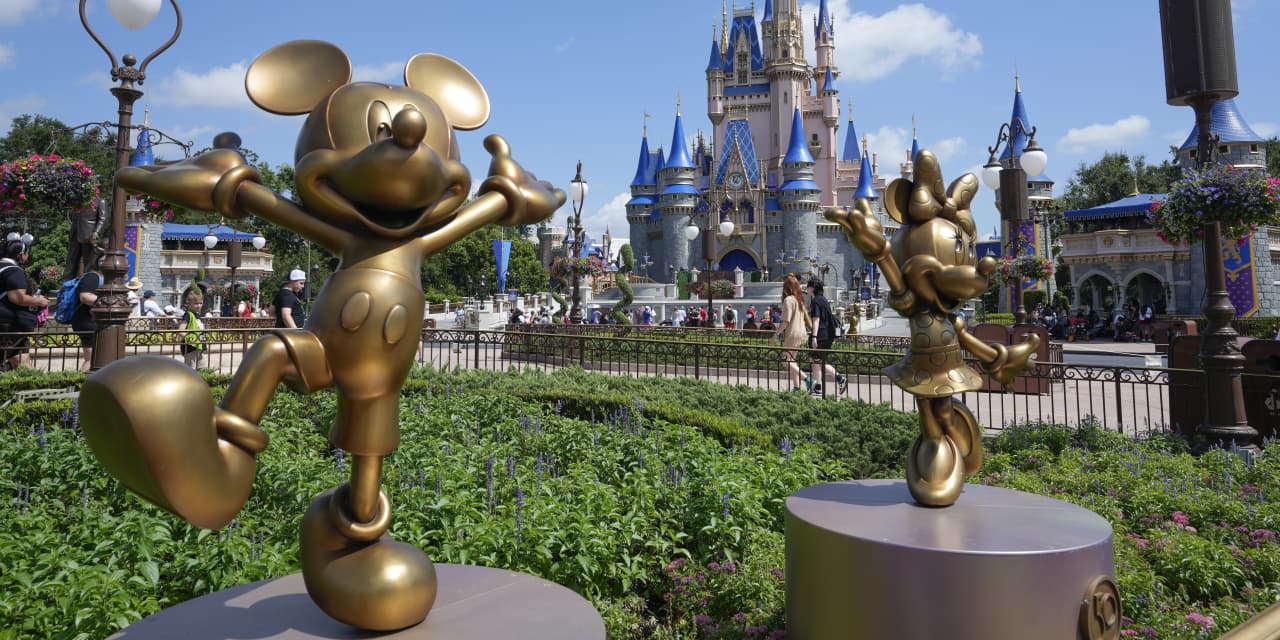
Shanghai Disneyland Celebrates 10th Anniversary, Surpasses 100 Million Visitors

- Visitor Milestone: Shanghai Disneyland welcomed its 100 millionth visitor in 2025, marking a significant achievement in its role within Disney's century-long history and highlighting its success and impact in the Chinese market.
- Revenue Growth: Disney's experiences division reported nearly $9.5 billion in revenue for the most recent quarter, a 7% year-over-year increase, accounting for almost 40% of the company's total revenue and nearly 60% of its operating income.
- Global Expansion Plans: Newly appointed CEO Josh D'Amaro is eyeing further global expansion, including a new cruise ship docked in Singapore and an upcoming park and resort in Abu Dhabi, demonstrating the company's confidence in future growth.
- Changing Consumption Trends: Despite broader consumer weakness in China, young consumers are still willing to pay for high-value experiences, as evidenced by Shanghai Disneyland's success, indicating the brand's enduring appeal even under economic pressure.
See More
Toy Story 5 Offers New Opportunities for Disney Amid Challenges
- Strong Box Office Expectations: Toy Story 5 is projected to gross over $200 million in its opening weekend, which will not only generate direct revenue for Disney but also potentially boost its licensing and merchandise sales, enhancing overall profitability.
- Brand Revival Opportunity: The film's success is expected to attract more visitors to Disney theme parks, reigniting consumer interest in the brand, especially after facing executive changes and legal battles, which could bring positive market sentiment.
- Market Performance Recovery: Despite Disney's stock falling over 11% in the past 52 weeks and 42% over the last five years, the release of Toy Story 5 could serve as a catalyst for stock price rebound, helping to restore investor confidence.
- Strategic Implications: As a 31-year-old classic franchise, a successful film could not only elevate Disney's market position but also lay the groundwork for future sequels and spin-offs, ensuring the company's sustained growth in a competitive entertainment landscape.
See More
Toy Story 5 Could Be Disney's Turning Point
- Strong Box Office Expectations: Toy Story 5 is projected to gross over $200 million in its opening weekend, which not only enhances Disney's brand image but could also boost licensing and merchandise sales, potentially generating billions in revenue for the company.
- Opportunity for Brand Revival: The return of classic characters offers Disney a chance to rejuvenate its brand, especially after facing executive changes and legal battles; a strong box office performance could serve as a catalyst for stock price recovery.
- Poor Market Performance: Disney's stock has fallen over 11% in the past 52 weeks and 42% over the last five years, making the success of Toy Story 5 particularly crucial, as investors hope this film will provide a fresh start for newly appointed CEO Josh D'Amaro.
- Competitive Industry Pressure: While Toy Story 5 is highly anticipated, analysts caution that one film alone cannot resolve all of Disney's challenges, particularly in a fiercely competitive entertainment market, where sustained brand attention and positive news are essential.
See More
Can 'Toy Story 5' Revitalize Disney's Fortune?
- Strong Box Office Expectations: 'Toy Story 5' is projected to gross over $200 million in its opening weekend, which not only brings direct revenue to Disney but also enhances its overall brand image and market confidence.
- Brand Impact: The franchise is not just an entertainment product but a crucial part of Disney's entire business model, and a successful release will boost licensing and merchandise sales, leading to increased visitor numbers at theme parks.
- Market Rebound Opportunity: Following executive changes and legal battles, Disney urgently needs a strong summer box office to lift its stock price; while one film won't solve all issues, positive market reactions could provide new growth momentum for the company.
- Investor Confidence Restoration: As original fans introduce the classic characters to a new generation, investors hope 'Toy Story 5' will serve as the turning point needed by newly appointed CEO Josh D'Amaro, despite Disney's stock falling over 11% in the past year.
See More
Netflix's Strategic Decisions on Warner and Roku Acquisitions Analyzed

- Warner Acquisition Bid: Netflix's initial bid of $82.7 billion for Warner Bros. Discovery was initially accepted, but ultimately lost to Paramount's $110.9 billion offer, reflecting Netflix's cautious and rational approach in competitive bidding scenarios.
- Roku Acquisition Attempt: Although Netflix's interest in acquiring Roku was less publicized, its pursuit indicates a strategic focus on hardware platforms; however, Roku was ultimately acquired by Fox for $22 billion, highlighting Netflix's conservative strategy in hardware ventures.
- Content Investment Strategy: Netflix's release of 'K-Pop Demon Hunters' last year, which became its most-watched film with 325.1 million views, illustrates its success in original content, indicating that while acquiring Warner's content library would have been beneficial, it was not essential for Netflix's strategy.
- Market Position and Profitability: With over 325 million subscribers globally, Netflix maintains a significant lead over Amazon's 250 million and Disney's 200 million, showcasing its strength in content investment and profitability, with a net profit margin of approximately 28%, far exceeding Roku's 2%.
See More

Netflix Walks Away from Roku Acquisition Bid
- Failed Acquisition Bid: Netflix's bid of $82.7 billion for Warner Bros. Discovery was outbid by Paramount Skydance, which ultimately acquired the company for approximately $110.9 billion, reflecting Netflix's cautious approach to content acquisitions.
- Strategic Shift: Netflix has shifted its focus from existing content libraries to original content, with last year's release of 'K-Pop Demon Hunters' becoming its most-watched film ever, amassing 325.1 million views, indicating success in its original content strategy.
- Regulatory Risk Consideration: Although Netflix aggressively pursued Roku, the acquisition faced potential antitrust scrutiny due to Roku's dominant position in the U.S. market, leading Netflix to withdraw and avoid legal complications.
- Financial Health: Roku's annual net income stands at $200 million with a mere 2% net profit margin, contrasting sharply with Netflix's 28% margin, suggesting that acquiring Roku would not align with Netflix's financial strategy and prudent acquisition decision-making.
See More
Shanghai Disneyland Celebrates 10th Anniversary, Surpasses 100 Million Visitors
- Visitor Milestone: Shanghai Disneyland welcomed its 100 millionth visitor in 2025, marking a significant achievement in its role within Disney's century-long history and highlighting its success and impact in the Chinese market.
- Revenue Growth: Disney's experiences division reported nearly $9.5 billion in revenue for the most recent quarter, a 7% year-over-year increase, accounting for almost 40% of the company's total revenue and nearly 60% of its operating income.
- Global Expansion Plans: Newly appointed CEO Josh D'Amaro is eyeing further global expansion, including a new cruise ship docked in Singapore and an upcoming park and resort in Abu Dhabi, demonstrating the company's confidence in future growth.
- Changing Consumption Trends: Despite broader consumer weakness in China, young consumers are still willing to pay for high-value experiences, as evidenced by Shanghai Disneyland's success, indicating the brand's enduring appeal even under economic pressure.
See More
Toy Story 5 Offers New Opportunities for Disney Amid Challenges
- Strong Box Office Expectations: Toy Story 5 is projected to gross over $200 million in its opening weekend, which will not only generate direct revenue for Disney but also potentially boost its licensing and merchandise sales, enhancing overall profitability.
- Brand Revival Opportunity: The film's success is expected to attract more visitors to Disney theme parks, reigniting consumer interest in the brand, especially after facing executive changes and legal battles, which could bring positive market sentiment.
- Market Performance Recovery: Despite Disney's stock falling over 11% in the past 52 weeks and 42% over the last five years, the release of Toy Story 5 could serve as a catalyst for stock price rebound, helping to restore investor confidence.
- Strategic Implications: As a 31-year-old classic franchise, a successful film could not only elevate Disney's market position but also lay the groundwork for future sequels and spin-offs, ensuring the company's sustained growth in a competitive entertainment landscape.
See More
Toy Story 5 Could Be Disney's Turning Point
- Strong Box Office Expectations: Toy Story 5 is projected to gross over $200 million in its opening weekend, which not only enhances Disney's brand image but could also boost licensing and merchandise sales, potentially generating billions in revenue for the company.
- Opportunity for Brand Revival: The return of classic characters offers Disney a chance to rejuvenate its brand, especially after facing executive changes and legal battles; a strong box office performance could serve as a catalyst for stock price recovery.
- Poor Market Performance: Disney's stock has fallen over 11% in the past 52 weeks and 42% over the last five years, making the success of Toy Story 5 particularly crucial, as investors hope this film will provide a fresh start for newly appointed CEO Josh D'Amaro.
- Competitive Industry Pressure: While Toy Story 5 is highly anticipated, analysts caution that one film alone cannot resolve all of Disney's challenges, particularly in a fiercely competitive entertainment market, where sustained brand attention and positive news are essential.
See More
Can 'Toy Story 5' Revitalize Disney's Fortune?
- Strong Box Office Expectations: 'Toy Story 5' is projected to gross over $200 million in its opening weekend, which not only brings direct revenue to Disney but also enhances its overall brand image and market confidence.
- Brand Impact: The franchise is not just an entertainment product but a crucial part of Disney's entire business model, and a successful release will boost licensing and merchandise sales, leading to increased visitor numbers at theme parks.
- Market Rebound Opportunity: Following executive changes and legal battles, Disney urgently needs a strong summer box office to lift its stock price; while one film won't solve all issues, positive market reactions could provide new growth momentum for the company.
- Investor Confidence Restoration: As original fans introduce the classic characters to a new generation, investors hope 'Toy Story 5' will serve as the turning point needed by newly appointed CEO Josh D'Amaro, despite Disney's stock falling over 11% in the past year.
See More
Netflix's Strategic Decisions on Warner and Roku Acquisitions Analyzed
- Warner Acquisition Bid: Netflix's initial bid of $82.7 billion for Warner Bros. Discovery was initially accepted, but ultimately lost to Paramount's $110.9 billion offer, reflecting Netflix's cautious and rational approach in competitive bidding scenarios.
- Roku Acquisition Attempt: Although Netflix's interest in acquiring Roku was less publicized, its pursuit indicates a strategic focus on hardware platforms; however, Roku was ultimately acquired by Fox for $22 billion, highlighting Netflix's conservative strategy in hardware ventures.
- Content Investment Strategy: Netflix's release of 'K-Pop Demon Hunters' last year, which became its most-watched film with 325.1 million views, illustrates its success in original content, indicating that while acquiring Warner's content library would have been beneficial, it was not essential for Netflix's strategy.
- Market Position and Profitability: With over 325 million subscribers globally, Netflix maintains a significant lead over Amazon's 250 million and Disney's 200 million, showcasing its strength in content investment and profitability, with a net profit margin of approximately 28%, far exceeding Roku's 2%.
See More
Netflix Walks Away from Roku Acquisition Bid
- Failed Acquisition Bid: Netflix's bid of $82.7 billion for Warner Bros. Discovery was outbid by Paramount Skydance, which ultimately acquired the company for approximately $110.9 billion, reflecting Netflix's cautious approach to content acquisitions.
- Strategic Shift: Netflix has shifted its focus from existing content libraries to original content, with last year's release of 'K-Pop Demon Hunters' becoming its most-watched film ever, amassing 325.1 million views, indicating success in its original content strategy.
- Regulatory Risk Consideration: Although Netflix aggressively pursued Roku, the acquisition faced potential antitrust scrutiny due to Roku's dominant position in the U.S. market, leading Netflix to withdraw and avoid legal complications.
- Financial Health: Roku's annual net income stands at $200 million with a mere 2% net profit margin, contrasting sharply with Netflix's 28% margin, suggesting that acquiring Roku would not align with Netflix's financial strategy and prudent acquisition decision-making.
See More