SpaceX Targets IPO in June with Valuation Exceeding $1 Trillion
Written by Emily J. Thompson, Senior Investment Analyst
Updated: 1 hour ago
0mins
Should l Buy TSLA?
Source: Fool
- IPO Announcement: SpaceX is targeting an IPO in June 2024, with a valuation expected to exceed $1 trillion, and some reports suggesting it could reach $1.75 trillion, enabling the company to raise between $50 billion and $75 billion in fresh capital, significantly enhancing its market position.
- Starlink Profit Growth: Although Starlink reported a net loss in 2023, it is projected to achieve approximately $72 million in profit in 2024, with profits reaching $8 billion on around $15 billion in revenue by 2025, indicating strong growth potential and market demand.
- Musk's Business Influence: Musk's successful track record in creating disruptive companies instills confidence in the market regarding SpaceX's future, with analysts believing that investments in Starship, xAI, and data center satellites will ultimately yield returns, further driving up the company's valuation.
- Positive Impact on Tesla: The capital raised by SpaceX will directly benefit Tesla, potentially leading to multi-billion dollar orders for robotics and providing AI and software components, aiding its transformation into a software and robotics-focused business model, thereby enhancing synergies between the two companies.
Trade with 70% Backtested Accuracy
Stop guessing "Should I Buy TSLA?" and start using high-conviction signals backed by rigorous historical data.
Sign up today to access powerful investing tools and make smarter, data-driven decisions.
Analyst Views on TSLA
Wall Street analysts forecast TSLA stock price to rise
30 Analyst Rating
12 Buy
11 Hold
7 Sell
Hold
Current: 373.720

Low
25.28
Averages
401.93
High
600.00
Current: 373.720
Low
25.28
Averages
401.93
High
600.00
About TSLA
Tesla, Inc. designs, develops, manufactures, sells and leases high-performance fully electric vehicles and energy generation and storage systems, and offers services related to its products. Its segments include automotive, and energy generation and storage. The automotive segment includes the design, development, manufacturing, sales and leasing of high-performance fully electric vehicles, and sales of automotive regulatory credits. It also includes sales of used vehicles, non-warranty maintenance services and collisions, part sales, paid supercharging, insurance services revenue and retail merchandise sales. The energy generation and storage segment include the design, manufacture, installation, sales and leasing of solar energy generation and energy storage products and related services and sales of solar energy systems incentives. Its consumer vehicles include the Model 3, Y, S, X and Cybertruck. Its lithium-ion battery energy storage products include Powerwall and Megapack.
About the author

Emily J. Thompson
Emily J. Thompson, a Chartered Financial Analyst (CFA) with 12 years in investment research, graduated with honors from the Wharton School. Specializing in industrial and technology stocks, she provides in-depth analysis for Intellectia’s earnings and market brief reports.
SpaceX Targets IPO in June with Valuation Exceeding $1 Trillion

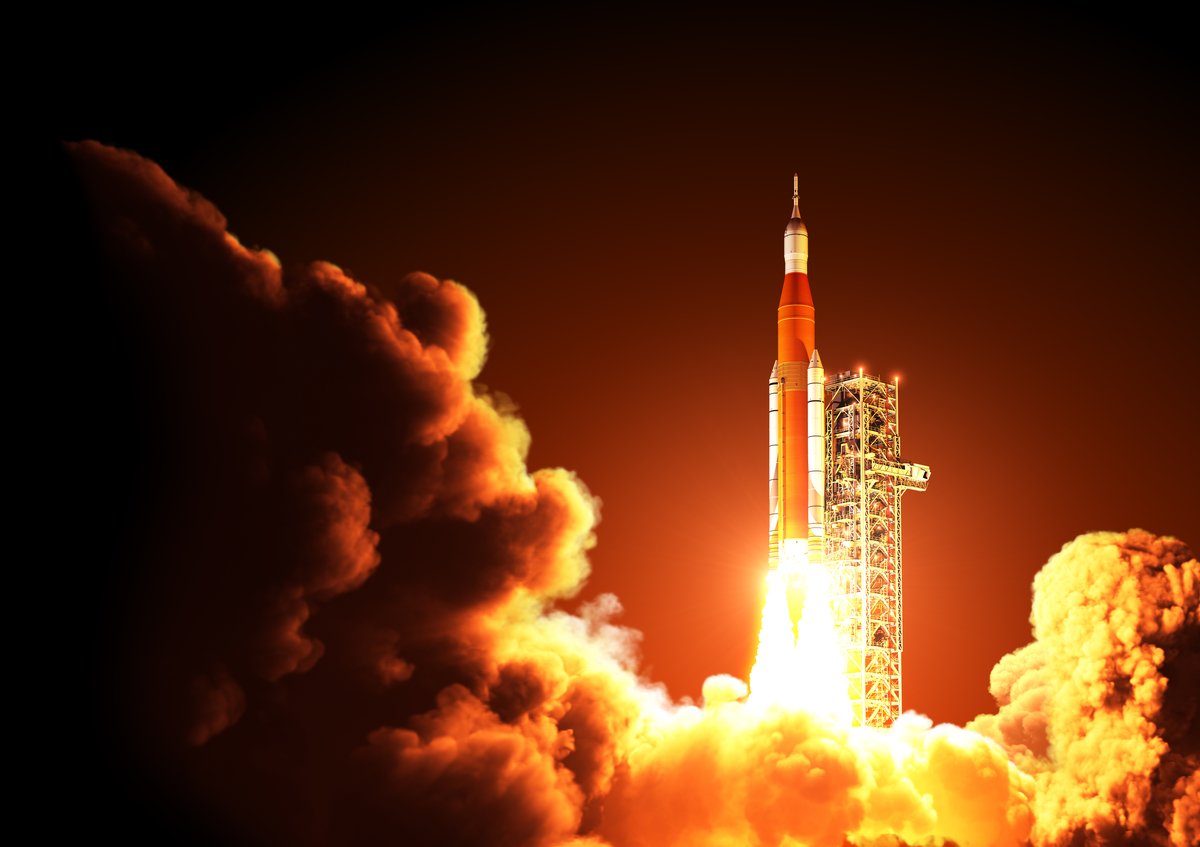
- IPO Announcement: SpaceX is targeting an IPO in June 2024, with a valuation expected to exceed $1 trillion, and some reports suggesting it could reach $1.75 trillion, enabling the company to raise between $50 billion and $75 billion in fresh capital, significantly enhancing its market position.
- Starlink Profit Growth: Although Starlink reported a net loss in 2023, it is projected to achieve approximately $72 million in profit in 2024, with profits reaching $8 billion on around $15 billion in revenue by 2025, indicating strong growth potential and market demand.
- Musk's Business Influence: Musk's successful track record in creating disruptive companies instills confidence in the market regarding SpaceX's future, with analysts believing that investments in Starship, xAI, and data center satellites will ultimately yield returns, further driving up the company's valuation.
- Positive Impact on Tesla: The capital raised by SpaceX will directly benefit Tesla, potentially leading to multi-billion dollar orders for robotics and providing AI and software components, aiding its transformation into a software and robotics-focused business model, thereby enhancing synergies between the two companies.
See More

SpaceX Plans IPO, Potentially Raising $75 Billion
- IPO Fundraising Potential: SpaceX is targeting an IPO in 2023 that could raise between $50 billion and $75 billion, potentially valuing the company at over $1 trillion, with estimates reaching $1.75 trillion, thereby providing substantial capital for future expansion and technological innovation.
- Starlink Profit Growth: Despite a net loss in 2023, Starlink is projected to achieve approximately $72 million in profit in 2024, with profits expected to soar to $8 billion on around $15 billion in revenue by 2025, indicating strong growth potential and profitability in the market.
- Cross-Business Synergies: The close collaboration between SpaceX and Tesla, particularly Tesla's $2 billion investment in xAI and the merger with SpaceX, positions SpaceX as a key supplier for Tesla's AI and software components, potentially lowering costs and enhancing competitiveness.
- Increased Market Confidence: Analysts are optimistic about SpaceX's IPO prospects, believing that Musk's successful track record in creating disruptive companies will bolster investor confidence, driving positive market expectations for SpaceX and its related businesses.
See More
Tesla's Production Shift Sparks Controversy
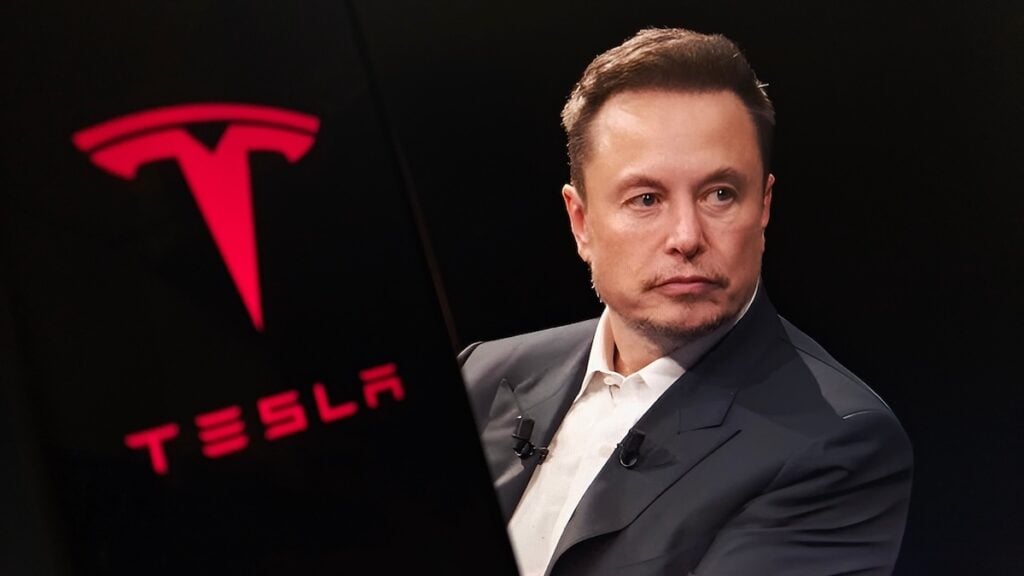
- Production Line Shift: Tesla's decision to wind down production of the premium Model S and Model X vehicles in favor of focusing on the Optimus humanoid robot has drawn criticism from investor Ross Gerber, who argues that this move not only wastes resources but could also weaken Tesla's competitive edge in the electric vehicle market.
- Investor Backlash: Gerber expressed on social media that the Model S is the 'best EV ever made,' and the decision to discontinue this model is seen as detrimental to Tesla's brand value, potentially impacting consumer confidence and future sales.
- Technology Upgrade Plans: Elon Musk revealed that the unveiling of the Optimus humanoid robot is expected between July and August, and while cars equipped with the HW3 chip cannot achieve Unsupervised Full Self-Driving, Tesla plans to upgrade these vehicles to HW4 chips to maintain technological competitiveness.
- Valuation Downgrade Expectations: Investor Gary Black anticipates a decline in Tesla's valuation due to a slowdown in self-driving technology progress, and the company's $25 billion capital expenditure plan reflects its commitment to pivoting towards robotics, which may negatively impact future financial performance.
See More

Tesla's Q1 Earnings Report Analysis
- Surge in Capital Expenditures: Tesla expects capital expenditures to exceed $25 billion in 2026, nearly tripling 2025's spending, which will likely result in negative free cash flow for the upcoming year, potentially pressuring the stock price.
- Volatile Delivery Data: While first-quarter deliveries reached 358,023 vehicles, a 6% year-over-year increase, they fell 14% sequentially from 418,227 in the previous quarter, indicating volatility in delivery growth that may affect market confidence in the company's growth potential.
- Strong Revenue Growth: Tesla's total revenue rose 16% year-over-year to $22.4 billion, with automotive revenue also increasing to $16.2 billion; however, the market remains concerned about its high valuation, believing current growth is insufficient to justify its market cap.
- Future Strategic Investments: Tesla is accelerating investments in AI, Robotaxi, and Cybercab, which may lead to negative cash flow in the short term, but management believes this is the right strategy to lay the groundwork for the company's future growth.
See More

Tesla Q1 Deliveries Rise but Capital Expenditures Surge
- Delivery Data Analysis: Tesla's Q1 vehicle deliveries reached 358,023, marking a 6% year-over-year increase, yet a 14% sequential decline indicates volatility in quarterly delivery patterns, potentially affecting investor confidence.
- Capital Expenditure Outlook: Management now expects capital expenditures to exceed $25 billion in 2026, nearly tripling 2025's spending, which will likely result in negative free cash flow, reflecting pressure during the company's capital-intensive transition.
- Technological Progress: Tesla made strides in autonomy, with paid Robotaxi miles nearly doubling in Q1, and the launch of unsupervised rides in Austin, Dallas, and Houston indicates potential in the future mobility market.
- Financial Overview: Despite a 16% year-over-year revenue growth to $22.4 billion and operating income doubling to $941 million in Q1, the market capitalization of $1.4 trillion and a P/E ratio of 345 suggest high expectations for future growth, raising concerns about potential overvaluation.
See More

Tesla's Q1 Earnings Report Analysis

- Surge in Capital Expenditures: Tesla expects capital expenditures to exceed $25 billion in 2026, nearly tripling 2025's spending, which will likely lead to negative free cash flow for the rest of the year, reflecting financial pressure during its capital-intensive transition.
- Delivery Data Volatility: While first-quarter deliveries increased by 6% year-over-year to 358,023 vehicles, they fell 14% sequentially, indicating challenges in delivery stability that could impact investor confidence.
- Strong Revenue Growth: Tesla's total revenue rose 16% year-over-year to $22.4 billion in Q1, with automotive revenue also increasing to $16.2 billion; however, this growth does not justify its high valuation, as market expectations for future growth remain elevated.
- Advancements in Autonomy: Tesla made significant strides in autonomy, with paid Robotaxi miles nearly doubling in Q1 and launching unsupervised rides in multiple cities, although production timelines may be slow, laying a foundation for future revenue growth.
See More
SpaceX Targets IPO in June with Valuation Exceeding $1 Trillion
- IPO Announcement: SpaceX is targeting an IPO in June 2024, with a valuation expected to exceed $1 trillion, and some reports suggesting it could reach $1.75 trillion, enabling the company to raise between $50 billion and $75 billion in fresh capital, significantly enhancing its market position.
- Starlink Profit Growth: Although Starlink reported a net loss in 2023, it is projected to achieve approximately $72 million in profit in 2024, with profits reaching $8 billion on around $15 billion in revenue by 2025, indicating strong growth potential and market demand.
- Musk's Business Influence: Musk's successful track record in creating disruptive companies instills confidence in the market regarding SpaceX's future, with analysts believing that investments in Starship, xAI, and data center satellites will ultimately yield returns, further driving up the company's valuation.
- Positive Impact on Tesla: The capital raised by SpaceX will directly benefit Tesla, potentially leading to multi-billion dollar orders for robotics and providing AI and software components, aiding its transformation into a software and robotics-focused business model, thereby enhancing synergies between the two companies.
See More
SpaceX Plans IPO, Potentially Raising $75 Billion
- IPO Fundraising Potential: SpaceX is targeting an IPO in 2023 that could raise between $50 billion and $75 billion, potentially valuing the company at over $1 trillion, with estimates reaching $1.75 trillion, thereby providing substantial capital for future expansion and technological innovation.
- Starlink Profit Growth: Despite a net loss in 2023, Starlink is projected to achieve approximately $72 million in profit in 2024, with profits expected to soar to $8 billion on around $15 billion in revenue by 2025, indicating strong growth potential and profitability in the market.
- Cross-Business Synergies: The close collaboration between SpaceX and Tesla, particularly Tesla's $2 billion investment in xAI and the merger with SpaceX, positions SpaceX as a key supplier for Tesla's AI and software components, potentially lowering costs and enhancing competitiveness.
- Increased Market Confidence: Analysts are optimistic about SpaceX's IPO prospects, believing that Musk's successful track record in creating disruptive companies will bolster investor confidence, driving positive market expectations for SpaceX and its related businesses.
See More
Tesla's Production Shift Sparks Controversy
- Production Line Shift: Tesla's decision to wind down production of the premium Model S and Model X vehicles in favor of focusing on the Optimus humanoid robot has drawn criticism from investor Ross Gerber, who argues that this move not only wastes resources but could also weaken Tesla's competitive edge in the electric vehicle market.
- Investor Backlash: Gerber expressed on social media that the Model S is the 'best EV ever made,' and the decision to discontinue this model is seen as detrimental to Tesla's brand value, potentially impacting consumer confidence and future sales.
- Technology Upgrade Plans: Elon Musk revealed that the unveiling of the Optimus humanoid robot is expected between July and August, and while cars equipped with the HW3 chip cannot achieve Unsupervised Full Self-Driving, Tesla plans to upgrade these vehicles to HW4 chips to maintain technological competitiveness.
- Valuation Downgrade Expectations: Investor Gary Black anticipates a decline in Tesla's valuation due to a slowdown in self-driving technology progress, and the company's $25 billion capital expenditure plan reflects its commitment to pivoting towards robotics, which may negatively impact future financial performance.
See More
Tesla's Q1 Earnings Report Analysis
- Surge in Capital Expenditures: Tesla expects capital expenditures to exceed $25 billion in 2026, nearly tripling 2025's spending, which will likely result in negative free cash flow for the upcoming year, potentially pressuring the stock price.
- Volatile Delivery Data: While first-quarter deliveries reached 358,023 vehicles, a 6% year-over-year increase, they fell 14% sequentially from 418,227 in the previous quarter, indicating volatility in delivery growth that may affect market confidence in the company's growth potential.
- Strong Revenue Growth: Tesla's total revenue rose 16% year-over-year to $22.4 billion, with automotive revenue also increasing to $16.2 billion; however, the market remains concerned about its high valuation, believing current growth is insufficient to justify its market cap.
- Future Strategic Investments: Tesla is accelerating investments in AI, Robotaxi, and Cybercab, which may lead to negative cash flow in the short term, but management believes this is the right strategy to lay the groundwork for the company's future growth.
See More
Tesla Q1 Deliveries Rise but Capital Expenditures Surge
- Delivery Data Analysis: Tesla's Q1 vehicle deliveries reached 358,023, marking a 6% year-over-year increase, yet a 14% sequential decline indicates volatility in quarterly delivery patterns, potentially affecting investor confidence.
- Capital Expenditure Outlook: Management now expects capital expenditures to exceed $25 billion in 2026, nearly tripling 2025's spending, which will likely result in negative free cash flow, reflecting pressure during the company's capital-intensive transition.
- Technological Progress: Tesla made strides in autonomy, with paid Robotaxi miles nearly doubling in Q1, and the launch of unsupervised rides in Austin, Dallas, and Houston indicates potential in the future mobility market.
- Financial Overview: Despite a 16% year-over-year revenue growth to $22.4 billion and operating income doubling to $941 million in Q1, the market capitalization of $1.4 trillion and a P/E ratio of 345 suggest high expectations for future growth, raising concerns about potential overvaluation.
See More
Tesla's Q1 Earnings Report Analysis
- Surge in Capital Expenditures: Tesla expects capital expenditures to exceed $25 billion in 2026, nearly tripling 2025's spending, which will likely lead to negative free cash flow for the rest of the year, reflecting financial pressure during its capital-intensive transition.
- Delivery Data Volatility: While first-quarter deliveries increased by 6% year-over-year to 358,023 vehicles, they fell 14% sequentially, indicating challenges in delivery stability that could impact investor confidence.
- Strong Revenue Growth: Tesla's total revenue rose 16% year-over-year to $22.4 billion in Q1, with automotive revenue also increasing to $16.2 billion; however, this growth does not justify its high valuation, as market expectations for future growth remain elevated.
- Advancements in Autonomy: Tesla made significant strides in autonomy, with paid Robotaxi miles nearly doubling in Q1 and launching unsupervised rides in multiple cities, although production timelines may be slow, laying a foundation for future revenue growth.
See More