SpaceX Merger with xAI Valued at $1.25 Trillion
Written by Emily J. Thompson, Senior Investment Analyst
Updated: 1 hour ago
0mins
Should l Buy TSLA?
Source: stocktwits
- Merger Valuation: The merger between SpaceX and xAI elevates the combined valuation to approximately $1.25 trillion, with SpaceX valued at about $1 trillion and xAI at $250 billion, reflecting Musk's ambitious vision in the AI sector.
- IPO Plans: SpaceX is planning to list on Nasdaq and seek early inclusion in the Nasdaq-100 index, with an IPO potentially as early as June, positioning it among the most valuable companies in the U.S. and nearing Saudi Aramco's record $29 billion debut.
- AI Development Strategy: Musk stated that SpaceX aims to leverage space infrastructure to meet AI's electricity demands through its integration with xAI, emphasizing that terrestrial systems cannot fulfill this need, showcasing its strategic foresight in the AI domain.
- Tesla Investment Conversion: Tesla has received U.S. regulatory approval to convert its previously announced $2 billion investment in xAI into a stake in SpaceX, expected to translate into less than a 1% stake, further enhancing the integration and synergy among Musk's companies.
Trade with 70% Backtested Accuracy
Stop guessing "Should I Buy TSLA?" and start using high-conviction signals backed by rigorous historical data.
Sign up today to access powerful investing tools and make smarter, data-driven decisions.
Analyst Views on TSLA
Wall Street analysts forecast TSLA stock price to rise
30 Analyst Rating
12 Buy
11 Hold
7 Sell
Hold
Current: 391.200

Low
25.28
Averages
401.93
High
600.00
Current: 391.200
Low
25.28
Averages
401.93
High
600.00
About TSLA
Tesla, Inc. designs, develops, manufactures, sells and leases high-performance fully electric vehicles and energy generation and storage systems, and offers services related to its products. Its segments include automotive, and energy generation and storage. The automotive segment includes the design, development, manufacturing, sales and leasing of high-performance fully electric vehicles, and sales of automotive regulatory credits. It also includes sales of used vehicles, non-warranty maintenance services and collisions, part sales, paid supercharging, insurance services revenue and retail merchandise sales. The energy generation and storage segment include the design, manufacture, installation, sales and leasing of solar energy generation and energy storage products and related services and sales of solar energy systems incentives. Its consumer vehicles include the Model 3, Y, S, X and Cybertruck. Its lithium-ion battery energy storage products include Powerwall and Megapack.
About the author

Emily J. Thompson
Emily J. Thompson, a Chartered Financial Analyst (CFA) with 12 years in investment research, graduated with honors from the Wharton School. Specializing in industrial and technology stocks, she provides in-depth analysis for Intellectia’s earnings and market brief reports.

Tesla Sales Decline 3%, Yet Long-Term Outlook Remains Positive

- Sales Decline: Tesla's sales fell by 3% last quarter, and while CEO Elon Musk's long-term vision attracts many investors, the short-term sales slump may negatively impact stock performance.
- Net Income Plummets: In the last three months of 2025, Tesla's net income totaled just $840 million, down 61% year-over-year, indicating severe challenges in profitability that could erode investor confidence.
- Valuation Risks: With a price-to-earnings ratio exceeding 350, despite market optimism about future growth, the high valuation may lead to further declines in stock price in the coming weeks and months, increasing investment risks.
- Intensifying Competition: As competition in the electric vehicle market intensifies, Tesla's growth rate may decline further; although Musk is optimistic about the future potential of robots and robotaxis, realizing these visions will take time and present more uncertainties in the short term.
See More

BYD Surpasses Tesla as Global EV Sales Leader
- Sales Comparison: BYD's EV sales reached 2.26 million units in 2025, marking a 28% year-over-year increase, while Tesla's deliveries fell by 8% to 1.64 million, indicating BYD's strong growth momentum in the global market.
- New Model Launch: At a major event in Shenzhen, BYD unveiled 11 new models, including a luxury sedan with over 640 miles of range and several electric SUVs, showcasing its technological innovation and market expansion capabilities in the EV sector.
- Production Line Shift: Tesla announced the discontinuation of the Model S and X, reallocating production capacity to develop the Optimus humanoid robot, indicating a strategic shift away from traditional automotive business that may affect its future competitiveness.
- Market Strategy Change: As BYD accelerates its international expansion, Tesla is focusing on artificial intelligence and autonomous driving technologies, prompting investors to reassess Tesla's prospects in the traditional automotive market, especially amid intensifying competition.
See More

Lucid's Production Progress and Challenges in EV Market
- Production Increase: In Q4 2025, Lucid produced 8,412 electric vehicles, nearly doubling its output year-over-year with over a 70% increase in deliveries, showcasing significant production advancements, although still far behind Tesla's 434,358 units.
- Comparison with Rivian: Lucid's production is closer to fellow startup Rivian, which produced 10,974 vehicles, indicating both are at similar developmental stages; however, Rivian has achieved gross profit, indicating its revenue exceeds production costs, while Lucid continues to incur losses.
- Financial Challenges: Lucid reported revenues of $1.35 billion in 2025 against a cost of goods sold of $2.61 billion, resulting in losses per vehicle sold, and while the company aims for positive cash flow by the decade's end, substantial work remains.
- Investment Risk Warning: With Lucid's stock price plummeting 98% from its peak, it appears cheap, yet in the highly competitive EV market, its future profitability remains uncertain, making it suitable only for aggressive investors who must proceed with caution.
See More

Lucid's Production Progress and Challenges in EV Market
- Production Increase: In Q4 2025, Lucid produced 8,412 electric vehicles, nearly doubling its output, although it remains significantly behind Tesla's 434,358 units, indicating progress in production capacity.
- Delivery Growth: The company saw over a 70% increase in deliveries in Q4 2025, suggesting some advancement in market demand, yet overall sales still lag far behind industry leaders.
- Financial Challenges: Lucid reported revenues of $1.35 billion in 2025 against a cost of goods sold of $2.61 billion, resulting in losses on each vehicle sold, highlighting significant profitability challenges ahead.
- Investment Risks: Despite winning multiple awards for its electric vehicles, Lucid operates in a highly competitive market and remains in start-up mode, making it suitable only for aggressive investors who must carefully consider its long-term profitability prospects.
See More

Lucid's Production Increases but Faces Significant Challenges
- Production Increase: In Q4 2025, Lucid produced 8,412 electric vehicles, nearly doubling its output and achieving over 70% growth in deliveries, indicating significant progress in production capacity, although still far behind Tesla's 434,358 vehicles.
- Comparison with Rivian: Lucid's production is closer to fellow startup Rivian, which produced 10,974 vehicles in the same quarter; however, Rivian achieved gross profit in 2025, indicating its sales revenue exceeded production costs, while Lucid continues to operate at a loss.
- Financial Challenges: Lucid reported revenues of $1.35 billion in 2025 against a cost of goods sold of $2.61 billion, highlighting substantial profitability challenges, even as it aims to achieve positive cash flow by the end of the decade.
- Investment Risk Warning: Lucid's stock is considered suitable for aggressive investors, yet its unclear path to sustainable profitability in a highly competitive market, coupled with its exclusion from The Motley Fool's recommended stocks, suggests that investors should proceed with caution.
See More
SpaceX Merger with xAI Valued at $1.25 Trillion
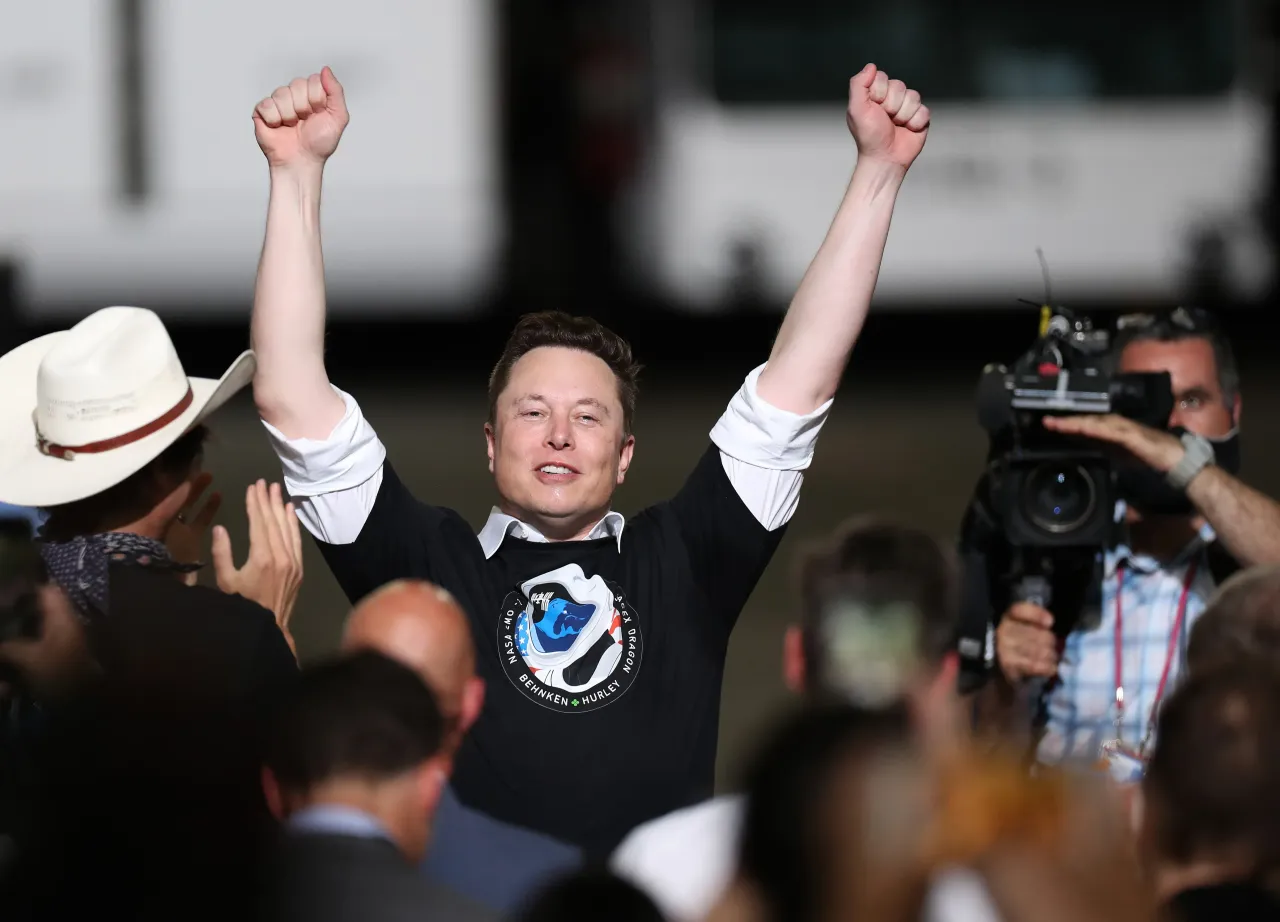
- Merger Valuation: The merger between SpaceX and xAI elevates the combined valuation to approximately $1.25 trillion, with SpaceX valued at about $1 trillion and xAI at $250 billion, reflecting Musk's ambitious vision in the AI sector.
- IPO Plans: SpaceX is planning to list on Nasdaq and seek early inclusion in the Nasdaq-100 index, with an IPO potentially as early as June, positioning it among the most valuable companies in the U.S. and nearing Saudi Aramco's record $29 billion debut.
- AI Development Strategy: Musk stated that SpaceX aims to leverage space infrastructure to meet AI's electricity demands through its integration with xAI, emphasizing that terrestrial systems cannot fulfill this need, showcasing its strategic foresight in the AI domain.
- Tesla Investment Conversion: Tesla has received U.S. regulatory approval to convert its previously announced $2 billion investment in xAI into a stake in SpaceX, expected to translate into less than a 1% stake, further enhancing the integration and synergy among Musk's companies.
See More
Tesla Sales Decline 3%, Yet Long-Term Outlook Remains Positive
- Sales Decline: Tesla's sales fell by 3% last quarter, and while CEO Elon Musk's long-term vision attracts many investors, the short-term sales slump may negatively impact stock performance.
- Net Income Plummets: In the last three months of 2025, Tesla's net income totaled just $840 million, down 61% year-over-year, indicating severe challenges in profitability that could erode investor confidence.
- Valuation Risks: With a price-to-earnings ratio exceeding 350, despite market optimism about future growth, the high valuation may lead to further declines in stock price in the coming weeks and months, increasing investment risks.
- Intensifying Competition: As competition in the electric vehicle market intensifies, Tesla's growth rate may decline further; although Musk is optimistic about the future potential of robots and robotaxis, realizing these visions will take time and present more uncertainties in the short term.
See More
BYD Surpasses Tesla as Global EV Sales Leader
- Sales Comparison: BYD's EV sales reached 2.26 million units in 2025, marking a 28% year-over-year increase, while Tesla's deliveries fell by 8% to 1.64 million, indicating BYD's strong growth momentum in the global market.
- New Model Launch: At a major event in Shenzhen, BYD unveiled 11 new models, including a luxury sedan with over 640 miles of range and several electric SUVs, showcasing its technological innovation and market expansion capabilities in the EV sector.
- Production Line Shift: Tesla announced the discontinuation of the Model S and X, reallocating production capacity to develop the Optimus humanoid robot, indicating a strategic shift away from traditional automotive business that may affect its future competitiveness.
- Market Strategy Change: As BYD accelerates its international expansion, Tesla is focusing on artificial intelligence and autonomous driving technologies, prompting investors to reassess Tesla's prospects in the traditional automotive market, especially amid intensifying competition.
See More
Lucid's Production Progress and Challenges in EV Market
- Production Increase: In Q4 2025, Lucid produced 8,412 electric vehicles, nearly doubling its output year-over-year with over a 70% increase in deliveries, showcasing significant production advancements, although still far behind Tesla's 434,358 units.
- Comparison with Rivian: Lucid's production is closer to fellow startup Rivian, which produced 10,974 vehicles, indicating both are at similar developmental stages; however, Rivian has achieved gross profit, indicating its revenue exceeds production costs, while Lucid continues to incur losses.
- Financial Challenges: Lucid reported revenues of $1.35 billion in 2025 against a cost of goods sold of $2.61 billion, resulting in losses per vehicle sold, and while the company aims for positive cash flow by the decade's end, substantial work remains.
- Investment Risk Warning: With Lucid's stock price plummeting 98% from its peak, it appears cheap, yet in the highly competitive EV market, its future profitability remains uncertain, making it suitable only for aggressive investors who must proceed with caution.
See More
Lucid's Production Progress and Challenges in EV Market
- Production Increase: In Q4 2025, Lucid produced 8,412 electric vehicles, nearly doubling its output, although it remains significantly behind Tesla's 434,358 units, indicating progress in production capacity.
- Delivery Growth: The company saw over a 70% increase in deliveries in Q4 2025, suggesting some advancement in market demand, yet overall sales still lag far behind industry leaders.
- Financial Challenges: Lucid reported revenues of $1.35 billion in 2025 against a cost of goods sold of $2.61 billion, resulting in losses on each vehicle sold, highlighting significant profitability challenges ahead.
- Investment Risks: Despite winning multiple awards for its electric vehicles, Lucid operates in a highly competitive market and remains in start-up mode, making it suitable only for aggressive investors who must carefully consider its long-term profitability prospects.
See More
Lucid's Production Increases but Faces Significant Challenges
- Production Increase: In Q4 2025, Lucid produced 8,412 electric vehicles, nearly doubling its output and achieving over 70% growth in deliveries, indicating significant progress in production capacity, although still far behind Tesla's 434,358 vehicles.
- Comparison with Rivian: Lucid's production is closer to fellow startup Rivian, which produced 10,974 vehicles in the same quarter; however, Rivian achieved gross profit in 2025, indicating its sales revenue exceeded production costs, while Lucid continues to operate at a loss.
- Financial Challenges: Lucid reported revenues of $1.35 billion in 2025 against a cost of goods sold of $2.61 billion, highlighting substantial profitability challenges, even as it aims to achieve positive cash flow by the end of the decade.
- Investment Risk Warning: Lucid's stock is considered suitable for aggressive investors, yet its unclear path to sustainable profitability in a highly competitive market, coupled with its exclusion from The Motley Fool's recommended stocks, suggests that investors should proceed with caution.
See More
SpaceX Merger with xAI Valued at $1.25 Trillion
- Merger Valuation: The merger between SpaceX and xAI elevates the combined valuation to approximately $1.25 trillion, with SpaceX valued at about $1 trillion and xAI at $250 billion, reflecting Musk's ambitious vision in the AI sector.
- IPO Plans: SpaceX is planning to list on Nasdaq and seek early inclusion in the Nasdaq-100 index, with an IPO potentially as early as June, positioning it among the most valuable companies in the U.S. and nearing Saudi Aramco's record $29 billion debut.
- AI Development Strategy: Musk stated that SpaceX aims to leverage space infrastructure to meet AI's electricity demands through its integration with xAI, emphasizing that terrestrial systems cannot fulfill this need, showcasing its strategic foresight in the AI domain.
- Tesla Investment Conversion: Tesla has received U.S. regulatory approval to convert its previously announced $2 billion investment in xAI into a stake in SpaceX, expected to translate into less than a 1% stake, further enhancing the integration and synergy among Musk's companies.
See More