SpaceX Achieves Historic IPO, Valued at $2.1 Trillion
Written by Emily J. Thompson, Senior Investment Analyst
Updated: 41 minutes ago
0mins

Source: Fool
- Historic IPO: SpaceX went public on June 12 at $135 per share, raising $75 billion and setting the record for the largest initial public offering (IPO) in history, yet it faces a staggering trailing net loss of approximately $9.4 billion, highlighting significant profitability challenges ahead.
- Revenue vs. Loss: According to the company's IPO prospectus, SpaceX generated about $19.3 billion in revenue for 2025, with the Starlink business contributing $11.4 billion in revenue and $4.4 billion in operating profit, but overall losses remain substantial due to high R&D expenses and AI operational costs.
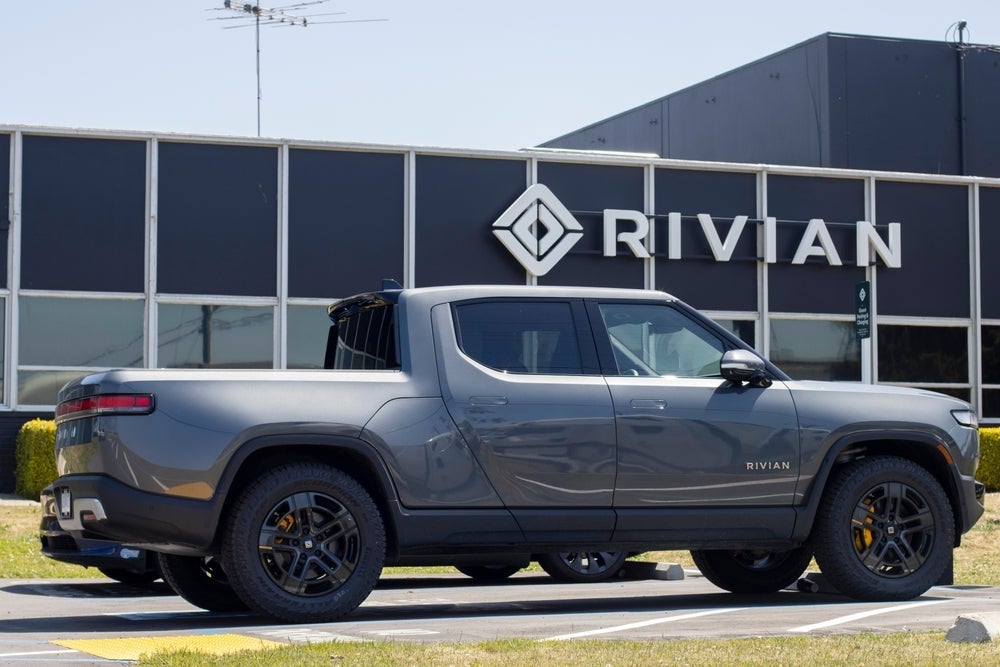
- Unprecedented Market Valuation: SpaceX's market cap is 14 times that of Rivian, which peaked at $150 billion in 2021, indicating extremely high market expectations; however, this valuation also implies that the company must achieve sustained growth and profitability in the future to maintain its status.
- Investor Focus: While historically some companies have been valued highly despite losses, SpaceX's situation is unique, and investors should closely monitor its upcoming earnings report to assess whether Starlink's growth and margins are holding up, as well as the scaling of Starship and AI expenditures, which will directly impact its future market performance.
Trade with 70% Backtested Accuracy
Stop guessing "Should I Buy SPCX?" and start using high-conviction signals backed by rigorous historical data.
Sign up today to access powerful investing tools and make smarter, data-driven decisions.
Analyst Views on SPCX
Wall Street analysts forecast SPCX stock price to rise
0 Analyst Rating
0 Buy
0 Hold
0 Sell
Current: 157.540

Low
Averages
High
Current: 157.540
Low
Averages
High
About SPCX
Space Exploration Technologies Corp. designs, manufactures, launches, and operates products and services built on technologies, including rockets and spacecraft. The Company's segments include Space, Connectivity, and artificial intelligence (AI). Its Space segment designs, manufactures, and launches reusable rockets to provide access to space. Its Connectivity segment operates broadband data and communications network powered by approximately 9,600 Starlink broadband and mobile satellites in Low-Earth orbit, delivering connectivity to consumer, enterprises, and government customers over 164 countries, territories, and other markets. In its AI segment, it operates a vertically integrated AI platform spanning its truth-seeking frontier model Grok, AI solutions for consumer and enterprise customers, X-its real-time information, entertainment, and free speech platform and AI computational infrastructure.
About the author

Emily J. Thompson
Emily J. Thompson, a Chartered Financial Analyst (CFA) with 12 years in investment research, graduated with honors from the Wharton School. Specializing in industrial and technology stocks, she provides in-depth analysis for Intellectia’s earnings and market brief reports.

SpaceX IPO May Set Fast Track for Other Mega-Cap Debuts

- Market Dynamics Impact: Nick Ryder, Chief Investment Officer at Kathmere Capital Management, emphasizes that market conditions will dictate whether upcoming mega-cap IPOs will emulate SpaceX's successful model, indicating that market sentiment is crucial for IPO success.
- SpaceX IPO Performance: Since its public debut on June 12, SpaceX has achieved a market cap exceeding $2 trillion, with an opening price of $150, and saw its stock price soar 53% within just three days, reflecting strong market demand, although it has since moderated to a nearly 17% increase.
- Index Inclusion Speed: SpaceX has become one of the fastest stocks to be added to major indices, already included in the Russell 1000 and set to join the Nasdaq-100 after market close on July 6, showcasing its rapid market acceptance.
- Future IPO Blueprint: Arne Noack from FTSE Russell highlights that index providers have established a clear blueprint, allowing any company meeting specific criteria to potentially achieve fast-track index inclusion, providing a model for future IPOs.
See More

SpaceX Achieves Historic IPO, Valued at $2.1 Trillion

- Historic IPO: SpaceX went public on June 12 at $135 per share, raising $75 billion and setting the record for the largest initial public offering (IPO) in history, yet it faces a staggering trailing net loss of approximately $9.4 billion, highlighting significant profitability challenges ahead.
- Revenue vs. Loss: According to the company's IPO prospectus, SpaceX generated about $19.3 billion in revenue for 2025, with the Starlink business contributing $11.4 billion in revenue and $4.4 billion in operating profit, but overall losses remain substantial due to high R&D expenses and AI operational costs.
- Unprecedented Market Valuation: SpaceX's market cap is 14 times that of Rivian, which peaked at $150 billion in 2021, indicating extremely high market expectations; however, this valuation also implies that the company must achieve sustained growth and profitability in the future to maintain its status.
- Investor Focus: While historically some companies have been valued highly despite losses, SpaceX's situation is unique, and investors should closely monitor its upcoming earnings report to assess whether Starlink's growth and margins are holding up, as well as the scaling of Starship and AI expenditures, which will directly impact its future market performance.
See More

SpaceX Achieves Historic $75 Billion IPO, Valued at $2.1 Trillion

- Record IPO Size: SpaceX went public on June 12 at $135 per share, raising $75 billion, marking the largest initial public offering in history, which underscores the market's high expectations for its future potential.
- Market Cap Surpasses $2 Trillion: Three weeks post-IPO, SpaceX commands a market capitalization of approximately $2.1 trillion, despite reporting a trailing net loss of about $9.4 billion across 2025 and Q1 2026, indicating an unprecedented valuation that reflects extreme market optimism.
- Revenue vs. Loss Analysis: According to the IPO prospectus, SpaceX generated around $19.3 billion in revenue in 2025, with a net loss of $4.9 billion; however, its Starlink business accounted for 61% of revenue and produced $4.4 billion in operating profit, highlighting its potential profitability.
- Future Growth Challenges: The high valuation demands that SpaceX's Starlink business continues to grow, while the Starship and AI projects must convert their substantial R&D expenditures into significant cost reductions, prompting investors to closely monitor the upcoming earnings report for insights into actual performance and future outlook.
See More
Strong Market Gains Offset by Sandisk and AI Stocks Sell-off


- Strong Market Performance: The overall stock market experienced significant gains this week, with major indices rising over 3%, reflecting investor optimism about future economic prospects.
- AI Stocks Sell-off: However, on Thursday, Sandisk and other AI-related stocks faced notable sell-offs, leading to price declines that indicate concerns over the high valuations of tech stocks.
- Investor Sentiment Fluctuations: This price volatility suggests that while the market is performing well overall, individual stock performance may be influenced by market sentiment and investor confidence, increasing uncertainty in investments.
- Cautious Future Outlook: Analysts note that despite the positive market performance, ongoing scrutiny of tech stocks and potential risks of pullbacks could affect investor decisions, especially ahead of upcoming economic data releases.
See More
OpenAI Considers Delaying IPO Until Next Year

- Potential IPO Delay: OpenAI is reportedly considering postponing its IPO until next year, despite having filed preliminary paperwork, which has disappointed investors eager to invest in the AI sector amid current market volatility.
- Market Volatility Impact: SpaceX's IPO has shown significant volatility, with its stock price dropping from an opening of $150 to a peak of $225 and then back to $156, raising concerns among OpenAI's advisors about the risks of going public in the current environment.
- Massive Spending and Profit Outlook: OpenAI incurred an operating loss of nearly $21 billion last year and spent about $34 billion, while projecting $13 billion in revenue for 2025 and a $20 billion annual revenue run rate, leading investors to doubt its future profitability.
- Statistical Lessons on IPO Performance: Research indicates that companies valued over $10 billion averaged a 26.5% return in their first week post-IPO, but only 3.5% a year later, suggesting that investors should brace for significant stock price volatility once OpenAI goes public.
See More
Trump Expresses Concerns Over Federal Reserve Board's Hostility

- Internal Resistance at Fed: Trump highlighted that newly appointed Federal Reserve Chairman Kevin Warsh is facing significant internal resistance from the board, which he described as 'a little bit hostile,' potentially hindering Warsh's ability to implement the administration's desired monetary policies, thereby impacting economic stability.
- Strategic Tech Investment: Trump emphasized the administration's strategy in domestic semiconductor production, mentioning an $8.9 billion investment in Intel last August, which secured a 10% stake in the company, aimed at enhancing U.S. competitiveness in global manufacturing and ensuring technological autonomy.
- Relationship with Elon Musk: Trump stated that he maintains a good relationship with Tesla and SpaceX CEO Elon Musk and expects Musk to donate SpaceX stock to Trump Accounts, which could provide financial support for his investment platform tailored for American minors.
- Market Sentiment Analysis: Retail sentiment on Stocktwits for SPY, QQQ, and DIA was 'bullish' with normal to high message volumes, reflecting investor confidence in the market despite uncertainties surrounding economic data.
See More
SpaceX IPO May Set Fast Track for Other Mega-Cap Debuts
- Market Dynamics Impact: Nick Ryder, Chief Investment Officer at Kathmere Capital Management, emphasizes that market conditions will dictate whether upcoming mega-cap IPOs will emulate SpaceX's successful model, indicating that market sentiment is crucial for IPO success.
- SpaceX IPO Performance: Since its public debut on June 12, SpaceX has achieved a market cap exceeding $2 trillion, with an opening price of $150, and saw its stock price soar 53% within just three days, reflecting strong market demand, although it has since moderated to a nearly 17% increase.
- Index Inclusion Speed: SpaceX has become one of the fastest stocks to be added to major indices, already included in the Russell 1000 and set to join the Nasdaq-100 after market close on July 6, showcasing its rapid market acceptance.
- Future IPO Blueprint: Arne Noack from FTSE Russell highlights that index providers have established a clear blueprint, allowing any company meeting specific criteria to potentially achieve fast-track index inclusion, providing a model for future IPOs.
See More
SpaceX Achieves Historic IPO, Valued at $2.1 Trillion
- Historic IPO: SpaceX went public on June 12 at $135 per share, raising $75 billion and setting the record for the largest initial public offering (IPO) in history, yet it faces a staggering trailing net loss of approximately $9.4 billion, highlighting significant profitability challenges ahead.
- Revenue vs. Loss: According to the company's IPO prospectus, SpaceX generated about $19.3 billion in revenue for 2025, with the Starlink business contributing $11.4 billion in revenue and $4.4 billion in operating profit, but overall losses remain substantial due to high R&D expenses and AI operational costs.
- Unprecedented Market Valuation: SpaceX's market cap is 14 times that of Rivian, which peaked at $150 billion in 2021, indicating extremely high market expectations; however, this valuation also implies that the company must achieve sustained growth and profitability in the future to maintain its status.
- Investor Focus: While historically some companies have been valued highly despite losses, SpaceX's situation is unique, and investors should closely monitor its upcoming earnings report to assess whether Starlink's growth and margins are holding up, as well as the scaling of Starship and AI expenditures, which will directly impact its future market performance.
See More
SpaceX Achieves Historic $75 Billion IPO, Valued at $2.1 Trillion
- Record IPO Size: SpaceX went public on June 12 at $135 per share, raising $75 billion, marking the largest initial public offering in history, which underscores the market's high expectations for its future potential.
- Market Cap Surpasses $2 Trillion: Three weeks post-IPO, SpaceX commands a market capitalization of approximately $2.1 trillion, despite reporting a trailing net loss of about $9.4 billion across 2025 and Q1 2026, indicating an unprecedented valuation that reflects extreme market optimism.
- Revenue vs. Loss Analysis: According to the IPO prospectus, SpaceX generated around $19.3 billion in revenue in 2025, with a net loss of $4.9 billion; however, its Starlink business accounted for 61% of revenue and produced $4.4 billion in operating profit, highlighting its potential profitability.
- Future Growth Challenges: The high valuation demands that SpaceX's Starlink business continues to grow, while the Starship and AI projects must convert their substantial R&D expenditures into significant cost reductions, prompting investors to closely monitor the upcoming earnings report for insights into actual performance and future outlook.
See More
Strong Market Gains Offset by Sandisk and AI Stocks Sell-off
- Strong Market Performance: The overall stock market experienced significant gains this week, with major indices rising over 3%, reflecting investor optimism about future economic prospects.
- AI Stocks Sell-off: However, on Thursday, Sandisk and other AI-related stocks faced notable sell-offs, leading to price declines that indicate concerns over the high valuations of tech stocks.
- Investor Sentiment Fluctuations: This price volatility suggests that while the market is performing well overall, individual stock performance may be influenced by market sentiment and investor confidence, increasing uncertainty in investments.
- Cautious Future Outlook: Analysts note that despite the positive market performance, ongoing scrutiny of tech stocks and potential risks of pullbacks could affect investor decisions, especially ahead of upcoming economic data releases.
See More
OpenAI Considers Delaying IPO Until Next Year
- Potential IPO Delay: OpenAI is reportedly considering postponing its IPO until next year, despite having filed preliminary paperwork, which has disappointed investors eager to invest in the AI sector amid current market volatility.
- Market Volatility Impact: SpaceX's IPO has shown significant volatility, with its stock price dropping from an opening of $150 to a peak of $225 and then back to $156, raising concerns among OpenAI's advisors about the risks of going public in the current environment.
- Massive Spending and Profit Outlook: OpenAI incurred an operating loss of nearly $21 billion last year and spent about $34 billion, while projecting $13 billion in revenue for 2025 and a $20 billion annual revenue run rate, leading investors to doubt its future profitability.
- Statistical Lessons on IPO Performance: Research indicates that companies valued over $10 billion averaged a 26.5% return in their first week post-IPO, but only 3.5% a year later, suggesting that investors should brace for significant stock price volatility once OpenAI goes public.
See More
Trump Expresses Concerns Over Federal Reserve Board's Hostility
- Internal Resistance at Fed: Trump highlighted that newly appointed Federal Reserve Chairman Kevin Warsh is facing significant internal resistance from the board, which he described as 'a little bit hostile,' potentially hindering Warsh's ability to implement the administration's desired monetary policies, thereby impacting economic stability.
- Strategic Tech Investment: Trump emphasized the administration's strategy in domestic semiconductor production, mentioning an $8.9 billion investment in Intel last August, which secured a 10% stake in the company, aimed at enhancing U.S. competitiveness in global manufacturing and ensuring technological autonomy.
- Relationship with Elon Musk: Trump stated that he maintains a good relationship with Tesla and SpaceX CEO Elon Musk and expects Musk to donate SpaceX stock to Trump Accounts, which could provide financial support for his investment platform tailored for American minors.
- Market Sentiment Analysis: Retail sentiment on Stocktwits for SPY, QQQ, and DIA was 'bullish' with normal to high message volumes, reflecting investor confidence in the market despite uncertainties surrounding economic data.
See More