S&P 500 Posts Fourth Straight Weekly Loss Amid U.S.-Iran Conflict
Written by Emily J. Thompson, Senior Investment Analyst
Updated: Mar 21 2026
0mins

Should l Buy OXY?
Source: CNBC
- Oversold Stock Analysis: The S&P 500 has posted its fourth consecutive weekly loss amid the ongoing U.S.-Iran conflict, pushing several stocks into oversold territory with a relative strength index (RSI) below 30, notably McCormick, which fell over 7% this week and has an RSI of 21.3, indicating weakened investor confidence.
- Potential Merger for McCormick: Despite McCormick's stock decline, it showed relative strength on Friday following news that Unilever is considering merging its food business with McCormick, with analysts noting the potential for significant EPS growth from the deal, though execution risks and Unilever's majority ownership could dampen initial investor enthusiasm.
- Energy Stocks Overbought: Conversely, energy companies dominate the overbought list, with APA reaching an RSI of 81.7 and rising approximately 14% for the week, suggesting that energy stocks may continue to gain alongside rising oil prices due to the U.S.-Iran conflict, although the overbought signal may prompt investors to consider trimming positions.
- Market Sentiment and Consumer Staples: The ongoing conflict has led to tightened consumer spending, resulting in oversold conditions for consumer staples like General Mills and Conagra Brands, reflecting a lack of confidence in these stocks that could impact future sales and earnings expectations.
Trade with 70% Backtested Accuracy
Stop guessing "Should I Buy OXY?" and start using high-conviction signals backed by rigorous historical data.
Sign up today to access powerful investing tools and make smarter, data-driven decisions.
Analyst Views on OXY
Wall Street analysts forecast OXY stock price to fall
16 Analyst Rating
4 Buy
9 Hold
3 Sell
Hold
Current: 65.000

Low
38.00
Averages
47.27
High
64.00
Current: 65.000
Low
38.00
Averages
47.27
High
64.00
About OXY
Occidental Petroleum Corporation is an international energy company with assets primarily in the United States, the Middle East and North Africa. The Company is an oil and gas producer in the United States, including a producer in the Permian and DJ basins, and the offshore Gulf of Mexico. Its segments include oil and gas, and midstream and marketing. The oil and gas segment explores for, develops, and produces oil (which includes condensate), natural gas liquids (NGL) and natural gas. The Company's midstream and marketing segment purchases, markets, gathers, processes, transports, and stores oil (which includes condensate), NGL, natural gas, carbon dioxide (CO2) and power. The midstream and marketing segment provides flow assurance and maximizes the value of its oil and gas. It also optimizes its transportation and storage capacity and invests in entities that conduct similar activities. This segment also includes low-carbon venture businesses.
About the author

Emily J. Thompson
Emily J. Thompson, a Chartered Financial Analyst (CFA) with 12 years in investment research, graduated with honors from the Wharton School. Specializing in industrial and technology stocks, she provides in-depth analysis for Intellectia’s earnings and market brief reports.
Nike Shares Drop 10% Despite Beating Earnings Expectations


- Nike's Revenue Decline: Nike's North American revenue of $5.03 billion fell short of the $5.04 billion expected by analysts, leading to a 10% drop in stock price; however, the company reported fiscal third-quarter earnings of 35 cents per share and $11.28 billion in revenue, exceeding expectations of 28 cents and $11.24 billion, showcasing resilience amid challenges.
- Dave & Buster's Positive Outlook: Dave & Buster's shares rose 7% as management anticipates increases in same-store sales, revenue, and adjusted EBITDA in 2026, despite posting a fourth-quarter adjusted loss of 35 cents per share and revenue of $529.6 million, below the expected profit of 39 cents and revenue of $555.9 million, indicating future growth potential.
- PVH Strong Performance: PVH's stock increased by 1% after reporting fourth-quarter adjusted earnings of $3.82 per share and revenue of $2.51 billion, both surpassing analyst expectations of $3.31 per share and $2.43 billion, reflecting successful brand management.
- NCino Stock Surge: NCino shares surged 22% after providing first-quarter revenue guidance of $154.5 million to $156.4 million, exceeding the $152.7 million consensus, with fourth-quarter revenue also surpassing expectations at $149.7 million, indicating strong performance in the cloud software market.
See More

Strait of Hormuz Blockage Triggers Oil Price Surge

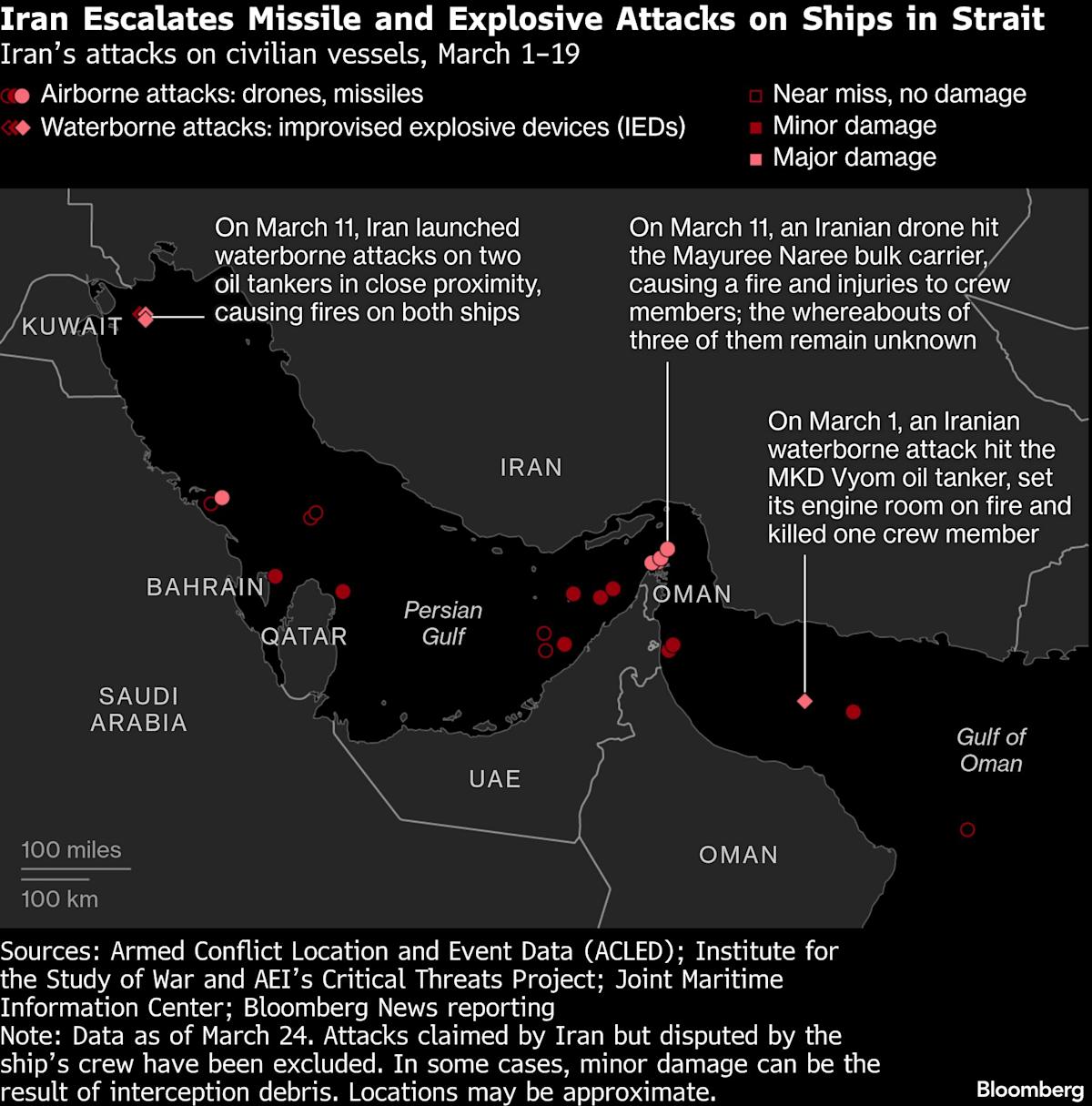
- Oil Price Surge: The effective blockade of the Strait of Hormuz by Iran has caused crude prices to soar above $100 per barrel, with expectations of severe oil supply shortages if the blockade persists, significantly impacting the global economy.
- Chokepoint Overview: The Strait of Hormuz, only about 29 miles wide, previously handled 20% of global oil and LNG supplies, making it a prime target for Iranian attacks, which exacerbates market uncertainty.
- Bab el-Mandeb's Rising Importance: Connecting the Red Sea to the Gulf of Aden, Bab el-Mandeb saw 4.2 million barrels of oil flow through last year, and its significance has surged following the closure of the Strait of Hormuz, with Saudi Arabia ramping up oil volumes on the East-West Pipeline to 7 million barrels per day, 330% above pre-war levels.
- Market Risk Potential: Analysts warn that if both the Strait of Hormuz and Bab el-Mandeb are closed, oil prices could surge to $150-$200 per barrel, which would severely damage the global economy while benefiting oil companies like ConocoPhillips and Occidental Petroleum that operate outside these chokepoints.
See More

Strait of Hormuz Blockage Impacts Global Oil Markets
- Surging Oil Prices: The blockage of the Strait of Hormuz has pushed crude prices above $100 per barrel, with analysts predicting that prolonged closures of both key chokepoints could drive prices to $150-$200, severely impacting the global economy.
- Importance of Bab el-Mandeb: Bab el-Mandeb Strait connects the Red Sea to the Gulf of Aden, with approximately 4.2 million barrels of oil flowing through it last year, and its significance has increased markedly following the closure of the Strait of Hormuz.
- Saudi Arabia's Response: Saudi Arabia has ramped up oil volumes on the East-West Pipeline to 7 million barrels per day, a 330% increase from pre-war levels, to bypass the Strait of Hormuz and ensure oil supply continuity.
- Impact on Oil Companies: Companies like ConocoPhillips and Occidental Petroleum, which have limited exposure to the Strait of Hormuz, are expected to benefit from rising oil prices, with ConocoPhillips estimating that a $1 increase in oil prices could boost its annual cash flows by $20 million to $150 million.
See More
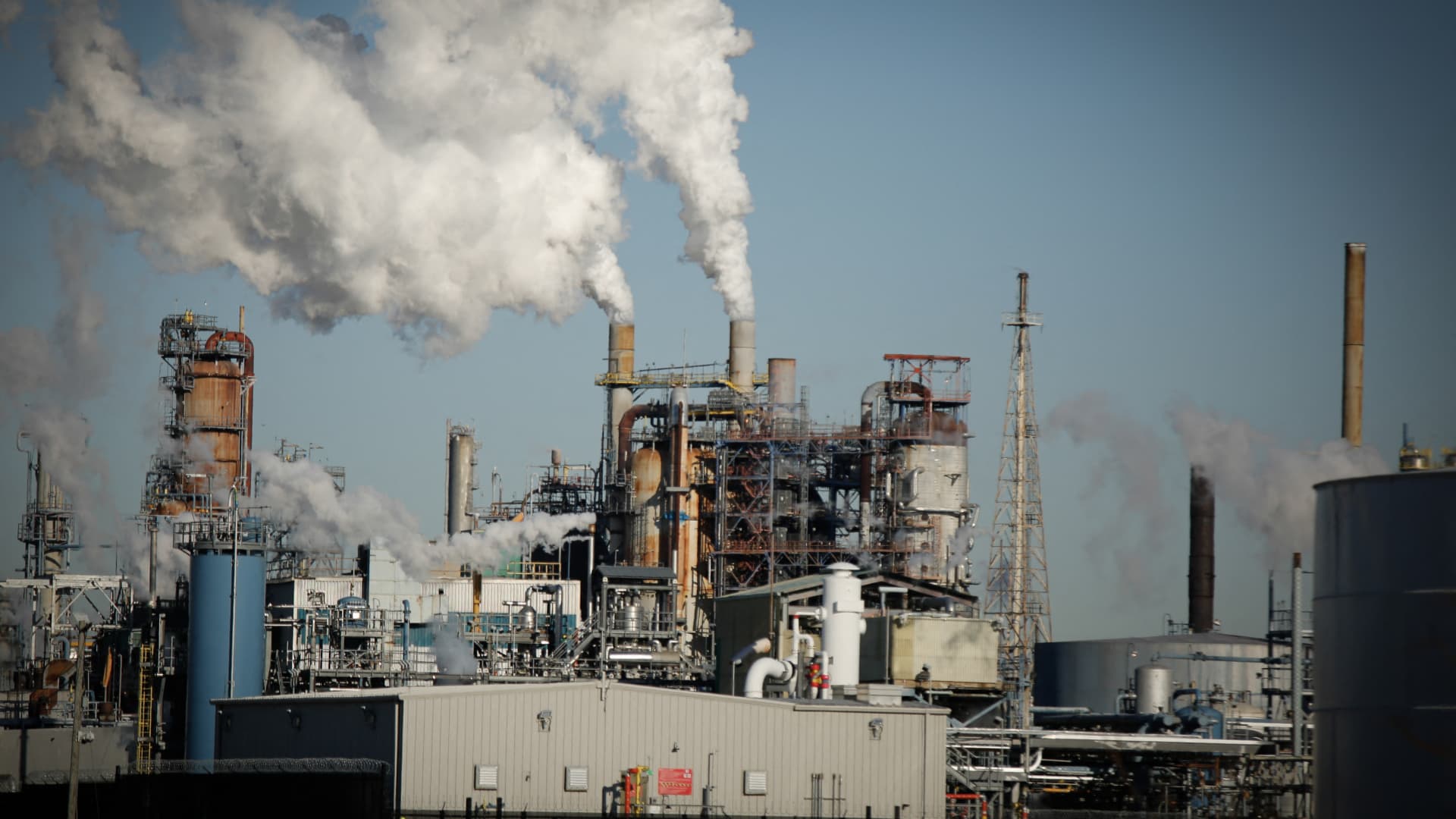
Crude Oil Prices Surge Amid Middle East Tensions


- Oil Price Surge: Brent crude for June delivery rose 1.5% to $105.56 per barrel, with March prices soaring over 60%, marking the largest monthly rally since 1988, indicating market sensitivity to Middle Eastern tensions.
- Strong U.S. Crude Performance: U.S. crude for May also increased by 1.5% to $102.92 per barrel, with a 51% rise in March, representing the best performance since May 2020, reflecting concerns over supply disruptions.
- Escalating Geopolitical Risks: Iranian drones targeted fuel tanks at Kuwait International Airport, causing a massive fire and exacerbating global economic fears over reliance on Middle Eastern oil, especially with shipments through the Strait of Hormuz nearly halted.
- Trump's Withdrawal Statement: Trump indicated that U.S. forces are expected to leave Iran in two to three weeks, dismissing the need for a negotiated deal to end the conflict, which could lead to further oil price volatility and impact global market stability.
See More
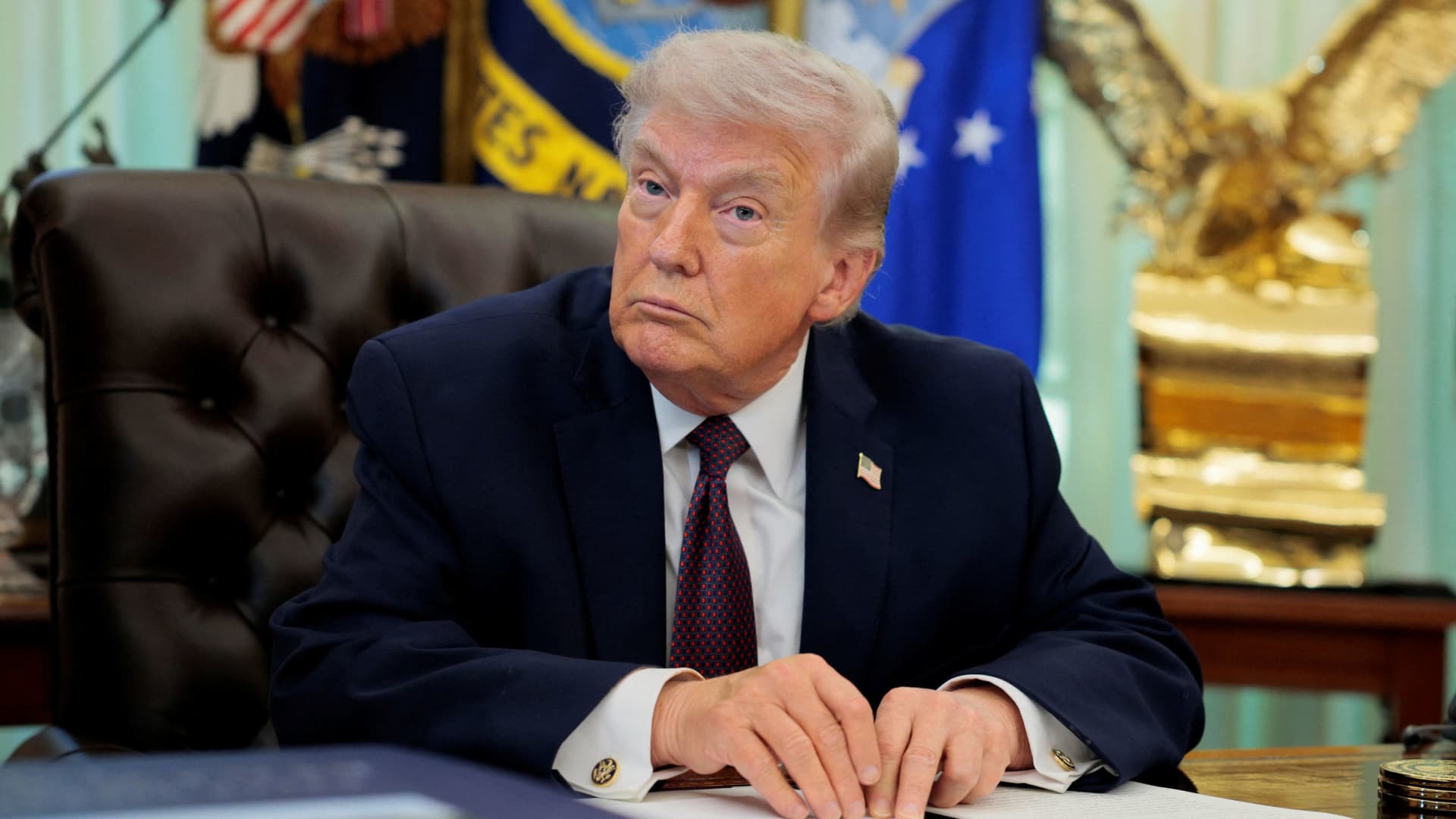
Trump Signs Executive Order Amid Iran Conflict Hopes


- Market Rally: Wall Street experienced a significant rally on Tuesday due to renewed optimism regarding a potential resolution to the U.S.-Iran conflict, with all three major indexes posting their best day since May; the Dow surged over 1,100 points, the S&P 500 rose 2.91% to 6,528.52, and the Nasdaq Composite climbed 3.83% to 21,590.63, indicating strong investor sentiment.
- Trump's Upcoming Address: The White House announced that President Trump will deliver an important address regarding Iran on Wednesday at 9 p.m. ET, which is expected to further influence market sentiment, especially as he indicated that U.S. military forces might leave Iran in “two to three weeks,” potentially sustaining the current optimism.
- Oil Price Fluctuations: Brent crude prices remained elevated following Iran's attack on a Kuwaiti oil tanker near Dubai, with partial closures of the Strait of Hormuz impacting global supply chains, particularly in the oil sector, highlighting the ongoing geopolitical risks affecting energy markets.
- Tech Stock Movements: OpenAI announced it closed a record-breaking funding round, valuing the company at $852 billion with $122 billion in committed capital, reflecting strong investor interest in the AI sector, while Oracle began layoffs in response to plummeting stock prices, illustrating the uncertainty within the tech industry amid current market conditions.
See More

Asia-Pacific Markets Rebound on U.S.-Iran War Hopes
- Market Rebound: Asia-Pacific markets rebounded following U.S. President Trump's statements suggesting a potential end to the Iran war, with South Korea's KOSPI surging nearly 5% in early trading, reflecting investor optimism about improving geopolitical conditions.
- Export Surge: South Korea's exports soared 48.3% year-on-year in March, significantly exceeding Reuters poll estimates of 44.9%, providing strong support for the market and indicating a recovery in global demand.
- Japanese Business Confidence: Business sentiment among large Japanese manufacturers rose from 15 to 17, surpassing economists' expectations of 16, indicating a growing optimism about the economic outlook and reaching the highest level since Q4 2021.
- Australian Market Gains: The S&P/ASX 200 index in Australia increased by 1.76%, driven by a rise in educational services stocks, suggesting that strong performance in this sector positively influenced overall market sentiment.
See More
Nike Shares Drop 10% Despite Beating Earnings Expectations
- Nike's Revenue Decline: Nike's North American revenue of $5.03 billion fell short of the $5.04 billion expected by analysts, leading to a 10% drop in stock price; however, the company reported fiscal third-quarter earnings of 35 cents per share and $11.28 billion in revenue, exceeding expectations of 28 cents and $11.24 billion, showcasing resilience amid challenges.
- Dave & Buster's Positive Outlook: Dave & Buster's shares rose 7% as management anticipates increases in same-store sales, revenue, and adjusted EBITDA in 2026, despite posting a fourth-quarter adjusted loss of 35 cents per share and revenue of $529.6 million, below the expected profit of 39 cents and revenue of $555.9 million, indicating future growth potential.
- PVH Strong Performance: PVH's stock increased by 1% after reporting fourth-quarter adjusted earnings of $3.82 per share and revenue of $2.51 billion, both surpassing analyst expectations of $3.31 per share and $2.43 billion, reflecting successful brand management.
- NCino Stock Surge: NCino shares surged 22% after providing first-quarter revenue guidance of $154.5 million to $156.4 million, exceeding the $152.7 million consensus, with fourth-quarter revenue also surpassing expectations at $149.7 million, indicating strong performance in the cloud software market.
See More
Strait of Hormuz Blockage Triggers Oil Price Surge
- Oil Price Surge: The effective blockade of the Strait of Hormuz by Iran has caused crude prices to soar above $100 per barrel, with expectations of severe oil supply shortages if the blockade persists, significantly impacting the global economy.
- Chokepoint Overview: The Strait of Hormuz, only about 29 miles wide, previously handled 20% of global oil and LNG supplies, making it a prime target for Iranian attacks, which exacerbates market uncertainty.
- Bab el-Mandeb's Rising Importance: Connecting the Red Sea to the Gulf of Aden, Bab el-Mandeb saw 4.2 million barrels of oil flow through last year, and its significance has surged following the closure of the Strait of Hormuz, with Saudi Arabia ramping up oil volumes on the East-West Pipeline to 7 million barrels per day, 330% above pre-war levels.
- Market Risk Potential: Analysts warn that if both the Strait of Hormuz and Bab el-Mandeb are closed, oil prices could surge to $150-$200 per barrel, which would severely damage the global economy while benefiting oil companies like ConocoPhillips and Occidental Petroleum that operate outside these chokepoints.
See More
Strait of Hormuz Blockage Impacts Global Oil Markets
- Surging Oil Prices: The blockage of the Strait of Hormuz has pushed crude prices above $100 per barrel, with analysts predicting that prolonged closures of both key chokepoints could drive prices to $150-$200, severely impacting the global economy.
- Importance of Bab el-Mandeb: Bab el-Mandeb Strait connects the Red Sea to the Gulf of Aden, with approximately 4.2 million barrels of oil flowing through it last year, and its significance has increased markedly following the closure of the Strait of Hormuz.
- Saudi Arabia's Response: Saudi Arabia has ramped up oil volumes on the East-West Pipeline to 7 million barrels per day, a 330% increase from pre-war levels, to bypass the Strait of Hormuz and ensure oil supply continuity.
- Impact on Oil Companies: Companies like ConocoPhillips and Occidental Petroleum, which have limited exposure to the Strait of Hormuz, are expected to benefit from rising oil prices, with ConocoPhillips estimating that a $1 increase in oil prices could boost its annual cash flows by $20 million to $150 million.
See More
Crude Oil Prices Surge Amid Middle East Tensions
- Oil Price Surge: Brent crude for June delivery rose 1.5% to $105.56 per barrel, with March prices soaring over 60%, marking the largest monthly rally since 1988, indicating market sensitivity to Middle Eastern tensions.
- Strong U.S. Crude Performance: U.S. crude for May also increased by 1.5% to $102.92 per barrel, with a 51% rise in March, representing the best performance since May 2020, reflecting concerns over supply disruptions.
- Escalating Geopolitical Risks: Iranian drones targeted fuel tanks at Kuwait International Airport, causing a massive fire and exacerbating global economic fears over reliance on Middle Eastern oil, especially with shipments through the Strait of Hormuz nearly halted.
- Trump's Withdrawal Statement: Trump indicated that U.S. forces are expected to leave Iran in two to three weeks, dismissing the need for a negotiated deal to end the conflict, which could lead to further oil price volatility and impact global market stability.
See More
Trump Signs Executive Order Amid Iran Conflict Hopes
- Market Rally: Wall Street experienced a significant rally on Tuesday due to renewed optimism regarding a potential resolution to the U.S.-Iran conflict, with all three major indexes posting their best day since May; the Dow surged over 1,100 points, the S&P 500 rose 2.91% to 6,528.52, and the Nasdaq Composite climbed 3.83% to 21,590.63, indicating strong investor sentiment.
- Trump's Upcoming Address: The White House announced that President Trump will deliver an important address regarding Iran on Wednesday at 9 p.m. ET, which is expected to further influence market sentiment, especially as he indicated that U.S. military forces might leave Iran in “two to three weeks,” potentially sustaining the current optimism.
- Oil Price Fluctuations: Brent crude prices remained elevated following Iran's attack on a Kuwaiti oil tanker near Dubai, with partial closures of the Strait of Hormuz impacting global supply chains, particularly in the oil sector, highlighting the ongoing geopolitical risks affecting energy markets.
- Tech Stock Movements: OpenAI announced it closed a record-breaking funding round, valuing the company at $852 billion with $122 billion in committed capital, reflecting strong investor interest in the AI sector, while Oracle began layoffs in response to plummeting stock prices, illustrating the uncertainty within the tech industry amid current market conditions.
See More
Asia-Pacific Markets Rebound on U.S.-Iran War Hopes
- Market Rebound: Asia-Pacific markets rebounded following U.S. President Trump's statements suggesting a potential end to the Iran war, with South Korea's KOSPI surging nearly 5% in early trading, reflecting investor optimism about improving geopolitical conditions.
- Export Surge: South Korea's exports soared 48.3% year-on-year in March, significantly exceeding Reuters poll estimates of 44.9%, providing strong support for the market and indicating a recovery in global demand.
- Japanese Business Confidence: Business sentiment among large Japanese manufacturers rose from 15 to 17, surpassing economists' expectations of 16, indicating a growing optimism about the economic outlook and reaching the highest level since Q4 2021.
- Australian Market Gains: The S&P/ASX 200 index in Australia increased by 1.76%, driven by a rise in educational services stocks, suggesting that strong performance in this sector positively influenced overall market sentiment.
See More