South Korea Opposes U.S. Air Defense Asset Redeployment
Written by Emily J. Thompson, Senior Investment Analyst
Updated: 9 hours ago
0mins
Source: CNBC
- U.S. Asset Redeployment: South Korean President Lee Jae-myung stated that while opposing the U.S. moving some air defense systems out of the country, they cannot make strong demands, highlighting South Korea's passive position in U.S. military strategy adjustments.
- Defense Capability Assessment: Lee emphasized that even if U.S. assets are moved, South Korea's deterrence capability against North Korea would not suffer a serious setback, indicating strong confidence in its defense despite strained relations with Pyongyang.
- Importance of Patriot Systems: Although South Korea has developed its own missile defense systems, the Patriot system remains a crucial component of its air defense architecture, reflecting a strategic reliance on U.S. technology to counter North Korean threats.
- Background of U.S. Troop Movements: The U.S. is considering redeploying Patriot systems to South Korea due to increased demand for air defense in the Middle East, which may raise concerns about the U.S. prioritizing Middle Eastern interests over its Asian allies.
Trade with 70% Backtested Accuracy
Stop guessing "Should I Buy BA?" and start using high-conviction signals backed by rigorous historical data.
Sign up today to access powerful investing tools and make smarter, data-driven decisions.
Analyst Views on BA
Wall Street analysts forecast BA stock price to rise
16 Analyst Rating
14 Buy
1 Hold
1 Sell
Strong Buy
Current: 225.000

Low
150.00
Averages
269.14
High
298.00
Current: 225.000
Low
150.00
Averages
269.14
High
298.00
About BA
The Boeing Company is an aerospace company. Its segments include Commercial Airplanes (BCA), Defense, Space & Security (BDS), and Global Services (BGS). Its BCA segment develops, produces and markets commercial jet aircraft principally for the commercial airline industry worldwide. Its family of commercial jet aircraft in production includes the 737 narrow-body model and the 767, 777 and 787 wide-body models. Its BDS segment is engaged in the research, development, production and modification of manned and unmanned military aircraft and weapons systems for strike, surveillance and mobility. Its BGS segment provides services to its commercial and defense customers worldwide. It sustains aerospace platforms and systems with a range of products and services, including supply chain and logistics management, engineering, maintenance and modifications, upgrades and conversions, spare parts, pilot and maintenance training systems and services, technical and maintenance documents, and others.
About the author

Emily J. Thompson
Emily J. Thompson, a Chartered Financial Analyst (CFA) with 12 years in investment research, graduated with honors from the Wharton School. Specializing in industrial and technology stocks, she provides in-depth analysis for Intellectia’s earnings and market brief reports.
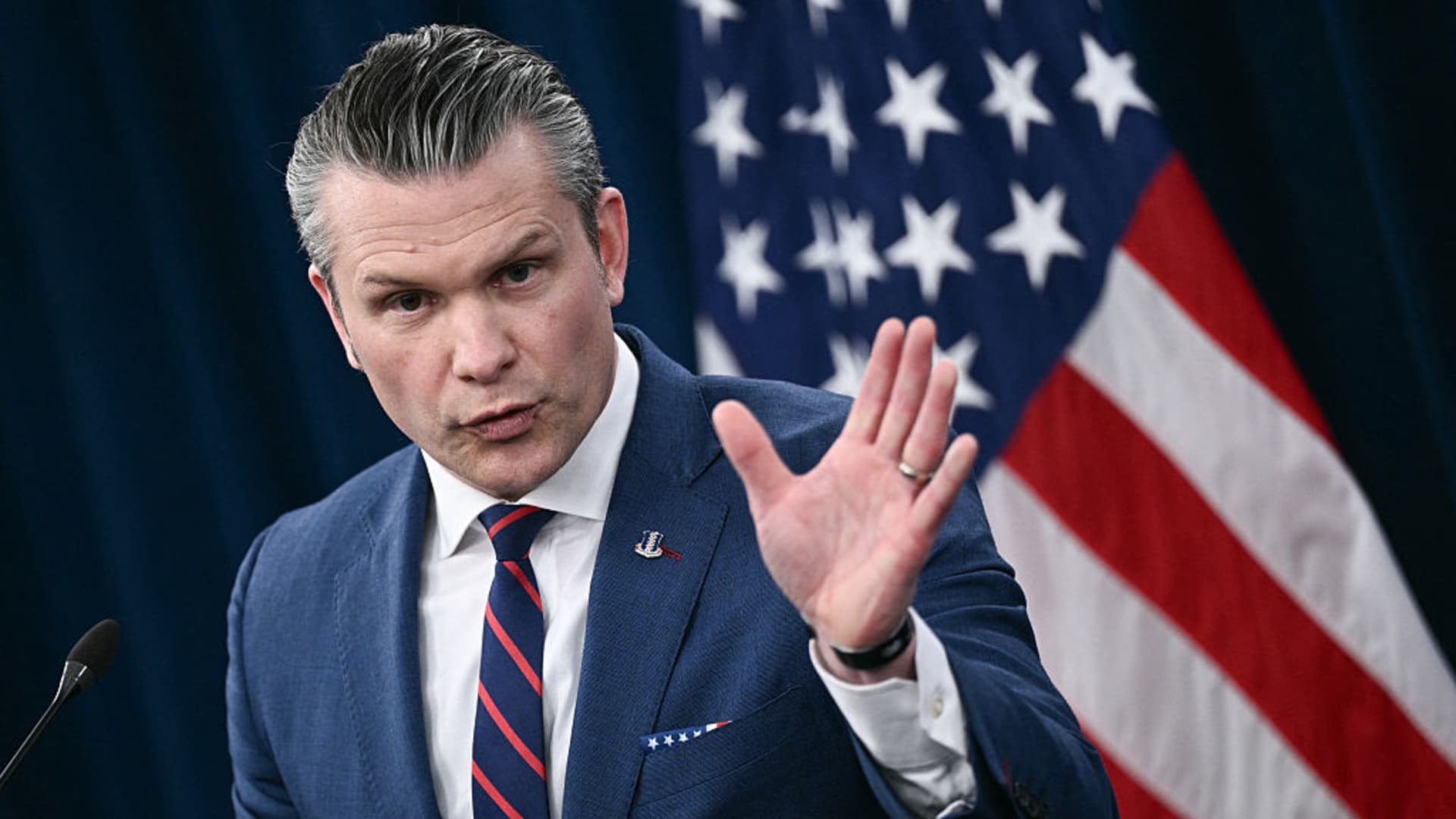
US Defense Secretary Declares Intensified Strikes Against Iran


- Military Action Escalation: Defense Secretary Hegseth announced that Tuesday will mark the most intense day of strikes against Iran, with the U.S. observing the lowest number of missiles fired by Iran in the past 24 hours, indicating a significant decline in its military capabilities and potential further losses in the conflict.
- Control of Strategic Objectives: Hegseth emphasized that President Trump will dictate the pace of the war, deciding when specific objectives are achieved, which could influence the U.S.'s long-term military deployment and diplomatic strategy in the Middle East.
- Oil Price Volatility Impact: As the conflict escalates, oil prices surged past $110, prompting the G7 to consider releasing emergency reserves to mitigate economic pressures from the widening Middle East war, which could have profound implications for global energy markets, particularly for oil-importing nations.
- New Leadership Challenges: Trump expressed dissatisfaction with Iran's new supreme leader Mojtaba Khamenei, suggesting he cannot live in peace, which may exacerbate tensions in U.S.-Iran relations and affect future diplomatic negotiations.
See More

Pentagon Moves to Rebuild Rare Earth Metal Supply Chain

- Contract Award: REalloys (ALOY) announced that the Defense Logistics Agency (DLA) has awarded its subsidiary Terves LLC a contract to advance the production of rare earth metals samarium and gadolinium, with an expected capacity of 300 tons per year, significantly enhancing U.S. self-sufficiency in rare earth metals.
- Strategic Shift: This contract represents a major shift in U.S. defense procurement policy, banning the use of Chinese-sourced rare earth materials, aiming to rebuild domestic metallization capabilities that have eroded over decades, thereby reducing reliance on China and enhancing national security.
- Modular Design: REalloys is utilizing a modular production facility design that allows for rapid deployment and replication while reducing capital and operating costs, providing a competitive edge in meeting the growing defense demands.
- Supply Chain Reconstruction: This initiative is part of a broader effort to rebuild rare earth processing capacity in the U.S., with REalloys integrating multiple stages of the value chain through partnerships with various suppliers, ensuring a stable material supply for future defense needs.
See More
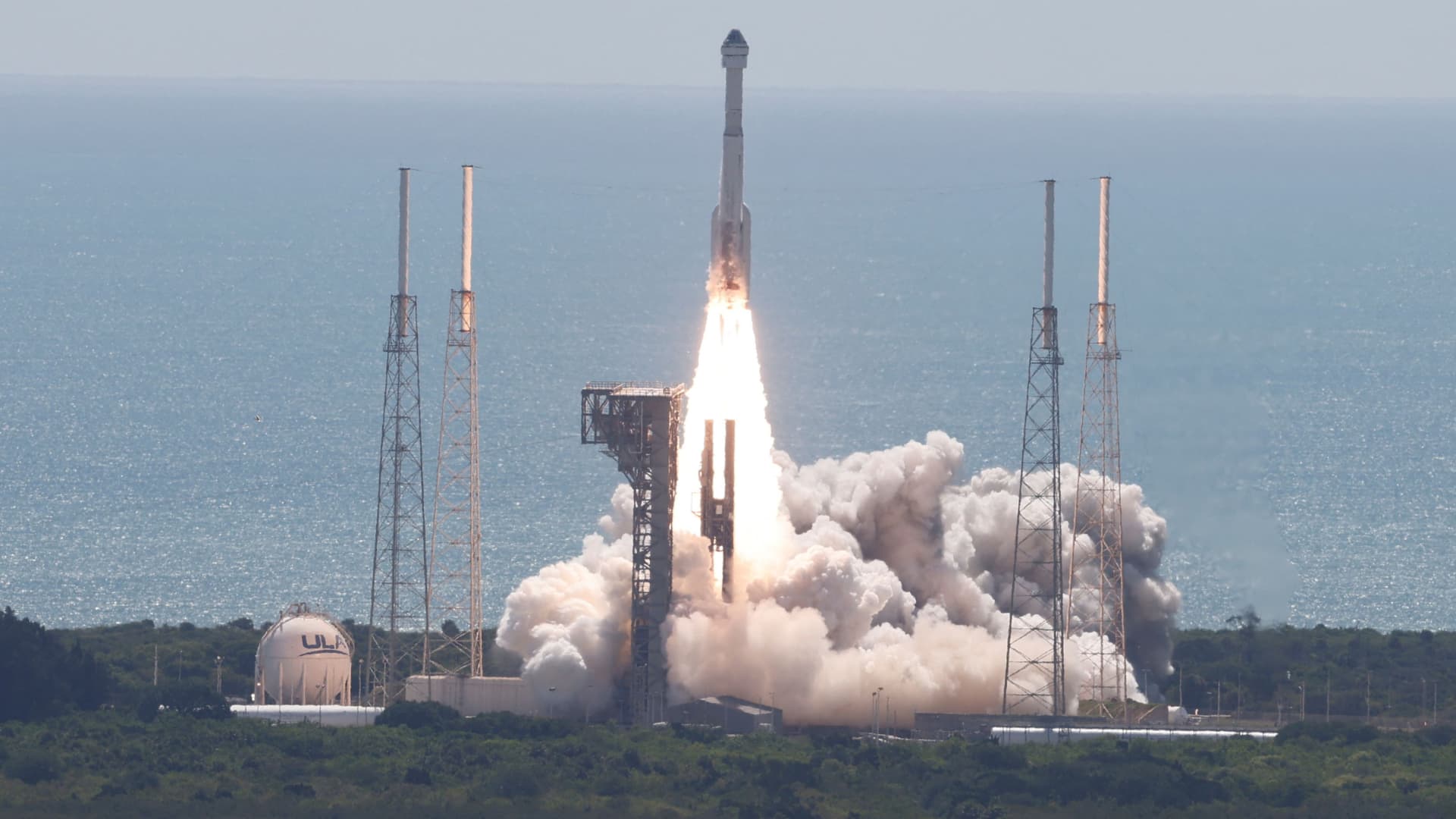
Pentagon Moves to Rebuild Rare Earth Metal Supply Chain


- Contract Award: REalloys (ALOY) announced that the Defense Logistics Agency (DLA) has awarded Terves LLC a contract to advance the production of rare earth metals samarium and gadolinium, with an expected capacity of 300 tons per year, significantly enhancing the self-sufficiency of the U.S. defense industry.
- Strategic Shift: This contract represents a major shift in U.S. rare earth strategy, focusing on industrial production of metals and alloys rather than mining, aiming to reduce dependence on China and ensure a stable supply of defense materials.
- Modular Design: REalloys' production facility features a modular design that allows for rapid deployment and replication, reducing capital and operating costs, which will accelerate the production capacity of rare earth metals and aligns with the Pentagon's supply chain strategy.
- Supply Chain Reconstruction: With the implementation of new procurement rules in 2027, REalloys' project will be crucial in rebuilding rare earth processing capabilities in North America, ensuring the competitiveness and security of material supply in the U.S. defense sector.
See More

Iran's Strikes on Gulf Neighbors Create Trust Crisis
- Trust Crisis Intensifies: Iran's attacks on Gulf neighbors have created a significant trust gap, with a UAE official stating that this gap could last for decades, impacting future diplomatic relations.
- Defense of Military Targets: Iran's foreign minister claims that its strikes are aimed at U.S. military assets, asserting their legitimacy under international law, yet this justification has sparked strong backlash from neighboring countries.
- Infrastructure Damage: The Iranian attacks have not only targeted military bases but also critical energy infrastructure, damaging multiple facilities including civilian airports, which further escalates regional tensions.
- Diplomatic Relations Strained: The Gulf Cooperation Council condemned Iran's
See More

South Korea Opposes U.S. Air Defense Asset Redeployment
- U.S. Asset Redeployment: South Korean President Lee Jae-myung stated that while opposing the U.S. moving some air defense systems out of the country, they cannot make strong demands, highlighting South Korea's passive position in U.S. military strategy adjustments.
- Defense Capability Assessment: Lee emphasized that even if U.S. assets are moved, South Korea's deterrence capability against North Korea would not suffer a serious setback, indicating strong confidence in its defense despite strained relations with Pyongyang.
- Importance of Patriot Systems: Although South Korea has developed its own missile defense systems, the Patriot system remains a crucial component of its air defense architecture, reflecting a strategic reliance on U.S. technology to counter North Korean threats.
- Background of U.S. Troop Movements: The U.S. is considering redeploying Patriot systems to South Korea due to increased demand for air defense in the Middle East, which may raise concerns about the U.S. prioritizing Middle Eastern interests over its Asian allies.
See More
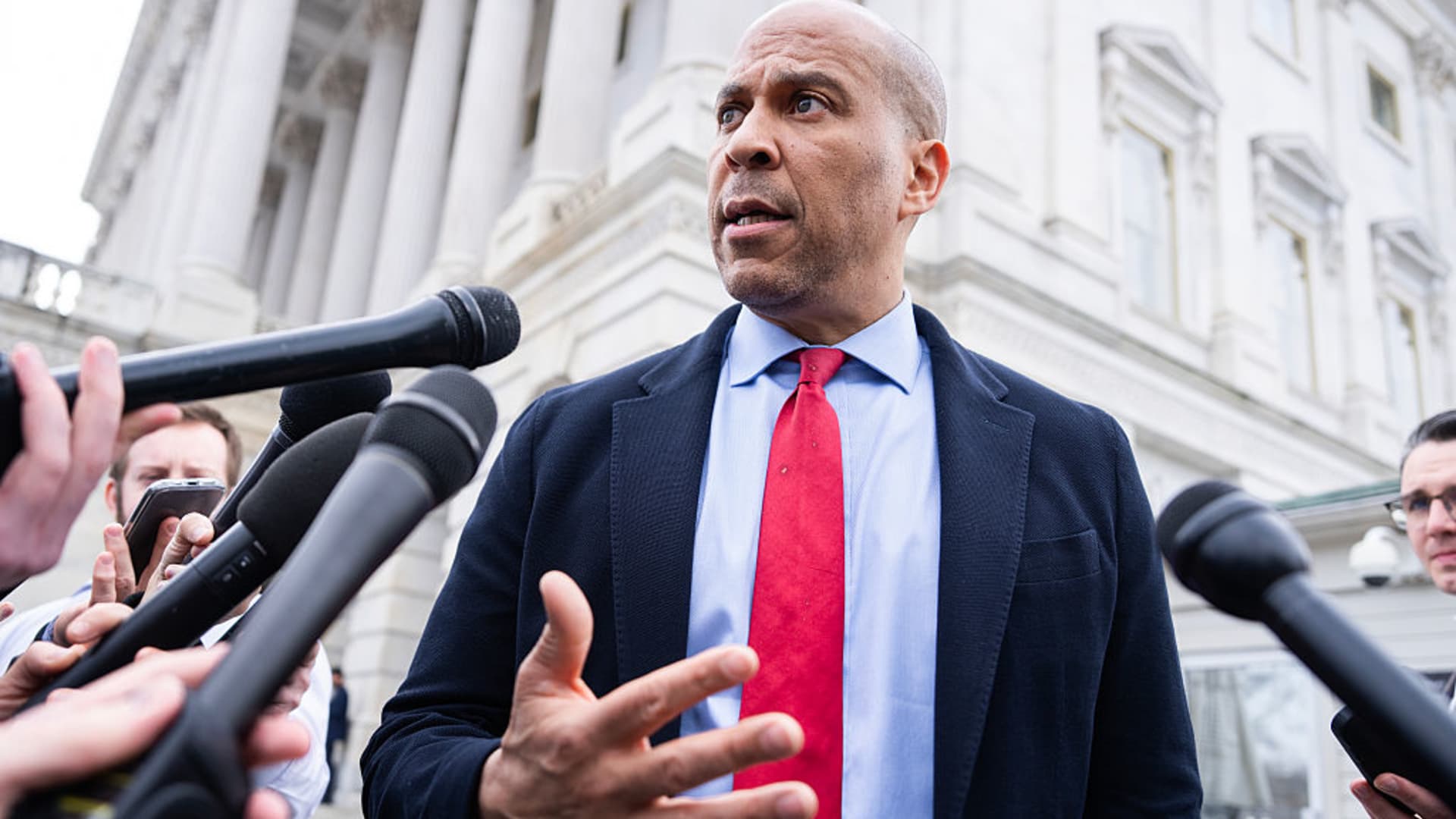
Democrats Push for Congressional Votes on Iran Military Actions
- Congressional Action Plan: Senate Democrats announced a strategy to potentially force a series of war powers votes, aiming to compel Secretary of Defense and Secretary of State to testify about U.S. military actions in Iran, reflecting a strong intent to oversee the Trump administration.
- Military Action Scrutiny: Senators argue that the Trump administration has failed to provide sufficient justification for ongoing military actions, asserting that congressional approval is necessary to continue the war, thereby emphasizing Congress's critical role in military decisions to check executive power.
- Vote Outcome Review: Last week, the Senate blocked a war powers resolution proposed by Kaine and Paul with a vote of 47-53, highlighting divisions within Congress regarding military actions and exacerbating tensions between Democrats and Republicans.
- Urgent Action Call: Democratic senators are urging for immediate hearings with the Secretary of Defense and Secretary of State, indicating their unwillingness to allow Congress to remain silent, thus underscoring the importance of legislative oversight in military decision-making.
See More
US Defense Secretary Declares Intensified Strikes Against Iran
- Military Action Escalation: Defense Secretary Hegseth announced that Tuesday will mark the most intense day of strikes against Iran, with the U.S. observing the lowest number of missiles fired by Iran in the past 24 hours, indicating a significant decline in its military capabilities and potential further losses in the conflict.
- Control of Strategic Objectives: Hegseth emphasized that President Trump will dictate the pace of the war, deciding when specific objectives are achieved, which could influence the U.S.'s long-term military deployment and diplomatic strategy in the Middle East.
- Oil Price Volatility Impact: As the conflict escalates, oil prices surged past $110, prompting the G7 to consider releasing emergency reserves to mitigate economic pressures from the widening Middle East war, which could have profound implications for global energy markets, particularly for oil-importing nations.
- New Leadership Challenges: Trump expressed dissatisfaction with Iran's new supreme leader Mojtaba Khamenei, suggesting he cannot live in peace, which may exacerbate tensions in U.S.-Iran relations and affect future diplomatic negotiations.
See More
Pentagon Moves to Rebuild Rare Earth Metal Supply Chain
- Contract Award: REalloys (ALOY) announced that the Defense Logistics Agency (DLA) has awarded its subsidiary Terves LLC a contract to advance the production of rare earth metals samarium and gadolinium, with an expected capacity of 300 tons per year, significantly enhancing U.S. self-sufficiency in rare earth metals.
- Strategic Shift: This contract represents a major shift in U.S. defense procurement policy, banning the use of Chinese-sourced rare earth materials, aiming to rebuild domestic metallization capabilities that have eroded over decades, thereby reducing reliance on China and enhancing national security.
- Modular Design: REalloys is utilizing a modular production facility design that allows for rapid deployment and replication while reducing capital and operating costs, providing a competitive edge in meeting the growing defense demands.
- Supply Chain Reconstruction: This initiative is part of a broader effort to rebuild rare earth processing capacity in the U.S., with REalloys integrating multiple stages of the value chain through partnerships with various suppliers, ensuring a stable material supply for future defense needs.
See More
Pentagon Moves to Rebuild Rare Earth Metal Supply Chain
- Contract Award: REalloys (ALOY) announced that the Defense Logistics Agency (DLA) has awarded Terves LLC a contract to advance the production of rare earth metals samarium and gadolinium, with an expected capacity of 300 tons per year, significantly enhancing the self-sufficiency of the U.S. defense industry.
- Strategic Shift: This contract represents a major shift in U.S. rare earth strategy, focusing on industrial production of metals and alloys rather than mining, aiming to reduce dependence on China and ensure a stable supply of defense materials.
- Modular Design: REalloys' production facility features a modular design that allows for rapid deployment and replication, reducing capital and operating costs, which will accelerate the production capacity of rare earth metals and aligns with the Pentagon's supply chain strategy.
- Supply Chain Reconstruction: With the implementation of new procurement rules in 2027, REalloys' project will be crucial in rebuilding rare earth processing capabilities in North America, ensuring the competitiveness and security of material supply in the U.S. defense sector.
See More
Iran's Strikes on Gulf Neighbors Create Trust Crisis
- Trust Crisis Intensifies: Iran's attacks on Gulf neighbors have created a significant trust gap, with a UAE official stating that this gap could last for decades, impacting future diplomatic relations.
- Defense of Military Targets: Iran's foreign minister claims that its strikes are aimed at U.S. military assets, asserting their legitimacy under international law, yet this justification has sparked strong backlash from neighboring countries.
- Infrastructure Damage: The Iranian attacks have not only targeted military bases but also critical energy infrastructure, damaging multiple facilities including civilian airports, which further escalates regional tensions.
- Diplomatic Relations Strained: The Gulf Cooperation Council condemned Iran's
See More
South Korea Opposes U.S. Air Defense Asset Redeployment
- U.S. Asset Redeployment: South Korean President Lee Jae-myung stated that while opposing the U.S. moving some air defense systems out of the country, they cannot make strong demands, highlighting South Korea's passive position in U.S. military strategy adjustments.
- Defense Capability Assessment: Lee emphasized that even if U.S. assets are moved, South Korea's deterrence capability against North Korea would not suffer a serious setback, indicating strong confidence in its defense despite strained relations with Pyongyang.
- Importance of Patriot Systems: Although South Korea has developed its own missile defense systems, the Patriot system remains a crucial component of its air defense architecture, reflecting a strategic reliance on U.S. technology to counter North Korean threats.
- Background of U.S. Troop Movements: The U.S. is considering redeploying Patriot systems to South Korea due to increased demand for air defense in the Middle East, which may raise concerns about the U.S. prioritizing Middle Eastern interests over its Asian allies.
See More
Democrats Push for Congressional Votes on Iran Military Actions
- Congressional Action Plan: Senate Democrats announced a strategy to potentially force a series of war powers votes, aiming to compel Secretary of Defense and Secretary of State to testify about U.S. military actions in Iran, reflecting a strong intent to oversee the Trump administration.
- Military Action Scrutiny: Senators argue that the Trump administration has failed to provide sufficient justification for ongoing military actions, asserting that congressional approval is necessary to continue the war, thereby emphasizing Congress's critical role in military decisions to check executive power.
- Vote Outcome Review: Last week, the Senate blocked a war powers resolution proposed by Kaine and Paul with a vote of 47-53, highlighting divisions within Congress regarding military actions and exacerbating tensions between Democrats and Republicans.
- Urgent Action Call: Democratic senators are urging for immediate hearings with the Secretary of Defense and Secretary of State, indicating their unwillingness to allow Congress to remain silent, thus underscoring the importance of legislative oversight in military decision-making.
See More