South Korea and Poland ETFs Show Strong Performance with Average Returns Over 30%
Written by Emily J. Thompson, Senior Investment Analyst
Updated: Jan 14 2026
0mins

Source: Fool
- South Korea's Economic Rise: With a population of 51.6 million, South Korea ranks as the world's 14th largest economy, and the iShares MSCI South Korea ETF has averaged a 23% return over the past three years, significantly outperforming the S&P 500, indicating strong market potential.
- Poland's Economic Growth: Since gaining independence in 1992, Poland's economy has only experienced one year of negative growth in 2020, with a GDP increase of nearly 7% in 2021 compared to Germany's 3.9%, showcasing its economic resilience and growth potential.
- Investment Opportunities: The iShares MSCI South Korea ETF achieved a remarkable 98% return in 2025, while the iShares MSCI Poland ETF returned 76% in the same year, providing investors with diverse international investment options.
- Optimistic Market Outlook: With average returns of 23% and 37% over three years for these ETFs, averaging 30%, they are expected to maintain growth, making them suitable for investors seeking international exposure.
Trade with 70% Backtested Accuracy
Stop guessing "Should I Buy TM?" and start using high-conviction signals backed by rigorous historical data.
Sign up today to access powerful investing tools and make smarter, data-driven decisions.
Analyst Views on TM
About TM
Toyota Motor Corp is a Japan-based company mainly engaged in the automotive business, as well as financial services and other businesses. It operates through three business segments. The Automotive segment designs, manufactures, and sells automobiles, including sedans, minivans, compact cars, sport utility vehicles (SUVs), and trucks, as well as related parts and accessories. The Financial Services segment provides financing and vehicle leasing services to complement the sales of automobiles and other products manufactured by itself and its affiliates. The Other segment engages in information and communications services. It also oversees manufacturing and sales companies, conducts public relations and research activities, oversees financial companies, and develops various mobility products, primarily software.
About the author

Emily J. Thompson
Emily J. Thompson, a Chartered Financial Analyst (CFA) with 12 years in investment research, graduated with honors from the Wharton School. Specializing in industrial and technology stocks, she provides in-depth analysis for Intellectia’s earnings and market brief reports.

BYD's Future Outlook: Steady Growth and Globalization

- Global Expansion Potential: BYD is projected to derive 35% to 45% of its revenue from overseas markets by 2028, as factories in Southeast Asia, Europe, and Latin America come online, significantly enhancing brand recognition and reducing dependency on the Chinese market, thereby strengthening negotiation power with suppliers and governments.
- Margin Stability: Despite fierce competition in China's EV market and ongoing pricing pressures, BYD is expected to maintain operating margins in the low-to-mid teens due to its cost structure and vertical integration, showcasing durability and reliability akin to Toyota in the EV era.
- Energy and Software Growth: BYD's energy storage and battery segments are steadily growing, with grid-scale storage projects becoming a meaningful contributor to operating profit globally, while software monetization progresses slowly, with advanced driver assistance and connected features starting to generate incremental revenue, indicating future growth potential.
- Investor Outlook: Over the next three years, BYD's base case is not explosive upside but sustainable operational proof; if it stabilizes margins, diversifies geographically, and steadily grows adjacent businesses, it could emerge as one of the more durable industrial winners in the EV transition.
See More
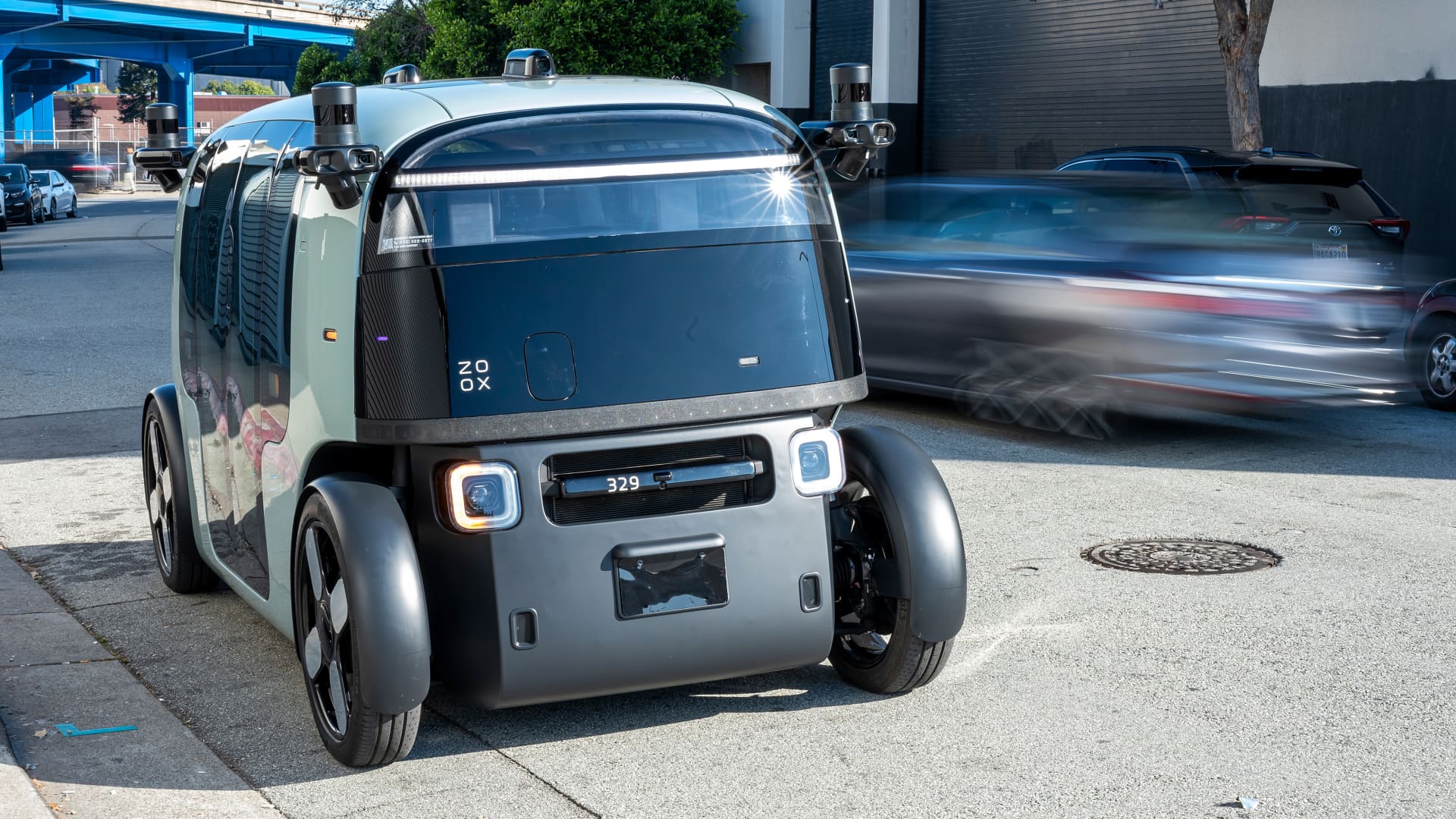
Zoox to Test Autonomous Robotaxis in Dallas and Phoenix

- Market Expansion: Zoox plans to test its autonomous robotaxis in Dallas and Phoenix, initially deploying a small number of retrofitted Toyota Highlander SUVs to optimize technology performance through diverse weather conditions and complex road networks, thereby enhancing its competitive edge.
- Testing Advantages: In Phoenix, Zoox will assess its sensors and battery performance under extreme heat and dust, while Dallas provides a varied testing ground for its AI systems, which will help improve the reliability and safety of its autonomous driving technology.
- User Base Growth: Since its launch, Zoox has served over 300,000 riders in Las Vegas and San Francisco, and with its expansion into 10 U.S. markets, it is expected to further enhance user experience and market penetration.
- Manufacturing Capacity Boost: Zoox has opened a 220,000-square-foot factory in the San Francisco Bay Area, aiming to produce 10,000 autonomous vehicles annually, a move that will support its long-term growth strategy in the U.S. market and compete against rivals like Waymo and Tesla.
See More

Zoox Expands Autonomous Testing to Dallas and Phoenix

- Testing Area Expansion: Zoox announced the expansion of its autonomous technology testing to Dallas and Phoenix, initially deploying a small number of retrofitted Toyota Highlander SUVs with human safety drivers to map complex road networks, thereby laying the groundwork for subsequent robotaxi testing.
- Passenger Service Milestone: Since its launch in Las Vegas and San Francisco, Zoox has served over 300,000 riders, a figure that not only demonstrates market acceptance but also reflects the company's rapid development and the establishment of user trust in the autonomous driving sector.
- Manufacturing Capacity Enhancement: Zoox has opened a 220,000-square-foot factory in the San Francisco Bay Area, aiming to produce 10,000 autonomous vehicles annually once fully operational, a move that will significantly boost its production capacity to meet growing market demand.
- Competitive Landscape Analysis: This expansion gives Zoox's fleet a presence in 10 U.S. markets, coinciding with Amazon's efforts to compete with rivals like Waymo and Tesla, and the diverse testing will help optimize technology performance under complex weather conditions, enhancing its competitive edge.
See More

BYD's Future Outlook: Steady Growth and Globalization
- Overseas Expansion Potential: BYD is projected to derive 35% to 45% of its revenue from overseas markets by 2028, as factories in Southeast Asia, Europe, and Latin America ramp up operations, significantly improving brand recognition and reducing dependency on the Chinese market while enhancing negotiating power with suppliers and governments.
- Profit Stability: Despite fierce competition in China's EV market and ongoing pricing pressures, BYD is expected to maintain operating margins in the low to mid-teens due to its cost structure, vertical integration, and scale, ensuring long-term financial stability.
- Energy Storage Growth: BYD's energy storage and battery segments are steadily growing, with global grid-scale storage projects expanding, becoming a meaningful secondary contributor to operating profit, showcasing the company's ongoing development potential in the renewable energy sector.
- Software Monetization Progress: Although software monetization is progressing slowly, advanced driver assistance and connected features are beginning to contribute incremental revenue, indicating BYD's potential for technological innovation and future profitability opportunities.
See More

Three Stocks with 10X Potential by 2036


- Ferrari's Financial Performance: In 2025, Ferrari reported net revenue of €7.1 billion, a 7% increase year-over-year, with operating profit reaching €2.1 billion and an operating margin of 29.5%, showcasing its strong profitability and competitive edge in the automotive industry.
- Taiwan Semiconductor's Market Dominance: Taiwan Semiconductor achieved net revenue of $122.4 billion in 2025, up 35.9% from 2024, with gross and operating margins rising to 59.9% and 50.8%, respectively, highlighting its robust growth and profitability amid surging AI demand.
- BWX Technologies' Rise: BWX Technologies generated $3.19 billion in revenue for 2025, an 18% increase over 2024, with a net income margin of 15% and a 20% growth in EPS, positioning itself strongly in the small modular reactor market driven by increasing demand from government and tech sectors.
- Investment Opportunity Analysis: These three companies demonstrate strong financial performance and market potential, particularly in their respective industries, making them noteworthy investment candidates for the next decade, despite potential short-term market fluctuations.
See More

Analysis of Three Potential Stocks: Ferrari, TSMC, and BWX
- Ferrari Financial Performance: In 2025, Ferrari reported net revenue of €7.1 billion, a 7% year-over-year increase, with operating profit reaching €2.1 billion and an operating margin of 29.5%, showcasing its strong profitability and competitive edge in the auto industry.
- TSMC Market Dominance: TSMC achieved net revenue of $122.4 billion in 2025, up 35.9% from 2024, with gross and operating margins increasing to 59.9% and 50.8% respectively, reflecting robust growth and sustained demand in the semiconductor sector.
- BWX Technological Edge: BWX Technologies generated $3.19 billion in revenue for 2025, an 18% increase, with a net income margin of 15% and a 20% rise in EPS, indicating its leadership in the small modular reactor space and strong financial health.
- Industry Outlook: With increasing demand for nuclear energy and semiconductors, Ferrari, TSMC, and BWX all demonstrate significant growth potential, making them attractive for investors looking to capitalize on advancements in AI and clean energy applications.
See More
BYD's Future Outlook: Steady Growth and Globalization
- Global Expansion Potential: BYD is projected to derive 35% to 45% of its revenue from overseas markets by 2028, as factories in Southeast Asia, Europe, and Latin America come online, significantly enhancing brand recognition and reducing dependency on the Chinese market, thereby strengthening negotiation power with suppliers and governments.
- Margin Stability: Despite fierce competition in China's EV market and ongoing pricing pressures, BYD is expected to maintain operating margins in the low-to-mid teens due to its cost structure and vertical integration, showcasing durability and reliability akin to Toyota in the EV era.
- Energy and Software Growth: BYD's energy storage and battery segments are steadily growing, with grid-scale storage projects becoming a meaningful contributor to operating profit globally, while software monetization progresses slowly, with advanced driver assistance and connected features starting to generate incremental revenue, indicating future growth potential.
- Investor Outlook: Over the next three years, BYD's base case is not explosive upside but sustainable operational proof; if it stabilizes margins, diversifies geographically, and steadily grows adjacent businesses, it could emerge as one of the more durable industrial winners in the EV transition.
See More
Zoox to Test Autonomous Robotaxis in Dallas and Phoenix
- Market Expansion: Zoox plans to test its autonomous robotaxis in Dallas and Phoenix, initially deploying a small number of retrofitted Toyota Highlander SUVs to optimize technology performance through diverse weather conditions and complex road networks, thereby enhancing its competitive edge.
- Testing Advantages: In Phoenix, Zoox will assess its sensors and battery performance under extreme heat and dust, while Dallas provides a varied testing ground for its AI systems, which will help improve the reliability and safety of its autonomous driving technology.
- User Base Growth: Since its launch, Zoox has served over 300,000 riders in Las Vegas and San Francisco, and with its expansion into 10 U.S. markets, it is expected to further enhance user experience and market penetration.
- Manufacturing Capacity Boost: Zoox has opened a 220,000-square-foot factory in the San Francisco Bay Area, aiming to produce 10,000 autonomous vehicles annually, a move that will support its long-term growth strategy in the U.S. market and compete against rivals like Waymo and Tesla.
See More
Zoox Expands Autonomous Testing to Dallas and Phoenix
- Testing Area Expansion: Zoox announced the expansion of its autonomous technology testing to Dallas and Phoenix, initially deploying a small number of retrofitted Toyota Highlander SUVs with human safety drivers to map complex road networks, thereby laying the groundwork for subsequent robotaxi testing.
- Passenger Service Milestone: Since its launch in Las Vegas and San Francisco, Zoox has served over 300,000 riders, a figure that not only demonstrates market acceptance but also reflects the company's rapid development and the establishment of user trust in the autonomous driving sector.
- Manufacturing Capacity Enhancement: Zoox has opened a 220,000-square-foot factory in the San Francisco Bay Area, aiming to produce 10,000 autonomous vehicles annually once fully operational, a move that will significantly boost its production capacity to meet growing market demand.
- Competitive Landscape Analysis: This expansion gives Zoox's fleet a presence in 10 U.S. markets, coinciding with Amazon's efforts to compete with rivals like Waymo and Tesla, and the diverse testing will help optimize technology performance under complex weather conditions, enhancing its competitive edge.
See More
BYD's Future Outlook: Steady Growth and Globalization
- Overseas Expansion Potential: BYD is projected to derive 35% to 45% of its revenue from overseas markets by 2028, as factories in Southeast Asia, Europe, and Latin America ramp up operations, significantly improving brand recognition and reducing dependency on the Chinese market while enhancing negotiating power with suppliers and governments.
- Profit Stability: Despite fierce competition in China's EV market and ongoing pricing pressures, BYD is expected to maintain operating margins in the low to mid-teens due to its cost structure, vertical integration, and scale, ensuring long-term financial stability.
- Energy Storage Growth: BYD's energy storage and battery segments are steadily growing, with global grid-scale storage projects expanding, becoming a meaningful secondary contributor to operating profit, showcasing the company's ongoing development potential in the renewable energy sector.
- Software Monetization Progress: Although software monetization is progressing slowly, advanced driver assistance and connected features are beginning to contribute incremental revenue, indicating BYD's potential for technological innovation and future profitability opportunities.
See More
Three Stocks with 10X Potential by 2036
- Ferrari's Financial Performance: In 2025, Ferrari reported net revenue of €7.1 billion, a 7% increase year-over-year, with operating profit reaching €2.1 billion and an operating margin of 29.5%, showcasing its strong profitability and competitive edge in the automotive industry.
- Taiwan Semiconductor's Market Dominance: Taiwan Semiconductor achieved net revenue of $122.4 billion in 2025, up 35.9% from 2024, with gross and operating margins rising to 59.9% and 50.8%, respectively, highlighting its robust growth and profitability amid surging AI demand.
- BWX Technologies' Rise: BWX Technologies generated $3.19 billion in revenue for 2025, an 18% increase over 2024, with a net income margin of 15% and a 20% growth in EPS, positioning itself strongly in the small modular reactor market driven by increasing demand from government and tech sectors.
- Investment Opportunity Analysis: These three companies demonstrate strong financial performance and market potential, particularly in their respective industries, making them noteworthy investment candidates for the next decade, despite potential short-term market fluctuations.
See More
Analysis of Three Potential Stocks: Ferrari, TSMC, and BWX
- Ferrari Financial Performance: In 2025, Ferrari reported net revenue of €7.1 billion, a 7% year-over-year increase, with operating profit reaching €2.1 billion and an operating margin of 29.5%, showcasing its strong profitability and competitive edge in the auto industry.
- TSMC Market Dominance: TSMC achieved net revenue of $122.4 billion in 2025, up 35.9% from 2024, with gross and operating margins increasing to 59.9% and 50.8% respectively, reflecting robust growth and sustained demand in the semiconductor sector.
- BWX Technological Edge: BWX Technologies generated $3.19 billion in revenue for 2025, an 18% increase, with a net income margin of 15% and a 20% rise in EPS, indicating its leadership in the small modular reactor space and strong financial health.
- Industry Outlook: With increasing demand for nuclear energy and semiconductors, Ferrari, TSMC, and BWX all demonstrate significant growth potential, making them attractive for investors looking to capitalize on advancements in AI and clean energy applications.
See More