OpenAI may be valued at more than $100B in new funding round - WSJ
OpenAI's New Funding Round: OpenAI is seeking to raise several billion dollars in a funding round led by Thrive Capital, potentially valuing the company at over $100 billion, with Microsoft also expected to participate.
Valuation and Previous Investments: The startup was previously valued at $86 billion last year, and current negotiations suggest a valuation of around $103 billion, marking the largest fundraising effort since Microsoft's $10 billion investment in January 2023.
Trade with 70% Backtested Accuracy
Analyst Views on MSFT

About MSFT
About the author


Microsoft Earnings Preview: Challenges and Opportunities in AI and Cloud Services

- Earnings Expectations: Analysts anticipate Microsoft will report earnings per share of $4.06 and revenue nearing $81.4 billion for Q3 FY2026, reflecting cautious optimism despite a 10% decline in stock price this year, indicating investor wariness about financial performance.
- Cloud Service Growth: Microsoft's Azure cloud services have shown robust performance in recent quarters, with management projecting annual growth rates of 37% to 38% for the third quarter, suggesting that continued investments in AI could yield significant financial returns for the company.
- OpenAI Partnership Revision: Microsoft has revised its partnership agreement with OpenAI, maintaining its status as the primary cloud partner and revenue-sharing arrangements, yet allowing OpenAI to serve customers on any cloud provider, which may impact Azure revenue in the future.
- Copilot User Growth: The paid user base for Microsoft's digital AI assistant Copilot has grown to 15 million, although this remains a small fraction of its 450 million paid Microsoft 365 customers, yet CEO Nadella's involvement may drive future growth and market performance.

Microsoft Earnings Preview: Investors Eye AI and Gaming Insights
- Earnings Preview Focus: Microsoft is set to release its earnings report, with investors positioning themselves as the stock has declined approximately 11.2% year-to-date, currently trading near $429, indicating cautious market sentiment regarding the company's future performance.
- AI Integration Insights: Investors are highly focused on Microsoft's relationship with OpenAI, anticipating management will discuss the progress of AI integration across its product ecosystem and any signals regarding monetization, reflecting market expectations for AI's potential.
- Gaming Strategy Analysis: As Microsoft expands its content and subscription strategy, investors are eager for insights into the gaming business, particularly trends in user engagement, which could significantly impact future revenue forecasts.
- Market Sentiment Indicators: Traders on the Kalshi platform predict a high likelihood of discussions on themes such as OpenAI, gaming, LinkedIn, and Teams, with probabilities exceeding 90%, showcasing strong market interest and expectations in these areas.

Google and Meta Raise 2026 Capex Outlook Amid Strong Cloud Results


- Cloud Sales Surge: Google Cloud's revenue soared by 63.4% year-over-year, marking a record high that propelled the company's shares up over 6% in after-hours trading, indicating robust market demand and potential investment returns.
- Significant Capex Increases: Google raised its 2026 capital expenditure outlook by $5 billion, while Meta increased it by $10 billion, with the four largest tech companies now projecting a combined spending of up to $725 billion, surpassing the GDP of countries like Switzerland and Turkey, reflecting strong confidence in AI compute resource investments.
- Accelerated Data Center Development: Alphabet, Meta, Amazon, and Microsoft are rapidly expanding new data centers to meet surging demand for AI computing, emphasizing that this technology represents a once-in-a-generation opportunity, with future spending expected to yield substantial returns.
- Analyst Optimism: Pivotal Research raised its price target for Google to $470, representing a 34% upside from the last closing price, reflecting market confidence in Google's strong performance and ongoing investments in AI infrastructure.
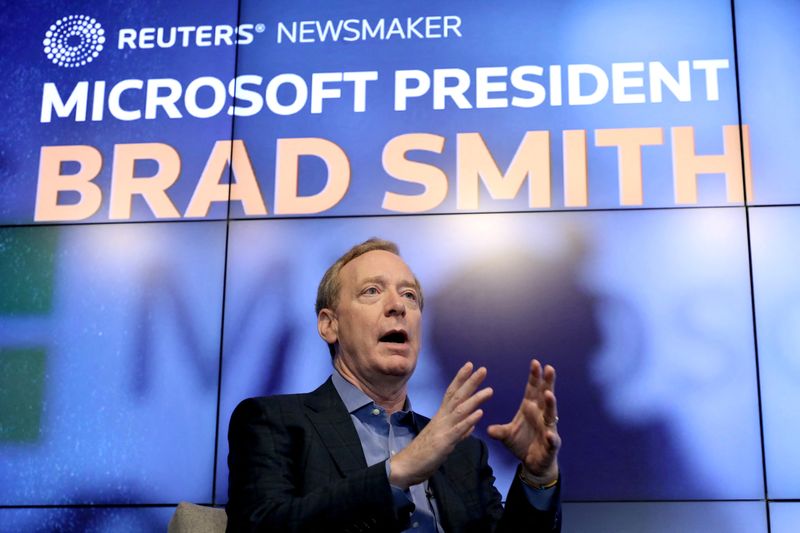
Microsoft Q3 Earnings: Strong Cloud Growth Drives Record Results
- Cloud Revenue Milestone: Microsoft Cloud revenue surpassed $54 billion in Q3, reflecting a 29% year-over-year increase, which underscores the strong market demand and solidifies the company's leadership position in the cloud computing sector.
- AI Business Surge: The AI segment achieved an annual recurring revenue of over $37 billion, up 123%, indicating significant returns on investment in AI and suggesting future revenue growth potential.
- Capital Expenditure Plans: The company expects capital expenditures to reach approximately $190 billion for calendar year 2026, with Q4 spending projected to exceed $40 billion, demonstrating a strong commitment to infrastructure expansion to meet rising market demand.
- Earnings Per Share Growth: The earnings per share for the quarter was $4.27, a 21% increase, reflecting robust performance in revenue and operational efficiency, despite a decline in gross margin due to investments in AI infrastructure.

MICROSOFT: PIPER SANDLER INCREASES TARGET PRICE FROM $500 TO $540
Microsoft Price Target Increase: Piper Sandler has raised Microsoft's price target to $540 from the previous $500.
Market Implications: This adjustment reflects positive market sentiment and expectations regarding Microsoft's future performance.
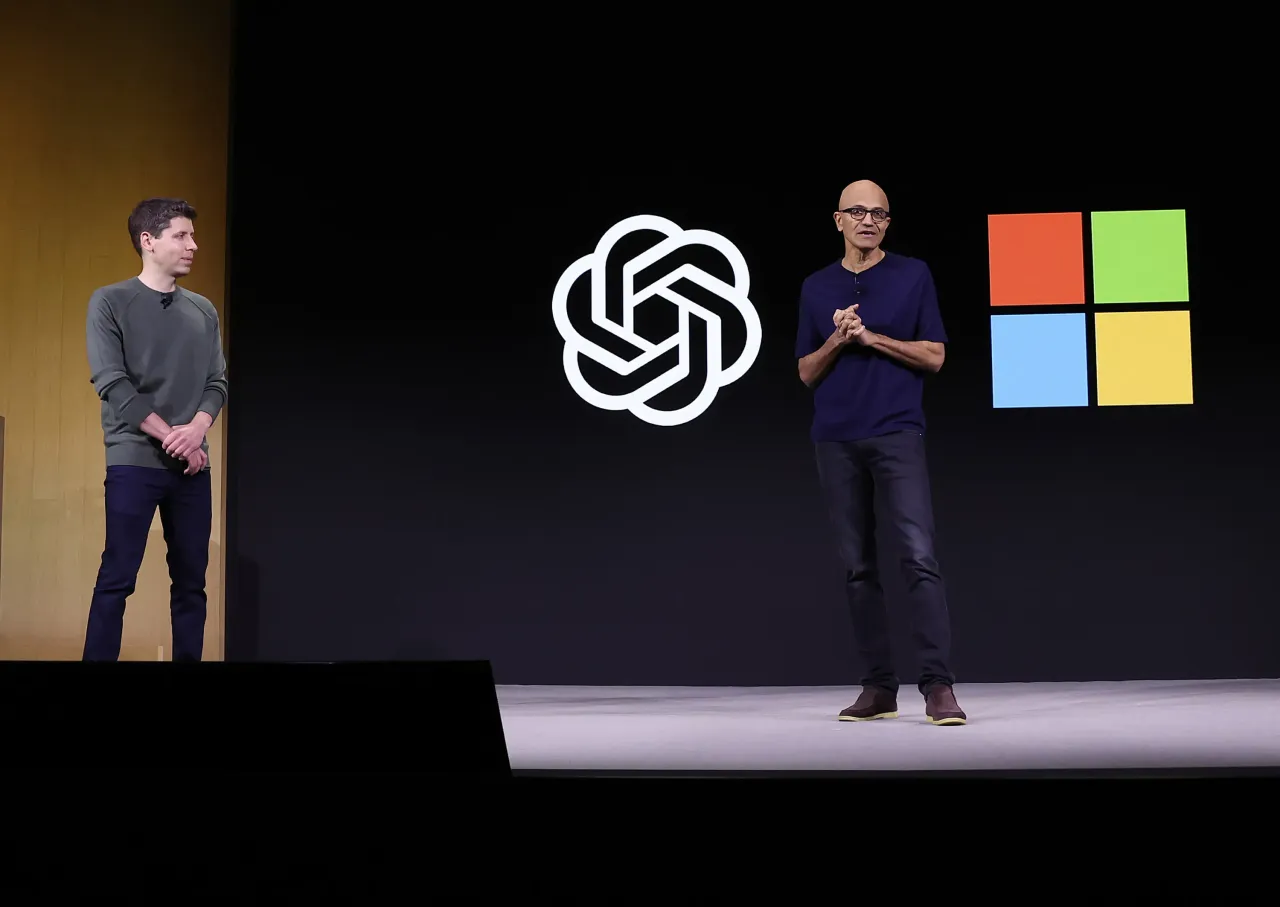
Microsoft Upgrades Partnership with OpenAI Amidst AWS Competition

- Evolving Partnership: Microsoft has upgraded its partnership with OpenAI, allowing the latter to sell its products on any cloud provider while Microsoft retains usage rights until 2032, which provides OpenAI with greater market flexibility and solidifies Microsoft's leadership in the AI sector.
- Positive Financial Outlook: Microsoft's CFO noted that the revenue-sharing agreement extending to 2030 offers predictable income streams, and the elimination of revenue sharing with OpenAI is expected to benefit its future financial performance, enhancing investor confidence in the company's financial health.
- Azure Sales Growth: Microsoft reported a 39% increase in Azure sales last quarter, surpassing analysts' expectations of 38%, with a forecasted 40% growth for the current quarter, although its growth rate still lags behind Google Cloud and Amazon Web Services, indicating ongoing competitive pressures in the cloud market.
- Capital Expenditure Plans: Despite exceeding revenue and profit expectations, investor concerns over Microsoft's capital expenditure plans of $190 billion for 2026, compared to a consensus of $154.6 billion, may negatively impact short-term stock performance, reflecting market caution regarding the company's future investment returns.
Microsoft Earnings Preview: Challenges and Opportunities in AI and Cloud Services
- Earnings Expectations: Analysts anticipate Microsoft will report earnings per share of $4.06 and revenue nearing $81.4 billion for Q3 FY2026, reflecting cautious optimism despite a 10% decline in stock price this year, indicating investor wariness about financial performance.
- Cloud Service Growth: Microsoft's Azure cloud services have shown robust performance in recent quarters, with management projecting annual growth rates of 37% to 38% for the third quarter, suggesting that continued investments in AI could yield significant financial returns for the company.
- OpenAI Partnership Revision: Microsoft has revised its partnership agreement with OpenAI, maintaining its status as the primary cloud partner and revenue-sharing arrangements, yet allowing OpenAI to serve customers on any cloud provider, which may impact Azure revenue in the future.
- Copilot User Growth: The paid user base for Microsoft's digital AI assistant Copilot has grown to 15 million, although this remains a small fraction of its 450 million paid Microsoft 365 customers, yet CEO Nadella's involvement may drive future growth and market performance.
Microsoft Earnings Preview: Investors Eye AI and Gaming Insights
- Earnings Preview Focus: Microsoft is set to release its earnings report, with investors positioning themselves as the stock has declined approximately 11.2% year-to-date, currently trading near $429, indicating cautious market sentiment regarding the company's future performance.
- AI Integration Insights: Investors are highly focused on Microsoft's relationship with OpenAI, anticipating management will discuss the progress of AI integration across its product ecosystem and any signals regarding monetization, reflecting market expectations for AI's potential.
- Gaming Strategy Analysis: As Microsoft expands its content and subscription strategy, investors are eager for insights into the gaming business, particularly trends in user engagement, which could significantly impact future revenue forecasts.
- Market Sentiment Indicators: Traders on the Kalshi platform predict a high likelihood of discussions on themes such as OpenAI, gaming, LinkedIn, and Teams, with probabilities exceeding 90%, showcasing strong market interest and expectations in these areas.
Google and Meta Raise 2026 Capex Outlook Amid Strong Cloud Results
- Cloud Sales Surge: Google Cloud's revenue soared by 63.4% year-over-year, marking a record high that propelled the company's shares up over 6% in after-hours trading, indicating robust market demand and potential investment returns.
- Significant Capex Increases: Google raised its 2026 capital expenditure outlook by $5 billion, while Meta increased it by $10 billion, with the four largest tech companies now projecting a combined spending of up to $725 billion, surpassing the GDP of countries like Switzerland and Turkey, reflecting strong confidence in AI compute resource investments.
- Accelerated Data Center Development: Alphabet, Meta, Amazon, and Microsoft are rapidly expanding new data centers to meet surging demand for AI computing, emphasizing that this technology represents a once-in-a-generation opportunity, with future spending expected to yield substantial returns.
- Analyst Optimism: Pivotal Research raised its price target for Google to $470, representing a 34% upside from the last closing price, reflecting market confidence in Google's strong performance and ongoing investments in AI infrastructure.
Microsoft Q3 Earnings: Strong Cloud Growth Drives Record Results
- Cloud Revenue Milestone: Microsoft Cloud revenue surpassed $54 billion in Q3, reflecting a 29% year-over-year increase, which underscores the strong market demand and solidifies the company's leadership position in the cloud computing sector.
- AI Business Surge: The AI segment achieved an annual recurring revenue of over $37 billion, up 123%, indicating significant returns on investment in AI and suggesting future revenue growth potential.
- Capital Expenditure Plans: The company expects capital expenditures to reach approximately $190 billion for calendar year 2026, with Q4 spending projected to exceed $40 billion, demonstrating a strong commitment to infrastructure expansion to meet rising market demand.
- Earnings Per Share Growth: The earnings per share for the quarter was $4.27, a 21% increase, reflecting robust performance in revenue and operational efficiency, despite a decline in gross margin due to investments in AI infrastructure.
MICROSOFT: PIPER SANDLER INCREASES TARGET PRICE FROM $500 TO $540
Microsoft Price Target Increase: Piper Sandler has raised Microsoft's price target to $540 from the previous $500.
Market Implications: This adjustment reflects positive market sentiment and expectations regarding Microsoft's future performance.
Microsoft Upgrades Partnership with OpenAI Amidst AWS Competition
- Evolving Partnership: Microsoft has upgraded its partnership with OpenAI, allowing the latter to sell its products on any cloud provider while Microsoft retains usage rights until 2032, which provides OpenAI with greater market flexibility and solidifies Microsoft's leadership in the AI sector.
- Positive Financial Outlook: Microsoft's CFO noted that the revenue-sharing agreement extending to 2030 offers predictable income streams, and the elimination of revenue sharing with OpenAI is expected to benefit its future financial performance, enhancing investor confidence in the company's financial health.
- Azure Sales Growth: Microsoft reported a 39% increase in Azure sales last quarter, surpassing analysts' expectations of 38%, with a forecasted 40% growth for the current quarter, although its growth rate still lags behind Google Cloud and Amazon Web Services, indicating ongoing competitive pressures in the cloud market.
- Capital Expenditure Plans: Despite exceeding revenue and profit expectations, investor concerns over Microsoft's capital expenditure plans of $190 billion for 2026, compared to a consensus of $154.6 billion, may negatively impact short-term stock performance, reflecting market caution regarding the company's future investment returns.