Soaring Oil Prices Present Opportunities for ExxonMobil
Written by Emily J. Thompson, Senior Investment Analyst
Updated: Mar 29 2026
0mins
Should l Buy XOM?
Source: NASDAQ.COM
- Surging Oil Prices: Amid escalating tensions in the Middle East, crude oil prices have surged to around $100 per barrel over the past month, with projections suggesting they could reach $140 in severe disruption scenarios, significantly enhancing ExxonMobil's profit margins and competitive positioning.
- Accelerated Share Buybacks: Following its $59.5 billion acquisition of Pioneer Natural Resources in 2024, ExxonMobil continues to repurchase shares, and if oil prices remain high, it will gain more financial power to reduce share dilution, thereby enhancing future financial flexibility.
- Consistent Dividend Growth: ExxonMobil has increased its dividend for 43 consecutive years, demonstrating stability through oil and gas price cycles, with a current yield of 2.5%, and potential for more aggressive dividend hikes if oil prices stay elevated.
- Acquisition Opportunities: With increasing cash flow, ExxonMobil may reload its balance sheet for new acquisitions, further solidifying its leadership in the oil and gas industry, especially in the context of the ongoing energy crisis.
Trade with 70% Backtested Accuracy
Stop guessing "Should I Buy XOM?" and start using high-conviction signals backed by rigorous historical data.
Sign up today to access powerful investing tools and make smarter, data-driven decisions.
Analyst Views on XOM
Wall Street analysts forecast XOM stock price to fall
19 Analyst Rating
12 Buy
7 Hold
0 Sell
Moderate Buy
Current: 160.490

Low
114.00
Averages
132.17
High
158.00
Current: 160.490
Low
114.00
Averages
132.17
High
158.00
About XOM
Exxon Mobil Corporation is an energy provider and chemical manufacturer. The Company’s principal business involves exploration for, and production of, crude oil and natural gas; the manufacture, trade, transport and sale of crude oil, natural gas, petroleum products, petrochemicals and a wide variety of specialty products; and pursuit of lower-emission and other new business opportunities, including carbon capture and storage, hydrogen, lower-emission fuels, Proxxima systems, carbon materials, and lithium. Its Upstream segment explores for and produces crude oil and natural gas. The Energy Products, Chemical Products, and Specialty Products segments manufacture and sell petroleum products and petrochemicals. Energy Products segment includes fuels, aromatics, and catalysts and licensing. Chemical Products segment consists of olefins, polyolefins, and intermediates. Specialty Products segment includes finished lubricants, basestocks and waxes, synthetics, and elastomers and resins.
About the author

Emily J. Thompson
Emily J. Thompson, a Chartered Financial Analyst (CFA) with 12 years in investment research, graduated with honors from the Wharton School. Specializing in industrial and technology stocks, she provides in-depth analysis for Intellectia’s earnings and market brief reports.
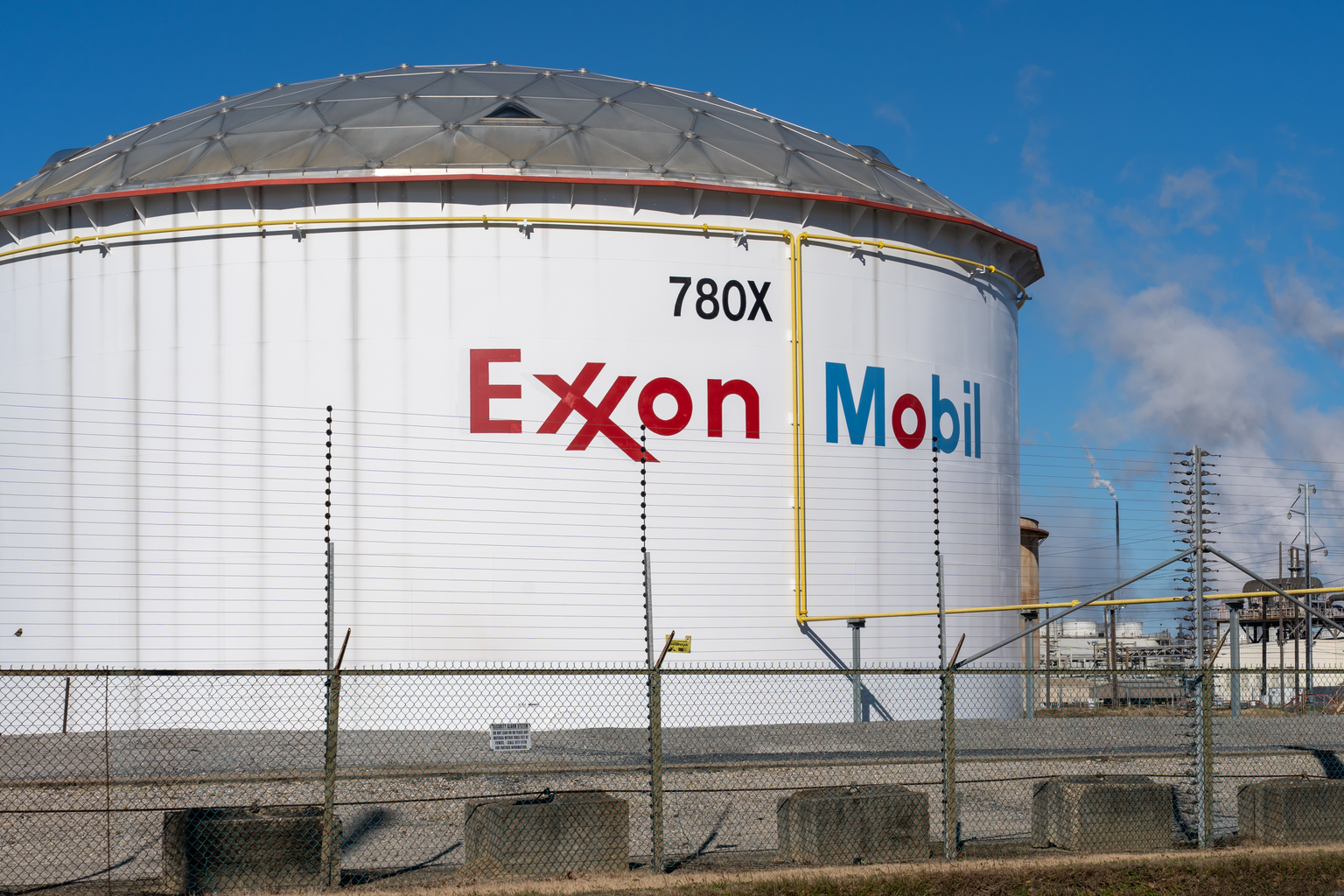
Exxon Mobil Shares Rise for Seven Consecutive Days

- Stock Price Surge: Exxon Mobil (XOM) shares closed 1.3% higher at $162.7 on Tuesday, marking a seven-day consecutive gain with a 7% increase over the previous six sessions, and a remarkable 33% rise year-to-date, significantly outperforming the S&P 500's 7% increase.
- Strong Buy Rating: Seeking Alpha's Quant Rating gives XOM a score of 4.95, indicating a Strong Buy, with an A+ in profitability prospects and a D in valuation, reflecting market confidence in its future earnings potential while raising concerns about current valuations.
- Analyst Outlook: Among Wall Street analysts, 11 rated XOM as Buy or better, 13 recommended Hold, and one suggested Strong Sell, indicating a divided market sentiment but overall leaning towards bullishness on the stock.
- Global Supply Impact: Exxon executives cautioned investors that the full effects of the Strait of Hormuz closure have yet to be felt in global oil markets, suggesting that prices could rise further as commercial inventories reach minimum operating levels, highlighting the company's strategic positioning in the current market environment.
See More

Long-Term Advantages of Blue Chip Investments

- ExxonMobil's Stable Growth: Operating in over 56 countries, ExxonMobil has consistently raised its dividend for 43 consecutive years, currently yielding 2.6%, and is projected to achieve a 19% CAGR in EPS from 2025 to 2028, driven by its diversified upstream, midstream, and downstream operations despite oil price fluctuations.
- Johnson & Johnson's Profitability: As one of the largest pharmaceutical and medical device companies, Johnson & Johnson has increased its dividend for 64 years, with a current yield of 2.3%, and is expected to see an 8% CAGR in EPS from 2025 to 2028, primarily fueled by growth in its pharmaceutical segment and new drug launches.
- Coca-Cola's Market Adaptability: Despite declining soda consumption, Coca-Cola has maintained a 64-year streak of dividend increases, currently yielding 2.6%, by diversifying its product offerings and updating classic beverages, with an expected 6% CAGR in EPS from 2025 to 2028.
- Strategic Importance of Blue Chip Investments: Investing in blue-chip stocks like ExxonMobil, Johnson & Johnson, and Coca-Cola not only provides stable dividend returns but also positions investors for capital appreciation in uncertain market conditions, making them ideal for those seeking reliable investments.
See More

ExxonMobil and Other Blue Chips Show Stable Growth
- ExxonMobil's Growth Potential: Operating in over 56 countries, ExxonMobil's diversified upstream, midstream, and downstream operations have allowed it to raise dividends for 43 consecutive years, with analysts projecting a 19% CAGR in EPS from 2025 to 2028 despite oil price volatility.
- Strong Johnson & Johnson: Johnson & Johnson has increased its dividend for 64 years, currently offering a forward yield of 2.3%, with an expected 8% CAGR in EPS from 2025 to 2028, driven by robust performance in its pharmaceutical segment and new drug launches.
- Coca-Cola's Market Adaptability: Coca-Cola has raised its dividend for 64 years, and despite declining soda consumption, its diversification into various beverages is expected to yield a 6% CAGR in EPS from 2025 to 2028, demonstrating resilience in the market.
- Advantages of Long-term Investment: Despite market fluctuations, the S&P 500 has generated an average annual return of about 10% since inception, suggesting that investors who hold blue-chip stocks like ExxonMobil, Johnson & Johnson, and Coca-Cola for several years typically achieve better returns.
See More

ExxonMobil Reports 16% YoY Earnings Growth in Q1

- Strong Earnings Performance: ExxonMobil (XOM) reported Q1 underlying earnings of $8.77 billion, reflecting a 16% year-over-year increase, which underscores the company's ongoing improvements in capital discipline and production efficiency, likely driving further shareholder returns.
- Financial Stability: With a net debt to EBITDA ratio of 0.55, ExxonMobil demonstrates robust financial health, and its upcoming $20 billion buyback plan is expected to effectively leverage strong cash flows, enhancing market confidence.
- Production Growth: While Chevron (CVX) increased its Q1 production by 15% to 3,858 MBOED, it faced a negative free cash flow of $1.55 billion, indicating integration challenges post-Hess acquisition that may impact future profitability.
- Market Performance Comparison: Year-to-date, ExxonMobil's stock has surged over 35.2%, while Chevron has risen 30%, both outperforming the S&P 500, reflecting higher market recognition and growth potential for ExxonMobil compared to its peers.
See More
NextEra Energy's Acquisition of Dominion to Create World's Largest Utility
- Acquisition Scale: NextEra Energy's agreement to acquire Dominion for $67 billion in an all-stock deal will position it as the world's largest utility, expected to accelerate its earnings growth rate and solidify its dominance in the energy sector.
- Customer Base Expansion: Post-merger, NextEra will provide power to over 10 million customers across four of the fastest-growing states in the U.S., significantly enhancing its market share and competitive edge in the rapidly expanding electricity demand market.
- Investment and Growth Outlook: NextEra anticipates investing between $295 billion and $325 billion in capital expenditures through 2032, and with Dominion's resources, it expects to achieve over 9% annual adjusted earnings-per-share growth, further driving its growth potential amid surging power demand.
- Data Center Market Opportunities: The acquisition will enable NextEra to better capitalize on Virginia's data center market, with power demand projected to reach 16.6 gigawatts this year and exceed 33 gigawatts by 2030, allowing the combined company to meet this demand more efficiently and enhance investment returns.
See More

NextEra Energy Acquires Dominion, Creating Utility Supermajor
- Acquisition Scale: NextEra Energy's acquisition of Dominion in an all-stock deal valued at $67 billion will create the world's largest utility company, expected to serve over 10 million customers, significantly enhancing market share and industry influence.
- Accelerated Growth Potential: The merger is set to accelerate NextEra's earnings growth rate, projecting over 9% annual adjusted earnings-per-share growth through 2032, exceeding previous expectations and reflecting confidence in surging future electricity demand.
- Data Center Market Opportunity: Dominion's operations in Virginia will provide NextEra with robust support in the data center market, with the state requiring 16.6 gigawatts of power this year and exceeding 33 gigawatts by 2030, driving strategic positioning in data center power demand.
- Capital Expenditure Plans: NextEra anticipates cumulative capital expenditures of $295 billion to $325 billion through 2032, and combined with the merger's resource advantages, will enhance efficiency in renewable energy and nuclear investments, further solidifying its industry leadership.
See More
Exxon Mobil Shares Rise for Seven Consecutive Days
- Stock Price Surge: Exxon Mobil (XOM) shares closed 1.3% higher at $162.7 on Tuesday, marking a seven-day consecutive gain with a 7% increase over the previous six sessions, and a remarkable 33% rise year-to-date, significantly outperforming the S&P 500's 7% increase.
- Strong Buy Rating: Seeking Alpha's Quant Rating gives XOM a score of 4.95, indicating a Strong Buy, with an A+ in profitability prospects and a D in valuation, reflecting market confidence in its future earnings potential while raising concerns about current valuations.
- Analyst Outlook: Among Wall Street analysts, 11 rated XOM as Buy or better, 13 recommended Hold, and one suggested Strong Sell, indicating a divided market sentiment but overall leaning towards bullishness on the stock.
- Global Supply Impact: Exxon executives cautioned investors that the full effects of the Strait of Hormuz closure have yet to be felt in global oil markets, suggesting that prices could rise further as commercial inventories reach minimum operating levels, highlighting the company's strategic positioning in the current market environment.
See More
Long-Term Advantages of Blue Chip Investments
- ExxonMobil's Stable Growth: Operating in over 56 countries, ExxonMobil has consistently raised its dividend for 43 consecutive years, currently yielding 2.6%, and is projected to achieve a 19% CAGR in EPS from 2025 to 2028, driven by its diversified upstream, midstream, and downstream operations despite oil price fluctuations.
- Johnson & Johnson's Profitability: As one of the largest pharmaceutical and medical device companies, Johnson & Johnson has increased its dividend for 64 years, with a current yield of 2.3%, and is expected to see an 8% CAGR in EPS from 2025 to 2028, primarily fueled by growth in its pharmaceutical segment and new drug launches.
- Coca-Cola's Market Adaptability: Despite declining soda consumption, Coca-Cola has maintained a 64-year streak of dividend increases, currently yielding 2.6%, by diversifying its product offerings and updating classic beverages, with an expected 6% CAGR in EPS from 2025 to 2028.
- Strategic Importance of Blue Chip Investments: Investing in blue-chip stocks like ExxonMobil, Johnson & Johnson, and Coca-Cola not only provides stable dividend returns but also positions investors for capital appreciation in uncertain market conditions, making them ideal for those seeking reliable investments.
See More
ExxonMobil and Other Blue Chips Show Stable Growth
- ExxonMobil's Growth Potential: Operating in over 56 countries, ExxonMobil's diversified upstream, midstream, and downstream operations have allowed it to raise dividends for 43 consecutive years, with analysts projecting a 19% CAGR in EPS from 2025 to 2028 despite oil price volatility.
- Strong Johnson & Johnson: Johnson & Johnson has increased its dividend for 64 years, currently offering a forward yield of 2.3%, with an expected 8% CAGR in EPS from 2025 to 2028, driven by robust performance in its pharmaceutical segment and new drug launches.
- Coca-Cola's Market Adaptability: Coca-Cola has raised its dividend for 64 years, and despite declining soda consumption, its diversification into various beverages is expected to yield a 6% CAGR in EPS from 2025 to 2028, demonstrating resilience in the market.
- Advantages of Long-term Investment: Despite market fluctuations, the S&P 500 has generated an average annual return of about 10% since inception, suggesting that investors who hold blue-chip stocks like ExxonMobil, Johnson & Johnson, and Coca-Cola for several years typically achieve better returns.
See More
ExxonMobil Reports 16% YoY Earnings Growth in Q1
- Strong Earnings Performance: ExxonMobil (XOM) reported Q1 underlying earnings of $8.77 billion, reflecting a 16% year-over-year increase, which underscores the company's ongoing improvements in capital discipline and production efficiency, likely driving further shareholder returns.
- Financial Stability: With a net debt to EBITDA ratio of 0.55, ExxonMobil demonstrates robust financial health, and its upcoming $20 billion buyback plan is expected to effectively leverage strong cash flows, enhancing market confidence.
- Production Growth: While Chevron (CVX) increased its Q1 production by 15% to 3,858 MBOED, it faced a negative free cash flow of $1.55 billion, indicating integration challenges post-Hess acquisition that may impact future profitability.
- Market Performance Comparison: Year-to-date, ExxonMobil's stock has surged over 35.2%, while Chevron has risen 30%, both outperforming the S&P 500, reflecting higher market recognition and growth potential for ExxonMobil compared to its peers.
See More
NextEra Energy's Acquisition of Dominion to Create World's Largest Utility
- Acquisition Scale: NextEra Energy's agreement to acquire Dominion for $67 billion in an all-stock deal will position it as the world's largest utility, expected to accelerate its earnings growth rate and solidify its dominance in the energy sector.
- Customer Base Expansion: Post-merger, NextEra will provide power to over 10 million customers across four of the fastest-growing states in the U.S., significantly enhancing its market share and competitive edge in the rapidly expanding electricity demand market.
- Investment and Growth Outlook: NextEra anticipates investing between $295 billion and $325 billion in capital expenditures through 2032, and with Dominion's resources, it expects to achieve over 9% annual adjusted earnings-per-share growth, further driving its growth potential amid surging power demand.
- Data Center Market Opportunities: The acquisition will enable NextEra to better capitalize on Virginia's data center market, with power demand projected to reach 16.6 gigawatts this year and exceed 33 gigawatts by 2030, allowing the combined company to meet this demand more efficiently and enhance investment returns.
See More
NextEra Energy Acquires Dominion, Creating Utility Supermajor
- Acquisition Scale: NextEra Energy's acquisition of Dominion in an all-stock deal valued at $67 billion will create the world's largest utility company, expected to serve over 10 million customers, significantly enhancing market share and industry influence.
- Accelerated Growth Potential: The merger is set to accelerate NextEra's earnings growth rate, projecting over 9% annual adjusted earnings-per-share growth through 2032, exceeding previous expectations and reflecting confidence in surging future electricity demand.
- Data Center Market Opportunity: Dominion's operations in Virginia will provide NextEra with robust support in the data center market, with the state requiring 16.6 gigawatts of power this year and exceeding 33 gigawatts by 2030, driving strategic positioning in data center power demand.
- Capital Expenditure Plans: NextEra anticipates cumulative capital expenditures of $295 billion to $325 billion through 2032, and combined with the merger's resource advantages, will enhance efficiency in renewable energy and nuclear investments, further solidifying its industry leadership.
See More