

Snowflake Updates Intelligence Platform and Cortex Code
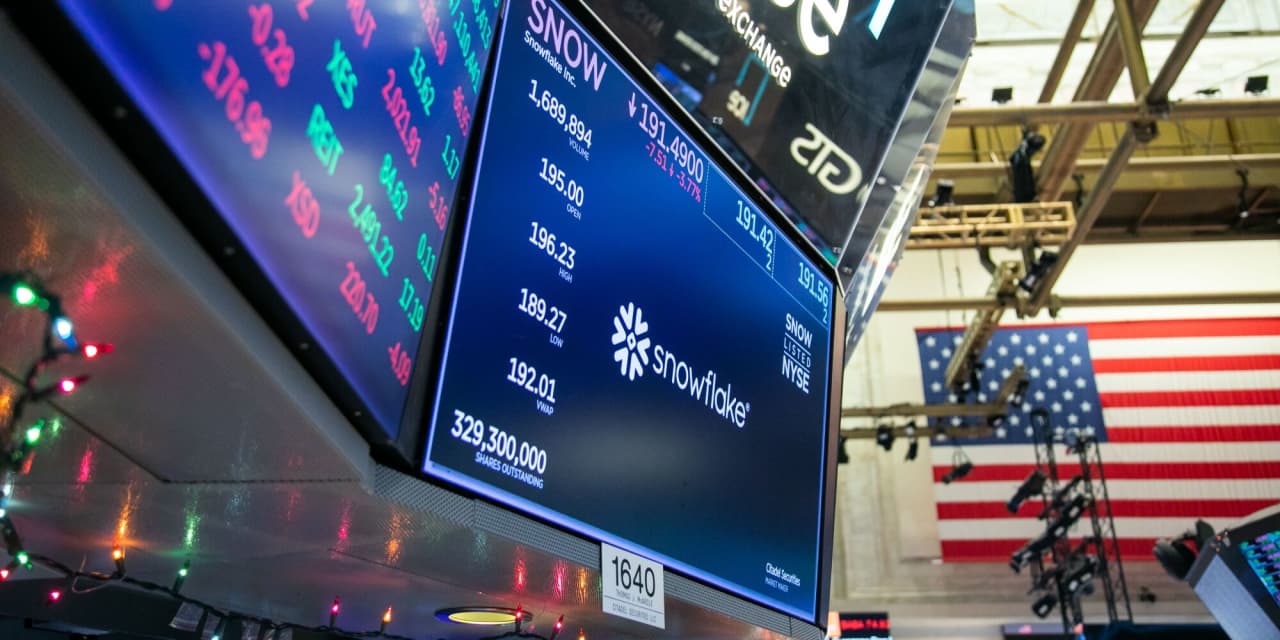
Snowflake announced significant updates across Snowflake Intelligence and Cortex Code, advancing its vision to become the control plane for the agentic enterprise. As AI systems evolve from answering questions to taking action, these enhancements enable organizations to connect even more data sources, enterprise systems, and AI models with their trusted Snowflake data within a unified experience. This allows enterprises to align their data, tools, and workflows with AI agents built on Snowflake - enabling more seamless action on data that reflects how their business actually runs. Snowflake Intelligence now serves as a personal work agent for business users that adapts over time by learning individual preferences and workflows to deliver more relevant results and automate tasks - all while enabling deep, trusted insights grounded in governed enterprise data. In addition, Cortex Code is expanding as a builder layer for enterprise AI, bringing governed, data-native development across the enterprise data ecosystem so builders can create, orchestrate, and operationalize AI directly within the tools and systems they already use.
Trade with 70% Backtested Accuracy
Analyst Views on SNOW

About SNOW
About the author

JTEK Stock Price Analysis and ETF Dynamics


- Price Fluctuation Analysis: JTEK's 52-week low is $75.255 and high is $111.32, with the last trade at $105.20, indicating price volatility near the high point that may influence investor buying decisions.
- Technical Analysis Tool: Comparing the current stock price to the 200-day moving average can provide valuable insights for investors, aiding in market trend assessment and potential buying opportunities.
- ETF Trading Mechanism: Exchange-traded funds (ETFs) trade like stocks, where investors buy and sell 'units' that can be created or destroyed based on demand, impacting liquidity and market performance.
- Inflows and Outflows Monitoring: Weekly monitoring of changes in ETF shares outstanding focuses on those experiencing notable inflows (new units created) or outflows (old units destroyed), assessing their impact on underlying assets and market sentiment.

SpaceX Stock Plummets Post-IPO Amid Historical Trends


- Stock Decline: SpaceX's stock has dropped 23% from its post-IPO high of $202, currently trading at $156, indicating market concerns over its high valuation that may lead to decreased investor confidence.
- Historical Trends: Among the 15 largest IPOs since 2006, the average stock price has fallen 50% within the first year, suggesting that SpaceX's shares could decline further to $67.50 in the coming months, reflecting pessimistic market expectations for its future performance.
- Overvaluation: With a market value of $2 trillion and $19.3 billion in revenue over the past four quarters, SpaceX's price-to-sales ratio stands at 104, nearly double that of Palantir, the highest-valued stock in the S&P 500, indicating that such high valuations are unsustainable.
- Investment Strategy Advice: Historical data shows that investors typically underperform in large IPOs, suggesting that investors should wait for a more attractive buying opportunity rather than rushing in at high prices.

SpaceX Achieves Record IPO, Faces Significant Stock Volatility

- Record IPO Achievement: SpaceX made its market debut on June 12, raising a staggering $75 billion and achieving a market capitalization of nearly $1.8 trillion, marking the largest IPO in history and reflecting strong market confidence in its growth prospects.
- Significant Stock Volatility: Despite a 19% increase on its first trading day to $135, the stock has since fallen 23% to $156 as of June 23, indicating investor concerns about its long-term performance, particularly given the historical trend of large IPOs experiencing substantial declines.
- Future Performance Predictions: Historical data suggests that SpaceX's stock could drop by 50% within the next year, potentially reaching $67.50, and it is expected to trade 33% below its IPO price by year-end, highlighting the need for investors to approach short-term investment opportunities with caution.
- High Valuation Risks: With a market cap of $2 trillion and revenue of only $19.3 billion over the past four quarters, SpaceX's price-to-sales ratio stands at an exorbitant 104, nearly double that of the highest-valued company in the S&P 500, indicating that such a high valuation may be unsustainable in changing market conditions.

Bank of America Bullish on Multiple Tech Stocks Ahead


- Sandisk New Business Model: Analyst Wamsi Mohan highlights Sandisk's shift to a new business model focused on multiyear contracts to mitigate revenue fluctuations, which is expected to enhance the company's pricing power and positively impact stock performance.
- Dynatrace High Growth Potential: Analyst Koji Ikeda raises Dynatrace's price target to $50 per share, believing its AI-driven software will drive strategic deals and strong growth in annual recurring revenue, despite a 4% decline in shares year-to-date.
- Meta AI Search Opportunity: Analyst Justin Post notes that Meta has significant market opportunities following the rollout of its new AI search feature, with expectations that AI will strengthen search indexing, even as shares have fallen 13% year-to-date.
- Nvidia Reasonable Valuation: Bank of America sets Nvidia's price target at $350 per share, based on its leading position in the fast-growing AI computing market, acknowledging some volatility in global AI projects but maintaining an optimistic long-term outlook.

ARK Invest Increases Stake in Tesla and Snowflake While Reducing Roku Holdings


- Increased Tesla Holdings: On June 18, ARK Invest acquired approximately 44,000 shares of Tesla valued at about $17.6 million, reflecting ongoing confidence in the electric vehicle market despite market fluctuations.
- Acquisition of Snowflake: The firm also purchased around 149,700 shares of Snowflake for approximately $34.8 million, indicating a bullish outlook on cloud computing and data analytics, aiming to capitalize on future growth opportunities.
- Reduced Roku Exposure: ARK Invest sold about 561,800 shares of Roku valued at approximately $77.6 million, reducing its investment in the streaming platform, which reflects a reassessment of technology stocks and portfolio adjustments.
- Healthcare Investment: Additionally, ARK increased its stake in Eli Lilly by nearly 2,400 shares worth about $2.7 million, demonstrating a focus on the healthcare sector to diversify its portfolio amid market uncertainties.
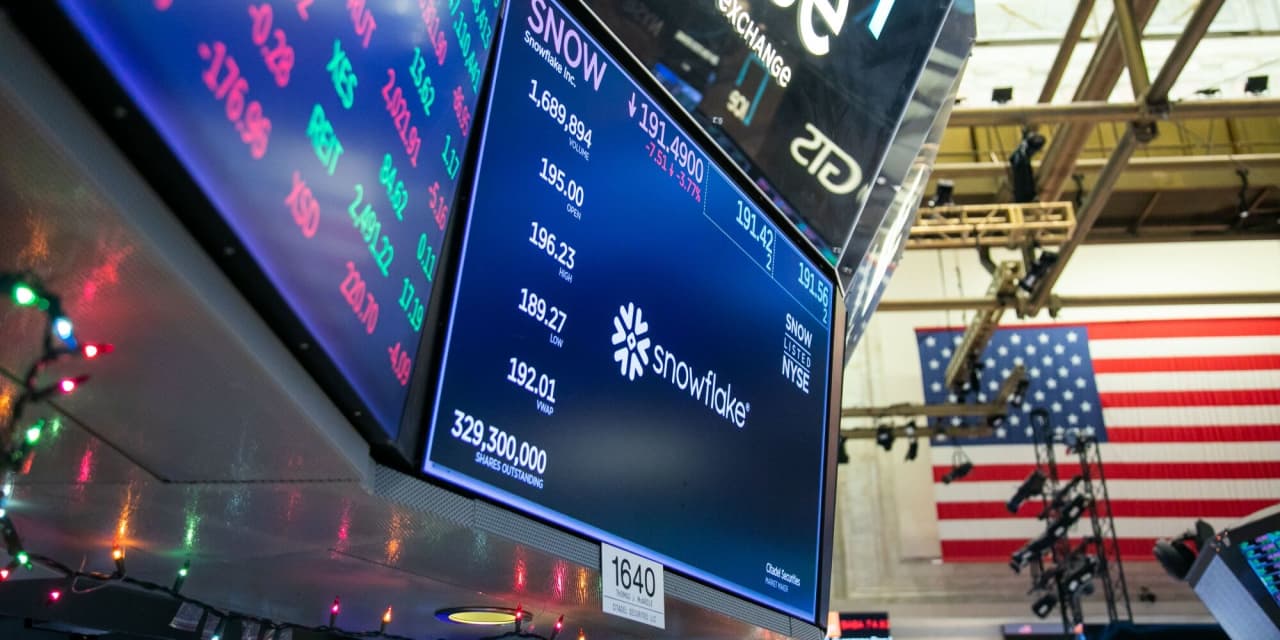
Databricks Revenue Soars Amid AI Boom, Strengthening Market Position
- Significant Revenue Growth: Databricks reported an annual revenue increase of over 80%, reaching $6.9 billion, a substantial rise from $5.4 billion in the previous fiscal fourth quarter, indicating strong demand for its data analytics tools and market leadership.
- AI Product Revenue Surge: The company's annual revenue from AI products has risen from $1.4 billion in February to $1.7 billion, demonstrating a sustained increase in customer demand for AI solutions and reflecting Databricks' strategic positioning in the AI market.
- Leading Market Valuation: With a private market valuation of $134 billion, Databricks surpasses competitor Snowflake's $83 billion market cap, showcasing investor confidence in its future growth potential.
- Strategic Industry Expansion: Databricks announced the acquisition of Panther, a cybersecurity startup valued at $1.4 billion, and launched CustomerLake software, marking its growth strategy in selling tools tailored for specific industries to further expand market share.
JTEK Stock Price Analysis and ETF Dynamics
- Price Fluctuation Analysis: JTEK's 52-week low is $75.255 and high is $111.32, with the last trade at $105.20, indicating price volatility near the high point that may influence investor buying decisions.
- Technical Analysis Tool: Comparing the current stock price to the 200-day moving average can provide valuable insights for investors, aiding in market trend assessment and potential buying opportunities.
- ETF Trading Mechanism: Exchange-traded funds (ETFs) trade like stocks, where investors buy and sell 'units' that can be created or destroyed based on demand, impacting liquidity and market performance.
- Inflows and Outflows Monitoring: Weekly monitoring of changes in ETF shares outstanding focuses on those experiencing notable inflows (new units created) or outflows (old units destroyed), assessing their impact on underlying assets and market sentiment.
SpaceX Stock Plummets Post-IPO Amid Historical Trends
- Stock Decline: SpaceX's stock has dropped 23% from its post-IPO high of $202, currently trading at $156, indicating market concerns over its high valuation that may lead to decreased investor confidence.
- Historical Trends: Among the 15 largest IPOs since 2006, the average stock price has fallen 50% within the first year, suggesting that SpaceX's shares could decline further to $67.50 in the coming months, reflecting pessimistic market expectations for its future performance.
- Overvaluation: With a market value of $2 trillion and $19.3 billion in revenue over the past four quarters, SpaceX's price-to-sales ratio stands at 104, nearly double that of Palantir, the highest-valued stock in the S&P 500, indicating that such high valuations are unsustainable.
- Investment Strategy Advice: Historical data shows that investors typically underperform in large IPOs, suggesting that investors should wait for a more attractive buying opportunity rather than rushing in at high prices.
SpaceX Achieves Record IPO, Faces Significant Stock Volatility
- Record IPO Achievement: SpaceX made its market debut on June 12, raising a staggering $75 billion and achieving a market capitalization of nearly $1.8 trillion, marking the largest IPO in history and reflecting strong market confidence in its growth prospects.
- Significant Stock Volatility: Despite a 19% increase on its first trading day to $135, the stock has since fallen 23% to $156 as of June 23, indicating investor concerns about its long-term performance, particularly given the historical trend of large IPOs experiencing substantial declines.
- Future Performance Predictions: Historical data suggests that SpaceX's stock could drop by 50% within the next year, potentially reaching $67.50, and it is expected to trade 33% below its IPO price by year-end, highlighting the need for investors to approach short-term investment opportunities with caution.
- High Valuation Risks: With a market cap of $2 trillion and revenue of only $19.3 billion over the past four quarters, SpaceX's price-to-sales ratio stands at an exorbitant 104, nearly double that of the highest-valued company in the S&P 500, indicating that such a high valuation may be unsustainable in changing market conditions.
Bank of America Bullish on Multiple Tech Stocks Ahead
- Sandisk New Business Model: Analyst Wamsi Mohan highlights Sandisk's shift to a new business model focused on multiyear contracts to mitigate revenue fluctuations, which is expected to enhance the company's pricing power and positively impact stock performance.
- Dynatrace High Growth Potential: Analyst Koji Ikeda raises Dynatrace's price target to $50 per share, believing its AI-driven software will drive strategic deals and strong growth in annual recurring revenue, despite a 4% decline in shares year-to-date.
- Meta AI Search Opportunity: Analyst Justin Post notes that Meta has significant market opportunities following the rollout of its new AI search feature, with expectations that AI will strengthen search indexing, even as shares have fallen 13% year-to-date.
- Nvidia Reasonable Valuation: Bank of America sets Nvidia's price target at $350 per share, based on its leading position in the fast-growing AI computing market, acknowledging some volatility in global AI projects but maintaining an optimistic long-term outlook.
ARK Invest Increases Stake in Tesla and Snowflake While Reducing Roku Holdings
- Increased Tesla Holdings: On June 18, ARK Invest acquired approximately 44,000 shares of Tesla valued at about $17.6 million, reflecting ongoing confidence in the electric vehicle market despite market fluctuations.
- Acquisition of Snowflake: The firm also purchased around 149,700 shares of Snowflake for approximately $34.8 million, indicating a bullish outlook on cloud computing and data analytics, aiming to capitalize on future growth opportunities.
- Reduced Roku Exposure: ARK Invest sold about 561,800 shares of Roku valued at approximately $77.6 million, reducing its investment in the streaming platform, which reflects a reassessment of technology stocks and portfolio adjustments.
- Healthcare Investment: Additionally, ARK increased its stake in Eli Lilly by nearly 2,400 shares worth about $2.7 million, demonstrating a focus on the healthcare sector to diversify its portfolio amid market uncertainties.
Databricks Revenue Soars Amid AI Boom, Strengthening Market Position
- Significant Revenue Growth: Databricks reported an annual revenue increase of over 80%, reaching $6.9 billion, a substantial rise from $5.4 billion in the previous fiscal fourth quarter, indicating strong demand for its data analytics tools and market leadership.
- AI Product Revenue Surge: The company's annual revenue from AI products has risen from $1.4 billion in February to $1.7 billion, demonstrating a sustained increase in customer demand for AI solutions and reflecting Databricks' strategic positioning in the AI market.
- Leading Market Valuation: With a private market valuation of $134 billion, Databricks surpasses competitor Snowflake's $83 billion market cap, showcasing investor confidence in its future growth potential.
- Strategic Industry Expansion: Databricks announced the acquisition of Panther, a cybersecurity startup valued at $1.4 billion, and launched CustomerLake software, marking its growth strategy in selling tools tailored for specific industries to further expand market share.




