

Significant Stock Movements for Multiple Companies
Written by Emily J. Thompson, Senior Investment Analyst
Updated: Jan 26 2026
0mins

Source: CNBC
- Contract Cancellation Impact: Booz Allen Hamilton's stock fell over 5% after the Treasury Department canceled 31 contracts worth $4.8 million annually, highlighting the significant impact of government contracts on company finances.
- Investor Confidence Rebound: Investor Michael Burry's purchase of GameStop shares drove the stock up nearly 7%, indicating a market reassessment of the company's future value, even as Burry does not rely on a short squeeze for long-term gains.
- Rare Earth Mining Growth: USA Rare Earth shares surged 15% after the Trump administration took a stake, with plans to issue 16.1 million shares and 17.6 million warrants, demonstrating the positive influence of policy support on the rare earth sector.
- Biotech Breakthrough: Sarepta Therapeutics saw a 10% stock increase following its Elevidys study showing significant efficacy, with all Duchenne muscular dystrophy patients able to walk, underscoring the company's innovative potential in the biotech field.
Trade with 70% Backtested Accuracy
Stop guessing "Should I Buy UAL?" and start using high-conviction signals backed by rigorous historical data.
Sign up today to access powerful investing tools and make smarter, data-driven decisions.
Analyst Views on UAL
Wall Street analysts forecast UAL stock price to rise
16 Analyst Rating
15 Buy
1 Hold
0 Sell
Strong Buy
Current: 133.320

Low
115.00
Averages
139.07
High
156.00
Current: 133.320
Low
115.00
Averages
139.07
High
156.00
About UAL
United Airlines Holdings, Inc. is a holding company. The Company transports people and cargo throughout North America and to destinations in Asia, Europe, Africa, the Pacific, the Middle East and Latin America. The Company, through United Airlines, Inc., and its regional carriers, operates across over six continents, with hubs at Chicago O'Hare International Airport (ORD), Denver International Airport (DEN), George Bush Intercontinental Airport (IAH), Los Angeles International Airport (LAX), Newark Liberty International Airport (EWR), San Francisco International Airport (SFO), Washington Dulles International Airport (IAD) and A.B. Won Pat International Airport (GUM). Its hub and spoke system allow it to transport passengers between a large number of destinations with frequent services. The Company has contractual relationships with various regional carriers to provide regional aircraft service branded as United Express. It provides freight and mail transportation services (Air Cargo).
About the author

Emily J. Thompson
Emily J. Thompson, a Chartered Financial Analyst (CFA) with 12 years in investment research, graduated with honors from the Wharton School. Specializing in industrial and technology stocks, she provides in-depth analysis for Intellectia’s earnings and market brief reports.

Analysis of RSP ETF's 52-Week Price Fluctuations

- Price Range Analysis: RSP ETF's 52-week low is $179.9448 per share and high is $215.61, with the latest trade at $214.33, indicating stability near the high point which may attract investor interest.
- Technical Analysis Tool: Comparing the latest share price to the 200-day moving average provides valuable insights for investors, aiding in market trend assessment and potential buying opportunities.
- ETF Unit Trading Mechanism: ETFs trade like stocks, where investors buy and sell 'units' that can be created or destroyed based on demand, impacting liquidity and market performance.
- Inflows and Outflows Monitoring: Weekly monitoring of changes in shares outstanding helps identify ETFs with notable inflows (new units created) or outflows (old units destroyed), assessing their impact on underlying assets.
See More
Airlines Adjust Seasonal Flights to Meet Demand

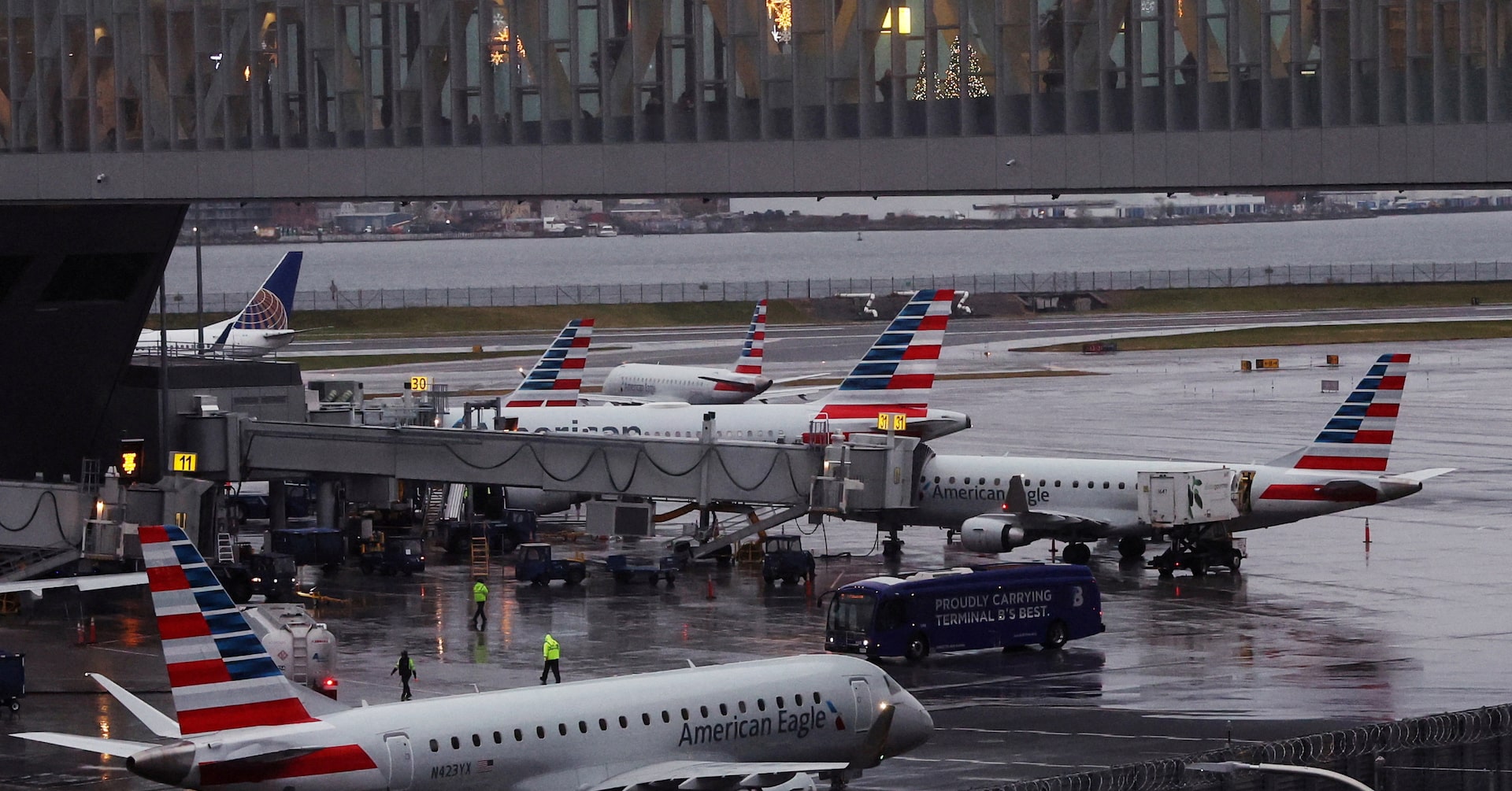
- Extended Flight Seasons: American Airlines has initiated flights from New York to Edinburgh starting in March, while United Airlines will extend its nonstop service to Palermo through December, reflecting airlines' proactive response to off-peak demand aimed at boosting overall revenue.
- High-End Market Appeal: International flights typically offer more premium seating, with some business-class fares reaching $10,000, and airlines plan to expand these options further to attract high-spending customers and enhance profit margins.
- Maintenance Schedule Adjustments: With the increase in shoulder season and off-peak travel, Delta Airlines is rethinking its maintenance and crew scheduling to ensure aircraft availability during the peak fall season, thereby optimizing operational efficiency.
- Shifting Market Demand: Flexible work policies among younger generations are leading more consumers to travel during non-traditional seasons, prompting airlines to adjust flight schedules to accommodate this trend and capture spending opportunities from high-net-worth travelers.
See More

Corporate Sponsorship Behind Trump's Freedom 250 Celebrations

- Corporate Sponsorship Phenomenon: A CNBC analysis reveals that 14 companies, including Boeing, Deloitte, and United Airlines, are backing both America250 and Freedom 250, indicating a complex intersection of corporate interests and politics that may influence their dealings with the government.
- Funding Transparency Issues: The sponsorship structure of Freedom 250 has been criticized for its opacity, allowing donors to gain access to Trump through contributions as high as $10 million, raising concerns about corporations seeking political influence.
- Celebration Participation Status: Despite Congress allocating $150 million for the 250th anniversary, America250 has only received $25 million, while Freedom 250 has secured nearly $80 million in funding, highlighting the financial advantage of Trump-aligned events.
- Event Organization Challenges: The Great American State Fair has faced poor participation, with at least eight states declining to join due to exhibit costs and partisan concerns, resulting in sparse crowds and equipment failures during the event.
See More
Corporate Sponsorship of Freedom 250 Raises Concerns


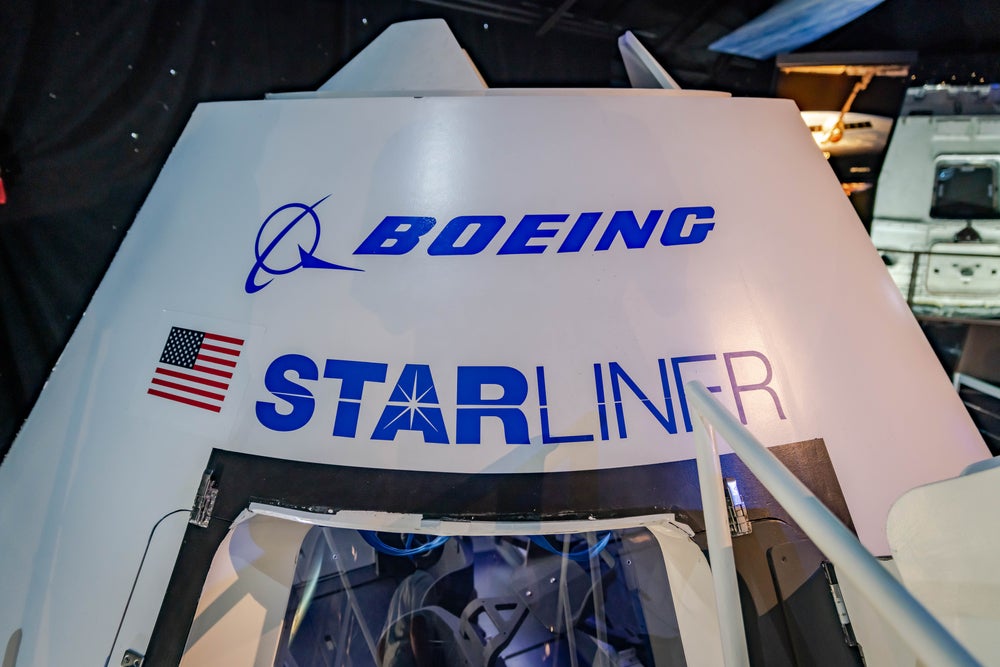
- Corporate Sponsorship: Major companies like Boeing, Lockheed Martin, and Oracle are sponsoring Freedom 250, and while no direct evidence links these sponsorships to government dealings, watchdogs warn this could create new avenues for corporate influence in Washington.
- Opaque Funding Structure: Freedom 250's fundraising materials indicate that donors contributing over $500,000 gain VIP access to Trump, raising ethical concerns about the transparency of funding and potential impacts on government decision-making.
- Celebration Participation: Despite Congress allocating $150 million for the 250th anniversary, Freedom 250 has secured nearly $80 million in related grants, while America250 has only received $25 million, indicating a preference among companies for Trump's version of the celebration.
- Event Issues: The Great American State Fair, a centerpiece of Freedom 250, has faced reduced state participation, sparse crowds, and technical failures, with some artists withdrawing due to concerns over the partisan nature of the event, highlighting organizational challenges.
See More

U.S. Stocks Rise, S&P 500 Hits Two-Week High

- Employment Data Impact: U.S. nonfarm payrolls rose by 57,000 in June, falling short of the expected 113,000, with May's figures revised down to 129,000, indicating a slowdown in the labor market that could influence the Fed's rate hike decisions, thereby providing support for the stock market.
- Strong Market Performance: The S&P 500 index increased by 0.67%, and the Dow Jones Industrial Average rose by 0.85%, reaching an all-time high, reflecting market optimism for a 23% increase in Q2 earnings, particularly as AI infrastructure stocks are expected to contribute nearly 60% of earnings growth.
- International Market Rally: The Euro Stoxx 50 index climbed by 1.32%, hitting a new record high, indicating positive sentiment in global markets, especially against the backdrop of strong U.S. stock performance, which further boosts investor confidence.
- Oil Price Decline Impact: WTI crude oil prices fell by over 1% to a fresh 4.25-month low due to increased global supplies, which lowers inflation expectations and may provide additional support for the stock market, particularly benefiting airlines and cruise companies from reduced fuel costs.
See More

Weaker Jobs Report Sparks Positive Market Reaction


- Jobs Data Analysis: The June nonfarm payrolls increased by only 57,000, significantly below the Dow Jones estimate of 115,000, indicating a slowdown in economic recovery, which led to a positive market reaction with rising stock futures, suggesting investors are easing their expectations for the Fed's monetary policy.
- OpenAI Equity Proposal: OpenAI is considering offering a 5% stake to the U.S. government, with CEO Sam Altman arguing that this would allow the public to share in the benefits of AI, although this move may intensify regulatory scrutiny on its competitor, Anthropic.
- Palantir Rating Upgrade: DA Davidson upgraded Palantir from hold to buy with a price target of $175, implying nearly 40% upside, as analysts noted the company's impressive growth in data analytics, making its current valuation particularly attractive.
- Nvidia New Business Model: Nvidia is introducing a new business model for fast-growing AI startups by offering quick access to computing power in exchange for a share of future revenues, which is intriguing, but analysts believe Nvidia needs to ramp up stock buybacks to improve its stock performance relative to peers.
See More
Analysis of RSP ETF's 52-Week Price Fluctuations
- Price Range Analysis: RSP ETF's 52-week low is $179.9448 per share and high is $215.61, with the latest trade at $214.33, indicating stability near the high point which may attract investor interest.
- Technical Analysis Tool: Comparing the latest share price to the 200-day moving average provides valuable insights for investors, aiding in market trend assessment and potential buying opportunities.
- ETF Unit Trading Mechanism: ETFs trade like stocks, where investors buy and sell 'units' that can be created or destroyed based on demand, impacting liquidity and market performance.
- Inflows and Outflows Monitoring: Weekly monitoring of changes in shares outstanding helps identify ETFs with notable inflows (new units created) or outflows (old units destroyed), assessing their impact on underlying assets.
See More
Airlines Adjust Seasonal Flights to Meet Demand
- Extended Flight Seasons: American Airlines has initiated flights from New York to Edinburgh starting in March, while United Airlines will extend its nonstop service to Palermo through December, reflecting airlines' proactive response to off-peak demand aimed at boosting overall revenue.
- High-End Market Appeal: International flights typically offer more premium seating, with some business-class fares reaching $10,000, and airlines plan to expand these options further to attract high-spending customers and enhance profit margins.
- Maintenance Schedule Adjustments: With the increase in shoulder season and off-peak travel, Delta Airlines is rethinking its maintenance and crew scheduling to ensure aircraft availability during the peak fall season, thereby optimizing operational efficiency.
- Shifting Market Demand: Flexible work policies among younger generations are leading more consumers to travel during non-traditional seasons, prompting airlines to adjust flight schedules to accommodate this trend and capture spending opportunities from high-net-worth travelers.
See More
Corporate Sponsorship Behind Trump's Freedom 250 Celebrations
- Corporate Sponsorship Phenomenon: A CNBC analysis reveals that 14 companies, including Boeing, Deloitte, and United Airlines, are backing both America250 and Freedom 250, indicating a complex intersection of corporate interests and politics that may influence their dealings with the government.
- Funding Transparency Issues: The sponsorship structure of Freedom 250 has been criticized for its opacity, allowing donors to gain access to Trump through contributions as high as $10 million, raising concerns about corporations seeking political influence.
- Celebration Participation Status: Despite Congress allocating $150 million for the 250th anniversary, America250 has only received $25 million, while Freedom 250 has secured nearly $80 million in funding, highlighting the financial advantage of Trump-aligned events.
- Event Organization Challenges: The Great American State Fair has faced poor participation, with at least eight states declining to join due to exhibit costs and partisan concerns, resulting in sparse crowds and equipment failures during the event.
See More
Corporate Sponsorship of Freedom 250 Raises Concerns
- Corporate Sponsorship: Major companies like Boeing, Lockheed Martin, and Oracle are sponsoring Freedom 250, and while no direct evidence links these sponsorships to government dealings, watchdogs warn this could create new avenues for corporate influence in Washington.
- Opaque Funding Structure: Freedom 250's fundraising materials indicate that donors contributing over $500,000 gain VIP access to Trump, raising ethical concerns about the transparency of funding and potential impacts on government decision-making.
- Celebration Participation: Despite Congress allocating $150 million for the 250th anniversary, Freedom 250 has secured nearly $80 million in related grants, while America250 has only received $25 million, indicating a preference among companies for Trump's version of the celebration.
- Event Issues: The Great American State Fair, a centerpiece of Freedom 250, has faced reduced state participation, sparse crowds, and technical failures, with some artists withdrawing due to concerns over the partisan nature of the event, highlighting organizational challenges.
See More
U.S. Stocks Rise, S&P 500 Hits Two-Week High
- Employment Data Impact: U.S. nonfarm payrolls rose by 57,000 in June, falling short of the expected 113,000, with May's figures revised down to 129,000, indicating a slowdown in the labor market that could influence the Fed's rate hike decisions, thereby providing support for the stock market.
- Strong Market Performance: The S&P 500 index increased by 0.67%, and the Dow Jones Industrial Average rose by 0.85%, reaching an all-time high, reflecting market optimism for a 23% increase in Q2 earnings, particularly as AI infrastructure stocks are expected to contribute nearly 60% of earnings growth.
- International Market Rally: The Euro Stoxx 50 index climbed by 1.32%, hitting a new record high, indicating positive sentiment in global markets, especially against the backdrop of strong U.S. stock performance, which further boosts investor confidence.
- Oil Price Decline Impact: WTI crude oil prices fell by over 1% to a fresh 4.25-month low due to increased global supplies, which lowers inflation expectations and may provide additional support for the stock market, particularly benefiting airlines and cruise companies from reduced fuel costs.
See More
Weaker Jobs Report Sparks Positive Market Reaction
- Jobs Data Analysis: The June nonfarm payrolls increased by only 57,000, significantly below the Dow Jones estimate of 115,000, indicating a slowdown in economic recovery, which led to a positive market reaction with rising stock futures, suggesting investors are easing their expectations for the Fed's monetary policy.
- OpenAI Equity Proposal: OpenAI is considering offering a 5% stake to the U.S. government, with CEO Sam Altman arguing that this would allow the public to share in the benefits of AI, although this move may intensify regulatory scrutiny on its competitor, Anthropic.
- Palantir Rating Upgrade: DA Davidson upgraded Palantir from hold to buy with a price target of $175, implying nearly 40% upside, as analysts noted the company's impressive growth in data analytics, making its current valuation particularly attractive.
- Nvidia New Business Model: Nvidia is introducing a new business model for fast-growing AI startups by offering quick access to computing power in exchange for a share of future revenues, which is intriguing, but analysts believe Nvidia needs to ramp up stock buybacks to improve its stock performance relative to peers.
See More





