Significant ETF Withdrawals Observed - APIE, TSM, BABA, HDB
Written by Emily J. Thompson, Senior Investment Analyst
Updated: Sep 03 2025
0mins


Source: NASDAQ.COM
APIE Stock Performance: APIE's stock has a 52-week low of $26.18 and a high of $35.16, with the last trade recorded at $33.80, indicating a stable position within its range.
ETFs Trading Dynamics: Exchange traded funds (ETFs) function like stocks, with units that can be created or destroyed based on investor demand, affecting the underlying holdings and market dynamics.
Trade with 70% Backtested Accuracy
Stop guessing "Should I Buy HDB?" and start using high-conviction signals backed by rigorous historical data.
Sign up today to access powerful investing tools and make smarter, data-driven decisions.
Analyst Views on HDB
About HDB
HDFC Bank Limited (the Bank) is an India-based banking company. The Bank, along with its subsidiaries, is engaged in providing a range of banking and financial services, including retail banking, wholesale banking, treasury operations, insurance, asset management, stockbroking and other financial services businesses. Its segment includes treasury, retail banking, wholesale banking, and other banking operations. The treasury segment consists of net interest earnings from the Bank’s investment portfolio, money market borrowing and lending, and gains or losses on investment operations. The retail banking segment consists of digital banking and other retail banking. The wholesale banking segment provides loans, non-fund facilities and transaction services to corporates, emerging corporates, public sector units, government bodies, and others. The other banking operations segment includes parabanking activities such as credit cards, debit cards, third-party product distribution, and others.
About the author

Emily J. Thompson
Emily J. Thompson, a Chartered Financial Analyst (CFA) with 12 years in investment research, graduated with honors from the Wharton School. Specializing in industrial and technology stocks, she provides in-depth analysis for Intellectia’s earnings and market brief reports.

CMS Info Systems Reports 6% Revenue Growth Amid Challenges

- Revenue Growth: CMS Info Systems Ltd (BOM:543441) achieved a 6% year-on-year growth in services revenue, reaching INR 2,312 crores, despite an overall revenue growth of only 3%, demonstrating resilience in the cash logistics market.
- Market Share Increase: The company improved its market share in the cash logistics business by 200 basis points, successfully securing major contracts with marquee banks like SBI, ICICI Bank, and HDFC Bank, providing a strong order book for FY27.
- Margin Improvement: CMS Info Systems reported a significant margin improvement of 280 basis points in Q4, although it faced pressures from larger-than-usual wage hikes, leading to a 5% decrease in EBITDA and a 20% drop in PAT.
- Focus on Technology Solutions: The company increased the revenue share from technology and payment solutions from 7% to 16%, indicating a strategic emphasis on future growth areas, despite challenges from geopolitical issues and adverse climate conditions in FY26.
See More

HDFC Bank Reports 12% Credit Growth, Exceeding Expectations
- Strong Credit Growth: HDFC Bank achieved a credit growth rate of 12%, surpassing market expectations of 10.5% to 11.5%, indicating its competitive strength in the lending market and robust demand.
- Significant Deposit Growth: The bank's deposit growth rate reached 14.4%, outpacing credit growth and overall system growth, demonstrating its successful strategy in attracting customer deposits.
- Stable Asset Quality: HDFC Bank maintained a return on assets at 1.9%, with a decline in the cost-to-income ratio from 40.5% to 39.5%, reflecting improved cost efficiency and solid asset quality, with gross NPAs at 1.15%.
- Retail Loan Growth Needs Improvement: Despite overall strong performance, retail loan growth remains in single digits, indicating room for enhancement, necessitating increased marketing efforts and product innovation to stimulate growth.
See More
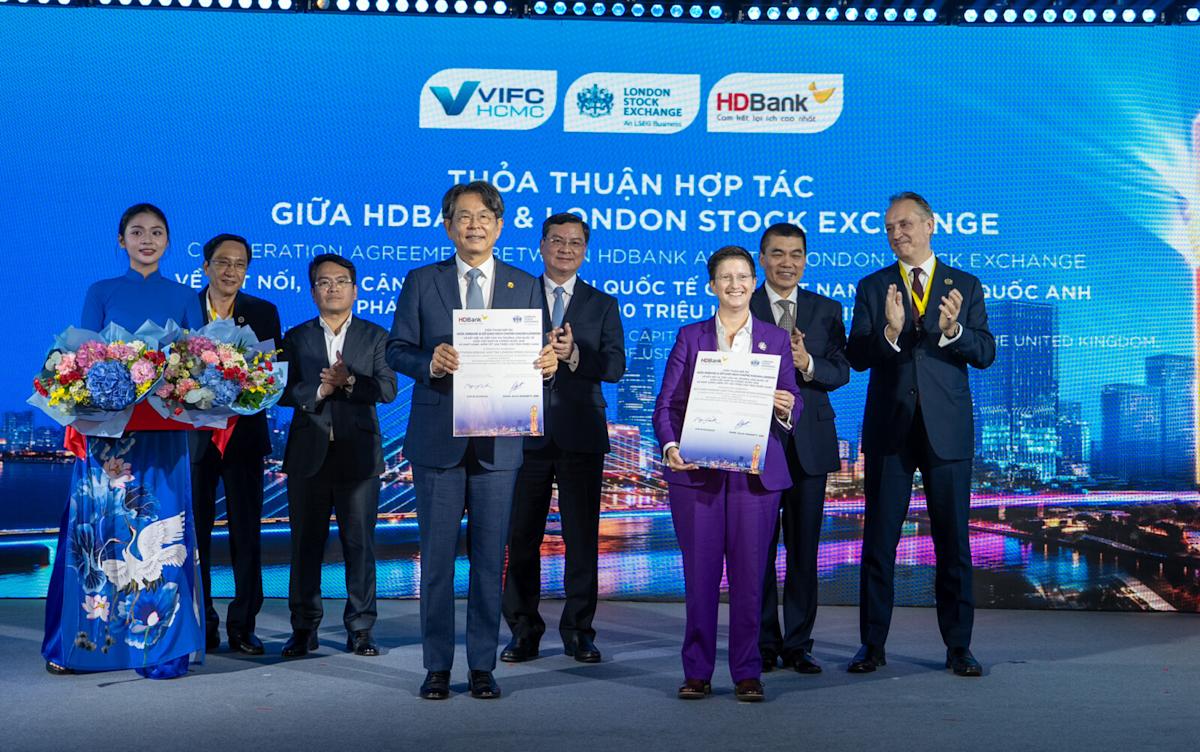
HDBank Partners with London Stock Exchange to Boost Capital Access
- Strategic Partnership Agreement: On April 14, 2026, HDBank signed a strategic partnership agreement with the London Stock Exchange in Ho Chi Minh City to support Vietnamese businesses in accessing international capital markets, thereby promoting sustainable economic development in Vietnam.
- International Capital Influx: This collaboration will facilitate cross-border fundraising activities, including the issuance of shares and bonds on the London market, enhancing connections with global institutional investors and improving transparency and corporate governance standards to boost the international competitiveness of Vietnamese enterprises.
- Green Bond Issuance Plan: HDBank plans to issue up to $300 million in international green bonds, marking a significant step in its sustainable financing strategy aimed at expanding long-term funding sources from international markets to support green economic development.
- Market Connectivity and Support: HDBank is collaborating with several leading Vietnamese companies to help them access international capital markets, promoting governance and transparency standards in industries such as manufacturing and exports, thereby enhancing Vietnam's position in the international financial system.
See More

HDFC Bank Reports Strong Growth in Q1 2026
- Advances Management Growth: HDFC Bank's average advances under management rose approximately 10% year-on-year to ₹29.644 trillion in Q1 2026, indicating strong credit demand and market confidence.
- Significant Deposit Increase: Average deposits increased by about 12.8% to ₹28.511 trillion, driven by growth in both CASA and time deposits, reflecting enhanced customer trust in the bank.
- End-of-Period Advances Performance: As of March 31, 2026, period-end advances under management stood at ₹30.575 trillion, up 10.2%, showcasing the bank's ongoing expansion and competitiveness in the credit market.
- Optimized Deposit Structure: Period-end deposits rose 14.4% to ₹31.055 trillion, with CASA and time deposits increasing by 12.3% and 15.5%, respectively, demonstrating the bank's successful strategies in attracting deposits.
See More
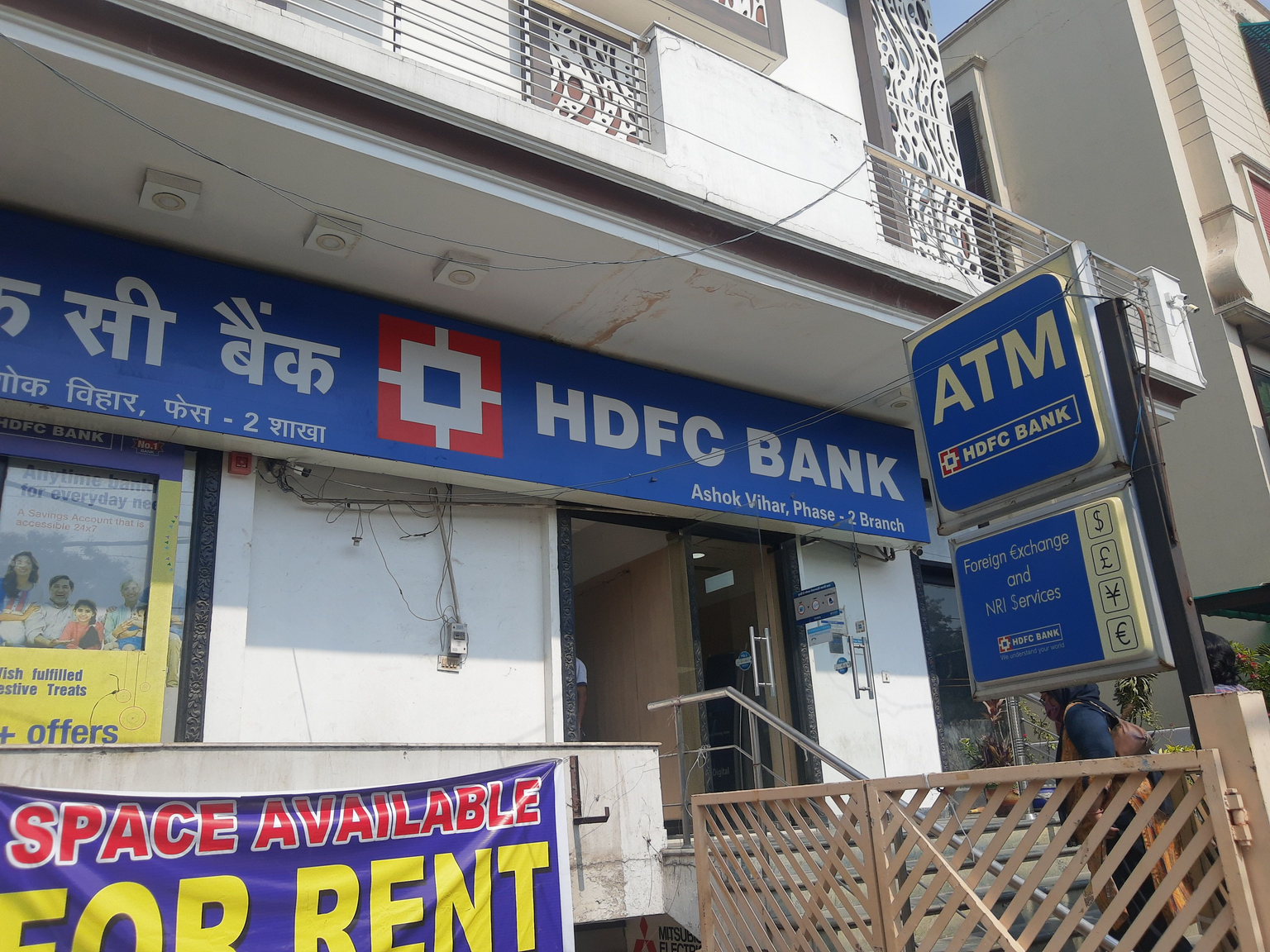
HDFC Bank Investigates Sudden Chairman Departure to Boost Investor Confidence
- Chairman Departure Investigation: HDFC Bank has engaged external legal advisors to investigate the sudden resignation of part-time chairman Atanu Chakraborty, aiming to bolster investor confidence and demonstrate the company's commitment to governance standards.
- Legal Advisors Involvement: The bank will involve both domestic and international legal advisors in the investigation, with a report expected to be submitted within a 'reasonable period,' highlighting HDFC Bank's dedication to transparency and compliance.
- Stock Price Recovery: Following the announcement, HDFC Bank's shares rose by 1.3%, breaking a three-day losing streak that had wiped out $16.27 billion in market value, indicating a positive market reaction to the company's governance improvement efforts.
- Board Approval of Measures: The bank's board approved this investigative measure on Monday, describing it as a 'proactive' step to reinforce governance standards, thereby enhancing market trust in the institution.
See More

US Depositary Receipts Plummet Sharply


- Market Performance Decline: On Friday, Asian equities traded in the US saw a significant drop in American Depositary Receipts (ADRs), reflecting investor concerns about market outlook, which could lead to capital outflows and diminished market confidence.
- Investor Sentiment Weakens: Heightened global economic uncertainty has negatively impacted investor confidence in Asian companies, potentially resulting in reduced trading volumes in the coming weeks, thereby affecting overall market liquidity.
- Sector Impact Notable: The decline in ADRs significantly affects sectors such as technology and consumer goods, which may face negative repercussions on their financing capabilities and market valuations, further exacerbating market volatility.
- Uncertain Future Outlook: With the ongoing low market sentiment, analysts anticipate more volatility in the short term, urging investors to exercise caution in response to potential market risks.
See More
CMS Info Systems Reports 6% Revenue Growth Amid Challenges
- Revenue Growth: CMS Info Systems Ltd (BOM:543441) achieved a 6% year-on-year growth in services revenue, reaching INR 2,312 crores, despite an overall revenue growth of only 3%, demonstrating resilience in the cash logistics market.
- Market Share Increase: The company improved its market share in the cash logistics business by 200 basis points, successfully securing major contracts with marquee banks like SBI, ICICI Bank, and HDFC Bank, providing a strong order book for FY27.
- Margin Improvement: CMS Info Systems reported a significant margin improvement of 280 basis points in Q4, although it faced pressures from larger-than-usual wage hikes, leading to a 5% decrease in EBITDA and a 20% drop in PAT.
- Focus on Technology Solutions: The company increased the revenue share from technology and payment solutions from 7% to 16%, indicating a strategic emphasis on future growth areas, despite challenges from geopolitical issues and adverse climate conditions in FY26.
See More
HDFC Bank Reports 12% Credit Growth, Exceeding Expectations
- Strong Credit Growth: HDFC Bank achieved a credit growth rate of 12%, surpassing market expectations of 10.5% to 11.5%, indicating its competitive strength in the lending market and robust demand.
- Significant Deposit Growth: The bank's deposit growth rate reached 14.4%, outpacing credit growth and overall system growth, demonstrating its successful strategy in attracting customer deposits.
- Stable Asset Quality: HDFC Bank maintained a return on assets at 1.9%, with a decline in the cost-to-income ratio from 40.5% to 39.5%, reflecting improved cost efficiency and solid asset quality, with gross NPAs at 1.15%.
- Retail Loan Growth Needs Improvement: Despite overall strong performance, retail loan growth remains in single digits, indicating room for enhancement, necessitating increased marketing efforts and product innovation to stimulate growth.
See More
HDBank Partners with London Stock Exchange to Boost Capital Access
- Strategic Partnership Agreement: On April 14, 2026, HDBank signed a strategic partnership agreement with the London Stock Exchange in Ho Chi Minh City to support Vietnamese businesses in accessing international capital markets, thereby promoting sustainable economic development in Vietnam.
- International Capital Influx: This collaboration will facilitate cross-border fundraising activities, including the issuance of shares and bonds on the London market, enhancing connections with global institutional investors and improving transparency and corporate governance standards to boost the international competitiveness of Vietnamese enterprises.
- Green Bond Issuance Plan: HDBank plans to issue up to $300 million in international green bonds, marking a significant step in its sustainable financing strategy aimed at expanding long-term funding sources from international markets to support green economic development.
- Market Connectivity and Support: HDBank is collaborating with several leading Vietnamese companies to help them access international capital markets, promoting governance and transparency standards in industries such as manufacturing and exports, thereby enhancing Vietnam's position in the international financial system.
See More
HDFC Bank Reports Strong Growth in Q1 2026
- Advances Management Growth: HDFC Bank's average advances under management rose approximately 10% year-on-year to ₹29.644 trillion in Q1 2026, indicating strong credit demand and market confidence.
- Significant Deposit Increase: Average deposits increased by about 12.8% to ₹28.511 trillion, driven by growth in both CASA and time deposits, reflecting enhanced customer trust in the bank.
- End-of-Period Advances Performance: As of March 31, 2026, period-end advances under management stood at ₹30.575 trillion, up 10.2%, showcasing the bank's ongoing expansion and competitiveness in the credit market.
- Optimized Deposit Structure: Period-end deposits rose 14.4% to ₹31.055 trillion, with CASA and time deposits increasing by 12.3% and 15.5%, respectively, demonstrating the bank's successful strategies in attracting deposits.
See More
HDFC Bank Investigates Sudden Chairman Departure to Boost Investor Confidence
- Chairman Departure Investigation: HDFC Bank has engaged external legal advisors to investigate the sudden resignation of part-time chairman Atanu Chakraborty, aiming to bolster investor confidence and demonstrate the company's commitment to governance standards.
- Legal Advisors Involvement: The bank will involve both domestic and international legal advisors in the investigation, with a report expected to be submitted within a 'reasonable period,' highlighting HDFC Bank's dedication to transparency and compliance.
- Stock Price Recovery: Following the announcement, HDFC Bank's shares rose by 1.3%, breaking a three-day losing streak that had wiped out $16.27 billion in market value, indicating a positive market reaction to the company's governance improvement efforts.
- Board Approval of Measures: The bank's board approved this investigative measure on Monday, describing it as a 'proactive' step to reinforce governance standards, thereby enhancing market trust in the institution.
See More
US Depositary Receipts Plummet Sharply
- Market Performance Decline: On Friday, Asian equities traded in the US saw a significant drop in American Depositary Receipts (ADRs), reflecting investor concerns about market outlook, which could lead to capital outflows and diminished market confidence.
- Investor Sentiment Weakens: Heightened global economic uncertainty has negatively impacted investor confidence in Asian companies, potentially resulting in reduced trading volumes in the coming weeks, thereby affecting overall market liquidity.
- Sector Impact Notable: The decline in ADRs significantly affects sectors such as technology and consumer goods, which may face negative repercussions on their financing capabilities and market valuations, further exacerbating market volatility.
- Uncertain Future Outlook: With the ongoing low market sentiment, analysts anticipate more volatility in the short term, urging investors to exercise caution in response to potential market risks.
See More