Significant ETF Inflows: SPYG, HD, ABBV, APH
Written by Emily J. Thompson, Senior Investment Analyst
Updated: Sep 26 2025
0mins

Should l Buy ABBV?
Source: NASDAQ.COM
52 Week Range of SPYG: SPYG's share price has a 52-week low of $68.65 and a high of $105.41, with the last trade recorded at $102.95.
Understanding ETFs: Exchange traded funds (ETFs) function like stocks, where investors buy and sell "units" that can be created or destroyed based on demand, impacting the underlying holdings.
Trade with 70% Backtested Accuracy
Stop guessing "Should I Buy ABBV?" and start using high-conviction signals backed by rigorous historical data.
Sign up today to access powerful investing tools and make smarter, data-driven decisions.
Analyst Views on ABBV
Wall Street analysts forecast ABBV stock price to rise
18 Analyst Rating
12 Buy
6 Hold
0 Sell
Moderate Buy
Current: 204.930

Low
223.00
Averages
252.00
High
289.00
Current: 204.930
Low
223.00
Averages
252.00
High
289.00
About ABBV
AbbVie Inc. is a global, diversified research-based biopharmaceutical company. It is engaged in research and development, manufacturing, commercialization and sale of medicines and therapies. Its product portfolio includes Immunology, Oncology, Aesthetics, Neuroscience, Eye Care and Other Key Products. Immunology products include rheumatology, dermatology and gastroenterology. Oncology products include Imbruvica, Venclexta/Venclyxto, Elahere and Epkinly. Aesthetics portfolio consists of facial injectables, plastics and regenerative medicine, body contouring, and skincare products. Its Neuroscience products include Botox Therapeutic, Vraylar, Duopa and Duodopa, Ubrelvy, and Qulipta. Eye Care products include Ozurdex, Lumigan/Ganfort, Alphagan/Combigan, Restasis, and other eye care. Other key products include Mavyret/Maviret, Creon, and Linzess/Constella. Its investigational candidate, bretisilocin, is for the treatment of patients with moderate-to-severe major depressive disorder (MDD).
About the author

Emily J. Thompson
Emily J. Thompson, a Chartered Financial Analyst (CFA) with 12 years in investment research, graduated with honors from the Wharton School. Specializing in industrial and technology stocks, she provides in-depth analysis for Intellectia’s earnings and market brief reports.

AbbVie's Growth Potential Emerges Amid Challenges

- Accelerating Revenue Growth: AbbVie reported total revenue of $61.2 billion in 2025, reflecting a 9% year-over-year increase, showcasing the company's recovery capabilities and market adaptability despite challenges from the expiration of Humira's patent.
- Strong Performance of New Drugs: The new immunology drugs Skyrizi and Rinvoq generated a combined revenue of $25.9 billion last year, effectively filling the gap left by declining Humira sales, indicating the strategic effectiveness of AbbVie's product diversification.
- Attractive Valuation: AbbVie trades at a forward price-to-earnings ratio of just 14, significantly lower than the S&P 500's average of 21, with a PEG ratio of 0.49 suggesting the stock is undervalued given the expected growth over the next five years, making it suitable for long-term investment.
- Dividend Yield Advantage: With a dividend yield of 3.4%, AbbVie offers investors a stable cash flow, and despite its recent stock price underperformance, the long-term hold remains appealing due to its income potential.
See More

Google Partners with Agile Robots to Advance Robotics Technology


- Partnership Formation: Google has partnered with Agile Robots to integrate Gemini Robotics foundation models with Agile's intelligent robotic hardware, aiming to enhance efficiency in manufacturing applications, highlighting Google's strategic focus on robotics.
- Data-Driven Innovation: This collaboration will provide Google with real-world deployment data, which is crucial for competing in the AI space, particularly in manufacturing, thereby strengthening its market position.
- Technology Integration and Application: With over 20,000 robotic systems deployed globally, Agile Robots will integrate Google's technology into existing industrial robots, expected to accelerate the development of high-value industrial applications and solidify Google's leadership in robotics.
- Future Development Potential: Carolina Parada, Senior Director at Google DeepMind, stated that this partnership will drive the development of more advanced AI models, marking a significant long-term investment by Google in robotics and its commitment to the future of manufacturing.
See More
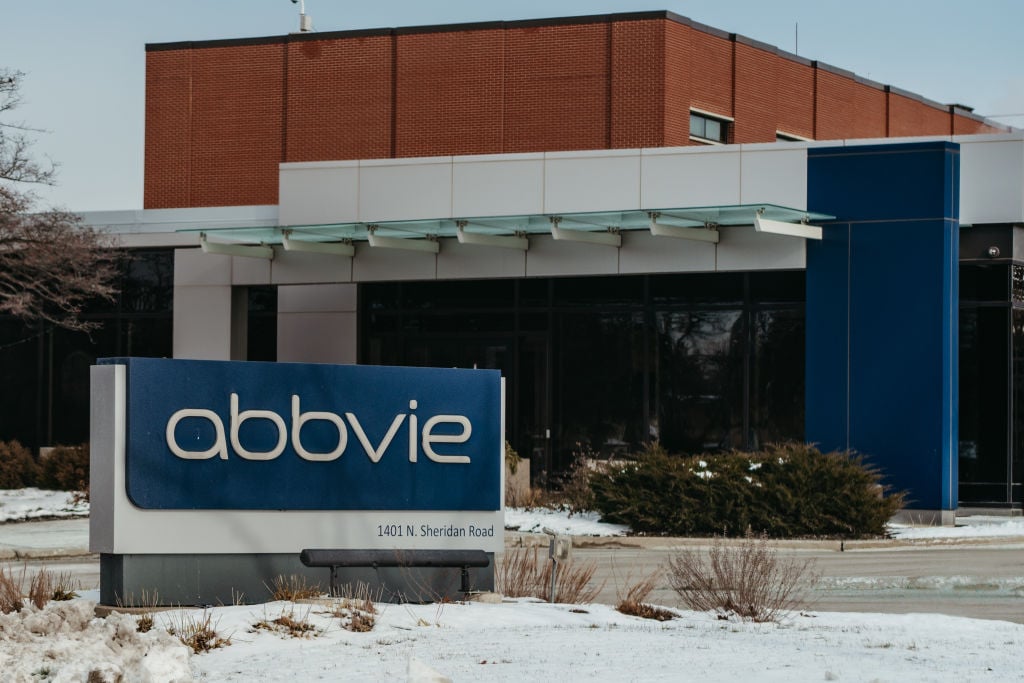
AbbVie and Bristol Myers Squibb's Dividend Performance

- AbbVie's Dividend King Status: AbbVie is not only a reliable dividend raiser but also a Dividend King, having increased its dividend for 50 consecutive years; despite facing the patent expiration of Humira, management strategically bolstered its pipeline with Skyrizi and Rinvoq, which generated $7.4 billion in net revenue in Q4, accounting for 44% of total revenue.
- Strong Cash Flow Support: AbbVie's robust free cash flow is more than sufficient to sustain its quarterly dividend of $1.73 per share, currently yielding 3.4%, ensuring the company's ability to maintain dividend stability and attractiveness amid market fluctuations.
- Bristol Myers Squibb's Innovative Response: Facing similar patent cliff challenges, particularly with cancer drugs, Bristol Myers Squibb's growth portfolio achieved a 16% year-over-year revenue increase in Q4, nearing $7.4 billion, demonstrating the company's resilience in navigating market pressures.
- Solid Financial Forecast: Despite a 15% decline in revenue from its legacy portfolio to $5.1 billion, Bristol Myers Squibb's management projects annual revenue between $46 billion and $47.5 billion for 2023, with free cash flow at $12.8 billion, significantly exceeding the $5 billion needed for dividends, ensuring a sustainable dividend yield of 4.4%.
See More

Dividend Performance of AbbVie and Bristol Myers Squibb
- AbbVie's Dividend King Status: AbbVie is not only a reliable dividend raiser but also a Dividend King, having increased its dividend annually for 50 years, and despite facing the patent expiration of Humira, its management has effectively navigated challenges through strategic acquisitions and new drug development, ensuring strong cash flow and a quarterly dividend of $1.73 per share, currently yielding 3.4%.
- New Drug Revenue Growth: AbbVie's next-generation drugs, Skyrizi and Rinvoq, generated a combined net revenue of $7.4 billion in the fourth quarter, accounting for 44% of the company's total revenue, demonstrating its strong market adaptability post-Humira patent loss and further solidifying its leadership in the biopharmaceutical sector.
- Bristol Myers Squibb's Innovative Response: Facing patent cliffs with cancer drugs like Revlimid and Opdivo, Bristol Myers Squibb has driven growth through innovation, with its growth portfolio's revenue increasing by 16% year-over-year to nearly $7.4 billion in the fourth quarter, alleviating the revenue decline from its legacy portfolio and showcasing resilience in adversity.
- Strong Free Cash Flow: Although Bristol Myers Squibb may experience a decline in free cash flow, which was $12.8 billion last year, significantly exceeding the $5 billion needed for dividend payments, its current dividend yield stands at 4.4%, providing a stable return outlook for long-term investors.
See More

AbbVie Stock Underperforms but Holds Great Potential
- Stock Decline: AbbVie has seen an 11% drop in stock price this year, significantly underperforming the S&P 500's 4% decline, reflecting bearish sentiment among investors due to concerns over healthcare reform and government spending cuts.
- New Drug Revenue Growth: Despite Humira's sales halving to $4.5 billion, AbbVie's new immunology drugs Skyrizi and Rinvoq generated a combined $25.9 billion in revenue last year, demonstrating the company's ability to adapt to market changes.
- Strong Financial Performance: AbbVie's total revenue reached $61.2 billion in 2025, marking a 9% increase year-over-year, with accelerating growth rates in recent quarters indicating significant potential in its diversified operations.
- Attractive Valuation: With a forward price-to-earnings ratio of just 14, well below the S&P 500 average of 21, and a PEG ratio of 0.49, AbbVie appears undervalued, presenting a compelling opportunity for long-term investors with its above-average dividend yield of 3.4%.
See More

Investment Opportunities in Healthcare Stocks
- CVS Health Challenges: CVS Health is under pressure from the U.S. Centers for Medicare and Medicaid Services, which announced a mere 0.09% increase in Medicare Advantage payment rates for 2027, significantly below analyst expectations, potentially leading to margin compression and impacting long-term profitability.
- Financial Performance Volatility: Despite strong revenue growth in Q4, rising costs led to a post-earnings sell-off, with the current stock price at $71.85 and a market cap of $91 billion, reflecting market concerns about its future performance.
- AbbVie Growth Potential: AbbVie's stock has been volatile due to concerns over Humira's patent expiration, but its immunology drugs Skyrizi and Rinvoq are expected to generate over $31 billion in sales, far exceeding Humira's peak revenue, indicating strong growth potential in new products.
- Dividend Attractiveness: AbbVie has increased its dividend for 54 consecutive years, earning the title of 'Dividend King', making it particularly appealing to income seekers; despite recent stock price declines, its stable dividend policy provides confidence for long-term holding.
See More
AbbVie's Growth Potential Emerges Amid Challenges
- Accelerating Revenue Growth: AbbVie reported total revenue of $61.2 billion in 2025, reflecting a 9% year-over-year increase, showcasing the company's recovery capabilities and market adaptability despite challenges from the expiration of Humira's patent.
- Strong Performance of New Drugs: The new immunology drugs Skyrizi and Rinvoq generated a combined revenue of $25.9 billion last year, effectively filling the gap left by declining Humira sales, indicating the strategic effectiveness of AbbVie's product diversification.
- Attractive Valuation: AbbVie trades at a forward price-to-earnings ratio of just 14, significantly lower than the S&P 500's average of 21, with a PEG ratio of 0.49 suggesting the stock is undervalued given the expected growth over the next five years, making it suitable for long-term investment.
- Dividend Yield Advantage: With a dividend yield of 3.4%, AbbVie offers investors a stable cash flow, and despite its recent stock price underperformance, the long-term hold remains appealing due to its income potential.
See More
Google Partners with Agile Robots to Advance Robotics Technology
- Partnership Formation: Google has partnered with Agile Robots to integrate Gemini Robotics foundation models with Agile's intelligent robotic hardware, aiming to enhance efficiency in manufacturing applications, highlighting Google's strategic focus on robotics.
- Data-Driven Innovation: This collaboration will provide Google with real-world deployment data, which is crucial for competing in the AI space, particularly in manufacturing, thereby strengthening its market position.
- Technology Integration and Application: With over 20,000 robotic systems deployed globally, Agile Robots will integrate Google's technology into existing industrial robots, expected to accelerate the development of high-value industrial applications and solidify Google's leadership in robotics.
- Future Development Potential: Carolina Parada, Senior Director at Google DeepMind, stated that this partnership will drive the development of more advanced AI models, marking a significant long-term investment by Google in robotics and its commitment to the future of manufacturing.
See More
AbbVie and Bristol Myers Squibb's Dividend Performance
- AbbVie's Dividend King Status: AbbVie is not only a reliable dividend raiser but also a Dividend King, having increased its dividend for 50 consecutive years; despite facing the patent expiration of Humira, management strategically bolstered its pipeline with Skyrizi and Rinvoq, which generated $7.4 billion in net revenue in Q4, accounting for 44% of total revenue.
- Strong Cash Flow Support: AbbVie's robust free cash flow is more than sufficient to sustain its quarterly dividend of $1.73 per share, currently yielding 3.4%, ensuring the company's ability to maintain dividend stability and attractiveness amid market fluctuations.
- Bristol Myers Squibb's Innovative Response: Facing similar patent cliff challenges, particularly with cancer drugs, Bristol Myers Squibb's growth portfolio achieved a 16% year-over-year revenue increase in Q4, nearing $7.4 billion, demonstrating the company's resilience in navigating market pressures.
- Solid Financial Forecast: Despite a 15% decline in revenue from its legacy portfolio to $5.1 billion, Bristol Myers Squibb's management projects annual revenue between $46 billion and $47.5 billion for 2023, with free cash flow at $12.8 billion, significantly exceeding the $5 billion needed for dividends, ensuring a sustainable dividend yield of 4.4%.
See More
Dividend Performance of AbbVie and Bristol Myers Squibb
- AbbVie's Dividend King Status: AbbVie is not only a reliable dividend raiser but also a Dividend King, having increased its dividend annually for 50 years, and despite facing the patent expiration of Humira, its management has effectively navigated challenges through strategic acquisitions and new drug development, ensuring strong cash flow and a quarterly dividend of $1.73 per share, currently yielding 3.4%.
- New Drug Revenue Growth: AbbVie's next-generation drugs, Skyrizi and Rinvoq, generated a combined net revenue of $7.4 billion in the fourth quarter, accounting for 44% of the company's total revenue, demonstrating its strong market adaptability post-Humira patent loss and further solidifying its leadership in the biopharmaceutical sector.
- Bristol Myers Squibb's Innovative Response: Facing patent cliffs with cancer drugs like Revlimid and Opdivo, Bristol Myers Squibb has driven growth through innovation, with its growth portfolio's revenue increasing by 16% year-over-year to nearly $7.4 billion in the fourth quarter, alleviating the revenue decline from its legacy portfolio and showcasing resilience in adversity.
- Strong Free Cash Flow: Although Bristol Myers Squibb may experience a decline in free cash flow, which was $12.8 billion last year, significantly exceeding the $5 billion needed for dividend payments, its current dividend yield stands at 4.4%, providing a stable return outlook for long-term investors.
See More
AbbVie Stock Underperforms but Holds Great Potential
- Stock Decline: AbbVie has seen an 11% drop in stock price this year, significantly underperforming the S&P 500's 4% decline, reflecting bearish sentiment among investors due to concerns over healthcare reform and government spending cuts.
- New Drug Revenue Growth: Despite Humira's sales halving to $4.5 billion, AbbVie's new immunology drugs Skyrizi and Rinvoq generated a combined $25.9 billion in revenue last year, demonstrating the company's ability to adapt to market changes.
- Strong Financial Performance: AbbVie's total revenue reached $61.2 billion in 2025, marking a 9% increase year-over-year, with accelerating growth rates in recent quarters indicating significant potential in its diversified operations.
- Attractive Valuation: With a forward price-to-earnings ratio of just 14, well below the S&P 500 average of 21, and a PEG ratio of 0.49, AbbVie appears undervalued, presenting a compelling opportunity for long-term investors with its above-average dividend yield of 3.4%.
See More
Investment Opportunities in Healthcare Stocks
- CVS Health Challenges: CVS Health is under pressure from the U.S. Centers for Medicare and Medicaid Services, which announced a mere 0.09% increase in Medicare Advantage payment rates for 2027, significantly below analyst expectations, potentially leading to margin compression and impacting long-term profitability.
- Financial Performance Volatility: Despite strong revenue growth in Q4, rising costs led to a post-earnings sell-off, with the current stock price at $71.85 and a market cap of $91 billion, reflecting market concerns about its future performance.
- AbbVie Growth Potential: AbbVie's stock has been volatile due to concerns over Humira's patent expiration, but its immunology drugs Skyrizi and Rinvoq are expected to generate over $31 billion in sales, far exceeding Humira's peak revenue, indicating strong growth potential in new products.
- Dividend Attractiveness: AbbVie has increased its dividend for 54 consecutive years, earning the title of 'Dividend King', making it particularly appealing to income seekers; despite recent stock price declines, its stable dividend policy provides confidence for long-term holding.
See More