

Should You Buy, Hold, or Sell UnitedHealth Group (UNH) Stock After Its Recent Rally?

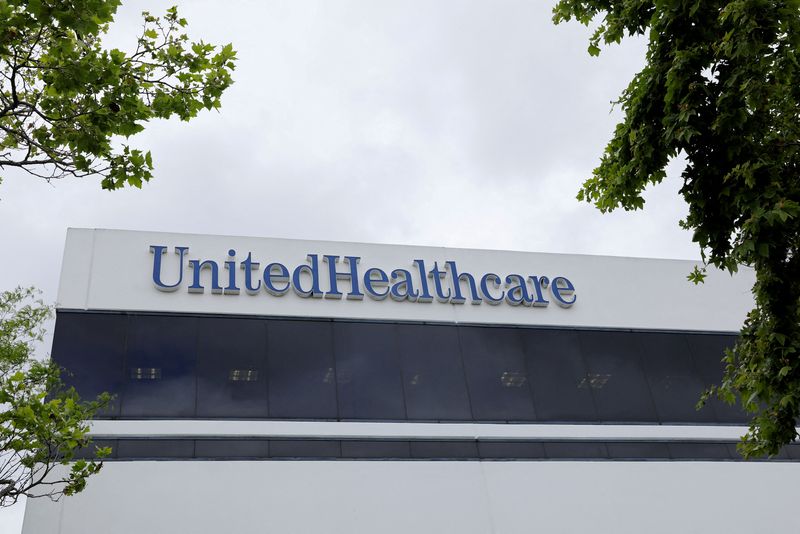
Stock Performance: UnitedHealth Group's stock (UNH) is down 40% year-to-date but has increased over 20% this month due to investments from Warren Buffett's Berkshire Hathaway and other hedge fund managers.
Value Investing Insight: Buffett's investment in UNH reflects a classic value investing strategy, seeing potential long-term value despite the company's current challenges, including a DOJ investigation and high medical costs.
Earnings Projections: The company has revised its fiscal 2025 EPS guidance downward significantly, with FY26 EPS estimates also dropping nearly 30%, raising concerns among investors about future profitability.
Investment Alternatives: Analysts suggest that for those wary of UNH's volatility, investing in the iShares U.S. Healthcare Providers ETF (IHF) may provide a safer exposure to the healthcare sector.
Trade with 70% Backtested Accuracy
Analyst Views on UNH

About UNH
About the author


Long-Term Investment Strategy in Healthcare Sector


- Strong Financial Performance: Johnson & Johnson reported Q1 revenue of $24.1 billion, a 9.9% increase year-over-year, with adjusted EPS of $2.70 exceeding analyst expectations, and it forecasts annual sales between $99.7 billion and $100.7 billion, indicating robust growth potential in innovative medicine and medtech.
- Diversification Advantage: Abbott Laboratories achieved Q1 sales of $11.2 billion, up 7.8% year-over-year, with strong performance in medical devices and diagnostics offsetting declines in nutrition, and it expects full-year revenue growth of 6.5% to 7.5%, solidifying its position in global healthcare demand.
- Market Dominance: UnitedHealth Group's Q1 revenue reached $111.7 billion, a 2% increase year-over-year, with its Optum division leveraging data analytics and pharmacy care for vertical integration, projecting full-year EPS exceeding $17.35, up at least 31%, reinforcing its leadership in the U.S. private health insurance market.
- Stable Dividend Returns: Johnson & Johnson, Abbott, and UnitedHealth Group are all Dividend Kings, having increased dividends for 64, 54, and 17 consecutive years respectively, showcasing their strong cash flow management and appeal to long-term investors, particularly in times of economic uncertainty, providing low volatility and high margin of safety.

Three Stock Analyses: Potential and Challenges


- Kontoor Brands Weak Performance: Despite a 17.6% rise in the past month, Kontoor Brands (KTB) has shown disappointing constant currency revenue growth, indicating soft demand, with a five-year annual EPS growth of only 7.6%, below peer averages, and declining returns on capital suggest management's investments are destroying value.
- Caution on Columbia Banking System: Columbia Banking System (COLB) has increased by 6.7% over the past month, but its 9.6% annual revenue growth lags behind banking peers, with a 2.1% annual decline in EPS over the last five years indicating profitability issues, and a 1.3% decline in tangible book value per share reflects challenges in capital management.
- Growth Potential of UnitedHealth: UnitedHealth (UNH) has risen 4.5% in the last month, with an annual revenue growth of 11.3% surpassing most peers, demonstrating customer value recognition, and its $449.7 billion revenue scale allows for cost spreading across a larger member base, showcasing management's profitability.
- Market Trend Observation: While market attention on these stocks is increasing, investors should exercise caution, particularly regarding the potential risks associated with KTB and COLB, and thorough research is recommended to assess their long-term investment value.
CVS and UnitedHealth Revenue Dynamics

- CVS Revenue Growth: CVS Health reported $100.4 billion in revenue for Q1 2026, marking a 6% year-over-year increase, with retail pharmacies contributing $32 billion, indicating strong performance in the retail market and expected future growth.
- UnitedHealth's Steady Performance: UnitedHealth generated $111.7 billion in revenue for Q1 2026, reflecting a 2% year-over-year increase; while its growth rate lags behind CVS, its focus on core operations is expected to enhance long-term profitability.
- Business Restructuring Impact: CVS received court approval to sell its Omnicare business to GenieRx, which will optimize its business structure and strengthen its competitive position in pharmacy management and health insurance, likely yielding positive revenue impacts in the future.
- Optimistic Market Outlook: Both companies raised their full-year revenue guidance, reflecting confidence in future market demand, and the strategic adjustments by CVS and UnitedHealth present promising investment opportunities amid ongoing growth in the healthcare sector.

Financial Comparison of UnitedHealth and CVS Health
- Revenue Growth Trends: UnitedHealth reported $111.7 billion in revenue for Q1 2026, reflecting a 2% year-over-year increase, while CVS Health achieved $100.4 billion with a 6% annual growth, highlighting CVS's strong performance in retail pharmacy sales.
- Profit Margin Comparison: CVS Health's net income margin for Q1 2026 was approximately 3%, whereas UnitedHealth reached about 6%, indicating superior cost control and profitability for UnitedHealth.
- Market Strategy Adjustments: UnitedHealth is gradually exiting non-U.S. markets to focus on core operations, a strategic shift that may impact its future revenue growth potential, while CVS continues to rely on retail sales through its 9,000 pharmacy locations.
- Investor Considerations: Despite both companies raising their full-year guidance, analysts noted that CVS Health did not make the list of top investment stocks, prompting investors to carefully assess its future performance.

Congress Members' Stock Trades Draw Investor Attention
- Congressional Trading Trends: Despite Johnson & Johnson's stock rising about 23% this year, Congress members have sold more shares than they bought over the past six months, indicating a cautious stance, with three members investing between $15,000 and $30,000, reflecting differing views on the healthcare sector.
- Healthcare Stock Popularity: UnitedHealth Group's shares have surged over 29%, making it a favored choice among Congress members, with Republican Senator Markwayne Mullin purchasing between $50,001 and $100,000 on February 25, demonstrating strong confidence in the company.
- Investor Caution Advised: While copying congressional trades is a popular trend, the 45-day disclosure period means retail investors often act on stale data, potentially harming their returns as the market has already adjusted to the news by the time they learn of the trades.
- Research First: Investors should view congressional disclosures as a starting point for fundamental research rather than direct buy signals, as both Johnson & Johnson and UnitedHealth Group offer over 2% dividend yields, but investment decisions should be based on current valuations and personal risk tolerance rather than political disclosures.
Congress Members Actively Buy Healthcare Stocks
- Congressional Trading Trends: Rep. Lisa McClain from Michigan and two other lawmakers increased their holdings in Johnson & Johnson in 2023, with McClain purchasing up to $30,000, indicating confidence in the company's future despite other members selling off shares in the past six months.
- Strong Performance of Healthcare Stocks: Johnson & Johnson and UnitedHealth Group have seen their stocks rise approximately 23% and 29% year-to-date, respectively, highlighting their appeal to investors, particularly among congressional members, due to stable earnings growth and high dividend yields.
- Investor Focus on Insider Trading: The stock trades of Congress members are closely monitored by investors because of their roles in shaping policies that affect the healthcare sector; however, explicit insider trading is illegal under the Stock Act, yet these trades can still influence market sentiment.
- Investment Decision Recommendations: While congressional trades may signal confidence, investors should conduct independent research based on current valuations and financial health of the companies rather than relying solely on political disclosures, to avoid potential losses from market volatility.
Long-Term Investment Strategy in Healthcare Sector
- Strong Financial Performance: Johnson & Johnson reported Q1 revenue of $24.1 billion, a 9.9% increase year-over-year, with adjusted EPS of $2.70 exceeding analyst expectations, and it forecasts annual sales between $99.7 billion and $100.7 billion, indicating robust growth potential in innovative medicine and medtech.
- Diversification Advantage: Abbott Laboratories achieved Q1 sales of $11.2 billion, up 7.8% year-over-year, with strong performance in medical devices and diagnostics offsetting declines in nutrition, and it expects full-year revenue growth of 6.5% to 7.5%, solidifying its position in global healthcare demand.
- Market Dominance: UnitedHealth Group's Q1 revenue reached $111.7 billion, a 2% increase year-over-year, with its Optum division leveraging data analytics and pharmacy care for vertical integration, projecting full-year EPS exceeding $17.35, up at least 31%, reinforcing its leadership in the U.S. private health insurance market.
- Stable Dividend Returns: Johnson & Johnson, Abbott, and UnitedHealth Group are all Dividend Kings, having increased dividends for 64, 54, and 17 consecutive years respectively, showcasing their strong cash flow management and appeal to long-term investors, particularly in times of economic uncertainty, providing low volatility and high margin of safety.
Three Stock Analyses: Potential and Challenges
- Kontoor Brands Weak Performance: Despite a 17.6% rise in the past month, Kontoor Brands (KTB) has shown disappointing constant currency revenue growth, indicating soft demand, with a five-year annual EPS growth of only 7.6%, below peer averages, and declining returns on capital suggest management's investments are destroying value.
- Caution on Columbia Banking System: Columbia Banking System (COLB) has increased by 6.7% over the past month, but its 9.6% annual revenue growth lags behind banking peers, with a 2.1% annual decline in EPS over the last five years indicating profitability issues, and a 1.3% decline in tangible book value per share reflects challenges in capital management.
- Growth Potential of UnitedHealth: UnitedHealth (UNH) has risen 4.5% in the last month, with an annual revenue growth of 11.3% surpassing most peers, demonstrating customer value recognition, and its $449.7 billion revenue scale allows for cost spreading across a larger member base, showcasing management's profitability.
- Market Trend Observation: While market attention on these stocks is increasing, investors should exercise caution, particularly regarding the potential risks associated with KTB and COLB, and thorough research is recommended to assess their long-term investment value.
CVS and UnitedHealth Revenue Dynamics
- CVS Revenue Growth: CVS Health reported $100.4 billion in revenue for Q1 2026, marking a 6% year-over-year increase, with retail pharmacies contributing $32 billion, indicating strong performance in the retail market and expected future growth.
- UnitedHealth's Steady Performance: UnitedHealth generated $111.7 billion in revenue for Q1 2026, reflecting a 2% year-over-year increase; while its growth rate lags behind CVS, its focus on core operations is expected to enhance long-term profitability.
- Business Restructuring Impact: CVS received court approval to sell its Omnicare business to GenieRx, which will optimize its business structure and strengthen its competitive position in pharmacy management and health insurance, likely yielding positive revenue impacts in the future.
- Optimistic Market Outlook: Both companies raised their full-year revenue guidance, reflecting confidence in future market demand, and the strategic adjustments by CVS and UnitedHealth present promising investment opportunities amid ongoing growth in the healthcare sector.
Financial Comparison of UnitedHealth and CVS Health
- Revenue Growth Trends: UnitedHealth reported $111.7 billion in revenue for Q1 2026, reflecting a 2% year-over-year increase, while CVS Health achieved $100.4 billion with a 6% annual growth, highlighting CVS's strong performance in retail pharmacy sales.
- Profit Margin Comparison: CVS Health's net income margin for Q1 2026 was approximately 3%, whereas UnitedHealth reached about 6%, indicating superior cost control and profitability for UnitedHealth.
- Market Strategy Adjustments: UnitedHealth is gradually exiting non-U.S. markets to focus on core operations, a strategic shift that may impact its future revenue growth potential, while CVS continues to rely on retail sales through its 9,000 pharmacy locations.
- Investor Considerations: Despite both companies raising their full-year guidance, analysts noted that CVS Health did not make the list of top investment stocks, prompting investors to carefully assess its future performance.
Congress Members' Stock Trades Draw Investor Attention
- Congressional Trading Trends: Despite Johnson & Johnson's stock rising about 23% this year, Congress members have sold more shares than they bought over the past six months, indicating a cautious stance, with three members investing between $15,000 and $30,000, reflecting differing views on the healthcare sector.
- Healthcare Stock Popularity: UnitedHealth Group's shares have surged over 29%, making it a favored choice among Congress members, with Republican Senator Markwayne Mullin purchasing between $50,001 and $100,000 on February 25, demonstrating strong confidence in the company.
- Investor Caution Advised: While copying congressional trades is a popular trend, the 45-day disclosure period means retail investors often act on stale data, potentially harming their returns as the market has already adjusted to the news by the time they learn of the trades.
- Research First: Investors should view congressional disclosures as a starting point for fundamental research rather than direct buy signals, as both Johnson & Johnson and UnitedHealth Group offer over 2% dividend yields, but investment decisions should be based on current valuations and personal risk tolerance rather than political disclosures.
Congress Members Actively Buy Healthcare Stocks
- Congressional Trading Trends: Rep. Lisa McClain from Michigan and two other lawmakers increased their holdings in Johnson & Johnson in 2023, with McClain purchasing up to $30,000, indicating confidence in the company's future despite other members selling off shares in the past six months.
- Strong Performance of Healthcare Stocks: Johnson & Johnson and UnitedHealth Group have seen their stocks rise approximately 23% and 29% year-to-date, respectively, highlighting their appeal to investors, particularly among congressional members, due to stable earnings growth and high dividend yields.
- Investor Focus on Insider Trading: The stock trades of Congress members are closely monitored by investors because of their roles in shaping policies that affect the healthcare sector; however, explicit insider trading is illegal under the Stock Act, yet these trades can still influence market sentiment.
- Investment Decision Recommendations: While congressional trades may signal confidence, investors should conduct independent research based on current valuations and financial health of the companies rather than relying solely on political disclosures, to avoid potential losses from market volatility.





