Semiconductor Stocks Decline Amid Geopolitical Tensions
Written by Emily J. Thompson, Senior Investment Analyst
Updated: 3 days ago
0mins


Should l Buy LRCX?
Source: Yahoo Finance
- Geopolitical Impact: Semiconductor stocks broadly declined in afternoon trading due to escalating tensions between the US and China over artificial intelligence technology, with Lam Research's shares falling 3.6%, reflecting market concerns about future uncertainties.
- Chinese Intervention: The Chinese government ordered Meta to unwind its $2 billion acquisition of AI startup Manus on national security grounds, a move seen as direct intervention to limit foreign access to its advanced technology sector, intensifying the tech rivalry between the US and China.
- Supply Chain Concerns: Ongoing worries about global supply chain disruptions stemming from the conflict involving the US, Israel, and Iran have led to rising raw material costs, prompting investor concerns about potential production delays and increased operational costs for technology hardware companies, which negatively impacted market sentiment.
- Strong Performance from Lam Research: Despite market volatility, Lam Research reported $5.84 billion in revenue for Q3, reflecting double-digit year-over-year growth, and projected revenue and earnings well above prior estimates for the coming quarters, demonstrating strong confidence in AI-driven demand.
Trade with 70% Backtested Accuracy
Stop guessing "Should I Buy LRCX?" and start using high-conviction signals backed by rigorous historical data.
Sign up today to access powerful investing tools and make smarter, data-driven decisions.
Analyst Views on LRCX
Wall Street analysts forecast LRCX stock price to fall
22 Analyst Rating
18 Buy
4 Hold
0 Sell
Strong Buy
Current: 257.860

Low
142.00
Averages
192.50
High
265.00
Current: 257.860
Low
142.00
Averages
192.50
High
265.00
About LRCX
Lam Research Corporation is a global supplier of wafer fabrication equipment and services to the semiconductor industry. The Company designs, manufactures, markets, refurbishes, and services semiconductor processing equipment used in the fabrication of integrated circuits. Its products and services are designed to help its customers build devices that are used in a variety of electronic products, including mobile phones, personal computers, cloud and enterprise servers, wearables, automotive vehicles and data storage devices. Its product families include ALTUS, SABRE, SPEED, Striker, VECTOR, Flex, Vantex, Kiyo, Versys Metal, Syndion, Coronus, and DV-Prime, Da Vinci, EOS, and SP Series. Its customer base includes semiconductor memory, foundries, and integrated device manufacturers that make products such as non-volatile memory, dynamic random-access memory, and logic devices. It offers services in areas like nanoscale manufacturing enablement, chemistry, plasma and fluidics, and others.
About the author

Emily J. Thompson
Emily J. Thompson, a Chartered Financial Analyst (CFA) with 12 years in investment research, graduated with honors from the Wharton School. Specializing in industrial and technology stocks, she provides in-depth analysis for Intellectia’s earnings and market brief reports.

U.S. Stocks Surge, Led by Tech Gains


- Tech Stock Rally: Alphabet reported Q1 revenue of $94.57 billion, exceeding the consensus of $91.57 billion, leading to a more than 9% stock increase, which not only boosted the overall market but also set new highs, indicating strong recovery potential in the tech sector.
- Chipmakers Surge: Qualcomm's Q2 adjusted revenue of $10.60 billion surpassed expectations of $10.56 billion, resulting in a stock surge of over 15%, which not only enhanced its market position but also lifted the entire semiconductor sector.
- Positive Economic Data: U.S. initial jobless claims fell to 189,000, a 57-year low, reflecting a robust labor market that further bolstered investor confidence in economic recovery, contributing to the stock market's rise.
- Oil Price Decline Supports Stocks: WTI crude oil prices fell by more than 1%, lowering inflation expectations and bond yields, which provided support for the stock market, with the 10-year T-note yield dropping to 4.38%, creating a favorable financing environment for equities.
See More

U.S. Stocks Close Lower, Weighed Down by Tech Sector

- Tech Sector Decline: Technology stocks fell broadly as concerns about the return on massive AI investments grew, with OpenAI missing its new user and sales targets, putting pressure on shares of partners like Nvidia and Oracle, which negatively impacted market sentiment.
- Positive Economic Data: Despite the market downturn, the U.S. consumer confidence index unexpectedly rose to 92.8, surpassing expectations, indicating economic resilience that could provide support for the market.
- Surging Oil Prices: WTI crude oil prices jumped over 3% to a two-week high amid escalating tensions between the U.S. and Iran in the Strait of Hormuz, potentially exacerbating the global energy crisis and pushing inflation expectations higher.
- Fed Policy Expectations: The market anticipates that the Federal Reserve will keep interest rates unchanged at the upcoming meeting, focusing on oil prices and inflation dynamics, reflecting a cautious outlook on the economic landscape.
See More
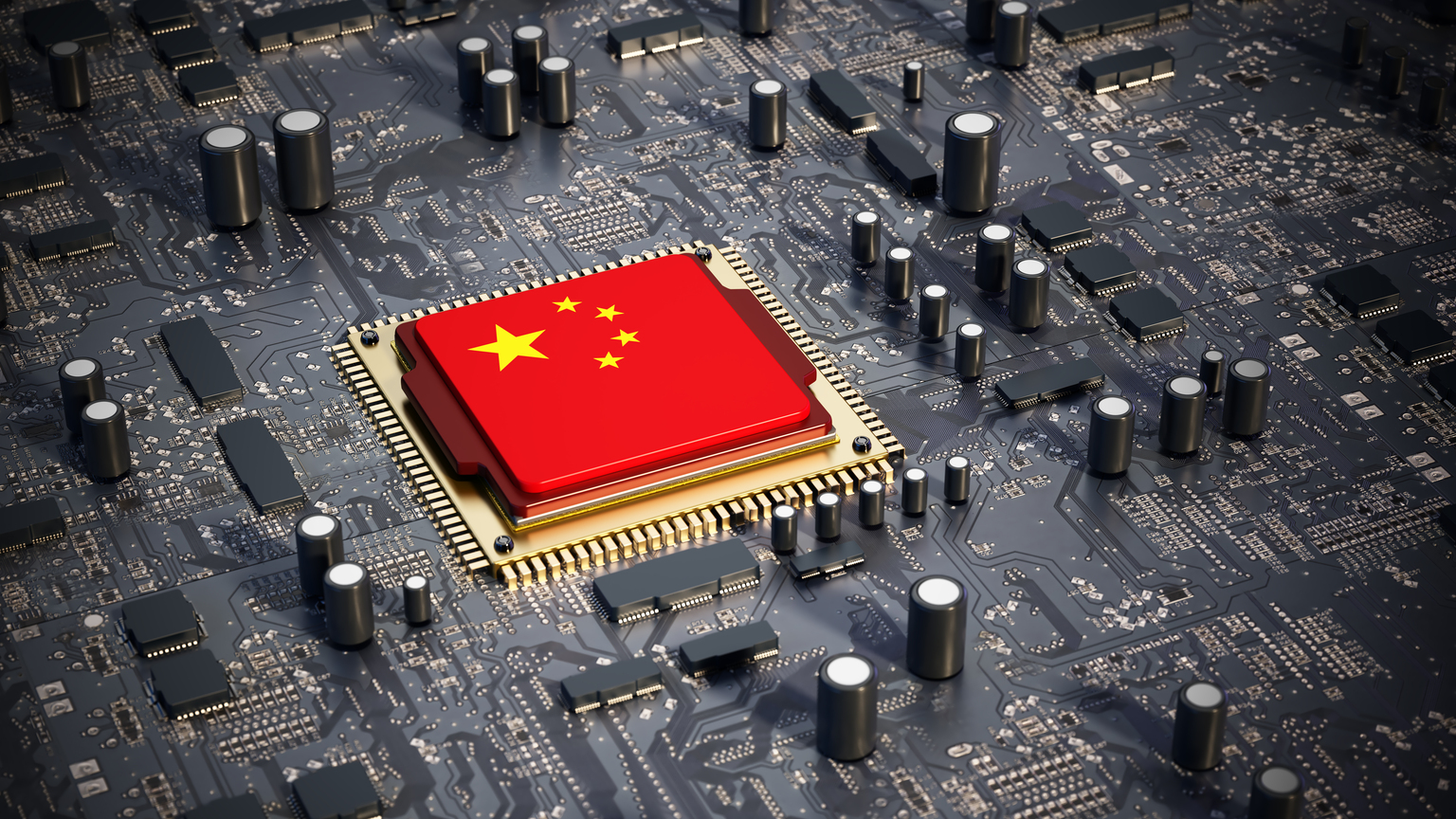
Chip Equipment Spending Surge Benefits Lam Research Significantly


- Surge in Spending: Chip equipment spending surged in 2025, with Lam Research emerging as a major beneficiary in etching and process control, as the industry is projected to reach $250 billion by 2030, indicating robust market demand.
- Market Share Gains: Lam Research recorded an impressive 800 basis point increase in market share in etch/deposition, showcasing its competitive edge in the rapidly growing semiconductor equipment market, while KLA also saw a 150 basis point gain due to metrology advancements.
- Industry Growth Forecast: Semiconductor sales are expected to hit $1.38 trillion in 2026, a 74% year-over-year increase, with further growth to $1.58 trillion in 2027, reflecting strong recovery and investment confidence in the sector.
- Policy Risks: The Trump Administration's push for chip equipment makers to halt shipments to the Hua Hong region of China introduces uncertainty for companies like Lam Research, necessitating close monitoring of policy changes and their market impacts.
See More

U.S. Restricts Chip Equipment Exports to Hua Hong
- Export Restrictions: The U.S. Department of Commerce has ordered several chip equipment companies to halt shipments of certain tools to China's second-largest chipmaker, Hua Hong, reflecting a strong commitment to safeguarding U.S. technological leadership, potentially resulting in billions in lost sales for affected companies.
- Self-Sufficiency Challenges: Hua Hong Group has developed advanced manufacturing technologies for producing AI chips, and despite facing export restrictions, its subsidiary Huali Microelectronics is preparing a 7-nanometer chipmaking process in Shanghai, indicating ongoing efforts in China's high-end chip manufacturing.
- Market Impact Assessment: The restrictions could significantly slow China's domestic chipmaking drive, particularly affecting plants under construction or retooling for advanced chip production, posing substantial market risks for U.S. chip equipment companies.
- U.S.-China Tensions: This policy could escalate tensions between the U.S. and China ahead of President Trump's scheduled meeting with President Xi Jinping, further impacting cooperation and competition in the technology sector.
See More

US Stock Market Volatility Amid Economic Data

- Tech Stock Pressure: Technology stocks are under pressure due to concerns over the return on massive investments in artificial intelligence, as OpenAI recently failed to meet its new user and sales targets, leading to declines in shares of partners like Nvidia and Oracle, reflecting market caution regarding the future of the AI sector.
- Positive Economic Data: The US consumer confidence index unexpectedly rose to 92.8, surpassing expectations of 89.0, indicating an increase in consumer confidence that could positively impact the stock market, although overall market pressures remain.
- Surging Oil Prices: WTI crude oil prices jumped over 3% to a two-week high amid escalating tensions between the US and Iran over the Strait of Hormuz, potentially deepening the global energy crisis and impacting inflation expectations and stock performance.
- Fed Policy Expectations: The market anticipates that the Federal Reserve will maintain interest rates at the upcoming meeting, despite increased uncertainty regarding future policy adjustments due to inflation and oil price volatility, reflecting investor caution about the economic outlook.
See More
U.S. Restricts Chip Equipment Exports to Hua Hong
- Export Restrictions: The U.S. Department of Commerce has ordered several chip equipment companies to halt shipments of certain tools to China's second-largest chipmaker, Hua Hong, underscoring the U.S. commitment to protecting its technological lead.
- Widespread Impact: Major U.S. chip equipment firms, including Lam Research, Applied Materials, and KLA, have received notifications that could result in billions of dollars in lost sales, particularly affecting those supplying plants under construction or retooling for advanced chip production.
- Challenges to Tech Self-Sufficiency: Hua Hong Group is developing advanced chip manufacturing technologies, notably a 7-nanometer process, and while U.S. restrictions may slow China's domestic chipmaking efforts, Hua Hong could seek alternative tools to sustain production.
- Rising U.S.-China Tensions: The restrictions could escalate tensions between the U.S. and China ahead of President Trump's meeting with President Xi Jinping, reflecting stringent U.S. controls on high-tech exports for national security reasons.
See More
U.S. Stocks Surge, Led by Tech Gains
- Tech Stock Rally: Alphabet reported Q1 revenue of $94.57 billion, exceeding the consensus of $91.57 billion, leading to a more than 9% stock increase, which not only boosted the overall market but also set new highs, indicating strong recovery potential in the tech sector.
- Chipmakers Surge: Qualcomm's Q2 adjusted revenue of $10.60 billion surpassed expectations of $10.56 billion, resulting in a stock surge of over 15%, which not only enhanced its market position but also lifted the entire semiconductor sector.
- Positive Economic Data: U.S. initial jobless claims fell to 189,000, a 57-year low, reflecting a robust labor market that further bolstered investor confidence in economic recovery, contributing to the stock market's rise.
- Oil Price Decline Supports Stocks: WTI crude oil prices fell by more than 1%, lowering inflation expectations and bond yields, which provided support for the stock market, with the 10-year T-note yield dropping to 4.38%, creating a favorable financing environment for equities.
See More
U.S. Stocks Close Lower, Weighed Down by Tech Sector
- Tech Sector Decline: Technology stocks fell broadly as concerns about the return on massive AI investments grew, with OpenAI missing its new user and sales targets, putting pressure on shares of partners like Nvidia and Oracle, which negatively impacted market sentiment.
- Positive Economic Data: Despite the market downturn, the U.S. consumer confidence index unexpectedly rose to 92.8, surpassing expectations, indicating economic resilience that could provide support for the market.
- Surging Oil Prices: WTI crude oil prices jumped over 3% to a two-week high amid escalating tensions between the U.S. and Iran in the Strait of Hormuz, potentially exacerbating the global energy crisis and pushing inflation expectations higher.
- Fed Policy Expectations: The market anticipates that the Federal Reserve will keep interest rates unchanged at the upcoming meeting, focusing on oil prices and inflation dynamics, reflecting a cautious outlook on the economic landscape.
See More
Chip Equipment Spending Surge Benefits Lam Research Significantly
- Surge in Spending: Chip equipment spending surged in 2025, with Lam Research emerging as a major beneficiary in etching and process control, as the industry is projected to reach $250 billion by 2030, indicating robust market demand.
- Market Share Gains: Lam Research recorded an impressive 800 basis point increase in market share in etch/deposition, showcasing its competitive edge in the rapidly growing semiconductor equipment market, while KLA also saw a 150 basis point gain due to metrology advancements.
- Industry Growth Forecast: Semiconductor sales are expected to hit $1.38 trillion in 2026, a 74% year-over-year increase, with further growth to $1.58 trillion in 2027, reflecting strong recovery and investment confidence in the sector.
- Policy Risks: The Trump Administration's push for chip equipment makers to halt shipments to the Hua Hong region of China introduces uncertainty for companies like Lam Research, necessitating close monitoring of policy changes and their market impacts.
See More
U.S. Restricts Chip Equipment Exports to Hua Hong
- Export Restrictions: The U.S. Department of Commerce has ordered several chip equipment companies to halt shipments of certain tools to China's second-largest chipmaker, Hua Hong, reflecting a strong commitment to safeguarding U.S. technological leadership, potentially resulting in billions in lost sales for affected companies.
- Self-Sufficiency Challenges: Hua Hong Group has developed advanced manufacturing technologies for producing AI chips, and despite facing export restrictions, its subsidiary Huali Microelectronics is preparing a 7-nanometer chipmaking process in Shanghai, indicating ongoing efforts in China's high-end chip manufacturing.
- Market Impact Assessment: The restrictions could significantly slow China's domestic chipmaking drive, particularly affecting plants under construction or retooling for advanced chip production, posing substantial market risks for U.S. chip equipment companies.
- U.S.-China Tensions: This policy could escalate tensions between the U.S. and China ahead of President Trump's scheduled meeting with President Xi Jinping, further impacting cooperation and competition in the technology sector.
See More
US Stock Market Volatility Amid Economic Data
- Tech Stock Pressure: Technology stocks are under pressure due to concerns over the return on massive investments in artificial intelligence, as OpenAI recently failed to meet its new user and sales targets, leading to declines in shares of partners like Nvidia and Oracle, reflecting market caution regarding the future of the AI sector.
- Positive Economic Data: The US consumer confidence index unexpectedly rose to 92.8, surpassing expectations of 89.0, indicating an increase in consumer confidence that could positively impact the stock market, although overall market pressures remain.
- Surging Oil Prices: WTI crude oil prices jumped over 3% to a two-week high amid escalating tensions between the US and Iran over the Strait of Hormuz, potentially deepening the global energy crisis and impacting inflation expectations and stock performance.
- Fed Policy Expectations: The market anticipates that the Federal Reserve will maintain interest rates at the upcoming meeting, despite increased uncertainty regarding future policy adjustments due to inflation and oil price volatility, reflecting investor caution about the economic outlook.
See More
U.S. Restricts Chip Equipment Exports to Hua Hong
- Export Restrictions: The U.S. Department of Commerce has ordered several chip equipment companies to halt shipments of certain tools to China's second-largest chipmaker, Hua Hong, underscoring the U.S. commitment to protecting its technological lead.
- Widespread Impact: Major U.S. chip equipment firms, including Lam Research, Applied Materials, and KLA, have received notifications that could result in billions of dollars in lost sales, particularly affecting those supplying plants under construction or retooling for advanced chip production.
- Challenges to Tech Self-Sufficiency: Hua Hong Group is developing advanced chip manufacturing technologies, notably a 7-nanometer process, and while U.S. restrictions may slow China's domestic chipmaking efforts, Hua Hong could seek alternative tools to sustain production.
- Rising U.S.-China Tensions: The restrictions could escalate tensions between the U.S. and China ahead of President Trump's meeting with President Xi Jinping, reflecting stringent U.S. controls on high-tech exports for national security reasons.
See More