Seagate Technology Shares Drop Due to Capacity Concerns
Written by Emily J. Thompson, Senior Investment Analyst
Updated: May 18 2026
0mins

Source: seekingalpha
- Capacity Delays Impact: Seagate's CEO Dave Mosley highlighted at the J.P. Morgan Global Technology, Media, and Communications Conference that the 'very long lead times' for products, particularly recording head wafers which can exceed nine months, pose significant challenges, directly affecting the company's market responsiveness and customer satisfaction.
- Investment in Technology Transition: Mosley noted that while the company is adding tools to strengthen capacity within manufacturing facilities, these tools are primarily aimed at technology transitions rather than pure capacity increases, indicating a more cautious strategy in the face of demand fluctuations.
- Growth in HAMR Drive Sales: Seagate has shipped millions of heat-assisted magnetic recording (HAMR) drives and received qualifications from cloud service providers, which not only enhances the product's market competitiveness but also lays a foundation for future revenue growth.
- Industry-Wide Decline: Following Seagate's stock drop, other memory product manufacturers like Sandisk and Western Digital also experienced significant declines, reflecting the industry's vulnerability in facing imbalances between capacity and demand, which may lead to decreased investor confidence in future market conditions.
Trade with 70% Backtested Accuracy
Stop guessing "Should I Buy STX?" and start using high-conviction signals backed by rigorous historical data.
Sign up today to access powerful investing tools and make smarter, data-driven decisions.
Analyst Views on STX
Wall Street analysts forecast STX stock price to fall
18 Analyst Rating
14 Buy
3 Hold
1 Sell
Moderate Buy
Current: 845.760

Low
150.00
Averages
310.39
High
465.00
Current: 845.760
Low
150.00
Averages
310.39
High
465.00
About STX
Seagate Technology Holdings plc provides mass-data storage infrastructure solution. The Company’s principal products are hard disk drives, commonly referred to as disk drives, hard drives (HDDs). In addition to HDDs, the Company produces a range of data storage products, including solid state drives (SSDs), solid state hybrid drives, storage subsystems, as well as a scalable edge-to-cloud mass data platform. Its HDD products are designed for mass capacity storage and legacy markets. Mass capacity storage involves use cases, such as hyperscale data centers and public clouds, as well as emerging use cases. The Company’s HDD and SSD product portfolio includes Serial Advanced Technology Attachment, Serial Attached SCSI and Non-Volatile Memory Express based designs to support a variety of mass capacity and legacy applications. Its systems portfolio includes storage subsystems for enterprises, cloud service providers, scale-out storage servers and original equipment manufacturers.
About the author

Emily J. Thompson
Emily J. Thompson, a Chartered Financial Analyst (CFA) with 12 years in investment research, graduated with honors from the Wharton School. Specializing in industrial and technology stocks, she provides in-depth analysis for Intellectia’s earnings and market brief reports.

Mixed US Stock Market with Energy Stocks Under Pressure


- Market Divergence: The S&P 500 index fell by 0.05%, while the Dow Jones Industrial Average rose by 0.23%, and the Nasdaq 100 index decreased by 0.15%, indicating a divergence in market performance, particularly under the pressure of weak energy and cybersecurity stocks.
- Crude Oil Price Decline: Crude oil prices dropped over 4% to a five-week low amid optimism surrounding a US-Iran peace deal, which has lowered inflation expectations and pushed bond yields lower, with the 10-year T-note yield falling to a 1.5-week low of 4.45%.
- Mortgage Application Decrease: For the week ending May 22, US MBA mortgage applications fell by 8.5%, with the purchase mortgage sub-index down 0.4% and the refinancing mortgage sub-index down 18.1%, indicating the suppressive effect of high rates on the housing market.
- Earnings Performance: As of now, 83% of the 475 S&P 500 companies that reported Q1 earnings have exceeded expectations, with Q1 earnings projected to rise by 12% year-over-year, but excluding the technology sector, earnings growth is only about 3%, marking the lowest in two years, reflecting disparities across industries.
See More

U.S. Stock Futures Rise on Sustained AI Momentum


- Market Optimism: U.S. stock futures extended gains on Wednesday, buoyed by sustained AI-driven momentum, while investors remained cautiously optimistic about a potential deal between the U.S. and Iran, despite recent U.S. strikes near the Strait of Hormuz that Iran condemned.
- Strong Index Performance: As of 04:42 a.m. ET, Dow E-minis rose by 195 points, or 0.39%; S&P 500 E-minis increased by 21 points, or 0.28%; and Nasdaq 100 E-minis climbed by 134 points, or 0.45%, reflecting growing confidence in AI's impact on the market.
- Earnings Support: A robust earnings season and expectations of approximately 29% year-on-year growth in Q1 have fueled the rally on Wall Street, with both the S&P 500 and Nasdaq closing at record highs on Tuesday, indicating strong market confidence in future growth.
- Fed Policy Expectations: Markets are set to focus on Thursday's personal consumption expenditures (PCE) index data, which could provide crucial insights into the monetary policy direction under new chair Kevin Warsh, with expectations that the Fed will maintain rates steady for the remainder of the year, while some are pricing in a 25 bps hike in December.
See More

Memory Stock ETF Surges Rapidly, Risks Must Be Heeded

- Rapid ETF Growth: The Roundhill Memory ETF has amassed $10 billion in assets since its April 2 launch, making it one of the fastest-growing ETFs in history, reflecting strong investor interest in the memory sector driven by AI demand.
- Year-to-Date Returns: In just seven weeks, the ETF has generated a remarkable 90% return, with shares reaching $52.82, indicating robust performance from memory stocks like Micron and Sandisk, and highlighting the accelerating demand for memory technology.
- Concentration Risk: The ETF's portfolio is highly concentrated, with the top three holdings (SK Hynix, Micron, Samsung) accounting for 74%, significantly increasing its risk compared to a typical diversified ETF, necessitating caution from investors.
- Derivatives Warning: The ETF employs swap agreements and derivatives to amplify returns, including a roughly 9% swap in Micron, which may enhance gains in a bull market but also heightens risks during downturns, urging investors to remain vigilant.
See More

Roundhill Memory ETF Surges with 98% Returns
- Outstanding ETF Performance: The Roundhill Memory ETF has achieved a remarkable 98% return since its launch in April, showcasing its strong performance in memory chip stocks and attracting significant investor interest.
- Rapid Asset Accumulation: In just seven weeks, the ETF has amassed $10 billion in assets, making it one of the fastest-growing new ETFs in history, reflecting the strong demand for memory stocks in the market.
- Concentration Risk: The Roundhill Memory ETF's portfolio is highly concentrated, with approximately 74% of its assets in the top three holdings—SK Hynix, Micron, and Samsung—resulting in significantly higher investment risks compared to a typical diversified ETF.
- Market Volatility Warning: While the ETF has performed exceptionally well amid strong growth in the memory market, its strategy of using swap agreements and derivatives to amplify returns may also exacerbate losses during market downturns, necessitating cautious allocation by investors.
See More
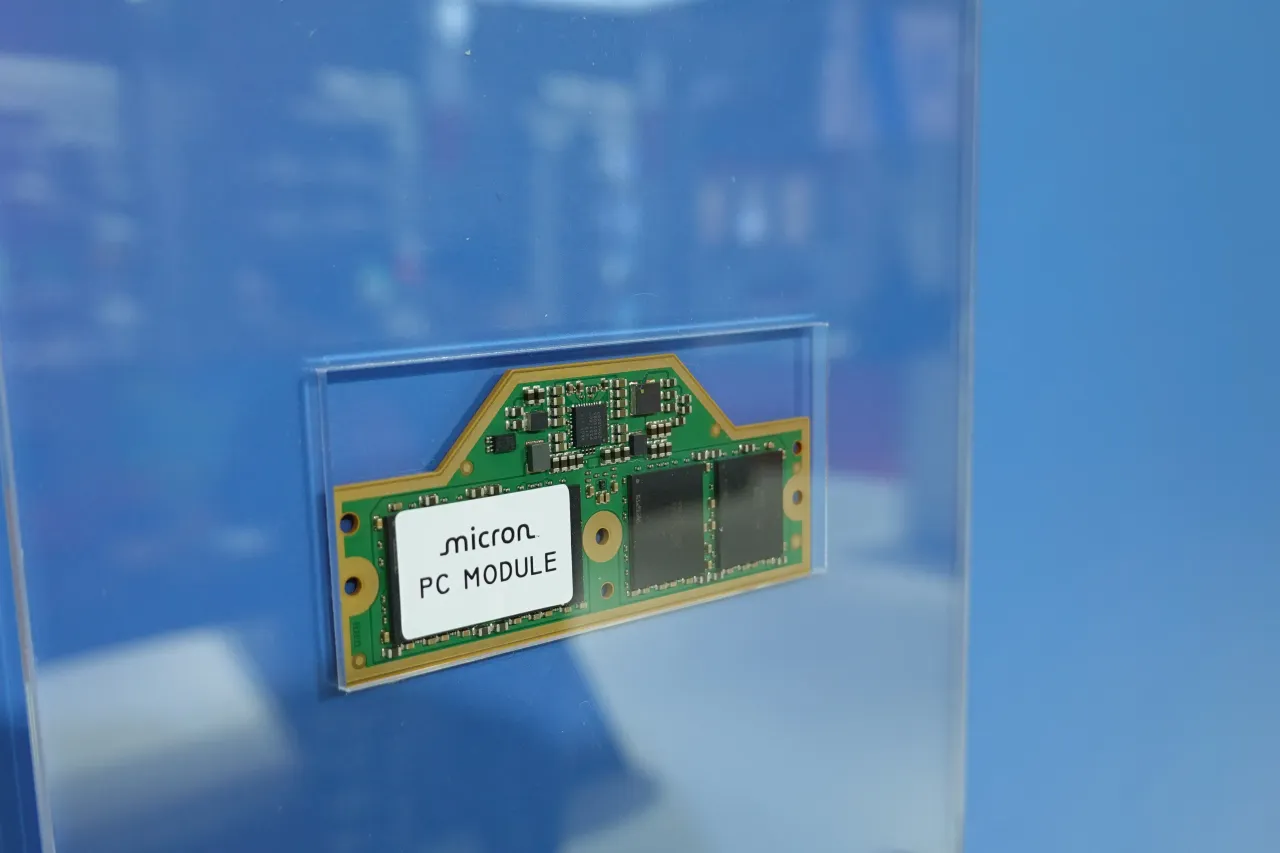
Micron Achieves $1 Trillion Market Capitalization
- Milestone Achievement: Micron reached a market capitalization of $1 trillion on Tuesday, with its stock rising 6% in overnight trading, reflecting strong market confidence in its growth prospects amid surging demand for AI data centers.
- Sector Surge: SK Hynix and Samsung shares rose over 10% and 6.4% respectively on Wednesday, both surpassing the $1 trillion market cap, indicating a robust recovery in the memory sector and investor optimism.
- UBS Bullish Outlook: UBS raised Micron's price target from $535 to $1,625, implying an 80% upside, as long-term memory supply agreements are expected to enhance profitability and cash flow, supporting stable growth for the company in the coming years.
- Retail Sentiment Recovery: Micron was the top-trending ticker on Stocktwits with message volume surging over 1,000% in the past 24 hours, as retail sentiment shifted from 'bearish' to 'neutral', indicating a recovery in confidence towards Micron and the memory sector.
See More

Key Highlights from Tuesday's Investing Club Meeting


- Market Rally: The S&P 500 rose on Tuesday, primarily driven by technology stocks like Micron, Western Digital, and Seagate, reflecting investor optimism about a potential U.S.-Iran deal to end the conflict.
- Arm Stock Trim: Following a 46% gain last week, Jim Cramer decided to trim his position in Arm, emphasizing the importance of taking profits rather than chasing parabolic moves to maintain portfolio stability.
- Eli Lilly Acquisition Plans: Eli Lilly announced plans to acquire three companies for a total of $3.83 billion to expand its infectious disease vaccine business, indicating ongoing investment and strategic shifts in drug development, which led to a stock price increase of over 1%.
- Qnity Stock Potential: Qnity shares rose more than 3%, with Jim suggesting that if coverage expands beyond a limited number of analysts, the stock could reach $250, highlighting the growing demand for materials used in advanced computer chips.
See More
Mixed US Stock Market with Energy Stocks Under Pressure
- Market Divergence: The S&P 500 index fell by 0.05%, while the Dow Jones Industrial Average rose by 0.23%, and the Nasdaq 100 index decreased by 0.15%, indicating a divergence in market performance, particularly under the pressure of weak energy and cybersecurity stocks.
- Crude Oil Price Decline: Crude oil prices dropped over 4% to a five-week low amid optimism surrounding a US-Iran peace deal, which has lowered inflation expectations and pushed bond yields lower, with the 10-year T-note yield falling to a 1.5-week low of 4.45%.
- Mortgage Application Decrease: For the week ending May 22, US MBA mortgage applications fell by 8.5%, with the purchase mortgage sub-index down 0.4% and the refinancing mortgage sub-index down 18.1%, indicating the suppressive effect of high rates on the housing market.
- Earnings Performance: As of now, 83% of the 475 S&P 500 companies that reported Q1 earnings have exceeded expectations, with Q1 earnings projected to rise by 12% year-over-year, but excluding the technology sector, earnings growth is only about 3%, marking the lowest in two years, reflecting disparities across industries.
See More
U.S. Stock Futures Rise on Sustained AI Momentum
- Market Optimism: U.S. stock futures extended gains on Wednesday, buoyed by sustained AI-driven momentum, while investors remained cautiously optimistic about a potential deal between the U.S. and Iran, despite recent U.S. strikes near the Strait of Hormuz that Iran condemned.
- Strong Index Performance: As of 04:42 a.m. ET, Dow E-minis rose by 195 points, or 0.39%; S&P 500 E-minis increased by 21 points, or 0.28%; and Nasdaq 100 E-minis climbed by 134 points, or 0.45%, reflecting growing confidence in AI's impact on the market.
- Earnings Support: A robust earnings season and expectations of approximately 29% year-on-year growth in Q1 have fueled the rally on Wall Street, with both the S&P 500 and Nasdaq closing at record highs on Tuesday, indicating strong market confidence in future growth.
- Fed Policy Expectations: Markets are set to focus on Thursday's personal consumption expenditures (PCE) index data, which could provide crucial insights into the monetary policy direction under new chair Kevin Warsh, with expectations that the Fed will maintain rates steady for the remainder of the year, while some are pricing in a 25 bps hike in December.
See More
Memory Stock ETF Surges Rapidly, Risks Must Be Heeded
- Rapid ETF Growth: The Roundhill Memory ETF has amassed $10 billion in assets since its April 2 launch, making it one of the fastest-growing ETFs in history, reflecting strong investor interest in the memory sector driven by AI demand.
- Year-to-Date Returns: In just seven weeks, the ETF has generated a remarkable 90% return, with shares reaching $52.82, indicating robust performance from memory stocks like Micron and Sandisk, and highlighting the accelerating demand for memory technology.
- Concentration Risk: The ETF's portfolio is highly concentrated, with the top three holdings (SK Hynix, Micron, Samsung) accounting for 74%, significantly increasing its risk compared to a typical diversified ETF, necessitating caution from investors.
- Derivatives Warning: The ETF employs swap agreements and derivatives to amplify returns, including a roughly 9% swap in Micron, which may enhance gains in a bull market but also heightens risks during downturns, urging investors to remain vigilant.
See More
Roundhill Memory ETF Surges with 98% Returns
- Outstanding ETF Performance: The Roundhill Memory ETF has achieved a remarkable 98% return since its launch in April, showcasing its strong performance in memory chip stocks and attracting significant investor interest.
- Rapid Asset Accumulation: In just seven weeks, the ETF has amassed $10 billion in assets, making it one of the fastest-growing new ETFs in history, reflecting the strong demand for memory stocks in the market.
- Concentration Risk: The Roundhill Memory ETF's portfolio is highly concentrated, with approximately 74% of its assets in the top three holdings—SK Hynix, Micron, and Samsung—resulting in significantly higher investment risks compared to a typical diversified ETF.
- Market Volatility Warning: While the ETF has performed exceptionally well amid strong growth in the memory market, its strategy of using swap agreements and derivatives to amplify returns may also exacerbate losses during market downturns, necessitating cautious allocation by investors.
See More
Micron Achieves $1 Trillion Market Capitalization
- Milestone Achievement: Micron reached a market capitalization of $1 trillion on Tuesday, with its stock rising 6% in overnight trading, reflecting strong market confidence in its growth prospects amid surging demand for AI data centers.
- Sector Surge: SK Hynix and Samsung shares rose over 10% and 6.4% respectively on Wednesday, both surpassing the $1 trillion market cap, indicating a robust recovery in the memory sector and investor optimism.
- UBS Bullish Outlook: UBS raised Micron's price target from $535 to $1,625, implying an 80% upside, as long-term memory supply agreements are expected to enhance profitability and cash flow, supporting stable growth for the company in the coming years.
- Retail Sentiment Recovery: Micron was the top-trending ticker on Stocktwits with message volume surging over 1,000% in the past 24 hours, as retail sentiment shifted from 'bearish' to 'neutral', indicating a recovery in confidence towards Micron and the memory sector.
See More
Key Highlights from Tuesday's Investing Club Meeting
- Market Rally: The S&P 500 rose on Tuesday, primarily driven by technology stocks like Micron, Western Digital, and Seagate, reflecting investor optimism about a potential U.S.-Iran deal to end the conflict.
- Arm Stock Trim: Following a 46% gain last week, Jim Cramer decided to trim his position in Arm, emphasizing the importance of taking profits rather than chasing parabolic moves to maintain portfolio stability.
- Eli Lilly Acquisition Plans: Eli Lilly announced plans to acquire three companies for a total of $3.83 billion to expand its infectious disease vaccine business, indicating ongoing investment and strategic shifts in drug development, which led to a stock price increase of over 1%.
- Qnity Stock Potential: Qnity shares rose more than 3%, with Jim suggesting that if coverage expands beyond a limited number of analysts, the stock could reach $250, highlighting the growing demand for materials used in advanced computer chips.
See More