Seagate and Memory Chip Stocks Plummet Amid Demand Concerns
Written by Emily J. Thompson, Senior Investment Analyst
Updated: 38 minutes ago
0mins

Source: Newsfilter
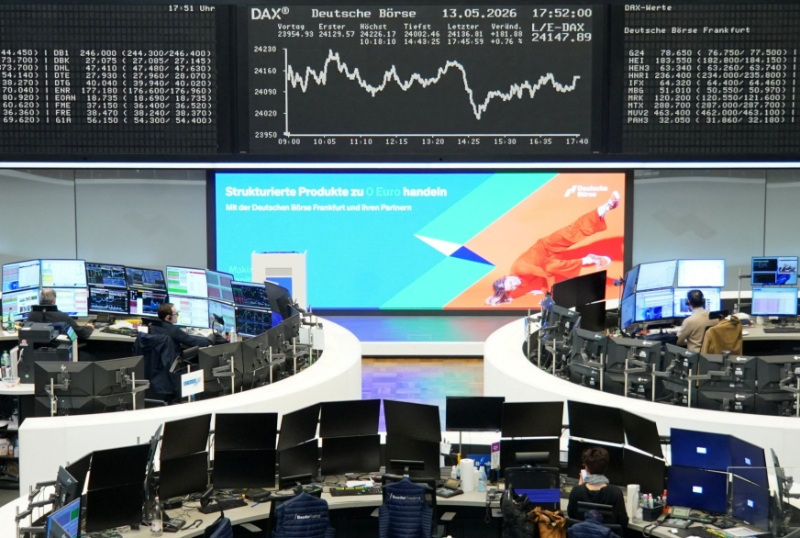
- Demand Concerns Trigger Selloff: Shares of memory chip makers including Seagate, Micron, and SanDisk have seen significant declines, with Seagate dropping over 8%, Micron down 5%, and SanDisk around 7%, primarily due to CEO Dave Mosley's comments about the inability to meet soaring AI-driven demand, which has shaken market confidence.
- Capacity Expansion Challenges: During the JPMorgan conference, CEO Mosley highlighted that while demand is surging, building new factories and bringing in new machines would take too long, potentially slowing the growth rate of technology, leading investors to question the sustainability of future capacity.
- AI Investment Fuels Market Volatility: The recent surge in AI investments has significantly increased demand for memory chips, yet the extended production cycles raise investor concerns about how long leading memory manufacturers can capture this demand, contributing to a bearish market sentiment.
- New Futures Market Development: CME Group's launch of a new futures market for semiconductors allows more traders to lock in prices and hedge against rising computing power costs, which may help mitigate volatility in the memory chip market.
Trade with 70% Backtested Accuracy
Stop guessing "Should I Buy JPM?" and start using high-conviction signals backed by rigorous historical data.
Sign up today to access powerful investing tools and make smarter, data-driven decisions.
Analyst Views on JPM
Wall Street analysts forecast JPM stock price to rise
19 Analyst Rating
11 Buy
7 Hold
1 Sell
Moderate Buy
Current: 297.810

Low
260.00
Averages
341.38
High
400.00
Current: 297.810
Low
260.00
Averages
341.38
High
400.00
About JPM
JPMorgan Chase & Co. is a financial holding company. The Company is engaged in investment banking, financial services for consumers and small businesses, commercial banking, financial transaction processing and asset management. The Company operates through three segments: Consumer & Community Banking (CCB), Commercial & Investment Bank (CIB), and Asset & Wealth Management (AWM). Its CCB segment offers products and services to consumers and small businesses through bank branches, ATMs, digital and telephone banking. Its CIB segment consists of banking and payments and markets and securities services, and offers a suite of investment banking, lending, payments, market-making, financing, custody and securities products and services to a global base of corporate and institutional clients. AWM segment offers investment and wealth management solutions. It offers multi-asset investment management solutions, retirement products and services, brokerage, custody, estate planning, and others.
About the author

Emily J. Thompson
Emily J. Thompson, a Chartered Financial Analyst (CFA) with 12 years in investment research, graduated with honors from the Wharton School. Specializing in industrial and technology stocks, she provides in-depth analysis for Intellectia’s earnings and market brief reports.

J.P. Morgan Unveils 2026 Summer Reading List

- Reading List Announcement: J.P. Morgan's 2026 Summer Reading List features a curated selection of books aimed at broadening perspectives and sparking new ideas, reflecting the firm's commitment to addressing cultural needs of its clients.
- NextList Summer Series Returns: The series returns for its second year, showcasing unique experiences from around the globe, including a Broadway show celebrating New York and a wellness escape spanning multiple countries, enhancing client engagement and brand loyalty.
- Client Involvement in Curation: J.P. Morgan's client advisors submitted hundreds of nonfiction titles and experiences, which were rigorously evaluated for selection, demonstrating the firm's responsiveness to client feedback and keen market insight.
- Diverse Themes in Selections: The books cover a range of topics from artificial intelligence to American history, reflecting the company's strategic intent to promote social responsibility and cultural exchange, aiming to enhance the overall client experience through knowledge dissemination.
See More
Seagate and Memory Chip Stocks Plummet Amid Demand Concerns

- Demand Concerns Trigger Selloff: Shares of memory chip makers including Seagate, Micron, and SanDisk have seen significant declines, with Seagate dropping over 8%, Micron down 5%, and SanDisk around 7%, primarily due to CEO Dave Mosley's comments about the inability to meet soaring AI-driven demand, which has shaken market confidence.
- Capacity Expansion Challenges: During the JPMorgan conference, CEO Mosley highlighted that while demand is surging, building new factories and bringing in new machines would take too long, potentially slowing the growth rate of technology, leading investors to question the sustainability of future capacity.
- AI Investment Fuels Market Volatility: The recent surge in AI investments has significantly increased demand for memory chips, yet the extended production cycles raise investor concerns about how long leading memory manufacturers can capture this demand, contributing to a bearish market sentiment.
- New Futures Market Development: CME Group's launch of a new futures market for semiconductors allows more traders to lock in prices and hedge against rising computing power costs, which may help mitigate volatility in the memory chip market.
See More
Samsung Strike Looms, Impacting Memory Stocks
- Market Reaction: Seagate's shares fell over 8% on Monday, triggering a sell-off across memory stocks, primarily due to CEO Dave Mosley's concerns about the inability to meet soaring demand driven by AI buildout, indicating market anxiety over memory chip supply.
- Capacity Expansion Challenges: Mosley highlighted at the JPMorgan conference that increasing production capacity takes time, and shifting teams to new factories or machines could slow technological growth, revealing the strategic dilemmas the company faces in responding to surging demand.
- Competitor Performance: Micron's shares dropped 5%, while SanDisk and Western Digital saw declines of about 7%, reflecting industry-wide unease about future demand and investor skepticism regarding leading memory makers' ability to sustain demand capture.
- Market Outlook: With a surge in AI investments, demand for memory chips has skyrocketed, and CME Group's plans to launch a new semiconductor futures market will allow traders to lock in prices and hedge against rising computing power costs, highlighting the market's keen focus on the future of memory chips.
See More

Cybersecurity Stocks Surge Amid AI Growth


- Cybersecurity Market Growth: Cybersecurity is viewed as a non-negotiable line item in corporate IT budgets, with the rise of AI increasing hacking threats, driving sustained demand in the sector, which is expected to remain robust in the future.
- Fortinet's Strong Performance: Fortinet reported a 20% year-over-year revenue growth and a 41% increase in EPS in Q1 2026, with its cybersecurity networking segment (66% of billings) up 32% year-over-year, indicating strong market performance and customer demand.
- Palo Alto Networks' Platform Strategy: Palo Alto Networks'
See More

Buffett's Berkshire Adds Small Stake in Macy's


- Portfolio Adjustment: Berkshire Hathaway initiated a roughly $55 million position in Macy's during Q1, representing a tiny fraction of its over $300 billion portfolio, indicating Buffett's cautious approach to market opportunities.
- Contrasting Large Investments: In contrast to the small stake in Macy's, Berkshire disclosed a significant $2.6 billion investment in Delta Air Lines in the same quarter, highlighting Buffett's selective investment strategy across varying scales.
- Leadership Transition Impact: Despite stepping down as CEO in early 2026, Buffett remains actively involved in investment decisions, collaborating closely with the director of financial assets to ensure continuity and alignment in investment strategies.
- Stock Sale Strategy: In Q1, Berkshire also sold several stocks, including Mastercard and Visa, as part of an effort to unwind positions tied to former investment manager Todd Combs, reflecting the company's strategic adjustments following leadership changes.
See More

New Fed Chair Takes Office, Market Expectations Shift
- New Fed Chair: Kevin Warsh was confirmed by the Senate last week and will be sworn in as the new Federal Reserve Chair this week, creating uncertainty in market expectations regarding his policy direction, especially as inflation rises and rate cuts seem less likely.
- Rising Inflation Pressure: Inflation hit a three-year high of 3.8% in April, primarily due to the oil shock from the war with Iran, with energy costs surging nearly 18% year-over-year, fundamentally altering investor expectations for future interest rate policies.
- Market Expectation Shift: Futures traders now price in a 26% chance of a rate hike at the Fed's next policy meeting, rather than a cut, with a 74% probability of no changes through year-end, starkly contrasting with earlier expectations of rate cuts.
- Sector Performance Disparity: In an inflationary and potentially rising rate environment, sectors like energy, financials, and real estate are expected to perform well, with the Energy Select Sector ETF up 34% year-to-date, while financial stocks like Berkshire Hathaway and JPMorgan Chase may also benefit from higher interest rates.
See More
J.P. Morgan Unveils 2026 Summer Reading List
- Reading List Announcement: J.P. Morgan's 2026 Summer Reading List features a curated selection of books aimed at broadening perspectives and sparking new ideas, reflecting the firm's commitment to addressing cultural needs of its clients.
- NextList Summer Series Returns: The series returns for its second year, showcasing unique experiences from around the globe, including a Broadway show celebrating New York and a wellness escape spanning multiple countries, enhancing client engagement and brand loyalty.
- Client Involvement in Curation: J.P. Morgan's client advisors submitted hundreds of nonfiction titles and experiences, which were rigorously evaluated for selection, demonstrating the firm's responsiveness to client feedback and keen market insight.
- Diverse Themes in Selections: The books cover a range of topics from artificial intelligence to American history, reflecting the company's strategic intent to promote social responsibility and cultural exchange, aiming to enhance the overall client experience through knowledge dissemination.
See More
Seagate and Memory Chip Stocks Plummet Amid Demand Concerns
- Demand Concerns Trigger Selloff: Shares of memory chip makers including Seagate, Micron, and SanDisk have seen significant declines, with Seagate dropping over 8%, Micron down 5%, and SanDisk around 7%, primarily due to CEO Dave Mosley's comments about the inability to meet soaring AI-driven demand, which has shaken market confidence.
- Capacity Expansion Challenges: During the JPMorgan conference, CEO Mosley highlighted that while demand is surging, building new factories and bringing in new machines would take too long, potentially slowing the growth rate of technology, leading investors to question the sustainability of future capacity.
- AI Investment Fuels Market Volatility: The recent surge in AI investments has significantly increased demand for memory chips, yet the extended production cycles raise investor concerns about how long leading memory manufacturers can capture this demand, contributing to a bearish market sentiment.
- New Futures Market Development: CME Group's launch of a new futures market for semiconductors allows more traders to lock in prices and hedge against rising computing power costs, which may help mitigate volatility in the memory chip market.
See More
Samsung Strike Looms, Impacting Memory Stocks
- Market Reaction: Seagate's shares fell over 8% on Monday, triggering a sell-off across memory stocks, primarily due to CEO Dave Mosley's concerns about the inability to meet soaring demand driven by AI buildout, indicating market anxiety over memory chip supply.
- Capacity Expansion Challenges: Mosley highlighted at the JPMorgan conference that increasing production capacity takes time, and shifting teams to new factories or machines could slow technological growth, revealing the strategic dilemmas the company faces in responding to surging demand.
- Competitor Performance: Micron's shares dropped 5%, while SanDisk and Western Digital saw declines of about 7%, reflecting industry-wide unease about future demand and investor skepticism regarding leading memory makers' ability to sustain demand capture.
- Market Outlook: With a surge in AI investments, demand for memory chips has skyrocketed, and CME Group's plans to launch a new semiconductor futures market will allow traders to lock in prices and hedge against rising computing power costs, highlighting the market's keen focus on the future of memory chips.
See More
Cybersecurity Stocks Surge Amid AI Growth
- Cybersecurity Market Growth: Cybersecurity is viewed as a non-negotiable line item in corporate IT budgets, with the rise of AI increasing hacking threats, driving sustained demand in the sector, which is expected to remain robust in the future.
- Fortinet's Strong Performance: Fortinet reported a 20% year-over-year revenue growth and a 41% increase in EPS in Q1 2026, with its cybersecurity networking segment (66% of billings) up 32% year-over-year, indicating strong market performance and customer demand.
- Palo Alto Networks' Platform Strategy: Palo Alto Networks'
See More
Buffett's Berkshire Adds Small Stake in Macy's
- Portfolio Adjustment: Berkshire Hathaway initiated a roughly $55 million position in Macy's during Q1, representing a tiny fraction of its over $300 billion portfolio, indicating Buffett's cautious approach to market opportunities.
- Contrasting Large Investments: In contrast to the small stake in Macy's, Berkshire disclosed a significant $2.6 billion investment in Delta Air Lines in the same quarter, highlighting Buffett's selective investment strategy across varying scales.
- Leadership Transition Impact: Despite stepping down as CEO in early 2026, Buffett remains actively involved in investment decisions, collaborating closely with the director of financial assets to ensure continuity and alignment in investment strategies.
- Stock Sale Strategy: In Q1, Berkshire also sold several stocks, including Mastercard and Visa, as part of an effort to unwind positions tied to former investment manager Todd Combs, reflecting the company's strategic adjustments following leadership changes.
See More
New Fed Chair Takes Office, Market Expectations Shift
- New Fed Chair: Kevin Warsh was confirmed by the Senate last week and will be sworn in as the new Federal Reserve Chair this week, creating uncertainty in market expectations regarding his policy direction, especially as inflation rises and rate cuts seem less likely.
- Rising Inflation Pressure: Inflation hit a three-year high of 3.8% in April, primarily due to the oil shock from the war with Iran, with energy costs surging nearly 18% year-over-year, fundamentally altering investor expectations for future interest rate policies.
- Market Expectation Shift: Futures traders now price in a 26% chance of a rate hike at the Fed's next policy meeting, rather than a cut, with a 74% probability of no changes through year-end, starkly contrasting with earlier expectations of rate cuts.
- Sector Performance Disparity: In an inflationary and potentially rising rate environment, sectors like energy, financials, and real estate are expected to perform well, with the Energy Select Sector ETF up 34% year-to-date, while financial stocks like Berkshire Hathaway and JPMorgan Chase may also benefit from higher interest rates.
See More