Sciwind Partners with Pfizer to Commercialize Ecnoglutide in China
Written by Emily J. Thompson, Senior Investment Analyst
Updated: 1 hour ago
0mins
Should l Buy PFE?
Source: NASDAQ.COM
- Partnership Agreement: Hangzhou Sciwind Biosciences has partnered with Pfizer China to commercialize Ecnoglutide injection, with potential payments up to $495 million in upfront, regulatory, and sales milestones, indicating strong market expectations for the drug.
- Drug Approval Status: Ecnoglutide was approved by the National Medical Products Administration in January for type 2 diabetes treatment and is currently under regulatory review for chronic weight management, highlighting its significant market potential in China.
- Clinical Study Results: Clinical studies in Chinese patients demonstrated a 15.1% placebo-adjusted weight loss, with 92.8% of patients achieving clinically meaningful weight reduction and over 80% reaching HbA1c levels below 7%, showcasing its effectiveness in diabetes management.
- R&D and Market Oversight: Under the agreement, Sciwind will remain the marketing authorization holder, overseeing research and development, registration, manufacturing, and supply, ensuring continuous market availability and progress in drug development, thereby solidifying its position in the biopharmaceutical sector.
Trade with 70% Backtested Accuracy
Stop guessing "Should I Buy PFE?" and start using high-conviction signals backed by rigorous historical data.
Sign up today to access powerful investing tools and make smarter, data-driven decisions.
Analyst Views on PFE
Wall Street analysts forecast PFE stock price to rise
16 Analyst Rating
5 Buy
11 Hold
0 Sell
Moderate Buy
Current: 26.650

Low
24.00
Averages
28.56
High
35.00
Current: 26.650
Low
24.00
Averages
28.56
High
35.00
About PFE
Pfizer Inc. is a research-based, global biopharmaceutical company. The Company is engaged in the discovery, development, manufacture, marketing, sale and distribution of biopharmaceutical products worldwide. Its Biopharma segment includes the Pfizer U.S. Commercial Division, and the Pfizer International Commercial Division. Its product categories include oncology, primary care and specialty care. Its oncology products include Ibrance, Xtandi, Padcev, Adcetris, Inlyta, Lorbrena, Bosulif, Tukysa, Braftovi, Mektovi, Orgovyx, Elrexfio, Tivdak and Talzenna. Its primary care products include Eliquis, Nurtec ODT/Vydura, Zavzpret, the Prevnar family, Comirnaty, Abrysvo, FSME/IMMUN-TicoVac, Nimenrix, Trumenba, and Paxlovid. Its specialty care products include Xeljanz, Enbrel (outside the United States and Canada), Inflectra, Abrilada, Cibinqo, Litfulo, Eucrisa, Velsipity, the Vyndaqel family, Genotropin, BeneFIX, Xyntha, Somavert, Ngenla, Hympavzi, Sulperazon, Zavicefta, Octagam and others.
About the author

Emily J. Thompson
Emily J. Thompson, a Chartered Financial Analyst (CFA) with 12 years in investment research, graduated with honors from the Wharton School. Specializing in industrial and technology stocks, she provides in-depth analysis for Intellectia’s earnings and market brief reports.
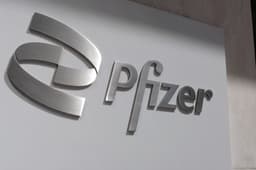
Pfizer: A Rare Mix of Stability and Value Potential

- Attractive Dividend Yield: Pfizer offers a 6% dividend yield, significantly higher than most large caps, indicating strong cash flow and appeal for income-seeking investors, potentially enhancing its attractiveness in the current market.
- Market Position Analysis: Although Pfizer was not included in the analyst's top stock picks, its modest valuation and potential for a rebound position it as a misunderstood value investment, particularly in the 2026 market context.
- Investment Return Comparison: Compared to historically high-performing stocks like Netflix and Nvidia, Pfizer's performance may be undervalued, prompting investors to carefully assess its future growth potential to avoid missing out on opportunities.
- Investor Community Support: The Motley Fool's investment community highlights Pfizer's potential, and while it did not make the list of the top 10 stocks, its long-term market performance and stability remain worthy of attention.
See More

IBM Faces Largest Drop in 20 Years Amid AI Selloff


- IBM Stock Plunge: IBM experienced its steepest drop since 2000 on Monday due to an AI-driven selloff, raising investor concerns about the company's future demand for cloud computing and AI, which could impact market confidence.
- Investor Focus on Events: Attention is on Anthropic's product event expected to unveil new features, while President Trump's State of the Union address may propose new cost-cutting measures, influencing market sentiment.
- Nasdaq Futures Recovery: As of 3:00 AM ET Tuesday, Nasdaq, S&P 500, and Russell 2000 futures rose by 0.2%, and Dow futures increased by 0.1%, indicating signs of market stabilization following a sharp selloff.
- Jefferies Maintains Rating: Despite IBM's stock decline, Jefferies maintains a 'Buy' rating and a $370 price target, emphasizing that the company's anticipated 're-acceleration' hinges on broader industry demand for cloud and automation technologies.
See More
Sciwind Partners with Pfizer to Commercialize Ecnoglutide in China
- Partnership Agreement: Hangzhou Sciwind Biosciences has partnered with Pfizer China to commercialize Ecnoglutide injection, with potential payments up to $495 million in upfront, regulatory, and sales milestones, indicating strong market expectations for the drug.
- Drug Approval Status: Ecnoglutide was approved by the National Medical Products Administration in January for type 2 diabetes treatment and is currently under regulatory review for chronic weight management, highlighting its significant market potential in China.
- Clinical Study Results: Clinical studies in Chinese patients demonstrated a 15.1% placebo-adjusted weight loss, with 92.8% of patients achieving clinically meaningful weight reduction and over 80% reaching HbA1c levels below 7%, showcasing its effectiveness in diabetes management.
- R&D and Market Oversight: Under the agreement, Sciwind will remain the marketing authorization holder, overseeing research and development, registration, manufacturing, and supply, ensuring continuous market availability and progress in drug development, thereby solidifying its position in the biopharmaceutical sector.
See More
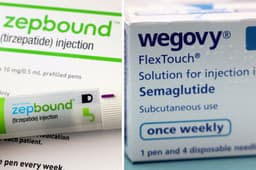
War Causes Sharp Decline in Birth Rates in Ukraine and Russia
- Ukraine's Fertility Rate Plummets: Since Russia's full-scale invasion in February 2022, Ukraine's fertility rate has dropped from 1.22 in 2021 to 1.00 by 2025, with some experts warning it could fall to 0.8-0.9, indicating significant impacts on family expansion and potential future labor shortages.
- Russia's Declining Birth Rate: Russia's fertility rate has also decreased from 1.51 in 2021 to 1.37 in 2025, and despite the Kremlin's initiatives to encourage larger families, the lack of effective results reflects a broader societal insecurity affecting women's decisions to have children.
- Long-term Demographic Consequences of War: The four-year conflict has deterred women in both Ukraine and Russia from having children, leading to greater economic and social pressures in the future, particularly as an aging population increases and the labor market faces significant challenges.
- Resistance to Putin's Birth Policies: Despite various incentives introduced by the Russian government, including cash rewards and tax breaks, the low birth rates persist due to women's feelings of insecurity, raising questions about the effectiveness of these policies in addressing demographic concerns.
See More
Pfizer Enters Licensing Agreement for Diabetes Treatment with Sciwind
- Agreement Signed: Pfizer has entered into a licensing agreement with China's Sciwind Biosciences for its type 2 diabetes treatment ecnoglutide, with potential payments of up to $495 million upon achieving milestones, indicating Pfizer's proactive strategy in the diabetes treatment sector.
- Market Access Rights: Under the deal, Pfizer will gain rights to sell ecnoglutide in China, a once-weekly injectable GLP-1 receptor agonist approved for type 2 diabetes in January and currently under review for weight management, thereby expanding Pfizer's product portfolio.
- Upfront Payment and Performance Ties: Sciwind will receive an undisclosed upfront payment along with additional payments tied to regulatory and commercial performance, a structure that not only incentivizes Sciwind to enhance product performance but also provides Pfizer with potential revenue growth opportunities.
- Strategic Expansion: This collaboration represents a significant milestone in Pfizer's strategic expansion in the metabolic field, especially given that the obesity prevalence among Chinese adults is 14.1%, closely linked to metabolic diseases, thus addressing the growing market demand effectively.
See More

Eli Lilly's Dominance in Obesity Drug Market Reinforced
- Clinical Trial Comparison: Eli Lilly's Zepbound demonstrated superior efficacy in a head-to-head trial, with participants losing an average of 25.5% of their body weight compared to Novo Nordisk's CagriSema at 23%, reinforcing Lilly's leadership in obesity drug effectiveness and solidifying its market position.
- New Device Launch: Lilly introduced a new Zepbound injection device in the U.S. that provides a month's supply, enhancing patient convenience; while the immediate financial impact may be limited, it showcases Lilly's supply chain advantages and commitment to patient care.
- Significant Market Reaction: Following disappointing trial results, Novo Nordisk's shares fell over 15%, while Lilly's stock rose more than 4%, reflecting investor confidence in Lilly's growth potential and widening the gap between the two companies in the market.
- Future Development Potential: Lilly is advancing multiple next-generation obesity treatments, including retatrutide and eloralintide, targeting appetite-related hormones, with analysts noting that Lilly's competitive edge is expanding, positioning the company for further market leadership in the obesity drug sector.
See More
Pfizer: A Rare Mix of Stability and Value Potential
- Attractive Dividend Yield: Pfizer offers a 6% dividend yield, significantly higher than most large caps, indicating strong cash flow and appeal for income-seeking investors, potentially enhancing its attractiveness in the current market.
- Market Position Analysis: Although Pfizer was not included in the analyst's top stock picks, its modest valuation and potential for a rebound position it as a misunderstood value investment, particularly in the 2026 market context.
- Investment Return Comparison: Compared to historically high-performing stocks like Netflix and Nvidia, Pfizer's performance may be undervalued, prompting investors to carefully assess its future growth potential to avoid missing out on opportunities.
- Investor Community Support: The Motley Fool's investment community highlights Pfizer's potential, and while it did not make the list of the top 10 stocks, its long-term market performance and stability remain worthy of attention.
See More
IBM Faces Largest Drop in 20 Years Amid AI Selloff
- IBM Stock Plunge: IBM experienced its steepest drop since 2000 on Monday due to an AI-driven selloff, raising investor concerns about the company's future demand for cloud computing and AI, which could impact market confidence.
- Investor Focus on Events: Attention is on Anthropic's product event expected to unveil new features, while President Trump's State of the Union address may propose new cost-cutting measures, influencing market sentiment.
- Nasdaq Futures Recovery: As of 3:00 AM ET Tuesday, Nasdaq, S&P 500, and Russell 2000 futures rose by 0.2%, and Dow futures increased by 0.1%, indicating signs of market stabilization following a sharp selloff.
- Jefferies Maintains Rating: Despite IBM's stock decline, Jefferies maintains a 'Buy' rating and a $370 price target, emphasizing that the company's anticipated 're-acceleration' hinges on broader industry demand for cloud and automation technologies.
See More
Sciwind Partners with Pfizer to Commercialize Ecnoglutide in China
- Partnership Agreement: Hangzhou Sciwind Biosciences has partnered with Pfizer China to commercialize Ecnoglutide injection, with potential payments up to $495 million in upfront, regulatory, and sales milestones, indicating strong market expectations for the drug.
- Drug Approval Status: Ecnoglutide was approved by the National Medical Products Administration in January for type 2 diabetes treatment and is currently under regulatory review for chronic weight management, highlighting its significant market potential in China.
- Clinical Study Results: Clinical studies in Chinese patients demonstrated a 15.1% placebo-adjusted weight loss, with 92.8% of patients achieving clinically meaningful weight reduction and over 80% reaching HbA1c levels below 7%, showcasing its effectiveness in diabetes management.
- R&D and Market Oversight: Under the agreement, Sciwind will remain the marketing authorization holder, overseeing research and development, registration, manufacturing, and supply, ensuring continuous market availability and progress in drug development, thereby solidifying its position in the biopharmaceutical sector.
See More
War Causes Sharp Decline in Birth Rates in Ukraine and Russia
- Ukraine's Fertility Rate Plummets: Since Russia's full-scale invasion in February 2022, Ukraine's fertility rate has dropped from 1.22 in 2021 to 1.00 by 2025, with some experts warning it could fall to 0.8-0.9, indicating significant impacts on family expansion and potential future labor shortages.
- Russia's Declining Birth Rate: Russia's fertility rate has also decreased from 1.51 in 2021 to 1.37 in 2025, and despite the Kremlin's initiatives to encourage larger families, the lack of effective results reflects a broader societal insecurity affecting women's decisions to have children.
- Long-term Demographic Consequences of War: The four-year conflict has deterred women in both Ukraine and Russia from having children, leading to greater economic and social pressures in the future, particularly as an aging population increases and the labor market faces significant challenges.
- Resistance to Putin's Birth Policies: Despite various incentives introduced by the Russian government, including cash rewards and tax breaks, the low birth rates persist due to women's feelings of insecurity, raising questions about the effectiveness of these policies in addressing demographic concerns.
See More
Pfizer Enters Licensing Agreement for Diabetes Treatment with Sciwind
- Agreement Signed: Pfizer has entered into a licensing agreement with China's Sciwind Biosciences for its type 2 diabetes treatment ecnoglutide, with potential payments of up to $495 million upon achieving milestones, indicating Pfizer's proactive strategy in the diabetes treatment sector.
- Market Access Rights: Under the deal, Pfizer will gain rights to sell ecnoglutide in China, a once-weekly injectable GLP-1 receptor agonist approved for type 2 diabetes in January and currently under review for weight management, thereby expanding Pfizer's product portfolio.
- Upfront Payment and Performance Ties: Sciwind will receive an undisclosed upfront payment along with additional payments tied to regulatory and commercial performance, a structure that not only incentivizes Sciwind to enhance product performance but also provides Pfizer with potential revenue growth opportunities.
- Strategic Expansion: This collaboration represents a significant milestone in Pfizer's strategic expansion in the metabolic field, especially given that the obesity prevalence among Chinese adults is 14.1%, closely linked to metabolic diseases, thus addressing the growing market demand effectively.
See More
Eli Lilly's Dominance in Obesity Drug Market Reinforced
- Clinical Trial Comparison: Eli Lilly's Zepbound demonstrated superior efficacy in a head-to-head trial, with participants losing an average of 25.5% of their body weight compared to Novo Nordisk's CagriSema at 23%, reinforcing Lilly's leadership in obesity drug effectiveness and solidifying its market position.
- New Device Launch: Lilly introduced a new Zepbound injection device in the U.S. that provides a month's supply, enhancing patient convenience; while the immediate financial impact may be limited, it showcases Lilly's supply chain advantages and commitment to patient care.
- Significant Market Reaction: Following disappointing trial results, Novo Nordisk's shares fell over 15%, while Lilly's stock rose more than 4%, reflecting investor confidence in Lilly's growth potential and widening the gap between the two companies in the market.
- Future Development Potential: Lilly is advancing multiple next-generation obesity treatments, including retatrutide and eloralintide, targeting appetite-related hormones, with analysts noting that Lilly's competitive edge is expanding, positioning the company for further market leadership in the obesity drug sector.
See More