Samsung Chairman Apologizes Over Wage Dispute Ahead of Possible Strike
Written by Emily J. Thompson, Senior Investment Analyst
Updated: 53 minutes ago
0mins

Should l Buy NVDA?
Source: Newsfilter
- Apology Over Wage Dispute: Samsung Electronics Chairman Jay Y. Lee publicly apologized on Saturday for the wage dispute with the South Korean labor union, which has caused anxiety among customers and the public, emphasizing the company's commitment to resolving the issue through dialogue to maintain customer trust.
- Government Intervention Urged: The South Korean labor minister met with Samsung management, urging the company to take proactive steps to resolve the dispute, reflecting the government's high concern over a potential strike that could pose significant risks to economic growth and financial markets.
- Strike Threat Escalates: Despite Samsung's proposal to resume pay talks unconditionally, the union remains committed to a planned strike starting next week, raising market concerns about the operational stability of the world's largest memory chipmaker amid the breakdown of negotiations.
- Historical Context Revisited: Lee previously apologized in 2020 for executives' interference in union activities and vowed to guarantee labor rights, with this incident reigniting scrutiny over Samsung's internal management and labor relations, potentially impacting the company's reputation and future labor relations.
Trade with 70% Backtested Accuracy
Stop guessing "Should I Buy NVDA?" and start using high-conviction signals backed by rigorous historical data.
Sign up today to access powerful investing tools and make smarter, data-driven decisions.
Analyst Views on NVDA
Wall Street analysts forecast NVDA stock price to rise
41 Analyst Rating
39 Buy
1 Hold
1 Sell
Strong Buy
Current: 235.740

Low
200.00
Averages
264.97
High
352.00
Current: 235.740
Low
200.00
Averages
264.97
High
352.00
About NVDA
NVIDIA Corporation is an artificial intelligence (AI) infrastructure company. The Company is engaged in accelerated computing to help solve the challenging computational problems. Its segments include Compute & Networking and Graphics. The Compute & Networking segment includes its Data Center accelerated computing and networking platforms and AI solutions and software, and automotive platforms and autonomous and electric vehicle solutions, including software. The Graphics segment includes GeForce GPUs for gaming and personal computers (PCs), and Quadro/NVIDIA RTX GPUs for enterprise workstation graphics. Its technology stack includes the foundational NVIDIA CUDA development platform that runs on all NVIDIA GPUs, as well as hundreds of domain-specific software libraries, frameworks, algorithms, software development kits (SDKs), and application programming interfaces (APIs). Its platforms address four markets, which include Data Center, Gaming, Professional Visualization, and Automotive.
About the author

Emily J. Thompson
Emily J. Thompson, a Chartered Financial Analyst (CFA) with 12 years in investment research, graduated with honors from the Wharton School. Specializing in industrial and technology stocks, she provides in-depth analysis for Intellectia’s earnings and market brief reports.

Nvidia's Market Cap Surpasses Germany's Economy

- Market Cap Milestone: Nvidia's market capitalization reached $5.7 trillion in mid-May 2026, surpassing Germany's projected GDP of $5.45 trillion for the same year, marking its position as the world's most valuable company and highlighting its significance in the global economy.
- Economic Comparison: Nvidia's valuation exceeds that of Germany and all other European economies, including the UK, France, Italy, and Spain, reflecting the dominance of US tech giants in the global market landscape.
- Market Consolidation: The combined market capitalization of the five largest US companies stands at $20.81 trillion, significantly exceeding the total GDP of Europe's five largest economies, which amounts to $18.14 trillion, showcasing the formidable strength and market influence of the US tech sector.
- Future Growth Potential: Nvidia CEO Jensen Huang anticipates that surging demand for artificial intelligence could drive the company's sales towards $1 trillion within two years, further solidifying its market leadership and attracting investor interest.
See More
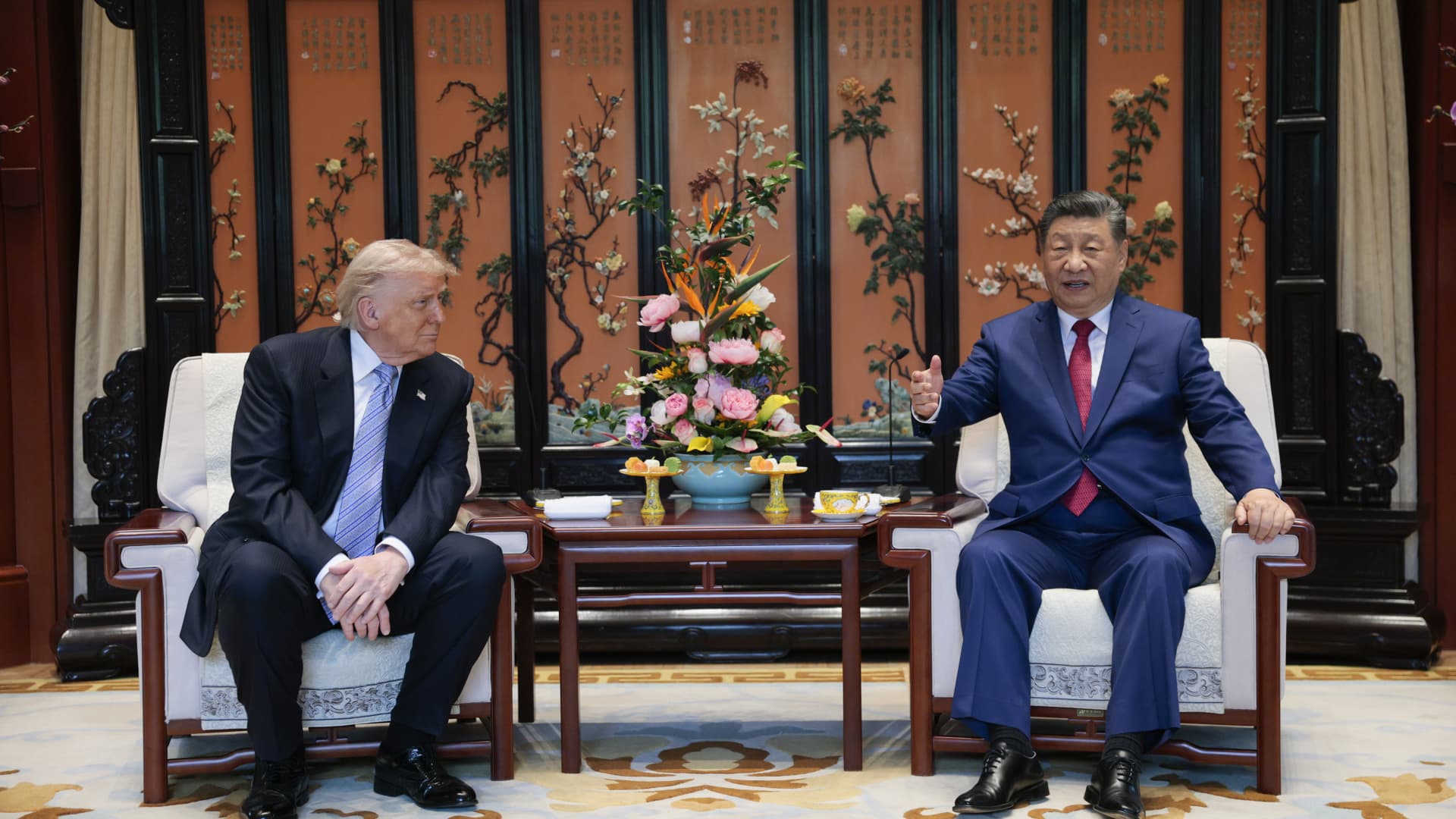
Trump Invites Xi to White House for Trade Talks
- Meeting Context: On May 15, 2026, U.S. President Trump met with Chinese President Xi Jinping at Zhongnanhai Garden in Beijing, discussing future trade negotiations, highlighting the complexity and significance of U.S.-China relations.
- White House Invitation: Trump announced at a state dinner his invitation for Xi to visit the White House on September 24, indicating that trade talks will extend beyond this week's two-day summit in Beijing, potentially influencing future economic policy directions.
- Strategic Stability Framework: Xi stated that both nations agreed to a framework of 'strategic stability' for the next three years, which could lay the groundwork for long-term development in bilateral relations, although specific agreements remain unconfirmed.
- Future Meeting Arrangements: The two leaders may meet again during the UN General Assembly in September, the APEC meeting in November, and the G20 meeting in December, providing opportunities for further economic cooperation in these significant international forums.
See More

Samsung Chairman Apologizes Over Wage Dispute Ahead of Possible Strike

- Apology Over Wage Dispute: Samsung Electronics Chairman Jay Y. Lee publicly apologized on Saturday for the wage dispute with the South Korean labor union, which has caused anxiety among customers and the public, emphasizing the company's commitment to resolving the issue through dialogue to maintain customer trust.
- Government Intervention Urged: The South Korean labor minister met with Samsung management, urging the company to take proactive steps to resolve the dispute, reflecting the government's high concern over a potential strike that could pose significant risks to economic growth and financial markets.
- Strike Threat Escalates: Despite Samsung's proposal to resume pay talks unconditionally, the union remains committed to a planned strike starting next week, raising market concerns about the operational stability of the world's largest memory chipmaker amid the breakdown of negotiations.
- Historical Context Revisited: Lee previously apologized in 2020 for executives' interference in union activities and vowed to guarantee labor rights, with this incident reigniting scrutiny over Samsung's internal management and labor relations, potentially impacting the company's reputation and future labor relations.
See More
Arm Holdings Under Antitrust Investigation by FTC

- Antitrust Investigation Launched: The U.S. Federal Trade Commission (FTC) is investigating Arm Holdings' semiconductor technology licensing to assess whether it is attempting to illegally monopolize parts of the semiconductor market, which could significantly impact its future market position.
- Licensing Agreement Scrutiny: The FTC is examining whether Arm will reject or downgrade licensing agreements for its chip blueprints used in designing central processing units, a decision that would directly affect Arm's relationships with major clients like Nvidia and Apple, as well as its revenue streams.
- Global Regulatory Pressure: In addition to the U.S., Arm's offices in South Korea are also under investigation by antitrust regulators, highlighting ongoing global scrutiny of its licensing practices, which may restrict its operations in international markets.
- Document Preservation Requirement: The FTC has demanded that Arm preserve relevant documents, indicating the seriousness of the investigation and potential legal repercussions; unfavorable findings could negatively impact Arm's business model and stock price.
See More

Rising Bond Yields Threaten Stock Market Rally


- Market Dynamics: CNBC's Jim Cramer emphasized that the bond market currently dictates stock market movements, warning that any robust stock performance could be undermined by bond volatility ahead of key earnings reports, necessitating investor caution.
- Oil Prices and Inflation: Following President Trump's tough stance on Iran, oil prices surged, leading to rising Treasury yields, with Cramer noting that inflation concerns have diminished hopes for interest rate cuts from the Federal Reserve, further increasing stock market uncertainty.
- IPO Risk Warning: Cramer highlighted signs of speculative excess in recent IPOs, urging investors to adopt a cautious stance toward equities; while a market crash isn't imminent, he stressed the importance of protecting gains against potential risks.
- Earnings Report Outlook: Cramer expressed caution regarding upcoming earnings reports, particularly for Home Depot and Nvidia, although he remains optimistic about Nvidia's long-term prospects, suggesting that the company will need to deliver a perfect quarter to see significant stock price increases.
See More
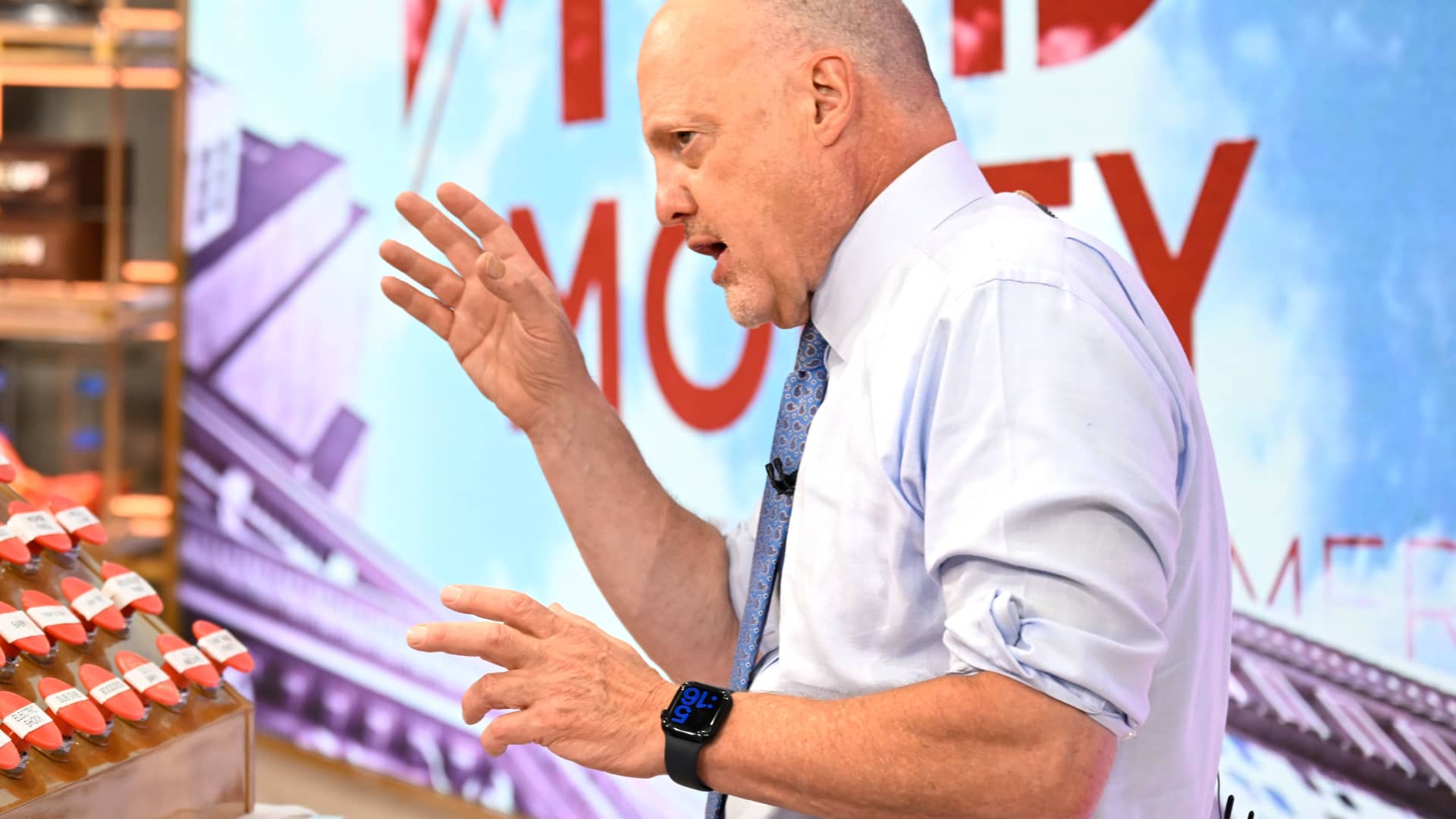
Bond Market Dominates Stock Trends, Cramer Issues Warning

- Market Dynamics: Cramer emphasizes that the bond market's volatility can significantly impact the stock market, especially ahead of key earnings reports, urging investors to remain vigilant to avoid losses due to bond market fluctuations.
- Oil Prices and Inflation Concerns: Trump's tough stance on Iran has led to rising oil prices and Treasury yields, with Cramer noting that stock market growth hinges on a decline in oil prices, highlighting increasing market concerns over inflation.
- IPO Market Risks: Cramer warns that speculative excess in recent IPOs could heighten risks in the stock market, suggesting that while a crisis hasn't emerged yet, investors should protect their gains and adopt a cautious approach.
- Upcoming Earnings Reports: Cramer expresses caution regarding upcoming earnings reports, particularly for Home Depot and Nvidia, although he remains optimistic about Nvidia's long-term prospects, stating it will need a perfect quarter to drive further stock price increases.
See More
Nvidia's Market Cap Surpasses Germany's Economy
- Market Cap Milestone: Nvidia's market capitalization reached $5.7 trillion in mid-May 2026, surpassing Germany's projected GDP of $5.45 trillion for the same year, marking its position as the world's most valuable company and highlighting its significance in the global economy.
- Economic Comparison: Nvidia's valuation exceeds that of Germany and all other European economies, including the UK, France, Italy, and Spain, reflecting the dominance of US tech giants in the global market landscape.
- Market Consolidation: The combined market capitalization of the five largest US companies stands at $20.81 trillion, significantly exceeding the total GDP of Europe's five largest economies, which amounts to $18.14 trillion, showcasing the formidable strength and market influence of the US tech sector.
- Future Growth Potential: Nvidia CEO Jensen Huang anticipates that surging demand for artificial intelligence could drive the company's sales towards $1 trillion within two years, further solidifying its market leadership and attracting investor interest.
See More
Trump Invites Xi to White House for Trade Talks
- Meeting Context: On May 15, 2026, U.S. President Trump met with Chinese President Xi Jinping at Zhongnanhai Garden in Beijing, discussing future trade negotiations, highlighting the complexity and significance of U.S.-China relations.
- White House Invitation: Trump announced at a state dinner his invitation for Xi to visit the White House on September 24, indicating that trade talks will extend beyond this week's two-day summit in Beijing, potentially influencing future economic policy directions.
- Strategic Stability Framework: Xi stated that both nations agreed to a framework of 'strategic stability' for the next three years, which could lay the groundwork for long-term development in bilateral relations, although specific agreements remain unconfirmed.
- Future Meeting Arrangements: The two leaders may meet again during the UN General Assembly in September, the APEC meeting in November, and the G20 meeting in December, providing opportunities for further economic cooperation in these significant international forums.
See More
Samsung Chairman Apologizes Over Wage Dispute Ahead of Possible Strike
- Apology Over Wage Dispute: Samsung Electronics Chairman Jay Y. Lee publicly apologized on Saturday for the wage dispute with the South Korean labor union, which has caused anxiety among customers and the public, emphasizing the company's commitment to resolving the issue through dialogue to maintain customer trust.
- Government Intervention Urged: The South Korean labor minister met with Samsung management, urging the company to take proactive steps to resolve the dispute, reflecting the government's high concern over a potential strike that could pose significant risks to economic growth and financial markets.
- Strike Threat Escalates: Despite Samsung's proposal to resume pay talks unconditionally, the union remains committed to a planned strike starting next week, raising market concerns about the operational stability of the world's largest memory chipmaker amid the breakdown of negotiations.
- Historical Context Revisited: Lee previously apologized in 2020 for executives' interference in union activities and vowed to guarantee labor rights, with this incident reigniting scrutiny over Samsung's internal management and labor relations, potentially impacting the company's reputation and future labor relations.
See More
Arm Holdings Under Antitrust Investigation by FTC
- Antitrust Investigation Launched: The U.S. Federal Trade Commission (FTC) is investigating Arm Holdings' semiconductor technology licensing to assess whether it is attempting to illegally monopolize parts of the semiconductor market, which could significantly impact its future market position.
- Licensing Agreement Scrutiny: The FTC is examining whether Arm will reject or downgrade licensing agreements for its chip blueprints used in designing central processing units, a decision that would directly affect Arm's relationships with major clients like Nvidia and Apple, as well as its revenue streams.
- Global Regulatory Pressure: In addition to the U.S., Arm's offices in South Korea are also under investigation by antitrust regulators, highlighting ongoing global scrutiny of its licensing practices, which may restrict its operations in international markets.
- Document Preservation Requirement: The FTC has demanded that Arm preserve relevant documents, indicating the seriousness of the investigation and potential legal repercussions; unfavorable findings could negatively impact Arm's business model and stock price.
See More
Rising Bond Yields Threaten Stock Market Rally
- Market Dynamics: CNBC's Jim Cramer emphasized that the bond market currently dictates stock market movements, warning that any robust stock performance could be undermined by bond volatility ahead of key earnings reports, necessitating investor caution.
- Oil Prices and Inflation: Following President Trump's tough stance on Iran, oil prices surged, leading to rising Treasury yields, with Cramer noting that inflation concerns have diminished hopes for interest rate cuts from the Federal Reserve, further increasing stock market uncertainty.
- IPO Risk Warning: Cramer highlighted signs of speculative excess in recent IPOs, urging investors to adopt a cautious stance toward equities; while a market crash isn't imminent, he stressed the importance of protecting gains against potential risks.
- Earnings Report Outlook: Cramer expressed caution regarding upcoming earnings reports, particularly for Home Depot and Nvidia, although he remains optimistic about Nvidia's long-term prospects, suggesting that the company will need to deliver a perfect quarter to see significant stock price increases.
See More
Bond Market Dominates Stock Trends, Cramer Issues Warning
- Market Dynamics: Cramer emphasizes that the bond market's volatility can significantly impact the stock market, especially ahead of key earnings reports, urging investors to remain vigilant to avoid losses due to bond market fluctuations.
- Oil Prices and Inflation Concerns: Trump's tough stance on Iran has led to rising oil prices and Treasury yields, with Cramer noting that stock market growth hinges on a decline in oil prices, highlighting increasing market concerns over inflation.
- IPO Market Risks: Cramer warns that speculative excess in recent IPOs could heighten risks in the stock market, suggesting that while a crisis hasn't emerged yet, investors should protect their gains and adopt a cautious approach.
- Upcoming Earnings Reports: Cramer expresses caution regarding upcoming earnings reports, particularly for Home Depot and Nvidia, although he remains optimistic about Nvidia's long-term prospects, stating it will need a perfect quarter to drive further stock price increases.
See More