

Salesforce Shares Drop 38.6% Year-to-Date
Written by Emily J. Thompson, Senior Investment Analyst
Updated: Jun 12 2026
0mins


Source: NASDAQ.COM
- Poor Stock Performance: Salesforce's shares fell 2.3% today, marking a year-to-date decline of 38.6%, indicating market concerns over its future growth prospects, which may lead to decreased investor confidence.
- Industry Comparison: As the worst-performing component in the Dow, Salesforce's struggles highlight its relative weakness in the highly competitive cloud computing market, potentially impacting its market share and profitability.
- Other Component Movements: IBM's stock decreased by 2.2%, while Goldman Sachs Group rose by 1.7%, reflecting varied market reactions to different companies, which could influence investors' asset allocation decisions.
- Market Sentiment Analysis: The ongoing decline of Salesforce may raise concerns about the entire tech sector, especially amid increasing economic uncertainty, potentially prompting more investors to reassess their investment strategies.
Trade with 70% Backtested Accuracy
Stop guessing "Should I Buy CRM?" and start using high-conviction signals backed by rigorous historical data.
Sign up today to access powerful investing tools and make smarter, data-driven decisions.
Analyst Views on CRM
Wall Street analysts forecast CRM stock price to rise
39 Analyst Rating
29 Buy
9 Hold
1 Sell
Moderate Buy
Current: 166.110

Low
223.00
Averages
326.40
High
405.00
Current: 166.110
Low
223.00
Averages
326.40
High
405.00
About CRM
Salesforce, Inc. is a customer relationship management (CRM) technology company. Its artificial intelligence (AI) powered Agentforce 360 Platform offers sales, service, marketing, commerce, collaboration, data management, integration, analytics, and information technology (IT) service solutions. It enables customers to build and deploy digital labor for employees and customers, leveraging autonomous AI agents across business functions. Its service offerings include Agentforce Sales, Agentforce Service, Agentforce 360 Platform, Slack and Others. The Agentforce Sales provides sales capabilities and tools built for organizations across prospecting, sales engagement, team collaboration, sales analytics and AI, sales programs, sales performance, partner management, and revenue and orders. The Agentforce Service provides field service solutions that enable companies to connect service agents, dispatchers and mobile employees through platform to schedule, dispatch and manage jobs.
About the author

Emily J. Thompson
Emily J. Thompson, a Chartered Financial Analyst (CFA) with 12 years in investment research, graduated with honors from the Wharton School. Specializing in industrial and technology stocks, she provides in-depth analysis for Intellectia’s earnings and market brief reports.

Salesforce to Invest $1B in Switzerland to Boost AI Adoption

- Investment Scale: Salesforce announced a $1 billion investment in Switzerland over the next five years to accelerate the country's adoption of agentic AI, further solidifying its long-term presence in one of Europe's leading technology, finance, and innovation hubs.
- Local Ecosystem Support: This investment will support Salesforce's local workforce, the growth of its customer and partner ecosystem, and AI skills development initiatives, aiming to enhance the company's competitive position in the region.
- Global Summit Participation: Chair and CEO Marc Benioff made the announcement in Geneva and will co-chair the inaugural meeting of the AI for Good Global Summit alongside Rwandan President Paul Kagame, highlighting Switzerland's pivotal role in AI governance.
- Market Reaction: Following the investment announcement, Salesforce's stock price increased by approximately 2% during pre-market trading on Tuesday, reflecting positive market expectations regarding the company's future growth potential.
See More

Investors Seek Best Stocks to Buy Now

- Investment Recommendations: The analyst team has identified the best stocks to buy currently, with Salesforce not making the list, yet the remaining ten stocks are believed to potentially yield significant returns in the coming years, highlighting market interest in emerging investment opportunities.
- Historical Return Comparison: For instance, an investment of $1,000 in Netflix when recommended in December 2004 would have grown to $418,761, while Nvidia's recommendation in April 2005 would have turned the same investment into $1,195,804, underscoring the importance of early investments.
- Return on Investment: Stock Advisor boasts an average return of 918%, significantly outperforming the S&P 500's 208%, indicating the service's effectiveness in identifying high-potential stocks and its market advantage.
- Community Support: Joining Stock Advisor not only provides access to the latest investment recommendations but also fosters participation in a community built by individual investors, enhancing interaction and support among investors.
See More

Investors Weigh Investment Choices at Current Market Prices
- Market Price Analysis: Stock prices from the afternoon of July 4, 2026, have sparked investor interest in current investment choices, indicating uncertainty about future market trends.
- Investor Sentiment: There is a strong interest among investors regarding the performance of different stocks, reflecting sensitivity to market dynamics and exploration of potential investment opportunities.
- Video Release Timing: The video was published on July 6, 2026, aiming to provide investors with the latest market analysis and investment advice to aid in making informed decisions.
- Market Trend Observation: The fluctuations in current market prices may influence investor decisions, necessitating close monitoring of market changes to optimize investment portfolios.
See More
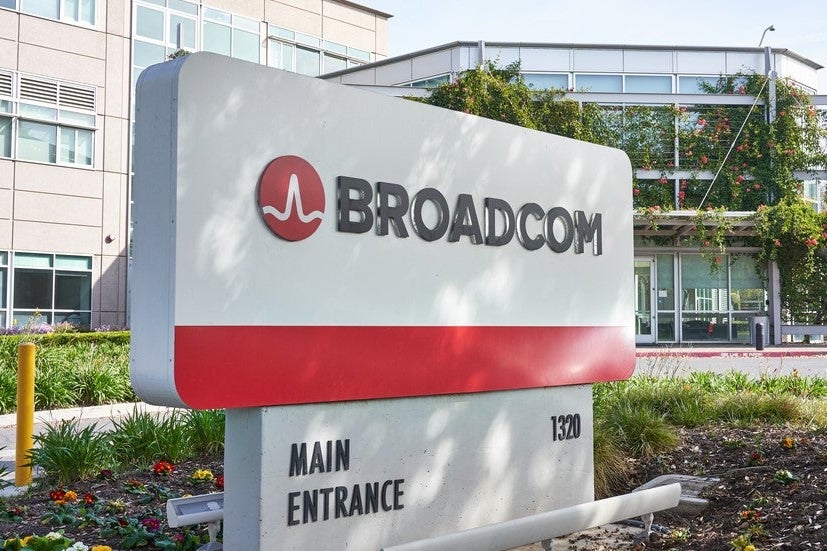
US Stocks Show Mixed Movement, Led by Chipmakers


- Market Performance: The S&P 500 Index rose by 0.43% and the Nasdaq 100 Index increased by 1.17%, driven by strong performances from chipmakers and AI infrastructure stocks, reflecting heightened investor confidence in technology shares.
- Oil Price Impact: WTI crude oil prices fell by 0.5% as Saudi Arabia and the UAE ramped up shipments to near pre-war levels, which eased inflation expectations and led to a 2 basis point drop in the 10-year T-note yield to 4.46%, providing support for the bond market.
- Earnings Outlook: Bloomberg Intelligence forecasts a 23% increase in Q2 earnings, close to Q1's 30% growth, indicating that AI spending will be a major driver, expected to contribute nearly 60% to the S&P 500's earnings-per-share growth.
- International Market Dynamics: European stock markets are generally down, with Eurozone May retail sales rising 0.2% month-over-month, below the expected 0.3%, while German May factory orders increased by 1.9%, exceeding the expected 1.1%, indicating a mixed economic recovery.
See More

Hexaware Partners with SmartRent for AI-Driven Transformation

- Enhanced Customer Experience: Hexaware will manage SmartRent's customer support from its Hyderabad delivery center, utilizing advanced Voice AI agents and intelligent orchestration to significantly improve customer satisfaction and service quality.
- Optimized Bill-to-Cash Platform: Hexaware will deploy its adaptive bill-to-cash solutions, organizing data and insights to enhance revenue operations outcomes and shorten days sales outstanding (DSO).
- Salesforce Revenue Cloud Advanced Implementation: Hexaware will transform SmartRent's lead-to-order process with Salesforce Revenue Cloud Advanced, achieving faster quote cycles and stronger pricing governance while providing a unified view of the revenue pipeline.
- Building a Modern Operating Model: Together, Hexaware and SmartRent are creating a modern operating model that integrates customer experience, revenue operations, and AI-driven business transformation into a single foundation for growth, thereby enhancing competitive advantage.
See More

Mixed Close for US Stocks as Chipmakers Continue to Decline


- Market Divergence: On Thursday, the S&P 500 closed unchanged, while the Dow Jones Industrial Average rose 1.14% to a new all-time high, and the Nasdaq 100 fell 1.61%, indicating a split in market sentiment, particularly due to the ongoing weakness in chip stocks impacting the broader market.
- Employment Data Impact: US nonfarm payrolls rose by 57,000 in June, significantly below the expected 113,000, although the unemployment rate unexpectedly fell to a one-year low of 4.2%, suggesting a stronger labor market than anticipated, which may influence the Fed's interest rate decisions.
- Chipmaker Declines: Chipmakers faced another sell-off on Thursday, with the iShares Semiconductor ETF dropping over 5%, and SanDisk and KLA Corp falling more than 14% and 12%, respectively, reflecting growing market concerns over the sustainability of the AI buildout boom.
- Oil Price Decline Impact: WTI crude oil prices fell to a fresh 4.25-month low as UAE ramped up shipments by 30% in June, restoring exports to pre-war levels, a trend that may further lower inflation expectations and affect market sentiment.
See More
Salesforce to Invest $1B in Switzerland to Boost AI Adoption
- Investment Scale: Salesforce announced a $1 billion investment in Switzerland over the next five years to accelerate the country's adoption of agentic AI, further solidifying its long-term presence in one of Europe's leading technology, finance, and innovation hubs.
- Local Ecosystem Support: This investment will support Salesforce's local workforce, the growth of its customer and partner ecosystem, and AI skills development initiatives, aiming to enhance the company's competitive position in the region.
- Global Summit Participation: Chair and CEO Marc Benioff made the announcement in Geneva and will co-chair the inaugural meeting of the AI for Good Global Summit alongside Rwandan President Paul Kagame, highlighting Switzerland's pivotal role in AI governance.
- Market Reaction: Following the investment announcement, Salesforce's stock price increased by approximately 2% during pre-market trading on Tuesday, reflecting positive market expectations regarding the company's future growth potential.
See More
Investors Seek Best Stocks to Buy Now
- Investment Recommendations: The analyst team has identified the best stocks to buy currently, with Salesforce not making the list, yet the remaining ten stocks are believed to potentially yield significant returns in the coming years, highlighting market interest in emerging investment opportunities.
- Historical Return Comparison: For instance, an investment of $1,000 in Netflix when recommended in December 2004 would have grown to $418,761, while Nvidia's recommendation in April 2005 would have turned the same investment into $1,195,804, underscoring the importance of early investments.
- Return on Investment: Stock Advisor boasts an average return of 918%, significantly outperforming the S&P 500's 208%, indicating the service's effectiveness in identifying high-potential stocks and its market advantage.
- Community Support: Joining Stock Advisor not only provides access to the latest investment recommendations but also fosters participation in a community built by individual investors, enhancing interaction and support among investors.
See More
Investors Weigh Investment Choices at Current Market Prices
- Market Price Analysis: Stock prices from the afternoon of July 4, 2026, have sparked investor interest in current investment choices, indicating uncertainty about future market trends.
- Investor Sentiment: There is a strong interest among investors regarding the performance of different stocks, reflecting sensitivity to market dynamics and exploration of potential investment opportunities.
- Video Release Timing: The video was published on July 6, 2026, aiming to provide investors with the latest market analysis and investment advice to aid in making informed decisions.
- Market Trend Observation: The fluctuations in current market prices may influence investor decisions, necessitating close monitoring of market changes to optimize investment portfolios.
See More
US Stocks Show Mixed Movement, Led by Chipmakers
- Market Performance: The S&P 500 Index rose by 0.43% and the Nasdaq 100 Index increased by 1.17%, driven by strong performances from chipmakers and AI infrastructure stocks, reflecting heightened investor confidence in technology shares.
- Oil Price Impact: WTI crude oil prices fell by 0.5% as Saudi Arabia and the UAE ramped up shipments to near pre-war levels, which eased inflation expectations and led to a 2 basis point drop in the 10-year T-note yield to 4.46%, providing support for the bond market.
- Earnings Outlook: Bloomberg Intelligence forecasts a 23% increase in Q2 earnings, close to Q1's 30% growth, indicating that AI spending will be a major driver, expected to contribute nearly 60% to the S&P 500's earnings-per-share growth.
- International Market Dynamics: European stock markets are generally down, with Eurozone May retail sales rising 0.2% month-over-month, below the expected 0.3%, while German May factory orders increased by 1.9%, exceeding the expected 1.1%, indicating a mixed economic recovery.
See More
Hexaware Partners with SmartRent for AI-Driven Transformation
- Enhanced Customer Experience: Hexaware will manage SmartRent's customer support from its Hyderabad delivery center, utilizing advanced Voice AI agents and intelligent orchestration to significantly improve customer satisfaction and service quality.
- Optimized Bill-to-Cash Platform: Hexaware will deploy its adaptive bill-to-cash solutions, organizing data and insights to enhance revenue operations outcomes and shorten days sales outstanding (DSO).
- Salesforce Revenue Cloud Advanced Implementation: Hexaware will transform SmartRent's lead-to-order process with Salesforce Revenue Cloud Advanced, achieving faster quote cycles and stronger pricing governance while providing a unified view of the revenue pipeline.
- Building a Modern Operating Model: Together, Hexaware and SmartRent are creating a modern operating model that integrates customer experience, revenue operations, and AI-driven business transformation into a single foundation for growth, thereby enhancing competitive advantage.
See More
Mixed Close for US Stocks as Chipmakers Continue to Decline
- Market Divergence: On Thursday, the S&P 500 closed unchanged, while the Dow Jones Industrial Average rose 1.14% to a new all-time high, and the Nasdaq 100 fell 1.61%, indicating a split in market sentiment, particularly due to the ongoing weakness in chip stocks impacting the broader market.
- Employment Data Impact: US nonfarm payrolls rose by 57,000 in June, significantly below the expected 113,000, although the unemployment rate unexpectedly fell to a one-year low of 4.2%, suggesting a stronger labor market than anticipated, which may influence the Fed's interest rate decisions.
- Chipmaker Declines: Chipmakers faced another sell-off on Thursday, with the iShares Semiconductor ETF dropping over 5%, and SanDisk and KLA Corp falling more than 14% and 12%, respectively, reflecting growing market concerns over the sustainability of the AI buildout boom.
- Oil Price Decline Impact: WTI crude oil prices fell to a fresh 4.25-month low as UAE ramped up shipments by 30% in June, restoring exports to pre-war levels, a trend that may further lower inflation expectations and affect market sentiment.
See More





