Royal Caribbean Group Schedules Q1 2026 Earnings Call
Written by Emily J. Thompson, Senior Investment Analyst
Updated: Apr 09 2026
0mins
Should l Buy RCL?
Source: Newsfilter
- Earnings Call Scheduled: Royal Caribbean Group has set a conference call for April 30, 2026, at 10:00 a.m. ET to discuss its Q1 2026 financial results, which is expected to provide critical financial data and future outlook, aiding investors in assessing the company's financial health.
- Webcast and Replay: The call will be simultaneously webcast on the company's investor relations website, rclinvestor.com, with a replay available for 30 days post-call, ensuring that investors who cannot attend live can still access important information.
- Global Vacation Business Expansion: Operating 69 ships to over 1,000 destinations, Royal Caribbean Group demonstrates its strong influence in the global vacation market, with plans to expand its private destinations from three to eight by 2028, enhancing its competitive edge.
- Industry Recognition and Mission: The company has been named to Fortune's 2026 World's Most Admired Companies list and Forbes' 2026 Best American Companies list, reflecting its leadership in the industry and commitment to delivering responsible vacation experiences.
Trade with 70% Backtested Accuracy
Stop guessing "Should I Buy RCL?" and start using high-conviction signals backed by rigorous historical data.
Sign up today to access powerful investing tools and make smarter, data-driven decisions.
Analyst Views on RCL
Wall Street analysts forecast RCL stock price to rise
16 Analyst Rating
12 Buy
4 Hold
0 Sell
Strong Buy
Current: 263.760

Low
275.00
Averages
327.80
High
400.00
Current: 263.760
Low
275.00
Averages
327.80
High
400.00
About RCL
Royal Caribbean Cruises Ltd. is a cruise company, which owns and operates three global cruise brands: Royal Caribbean, Celebrity Cruises and Silversea Cruises. It also has an interest in TUI Cruises GmbH, which operates the German brands TUI Cruises and Hapag-Lloyd Cruises. Its ships offer a selection of worldwide itineraries that call on approximately 1,000 destinations on all seven continents. Royal Caribbean offers cruises and land destinations that generally feature a casual ambiance, as well as a variety of activities and entertainment venues. Celebrity Cruises offers a range of itineraries to destinations, including Alaska, Asia, Australia, Bermuda, Canada, the Caribbean, Europe, the Galapagos Islands, Hawaii, New Zealand, the Panama Canal and South America, with cruise lengths ranging from three to 14 nights. It also offers a range of private land destinations through Perfect Day at CocoCay and Royal Beach Club collection.
About the author

Emily J. Thompson
Emily J. Thompson, a Chartered Financial Analyst (CFA) with 12 years in investment research, graduated with honors from the Wharton School. Specializing in industrial and technology stocks, she provides in-depth analysis for Intellectia’s earnings and market brief reports.

Royal Caribbean Group Q1 2026 Earnings Exceed Expectations

- Significant Revenue Growth: Royal Caribbean Group reported an 11% year-over-year revenue increase in Q1 2026, reaching $4.5 billion, surpassing market expectations and demonstrating strong performance during the wave season, which boosts investor confidence.
- Earnings Per Share Beat: Adjusted earnings per share were $3.60, exceeding the midpoint of guidance by $0.37, driven by better-than-expected revenue, lower costs, and strong joint venture performance, indicating improved operational efficiency.
- Outlook Adjustment: While full-year revenue is expected to grow in double digits, the net yield outlook for 2026 was revised down from 1.5%-3.5% to 1.5%-2.5% due to geopolitical impacts, reflecting market uncertainties.
- Capital Return Strategy: The company repurchased 2.9 million shares for a total of $836 million in Q1, showcasing strong cash flow and capital management capabilities while maintaining $6.9 billion in liquidity, enhancing flexibility for future investments.
See More
Royal Caribbean Stock Rises Approximately 5% Following Strong Q1 Earnings Report
Royal Caribbean's Q1 Performance: The company reported a profit that exceeded estimates by 5% for the first quarter.
Market Reaction: Following the announcement, there was a positive response from investors, reflecting confidence in the company's financial health.
See More

U.S. Stocks Surge, Led by Tech Gains


- Tech Stock Rally: Alphabet reported Q1 revenue of $94.57 billion, exceeding the consensus of $91.57 billion, leading to a more than 9% stock increase, which not only boosted the overall market but also set new highs, indicating strong recovery potential in the tech sector.
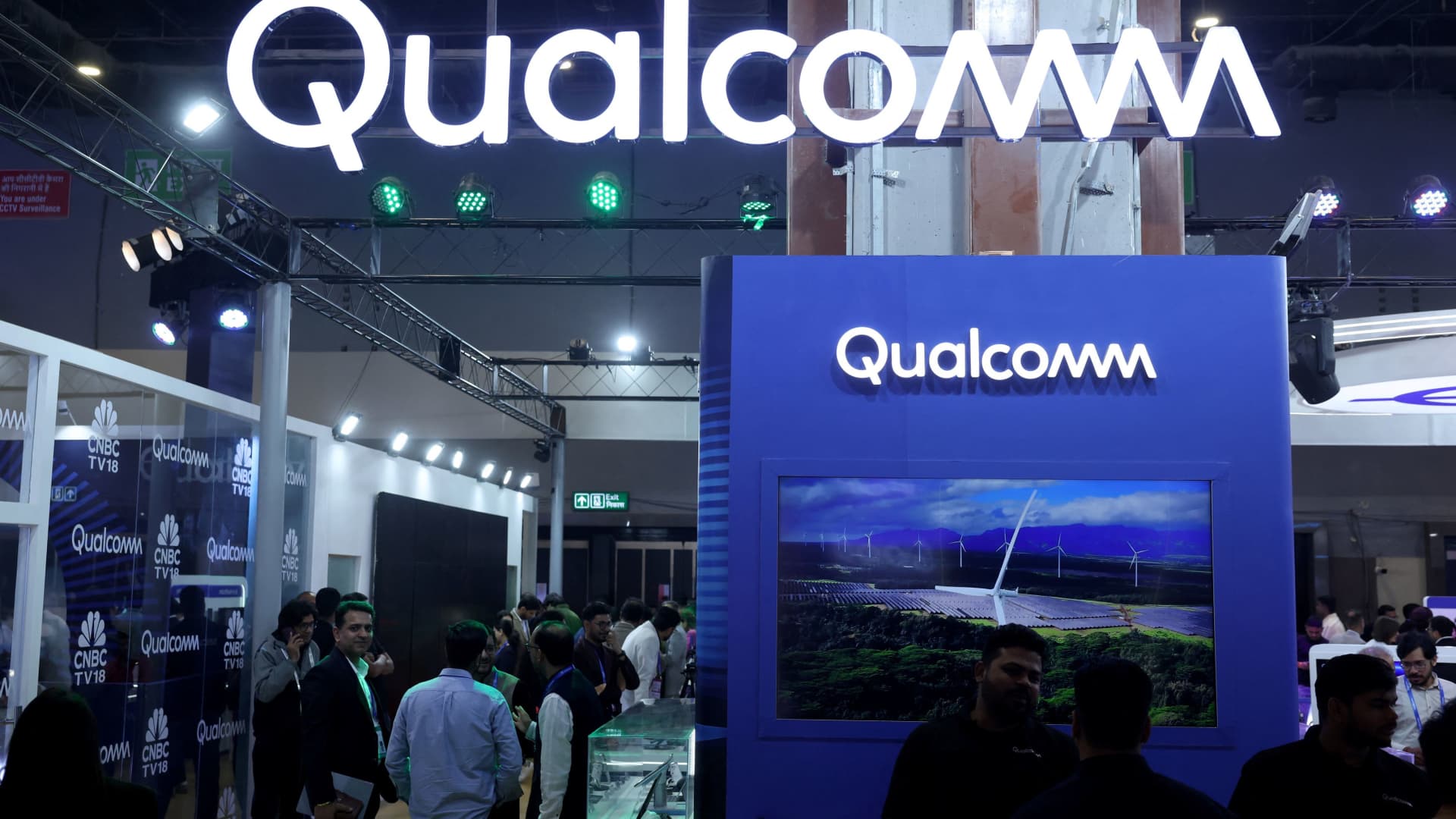
- Chipmakers Surge: Qualcomm's Q2 adjusted revenue of $10.60 billion surpassed expectations of $10.56 billion, resulting in a stock surge of over 15%, which not only enhanced its market position but also lifted the entire semiconductor sector.
- Positive Economic Data: U.S. initial jobless claims fell to 189,000, a 57-year low, reflecting a robust labor market that further bolstered investor confidence in economic recovery, contributing to the stock market's rise.
- Oil Price Decline Supports Stocks: WTI crude oil prices fell by more than 1%, lowering inflation expectations and bond yields, which provided support for the stock market, with the 10-year T-note yield dropping to 4.38%, creating a favorable financing environment for equities.
See More

U.S. Stocks Rise, Nasdaq Hits All-Time High

- Nasdaq Milestone: The Nasdaq 100 Index reached an all-time high, buoyed by better-than-expected earnings from Alphabet and Qualcomm, with Alphabet reporting Q1 revenue of $94.57 billion, surpassing the consensus of $91.57 billion, thus driving overall market gains.
- Strong Labor Market: U.S. initial jobless claims fell to 189,000, a 57-year low, indicating a robust labor market that exceeded expectations of 212,000, further bolstering market confidence in economic recovery.
- Declining Inflation Expectations: WTI crude oil prices dropped over 1%, leading to lower inflation expectations and bond yields, with the 10-year T-note yield down 4 basis points to 4.39%, providing support for the stock market.
- Global Economic Impact: The blockade of the Strait of Hormuz due to escalating tensions with Iran could exacerbate the global energy crisis, with Goldman Sachs estimating a reduction of nearly 500 million barrels from global crude stockpiles, potentially reaching a billion barrels by June, affecting market supply-demand dynamics.
See More
Mixed Earnings Reports from Multiple Companies

- Willis Towers Watson's Weak Performance: The insurer reported only 3% organic revenue growth in Q1, falling short of the 4.8% market expectation, leading to a 12% drop in stock price, despite adjusted earnings exceeding Wall Street forecasts, indicating potential growth challenges ahead.
- Hertz Partners with Uber: Hertz's stock surged about 18% following the announcement of a partnership with Uber, where its new Oro Mobility unit will support Uber's robotaxi initiative, with services expected to launch in the San Francisco Bay area later this year, marking a strategic move into autonomous driving.
- Altria's Earnings Beat Expectations: Altria reported adjusted earnings of $1.32 per share in Q1, surpassing the $1.25 consensus estimate, resulting in a stock increase of over 5%, while reaffirming its full-year adjusted earnings guidance, showcasing stability in the tobacco sector.
- Carrier Global's Strong Results: Carrier Global's Q1 adjusted earnings reached 57 cents, exceeding the expected 51 cents, with revenue of $5.34 billion surpassing the $5.01 billion consensus, leading to an 11% stock increase, reflecting robust performance in the building and refrigeration markets.
See More

Mixed US Stock Market Performance with Divergent Tech Sector Results
- Divergent Tech Performance: Alphabet reported Q1 revenue of $94.57 billion, exceeding the market expectation of $91.57 billion, leading to a stock price increase of over 5%, reflecting strong market demand and a recovery in advertising revenue, which boosts investor confidence.
- Market Reaction: Qualcomm's Q2 adjusted revenue surpassed expectations, with its stock rising over 6%, indicating that its expansion strategy into data centers is yielding results, potentially driving future growth.
- Economic Data Impact: Initial jobless claims in the US fell to 189,000, a 57-year low, showcasing a robust labor market that may influence the Federal Reserve's monetary policy decisions, further supporting the stock market.
- Oil Price Fluctuations: WTI crude oil prices dropped by more than 1% due to concerns that high oil prices could weigh on economic growth, potentially leading to decreased demand and affecting the performance of related energy stocks.
See More
Royal Caribbean Group Q1 2026 Earnings Exceed Expectations
- Significant Revenue Growth: Royal Caribbean Group reported an 11% year-over-year revenue increase in Q1 2026, reaching $4.5 billion, surpassing market expectations and demonstrating strong performance during the wave season, which boosts investor confidence.
- Earnings Per Share Beat: Adjusted earnings per share were $3.60, exceeding the midpoint of guidance by $0.37, driven by better-than-expected revenue, lower costs, and strong joint venture performance, indicating improved operational efficiency.
- Outlook Adjustment: While full-year revenue is expected to grow in double digits, the net yield outlook for 2026 was revised down from 1.5%-3.5% to 1.5%-2.5% due to geopolitical impacts, reflecting market uncertainties.
- Capital Return Strategy: The company repurchased 2.9 million shares for a total of $836 million in Q1, showcasing strong cash flow and capital management capabilities while maintaining $6.9 billion in liquidity, enhancing flexibility for future investments.
See More
Royal Caribbean Stock Rises Approximately 5% Following Strong Q1 Earnings Report
Royal Caribbean's Q1 Performance: The company reported a profit that exceeded estimates by 5% for the first quarter.
Market Reaction: Following the announcement, there was a positive response from investors, reflecting confidence in the company's financial health.
See More
U.S. Stocks Surge, Led by Tech Gains
- Tech Stock Rally: Alphabet reported Q1 revenue of $94.57 billion, exceeding the consensus of $91.57 billion, leading to a more than 9% stock increase, which not only boosted the overall market but also set new highs, indicating strong recovery potential in the tech sector.
- Chipmakers Surge: Qualcomm's Q2 adjusted revenue of $10.60 billion surpassed expectations of $10.56 billion, resulting in a stock surge of over 15%, which not only enhanced its market position but also lifted the entire semiconductor sector.
- Positive Economic Data: U.S. initial jobless claims fell to 189,000, a 57-year low, reflecting a robust labor market that further bolstered investor confidence in economic recovery, contributing to the stock market's rise.
- Oil Price Decline Supports Stocks: WTI crude oil prices fell by more than 1%, lowering inflation expectations and bond yields, which provided support for the stock market, with the 10-year T-note yield dropping to 4.38%, creating a favorable financing environment for equities.
See More
U.S. Stocks Rise, Nasdaq Hits All-Time High
- Nasdaq Milestone: The Nasdaq 100 Index reached an all-time high, buoyed by better-than-expected earnings from Alphabet and Qualcomm, with Alphabet reporting Q1 revenue of $94.57 billion, surpassing the consensus of $91.57 billion, thus driving overall market gains.
- Strong Labor Market: U.S. initial jobless claims fell to 189,000, a 57-year low, indicating a robust labor market that exceeded expectations of 212,000, further bolstering market confidence in economic recovery.
- Declining Inflation Expectations: WTI crude oil prices dropped over 1%, leading to lower inflation expectations and bond yields, with the 10-year T-note yield down 4 basis points to 4.39%, providing support for the stock market.
- Global Economic Impact: The blockade of the Strait of Hormuz due to escalating tensions with Iran could exacerbate the global energy crisis, with Goldman Sachs estimating a reduction of nearly 500 million barrels from global crude stockpiles, potentially reaching a billion barrels by June, affecting market supply-demand dynamics.
See More
Mixed Earnings Reports from Multiple Companies
- Willis Towers Watson's Weak Performance: The insurer reported only 3% organic revenue growth in Q1, falling short of the 4.8% market expectation, leading to a 12% drop in stock price, despite adjusted earnings exceeding Wall Street forecasts, indicating potential growth challenges ahead.
- Hertz Partners with Uber: Hertz's stock surged about 18% following the announcement of a partnership with Uber, where its new Oro Mobility unit will support Uber's robotaxi initiative, with services expected to launch in the San Francisco Bay area later this year, marking a strategic move into autonomous driving.
- Altria's Earnings Beat Expectations: Altria reported adjusted earnings of $1.32 per share in Q1, surpassing the $1.25 consensus estimate, resulting in a stock increase of over 5%, while reaffirming its full-year adjusted earnings guidance, showcasing stability in the tobacco sector.
- Carrier Global's Strong Results: Carrier Global's Q1 adjusted earnings reached 57 cents, exceeding the expected 51 cents, with revenue of $5.34 billion surpassing the $5.01 billion consensus, leading to an 11% stock increase, reflecting robust performance in the building and refrigeration markets.
See More
Mixed US Stock Market Performance with Divergent Tech Sector Results
- Divergent Tech Performance: Alphabet reported Q1 revenue of $94.57 billion, exceeding the market expectation of $91.57 billion, leading to a stock price increase of over 5%, reflecting strong market demand and a recovery in advertising revenue, which boosts investor confidence.
- Market Reaction: Qualcomm's Q2 adjusted revenue surpassed expectations, with its stock rising over 6%, indicating that its expansion strategy into data centers is yielding results, potentially driving future growth.
- Economic Data Impact: Initial jobless claims in the US fell to 189,000, a 57-year low, showcasing a robust labor market that may influence the Federal Reserve's monetary policy decisions, further supporting the stock market.
- Oil Price Fluctuations: WTI crude oil prices dropped by more than 1% due to concerns that high oil prices could weigh on economic growth, potentially leading to decreased demand and affecting the performance of related energy stocks.
See More