Rivian Could Deliver 1,000% Return Potential
Written by Emily J. Thompson, Senior Investment Analyst
Updated: Apr 21 2026
0mins

Should l Buy RIVN?
Source: Fool
- Growth Potential Analysis: Rivian's market cap stands at $21 billion with a current stock price of $17.15, and while its sales base pales in comparison to Tesla's, the company has invested billions in scaling production of its luxury models, R1T and R1S, demonstrating its growth capability.
- Strategic Turning Point: Rivian plans to begin deliveries of its first affordable SUV, the R2, in 2026, which, if successful, could serve as its equivalent to Tesla's Model Y, significantly boosting revenue and profitability metrics.
- AI Investment Strategy: Rivian is ramping up investments in artificial intelligence, intending to integrate it into production processes and self-driving technology; while results are yet to materialize, a $1.25 billion investment deal with Uber highlights its technology-driven market potential.
- Market Competition Outlook: Despite Tesla facing declining sales, Rivian is seizing the opportunity to enter the robotaxi market through its partnership with Uber, which is expected to provide substantial growth potential for its stock, attracting the attention of long-term investors.
Trade with 70% Backtested Accuracy
Stop guessing "Should I Buy RIVN?" and start using high-conviction signals backed by rigorous historical data.
Sign up today to access powerful investing tools and make smarter, data-driven decisions.
Analyst Views on RIVN
Wall Street analysts forecast RIVN stock price to rise
18 Analyst Rating
8 Buy
7 Hold
3 Sell
Moderate Buy
Current: 14.270

Low
10.00
Averages
17.78
High
25.00
Current: 14.270
Low
10.00
Averages
17.78
High
25.00
About RIVN
Rivian Automotive, Inc. is an automotive technology company, which is engaged in developing and manufacturing category-defining electric vehicles (EVs) as well as vertically integrated technologies and services. The Company's R1 platform consists of two vehicles: the R1T, a two-row five-passenger pickup truck, and the R1S, a three-row seven-passenger sport utility vehicle (SUV). In the commercial market, the Company offers a Rivian Commercial Vehicle (RCV) platform. The vehicle on this platform is the Electric Delivery Van (EDV), designed and engineered by Rivian in collaboration with Amazon. The Company also offers FleetOS, its proprietary, end-to-end centralized fleet management subscription platform. It also offers a variety of services, including vehicle repair and maintenance, financing, insurance, joint venture, software subscriptions, and vehicle accessories, among others. Its other services include vehicle electrical architecture and software development services, and more.
About the author

Emily J. Thompson
Emily J. Thompson, a Chartered Financial Analyst (CFA) with 12 years in investment research, graduated with honors from the Wharton School. Specializing in industrial and technology stocks, she provides in-depth analysis for Intellectia’s earnings and market brief reports.

Mind Robotics Valued at $3.4 Billion in New Funding Round

- Valuation Surge: Mind Robotics has achieved a valuation of $3.4 billion in its latest funding round, significantly up from the $2 billion valuation in March, indicating strong market confidence in its AI-driven automation solutions.
- Funding Overview: The $400 million raised in this Kleiner Perkins-led round brings Mind Robotics' total funding to over $1 billion in less than a year, reflecting investor enthusiasm for the industrial robotics market.
- Diverse Investor Base: The new funding round attracted several new investors, including Meritech Capital and Redpoint Ventures, showcasing recognition of Mind Robotics' innovative capabilities and growth potential in the industrial manufacturing sector.
- Application Environment: Mind Robotics leverages Rivian's manufacturing facilities for training and deploying its AI models, providing a high-volume production environment that supports the practical application of its robotic technologies and enhances its strategic positioning in industrial automation.
See More
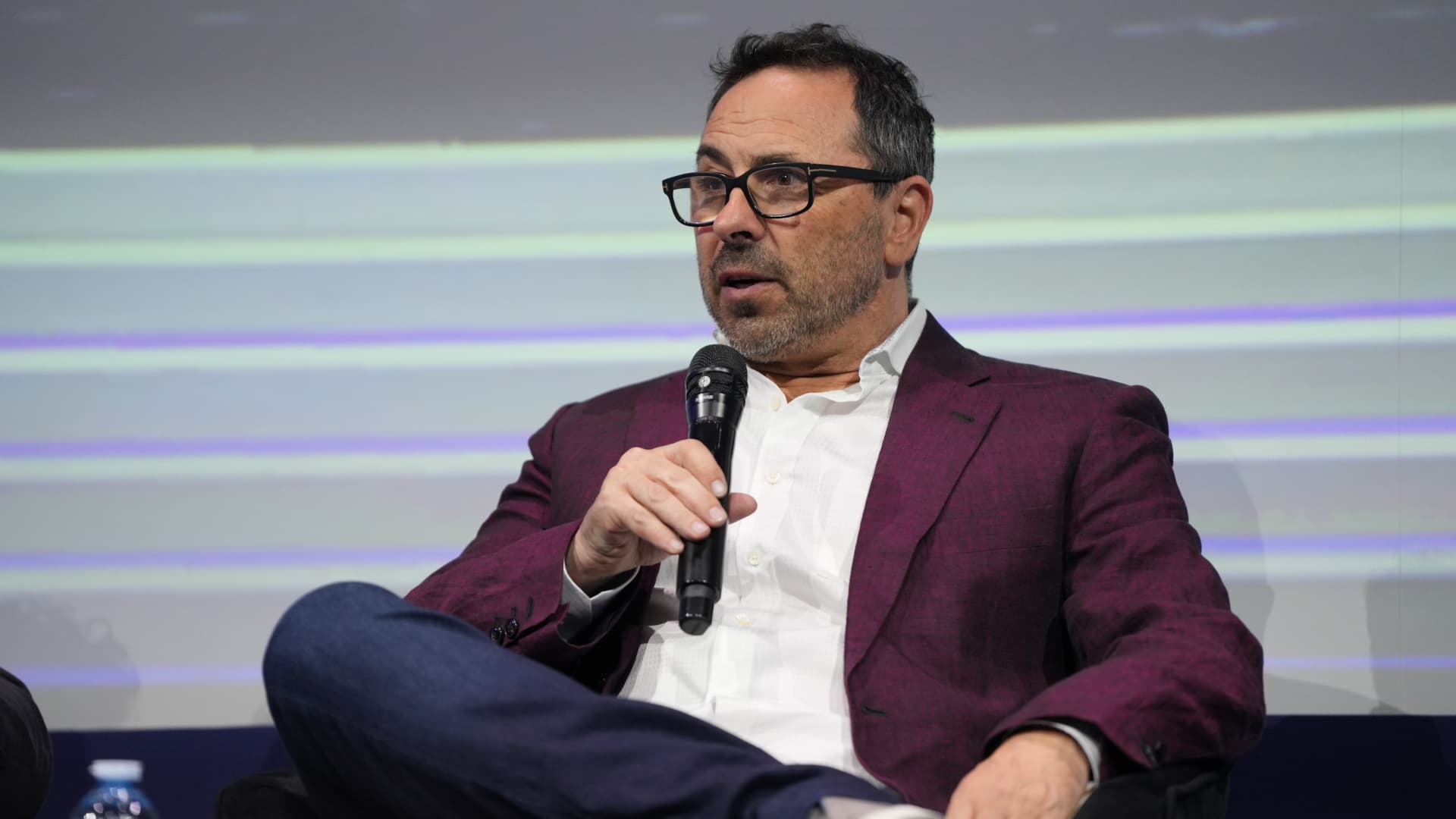
Cerebras Systems IPO Raises $5.55 Billion, Valuing Company at $56.4 Billion


- IPO Pricing Exceeds Expectations: Cerebras Systems priced its IPO at $185 per share, surpassing the expected range, successfully attracting investor interest and positioning the company for further growth in the AI chip market.
- Massive Fundraising: The IPO raised at least $5.55 billion for Cerebras, marking it as one of the largest tech IPOs in recent years, reflecting strong market demand and investor enthusiasm for AI technologies.
- Significant Valuation Increase: At the IPO price, Cerebras is valued at $56.4 billion, with co-founder and CEO Andrew Feldman's stake worth approximately $1.9 billion, highlighting the company's strategic position and future growth potential in the AI sector.
- Reduced Customer Dependency: In its updated prospectus, Cerebras disclosed that revenue from G42 accounted for only 24% last year, indicating a shift towards diversifying its customer base to mitigate reliance on a single client, thereby enhancing its competitive edge in the market.
See More

Cerebras IPO Raises Over $5.55 Billion Amid AI Boom
- IPO Fundraising Scale: Cerebras successfully raised at least $5.55 billion in its initial public offering, marking one of the largest tech IPOs in years, which reflects strong market demand for AI chips and is expected to attract more investor interest in the sector.
- CEO Stake Value: CEO Andrew Feldman holds a stake valued at approximately $1.9 billion at the IPO price of $185 per share, which not only reflects the company's increased market recognition but also provides a strong personal incentive for future growth.
- Reduced Customer Dependency: In its latest prospectus, Cerebras disclosed that revenue from its primary customer G42 accounted for only 24% last year, a significant drop from 85% in 2024, indicating the company's efforts to diversify its revenue streams and reduce reliance on a single client.
- Collaboration with OpenAI: Cerebras signed a deal worth over $20 billion with OpenAI to provide 750 megawatts of computing capacity, which not only enhances Cerebras' market position but also lays a foundation for future revenue growth, showcasing its technological edge in the AI sector.
See More
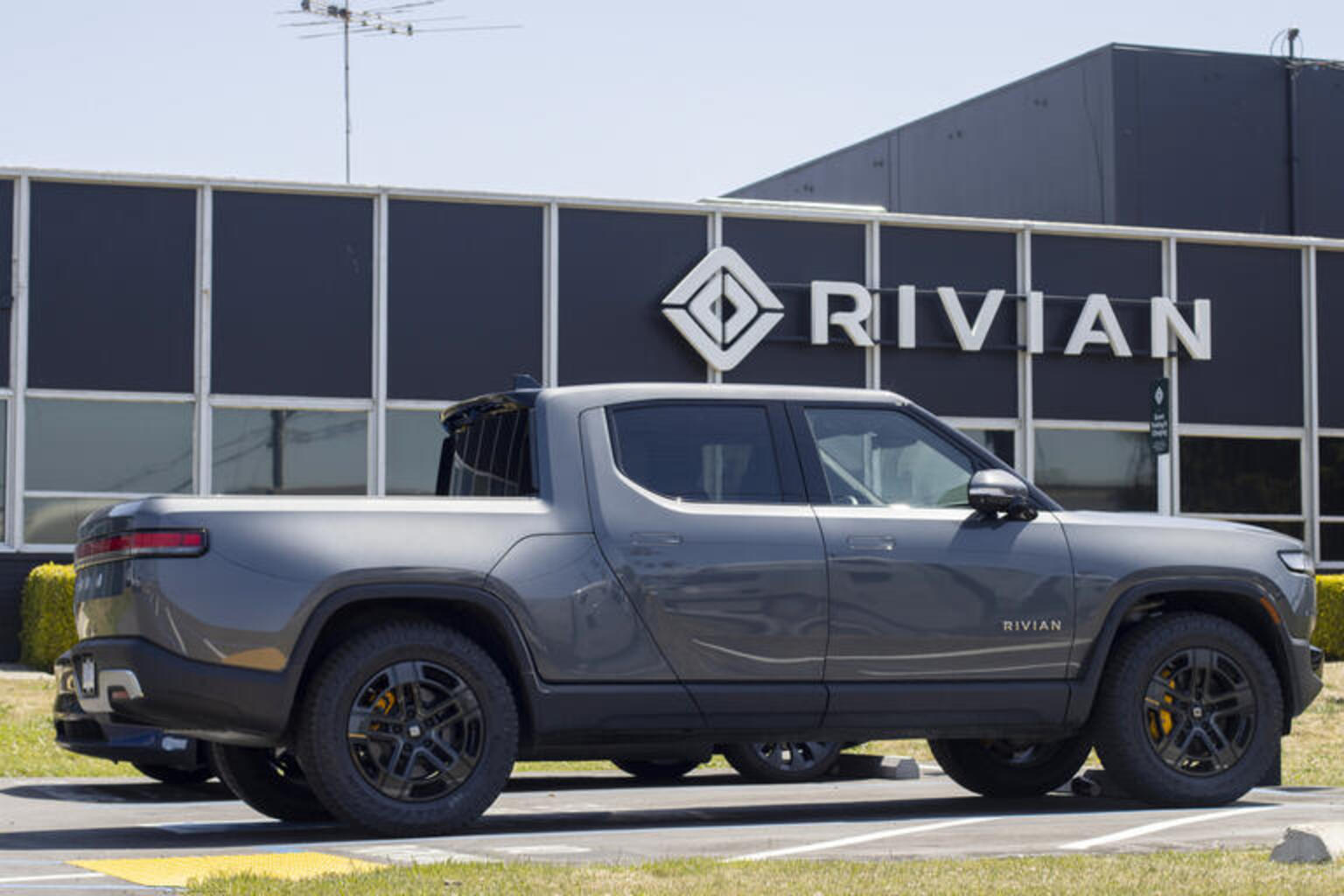
Mind Robotics Raises $400M, Boosting Rivian's Stock
- Funding Achievement: Mind Robotics successfully raised $400 million led by Kleiner Perkins, pushing its total funding above $1 billion with support from major investors like Meritech Capital and Andreessen Horowitz, indicating strong market confidence in its future prospects.
- Stock Price Rebound: Following the funding news, Rivian's stock surged 2.29% to $14.27, despite being down 28.03% year-to-date, this rebound offers hope to investors and reflects market recognition of Rivian's long-term potential.
- Technological Development: Mind Robotics aims to develop advanced industrial robots using AI models and real-world factory data, with Rivian supporting this initiative through its manufacturing setup, enhancing production efficiency and strengthening its competitive position in the rapidly growing industrial automation market.
- Future Outlook: Rivian plans to launch the R2 model in spring 2026 starting at approximately $58,000, with cheaper variants to follow, although overall market sentiment remains cautious, this strategy could attract more consumers and increase market share.
See More

Robotaxi Market Set for Explosive Growth

- Massive Market Potential: According to a report by McKinsey, the robotaxi market is expected to reach maturity by 2030, with industry experts believing this market will represent a multitrillion-dollar opportunity, making it crucial for investors to pay attention to this trend.
- Tesla's Competitive Edge: Tesla has heavily invested in AI and self-driving technologies, boasting a robust production infrastructure and a market cap of $1.3 trillion, which gives it a significant advantage in the robotaxi market.
- Rivian's Investment Opportunity: Although Rivian's market cap is under $20 billion, its substantial investments in AI and autonomous driving, along with a partnership with Uber, could yield significant market potential, albeit with higher risks involved.
- Industry Competitive Landscape: Tesla will manufacture and operate its own robotaxi service, while Rivian is likely to serve as an industry supplier; despite differences in market positioning, both companies are vying for a share of this emerging market.
See More

Rivian's Future Potential: Robotaxi Market
- Stock Decline: Rivian's stock has fallen approximately 25% since the beginning of 2026, indicating market concerns about its short-term performance, yet the long-term potential remains evident.
- Robotaxi Market Outlook: According to a survey by McKinsey, experts expect robotaxis to be rolled out on a large scale by 2030, presenting a significant growth opportunity for Rivian.
- Strategic Shift: Rivian recently disclosed plans to increase R&D spending, leading to an expectation of not achieving adjusted EBITDA positivity by 2027, which underscores its commitment to self-driving vehicles and robotaxis.
- Order Validation: Rivian secured a $1.25 billion order from Uber for up to 50,000 vehicles to support its robotaxi operations, indicating strong market recognition of its offerings.
See More
Mind Robotics Valued at $3.4 Billion in New Funding Round
- Valuation Surge: Mind Robotics has achieved a valuation of $3.4 billion in its latest funding round, significantly up from the $2 billion valuation in March, indicating strong market confidence in its AI-driven automation solutions.
- Funding Overview: The $400 million raised in this Kleiner Perkins-led round brings Mind Robotics' total funding to over $1 billion in less than a year, reflecting investor enthusiasm for the industrial robotics market.
- Diverse Investor Base: The new funding round attracted several new investors, including Meritech Capital and Redpoint Ventures, showcasing recognition of Mind Robotics' innovative capabilities and growth potential in the industrial manufacturing sector.
- Application Environment: Mind Robotics leverages Rivian's manufacturing facilities for training and deploying its AI models, providing a high-volume production environment that supports the practical application of its robotic technologies and enhances its strategic positioning in industrial automation.
See More
Cerebras Systems IPO Raises $5.55 Billion, Valuing Company at $56.4 Billion
- IPO Pricing Exceeds Expectations: Cerebras Systems priced its IPO at $185 per share, surpassing the expected range, successfully attracting investor interest and positioning the company for further growth in the AI chip market.
- Massive Fundraising: The IPO raised at least $5.55 billion for Cerebras, marking it as one of the largest tech IPOs in recent years, reflecting strong market demand and investor enthusiasm for AI technologies.
- Significant Valuation Increase: At the IPO price, Cerebras is valued at $56.4 billion, with co-founder and CEO Andrew Feldman's stake worth approximately $1.9 billion, highlighting the company's strategic position and future growth potential in the AI sector.
- Reduced Customer Dependency: In its updated prospectus, Cerebras disclosed that revenue from G42 accounted for only 24% last year, indicating a shift towards diversifying its customer base to mitigate reliance on a single client, thereby enhancing its competitive edge in the market.
See More
Cerebras IPO Raises Over $5.55 Billion Amid AI Boom
- IPO Fundraising Scale: Cerebras successfully raised at least $5.55 billion in its initial public offering, marking one of the largest tech IPOs in years, which reflects strong market demand for AI chips and is expected to attract more investor interest in the sector.
- CEO Stake Value: CEO Andrew Feldman holds a stake valued at approximately $1.9 billion at the IPO price of $185 per share, which not only reflects the company's increased market recognition but also provides a strong personal incentive for future growth.
- Reduced Customer Dependency: In its latest prospectus, Cerebras disclosed that revenue from its primary customer G42 accounted for only 24% last year, a significant drop from 85% in 2024, indicating the company's efforts to diversify its revenue streams and reduce reliance on a single client.
- Collaboration with OpenAI: Cerebras signed a deal worth over $20 billion with OpenAI to provide 750 megawatts of computing capacity, which not only enhances Cerebras' market position but also lays a foundation for future revenue growth, showcasing its technological edge in the AI sector.
See More
Mind Robotics Raises $400M, Boosting Rivian's Stock
- Funding Achievement: Mind Robotics successfully raised $400 million led by Kleiner Perkins, pushing its total funding above $1 billion with support from major investors like Meritech Capital and Andreessen Horowitz, indicating strong market confidence in its future prospects.
- Stock Price Rebound: Following the funding news, Rivian's stock surged 2.29% to $14.27, despite being down 28.03% year-to-date, this rebound offers hope to investors and reflects market recognition of Rivian's long-term potential.
- Technological Development: Mind Robotics aims to develop advanced industrial robots using AI models and real-world factory data, with Rivian supporting this initiative through its manufacturing setup, enhancing production efficiency and strengthening its competitive position in the rapidly growing industrial automation market.
- Future Outlook: Rivian plans to launch the R2 model in spring 2026 starting at approximately $58,000, with cheaper variants to follow, although overall market sentiment remains cautious, this strategy could attract more consumers and increase market share.
See More
Robotaxi Market Set for Explosive Growth
- Massive Market Potential: According to a report by McKinsey, the robotaxi market is expected to reach maturity by 2030, with industry experts believing this market will represent a multitrillion-dollar opportunity, making it crucial for investors to pay attention to this trend.
- Tesla's Competitive Edge: Tesla has heavily invested in AI and self-driving technologies, boasting a robust production infrastructure and a market cap of $1.3 trillion, which gives it a significant advantage in the robotaxi market.
- Rivian's Investment Opportunity: Although Rivian's market cap is under $20 billion, its substantial investments in AI and autonomous driving, along with a partnership with Uber, could yield significant market potential, albeit with higher risks involved.
- Industry Competitive Landscape: Tesla will manufacture and operate its own robotaxi service, while Rivian is likely to serve as an industry supplier; despite differences in market positioning, both companies are vying for a share of this emerging market.
See More
Rivian's Future Potential: Robotaxi Market
- Stock Decline: Rivian's stock has fallen approximately 25% since the beginning of 2026, indicating market concerns about its short-term performance, yet the long-term potential remains evident.
- Robotaxi Market Outlook: According to a survey by McKinsey, experts expect robotaxis to be rolled out on a large scale by 2030, presenting a significant growth opportunity for Rivian.
- Strategic Shift: Rivian recently disclosed plans to increase R&D spending, leading to an expectation of not achieving adjusted EBITDA positivity by 2027, which underscores its commitment to self-driving vehicles and robotaxis.
- Order Validation: Rivian secured a $1.25 billion order from Uber for up to 50,000 vehicles to support its robotaxi operations, indicating strong market recognition of its offerings.
See More