Rivian Begins Production of R2 SUVs to Drive Profitability
Written by Emily J. Thompson, Senior Investment Analyst
Updated: 1 day ago
0mins
Should l Buy RIVN?
Source: Newsfilter
- New Model Launch: Rivian commenced production of its R2 SUVs on Wednesday, with customer deliveries expected in spring, aiming to broaden market demand and enhance profitability through a lower-cost model.
- Pricing Strategy: The launch variant of the R2 is priced at $57,990, with a standard version expected to be available at $48,490 in the first half of 2027, indicating Rivian's proactive approach in price competition.
- Cost Control: Rivian anticipates that the production cost of the R2 will be less than half that of the R1, achieved through aggressive consolidation of parts and new technologies, including a 32% reduction in die casting costs and a 72% savings from a simplified suspension system.
- Delivery Expectations: Rivian forecasts deliveries of 22,000 to 23,000 R2 vehicles in 2026, and while initial margins may be pressured, positive automotive gross profit margins are expected as production ramps up.
Trade with 70% Backtested Accuracy
Stop guessing "Should I Buy RIVN?" and start using high-conviction signals backed by rigorous historical data.
Sign up today to access powerful investing tools and make smarter, data-driven decisions.
Analyst Views on RIVN
Wall Street analysts forecast RIVN stock price to rise
18 Analyst Rating
8 Buy
7 Hold
3 Sell
Moderate Buy
Current: 16.950

Low
10.00
Averages
17.78
High
25.00
Current: 16.950
Low
10.00
Averages
17.78
High
25.00
About RIVN
Rivian Automotive, Inc. is an automotive technology company, which is engaged in developing and manufacturing category-defining electric vehicles (EVs) as well as vertically integrated technologies and services. The Company's R1 platform consists of two vehicles: the R1T, a two-row five-passenger pickup truck, and the R1S, a three-row seven-passenger sport utility vehicle (SUV). In the commercial market, the Company offers a Rivian Commercial Vehicle (RCV) platform. The vehicle on this platform is the Electric Delivery Van (EDV), designed and engineered by Rivian in collaboration with Amazon. The Company also offers FleetOS, its proprietary, end-to-end centralized fleet management subscription platform. It also offers a variety of services, including vehicle repair and maintenance, financing, insurance, joint venture, software subscriptions, and vehicle accessories, among others. Its other services include vehicle electrical architecture and software development services, and more.
About the author

Emily J. Thompson
Emily J. Thompson, a Chartered Financial Analyst (CFA) with 12 years in investment research, graduated with honors from the Wharton School. Specializing in industrial and technology stocks, she provides in-depth analysis for Intellectia’s earnings and market brief reports.
Rivian R2 SUV Deliveries Set to Begin This Spring

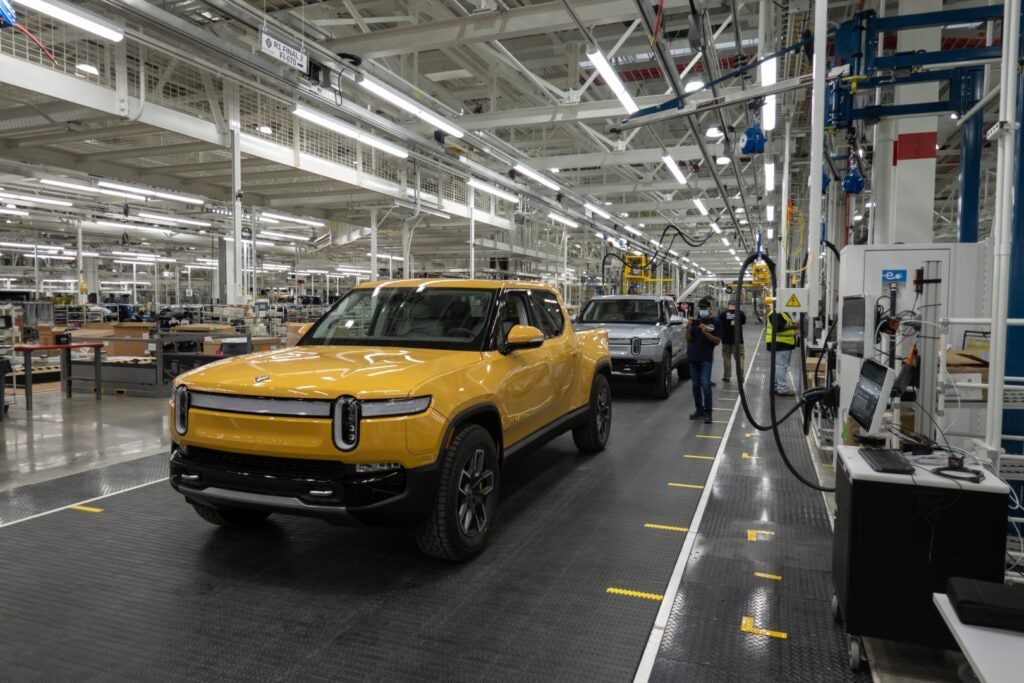
- R2 SUV Delivery Plans: Rivian is set to begin deliveries of its R2 SUV this spring, with the entry-level variant expected to start at around $45,000, aiming to compete against Tesla's Model Y and expand its market share.
- Production and Capacity Expansion: Production of the R2 has commenced at Rivian's Illinois factory, with plans to deliver 22,000 to 23,000 units this year, while the upcoming Georgia facility is expected to enhance capacity to meet market demand.
- Financial Impact and Market Reaction: Although initial production of the R2 will pressure margins, it is projected that by 2027, costs will drop to less than half of the R1 model, leading to a bullish sentiment shift around RIVN stock.
- Natural Disaster Impact: A recent tornado damaged parts of Rivian's Illinois factory, affecting areas used for parts storage and logistics, yet the company remains on track to launch R2 deliveries as planned.
See More
Stellantis to Focus Investment on Core Brands
- Strategic Restructuring: Stellantis plans to focus its investment on core brands like Jeep, Ram, Peugeot, and Fiat in a strategic plan to be announced in May, with a 'material increase' in funding aimed at enhancing competitiveness in the U.S. and European markets.
- Brand Consolidation Strategy: The company will regionalize lower-volume brands, leveraging technology from core brands to develop new models, thereby increasing market share and reducing the dilution of internal investments, which enhances overall operational efficiency.
- Market Share Challenges: Stellantis faces intense competition from Chinese automakers, particularly in Europe and emerging markets, and recently booked a €22.2 billion charge due to adjustments in its electric vehicle plans, highlighting the pressures it faces during its transformation.
- Investor Confidence Fluctuations: With the company's valuation dropping to around €21 billion, close to the market value of EV startup Rivian, some investors have suggested shutting down overlapping brands to save costs; however, new CEO Filosa believes these brands still hold potential in specific markets.
See More

Market Update: Analysis of Key Company Performances

- Critical Metals Insight: Critical Metals suggests that to invest in the sector, one must buy MP Materials, indicating a reliance on industry leaders that could influence investor choices and market dynamics.
- SoundHound AI Exit Strategy: SoundHound AI has stated it will not participate in certain businesses, reflecting a reevaluation of its future strategy, which may raise investor concerns about its long-term growth potential.
- Dave's Product Shift: Dave plans to sell its fintech business to focus on energy bars, indicating a significant shift in market positioning that could affect its brand image and market share.
- Rivian's Quarterly Performance: Rivian Automotive expressed surprise at its last quarter's performance, believing the company is on track for profitability, which could boost investor confidence and drive stock price increases.
See More
Rivian Automotive Stock Investment Thesis Overview
- Market Re-rating Opportunity: Rivian's stock has plummeted from post-IPO highs of $179 to around $20, indicating a potential re-rating opportunity as the company shifts from hype-driven expectations to execution, which may attract renewed investor interest.
- Growth Driven by New Platforms: The upcoming R2 and R3 platforms, supported by high-pressure die casting and structural battery design, aim to significantly expand the addressable market while enhancing production efficiencies akin to Tesla's Model Y inflection point, potentially driving sales growth.
- Strategic Partnerships Enhance Execution: The $5.8 billion collaboration with Volkswagen and over 100,000 Amazon electric delivery van orders provide stable fleet demand, mitigating execution risks while strengthening the company's financial foundation.
- Transition to Software-Defined Mobility: Rivian is evolving into a software-defined mobility platform through its Autonomy+ subscriptions and proprietary RAP1 AI chip, reducing reliance on NVIDIA and potentially achieving software-like high margins in the future, further enhancing profitability.
See More
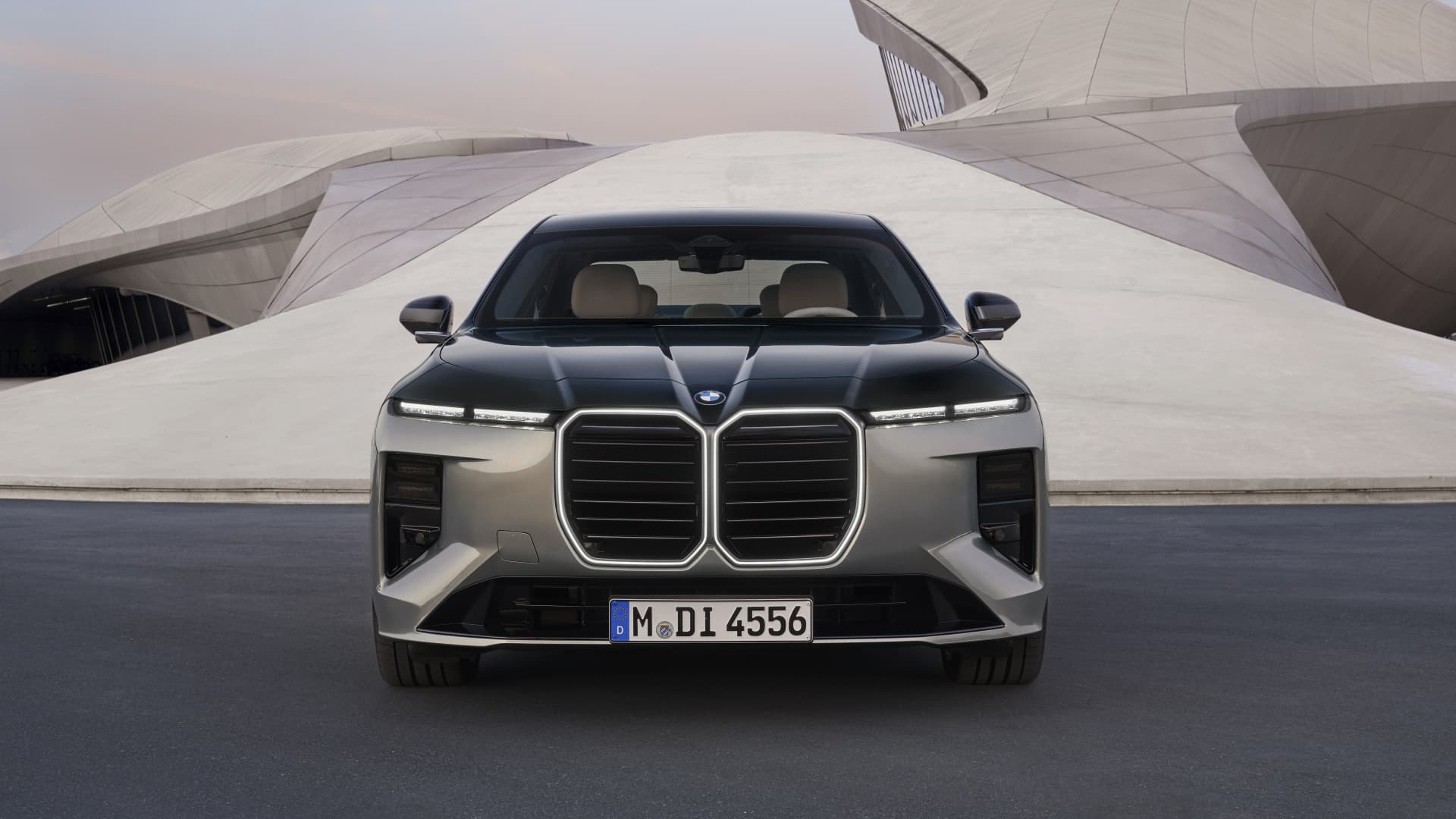
BMW Unveils Refreshed 7 Series Sedan Amidst SUV Dominance

- New Model Launch: BMW unveiled the refreshed 7 Series sedan in New York and Beijing, incorporating technology and design features originally intended for electric vehicles, showcasing the company's ongoing innovation in the luxury sedan market.
- Ambitious Sales Targets: North America chief Sebastian Mackensen stated that BMW has set ambitious sales targets for 2026, demonstrating commitment to sedan production despite U.S. tariff pressures on German imports.
- Market Competition Analysis: Although the full-size X7 SUV has outsold the 7 Series since 2018, BMW maintains that sedans hold significant importance in its product lineup, especially as 45% of potential customers still prefer four-door sedans.
- Technological Flagship Status: The 7 Series sedan, positioned as BMW's technological flagship, features a panoramic heads-up display and AI voice assistant, highlighting BMW's technical prowess and brand image in the luxury vehicle segment.
See More
BMW Doubles Down on 7 Series Sedan Amid SUV Surge
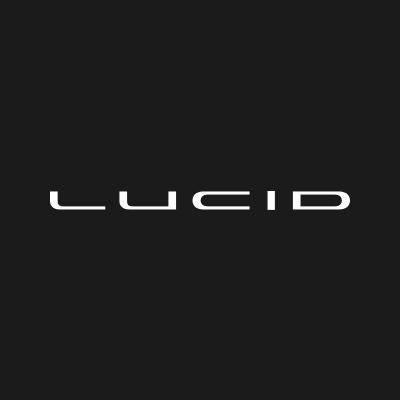

- Market Positioning: Despite U.S. tariff pressures on German imports, BMW remains committed to producing the 7 Series sedan, reflecting its confidence in the luxury sedan market amidst the surge in SUV sales.
- Technological Innovation: The updated 7 Series will be the first to feature advanced technologies originally developed for electric vehicles, including a panoramic heads-up display and an AI voice assistant, aimed at enhancing user experience and solidifying its tech leadership in the luxury segment.
- Sales Strategy Adjustment: In 2025, BMW's full-size X7 SUV sold nearly twice as many units as the combined sales of the 7 Series and 8 Series, indicating a market preference for SUVs, prompting BMW to closely monitor demand to assess the viability of continuing 7 Series imports.
- Optimistic Future Outlook: With approximately 30% of its profits coming from the U.S. market, BMW has set ambitious sales targets for 2026, and while specific numbers remain undisclosed, its leadership in the luxury market and consumer preferences suggest a positive outlook.
See More
Rivian R2 SUV Deliveries Set to Begin This Spring
- R2 SUV Delivery Plans: Rivian is set to begin deliveries of its R2 SUV this spring, with the entry-level variant expected to start at around $45,000, aiming to compete against Tesla's Model Y and expand its market share.
- Production and Capacity Expansion: Production of the R2 has commenced at Rivian's Illinois factory, with plans to deliver 22,000 to 23,000 units this year, while the upcoming Georgia facility is expected to enhance capacity to meet market demand.
- Financial Impact and Market Reaction: Although initial production of the R2 will pressure margins, it is projected that by 2027, costs will drop to less than half of the R1 model, leading to a bullish sentiment shift around RIVN stock.
- Natural Disaster Impact: A recent tornado damaged parts of Rivian's Illinois factory, affecting areas used for parts storage and logistics, yet the company remains on track to launch R2 deliveries as planned.
See More
Stellantis to Focus Investment on Core Brands
- Strategic Restructuring: Stellantis plans to focus its investment on core brands like Jeep, Ram, Peugeot, and Fiat in a strategic plan to be announced in May, with a 'material increase' in funding aimed at enhancing competitiveness in the U.S. and European markets.
- Brand Consolidation Strategy: The company will regionalize lower-volume brands, leveraging technology from core brands to develop new models, thereby increasing market share and reducing the dilution of internal investments, which enhances overall operational efficiency.
- Market Share Challenges: Stellantis faces intense competition from Chinese automakers, particularly in Europe and emerging markets, and recently booked a €22.2 billion charge due to adjustments in its electric vehicle plans, highlighting the pressures it faces during its transformation.
- Investor Confidence Fluctuations: With the company's valuation dropping to around €21 billion, close to the market value of EV startup Rivian, some investors have suggested shutting down overlapping brands to save costs; however, new CEO Filosa believes these brands still hold potential in specific markets.
See More
Market Update: Analysis of Key Company Performances
- Critical Metals Insight: Critical Metals suggests that to invest in the sector, one must buy MP Materials, indicating a reliance on industry leaders that could influence investor choices and market dynamics.
- SoundHound AI Exit Strategy: SoundHound AI has stated it will not participate in certain businesses, reflecting a reevaluation of its future strategy, which may raise investor concerns about its long-term growth potential.
- Dave's Product Shift: Dave plans to sell its fintech business to focus on energy bars, indicating a significant shift in market positioning that could affect its brand image and market share.
- Rivian's Quarterly Performance: Rivian Automotive expressed surprise at its last quarter's performance, believing the company is on track for profitability, which could boost investor confidence and drive stock price increases.
See More
Rivian Automotive Stock Investment Thesis Overview
- Market Re-rating Opportunity: Rivian's stock has plummeted from post-IPO highs of $179 to around $20, indicating a potential re-rating opportunity as the company shifts from hype-driven expectations to execution, which may attract renewed investor interest.
- Growth Driven by New Platforms: The upcoming R2 and R3 platforms, supported by high-pressure die casting and structural battery design, aim to significantly expand the addressable market while enhancing production efficiencies akin to Tesla's Model Y inflection point, potentially driving sales growth.
- Strategic Partnerships Enhance Execution: The $5.8 billion collaboration with Volkswagen and over 100,000 Amazon electric delivery van orders provide stable fleet demand, mitigating execution risks while strengthening the company's financial foundation.
- Transition to Software-Defined Mobility: Rivian is evolving into a software-defined mobility platform through its Autonomy+ subscriptions and proprietary RAP1 AI chip, reducing reliance on NVIDIA and potentially achieving software-like high margins in the future, further enhancing profitability.
See More
BMW Unveils Refreshed 7 Series Sedan Amidst SUV Dominance
- New Model Launch: BMW unveiled the refreshed 7 Series sedan in New York and Beijing, incorporating technology and design features originally intended for electric vehicles, showcasing the company's ongoing innovation in the luxury sedan market.
- Ambitious Sales Targets: North America chief Sebastian Mackensen stated that BMW has set ambitious sales targets for 2026, demonstrating commitment to sedan production despite U.S. tariff pressures on German imports.
- Market Competition Analysis: Although the full-size X7 SUV has outsold the 7 Series since 2018, BMW maintains that sedans hold significant importance in its product lineup, especially as 45% of potential customers still prefer four-door sedans.
- Technological Flagship Status: The 7 Series sedan, positioned as BMW's technological flagship, features a panoramic heads-up display and AI voice assistant, highlighting BMW's technical prowess and brand image in the luxury vehicle segment.
See More
BMW Doubles Down on 7 Series Sedan Amid SUV Surge
- Market Positioning: Despite U.S. tariff pressures on German imports, BMW remains committed to producing the 7 Series sedan, reflecting its confidence in the luxury sedan market amidst the surge in SUV sales.
- Technological Innovation: The updated 7 Series will be the first to feature advanced technologies originally developed for electric vehicles, including a panoramic heads-up display and an AI voice assistant, aimed at enhancing user experience and solidifying its tech leadership in the luxury segment.
- Sales Strategy Adjustment: In 2025, BMW's full-size X7 SUV sold nearly twice as many units as the combined sales of the 7 Series and 8 Series, indicating a market preference for SUVs, prompting BMW to closely monitor demand to assess the viability of continuing 7 Series imports.
- Optimistic Future Outlook: With approximately 30% of its profits coming from the U.S. market, BMW has set ambitious sales targets for 2026, and while specific numbers remain undisclosed, its leadership in the luxury market and consumer preferences suggest a positive outlook.
See More