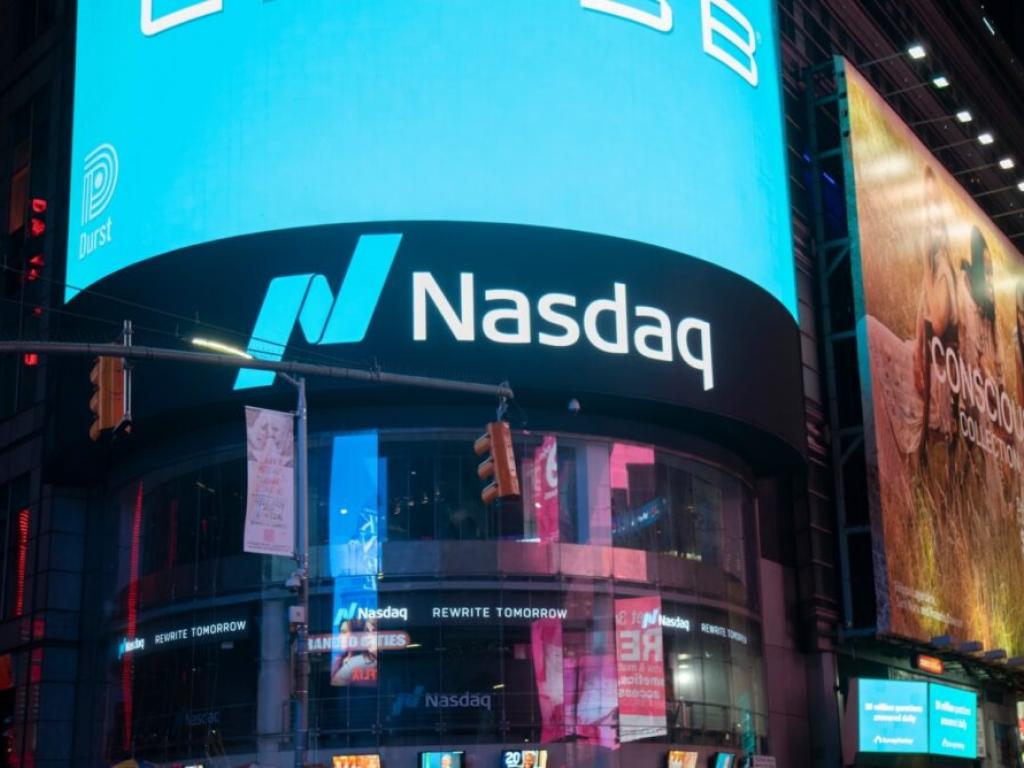
Rising Expectations for U.S. Economic Recession
Written by Emily J. Thompson, Senior Investment Analyst
Updated: Mar 09 2026
0mins


Source: CNBC
- Rising Recession Odds: Kalshi market data shows that the probability of a U.S. recession in 2026 surged to 34% on Monday, the highest level since November, indicating growing investor concerns about economic prospects.
- Impact of Soaring Oil Prices: U.S. crude oil prices have surpassed $100 per barrel, recording the largest weekly gain on record, prompting warnings from economists that sustained high oil prices could severely impact consumer and business spending.
- Market Reaction: The spike in oil prices triggered a selloff in stocks, signaling more pain ahead for investors after a tumultuous week, reflecting a pessimistic sentiment regarding future economic conditions.
- Fuel Price Predictions: Kalshi participants estimate a roughly 60% chance that U.S. gas prices will exceed $4 this month, with the national average at $3.48 on Monday, further intensifying recession fears.
Trade with 70% Backtested Accuracy
Stop guessing "Should I Buy CME?" and start using high-conviction signals backed by rigorous historical data.
Sign up today to access powerful investing tools and make smarter, data-driven decisions.
Analyst Views on CME
Wall Street analysts forecast CME stock price to rise
10 Analyst Rating
4 Buy
4 Hold
2 Sell
Hold
Current: 262.180

Low
209.00
Averages
285.90
High
320.00
Current: 262.180
Low
209.00
Averages
285.90
High
320.00
About CME
CME Group Inc. provides a derivatives marketplace. The Company enables clients to trade futures, options, cash and over the counter (OTC) markets, optimize portfolios, and analyze data. It exchanges offer a range of global benchmark products across all major asset classes based on interest rates, equity indexes, foreign exchange (FX), energy, agricultural products and metals. It offers futures and options on futures trading through the CME Globex platform, fixed income trading via BrokerTec and FX trading on the EBS platform. In addition, it operates central counterparty clearing provider, CME Clearing. Its products provide a means for hedging, speculation and asset allocation related to the risks associated with, among other things, interest rate sensitive instruments, and changes in the prices of agricultural, energy and metal commodities. It provides clearing and settlement services for a range of exchange-traded futures and options on futures contracts and OTC derivatives.
About the author

Emily J. Thompson
Emily J. Thompson, a Chartered Financial Analyst (CFA) with 12 years in investment research, graduated with honors from the Wharton School. Specializing in industrial and technology stocks, she provides in-depth analysis for Intellectia’s earnings and market brief reports.

SpaceX IPO Boosts Blockchain Exchanges


- Surge in Futures Trading: Ahead of SpaceX's IPO, Hyperliquid saw over 7 million perpetual futures traded, with a volume exceeding $1.2 billion, indicating strong market demand for emerging asset classes and further promoting blockchain technology adoption.
- Strong Market Performance: SpaceX closed its debut trading day at $160.95, achieving a market capitalization of over $2.1 trillion, reflecting robust investor confidence and providing a solid market validation for blockchain exchanges.
- Increased Pressure on Traditional Finance: With Kalshi's approval to trade bitcoin perps, traditional exchanges like CME and Nasdaq face pressure to adapt to rapidly evolving investment products and asset classes to maintain market competitiveness.
- Recognition of Blockchain Technology: Hyperliquid's tradeable token has surged over 150% this year, indicating the growing prominence of blockchain in mainstream finance, serving as a powerful tool against traditional finance and driving the long-term development of digital assets.
See More
US Stock Market Surges Amid Iran War Uncertainty

- Market Surge: Despite economic uncertainty from the Iran war, the S&P 500 and Nasdaq Composite have risen by 13% and 19% since April, indicating strong financial results have bolstered market confidence.
- Rate Expectation Shift: Investors initially expected the Federal Reserve to cut rates in 2026, but due to soaring global oil prices from the conflict, the likelihood of rate cuts has dropped to near zero, with core PCE inflation hitting 3.3% in April, prompting expectations of rate hikes.
- Treasury Yield Spike: The 30-year Treasury yield reached 5.18% last month, remaining above 5% for 11 consecutive trading sessions, a situation historically linked to significant stock market declines, with the S&P 500 and Nasdaq Composite dropping 21% and 18% respectively in similar past scenarios.
- Recession Risk: Rising bond yields could lead to steep stock market losses, and historical trends suggest that rate hikes in response to energy price shocks often precede economic recessions, signaling potential market corrections that investors should heed.
See More

Surge in U.S. Treasury Yields Signals Market Warning
- Surge in Treasury Yields: The 30-year Treasury yield surged to 5.18% in May, the highest since July 2007, indicating potential declines of 21% and 18% in the S&P 500 and Nasdaq, respectively, prompting investors to reassess the value of risk assets.
- Inflation Pressures Intensify: The Iran war has driven global oil prices up, pushing core PCE inflation to 3.3% in April, which may lead the Fed to raise interest rates, with the market anticipating at least one rate hike, impacting economic growth prospects.
- Market Reaction Shifts: The bond market acts as an economic barometer, with rising yields reflecting investor concerns over inflation, potentially triggering a stock market correction, especially as historical data suggests such scenarios often precede recessions.
- Investor Caution Advised: The recent spike in Treasury yields serves as a warning to investors that high yields could lead to significant stock market losses, urging caution when considering investments in the S&P 500 Index to avoid potential major downturns.
See More

S&P 500 Bull Market Continues, Investors Must Heed Valuation Risks

- Strong Bull Market: The S&P 500 has achieved total returns of 26%, 25%, and 18% from 2023 to 2025, with a year-to-date gain of 7.8%, indicating a robust market recovery and restored investor confidence.
- Valuation Concerns: The current Shiller P/E ratio exceeds 41, nearing historical highs, and the market cap is double the trailing-12-month GDP, reflecting potential overvaluation risks that investors need to be cautious about.
- Corporate Earnings Growth: Despite high valuations, the S&P 500 reported aggregate earnings growth of 28.6% in Q1, with full-year growth projected at 22.8%, demonstrating strong corporate profitability that may support further market gains.
- Bond Market Signals: Credit spreads are near historic lows, indicating bond investors' confidence in economic prospects, which typically suggests that a market crash is not imminent, prompting investors to remain vigilant for investment opportunities.
See More

S&P 500 Valuations Raise Investor Concerns
- Valuation Warning: The S&P 500's Shiller P/E ratio exceeds 41, marking the highest level since the dot-com bubble, which may impact investor expectations for future earnings and necessitate caution.
- Market Cap to GDP Ratio: The S&P 500's market capitalization is double the trailing 12-month GDP, reaching the highest level since 1929, indicating potential over-optimism about economic growth that could lead to future corrections.
- Strong Earnings Growth: Despite high valuations, the S&P 500 reported aggregate earnings growth of 28.6% in Q1, with full-year projections at 22.8%, suggesting that corporate profitability is still on the rise, potentially supporting continued market gains.
- Bond Market Signals: The yield spread between corporate and government bonds remains near historic lows, indicating investor confidence in economic prospects, which may suggest that a market crash is still years away.
See More

Trump Calls for Rate Cuts Amid Inflation Concerns
- Market Performance Review: The Dow Jones, S&P 500, and Nasdaq have surged 57%, 70%, and 142% respectively during Trump's presidency, indicating strong market performance; however, rising inflation could hinder future growth prospects.
- Rate Policy Controversy: Trump's ongoing criticism of Fed Chair Powell highlights a significant policy divide, as the Fed has cut rates six times from September 2024 to December 2025, yet current rates remain above Trump's desired target of below 1%, potentially stifling business borrowing and economic expansion.
- Inflation Risk Rising: The disruption of energy supplies due to the Iran war is expected to push inflation from 2.4% to an estimated 4.18%, increasing economic pressure on consumers and possibly prompting the Fed to consider rate hikes in response to persistent price increases.
- Market Expectation Shift: Futures markets indicate a 71.3% probability of rate hikes by late 2026, suggesting that despite Trump's push for low rates to support the stock market and AI infrastructure, economic indicators may compel the Fed to take the opposite approach.
See More
SpaceX IPO Boosts Blockchain Exchanges
- Surge in Futures Trading: Ahead of SpaceX's IPO, Hyperliquid saw over 7 million perpetual futures traded, with a volume exceeding $1.2 billion, indicating strong market demand for emerging asset classes and further promoting blockchain technology adoption.
- Strong Market Performance: SpaceX closed its debut trading day at $160.95, achieving a market capitalization of over $2.1 trillion, reflecting robust investor confidence and providing a solid market validation for blockchain exchanges.
- Increased Pressure on Traditional Finance: With Kalshi's approval to trade bitcoin perps, traditional exchanges like CME and Nasdaq face pressure to adapt to rapidly evolving investment products and asset classes to maintain market competitiveness.
- Recognition of Blockchain Technology: Hyperliquid's tradeable token has surged over 150% this year, indicating the growing prominence of blockchain in mainstream finance, serving as a powerful tool against traditional finance and driving the long-term development of digital assets.
See More
US Stock Market Surges Amid Iran War Uncertainty
- Market Surge: Despite economic uncertainty from the Iran war, the S&P 500 and Nasdaq Composite have risen by 13% and 19% since April, indicating strong financial results have bolstered market confidence.
- Rate Expectation Shift: Investors initially expected the Federal Reserve to cut rates in 2026, but due to soaring global oil prices from the conflict, the likelihood of rate cuts has dropped to near zero, with core PCE inflation hitting 3.3% in April, prompting expectations of rate hikes.
- Treasury Yield Spike: The 30-year Treasury yield reached 5.18% last month, remaining above 5% for 11 consecutive trading sessions, a situation historically linked to significant stock market declines, with the S&P 500 and Nasdaq Composite dropping 21% and 18% respectively in similar past scenarios.
- Recession Risk: Rising bond yields could lead to steep stock market losses, and historical trends suggest that rate hikes in response to energy price shocks often precede economic recessions, signaling potential market corrections that investors should heed.
See More
Surge in U.S. Treasury Yields Signals Market Warning
- Surge in Treasury Yields: The 30-year Treasury yield surged to 5.18% in May, the highest since July 2007, indicating potential declines of 21% and 18% in the S&P 500 and Nasdaq, respectively, prompting investors to reassess the value of risk assets.
- Inflation Pressures Intensify: The Iran war has driven global oil prices up, pushing core PCE inflation to 3.3% in April, which may lead the Fed to raise interest rates, with the market anticipating at least one rate hike, impacting economic growth prospects.
- Market Reaction Shifts: The bond market acts as an economic barometer, with rising yields reflecting investor concerns over inflation, potentially triggering a stock market correction, especially as historical data suggests such scenarios often precede recessions.
- Investor Caution Advised: The recent spike in Treasury yields serves as a warning to investors that high yields could lead to significant stock market losses, urging caution when considering investments in the S&P 500 Index to avoid potential major downturns.
See More
S&P 500 Bull Market Continues, Investors Must Heed Valuation Risks
- Strong Bull Market: The S&P 500 has achieved total returns of 26%, 25%, and 18% from 2023 to 2025, with a year-to-date gain of 7.8%, indicating a robust market recovery and restored investor confidence.
- Valuation Concerns: The current Shiller P/E ratio exceeds 41, nearing historical highs, and the market cap is double the trailing-12-month GDP, reflecting potential overvaluation risks that investors need to be cautious about.
- Corporate Earnings Growth: Despite high valuations, the S&P 500 reported aggregate earnings growth of 28.6% in Q1, with full-year growth projected at 22.8%, demonstrating strong corporate profitability that may support further market gains.
- Bond Market Signals: Credit spreads are near historic lows, indicating bond investors' confidence in economic prospects, which typically suggests that a market crash is not imminent, prompting investors to remain vigilant for investment opportunities.
See More
S&P 500 Valuations Raise Investor Concerns
- Valuation Warning: The S&P 500's Shiller P/E ratio exceeds 41, marking the highest level since the dot-com bubble, which may impact investor expectations for future earnings and necessitate caution.
- Market Cap to GDP Ratio: The S&P 500's market capitalization is double the trailing 12-month GDP, reaching the highest level since 1929, indicating potential over-optimism about economic growth that could lead to future corrections.
- Strong Earnings Growth: Despite high valuations, the S&P 500 reported aggregate earnings growth of 28.6% in Q1, with full-year projections at 22.8%, suggesting that corporate profitability is still on the rise, potentially supporting continued market gains.
- Bond Market Signals: The yield spread between corporate and government bonds remains near historic lows, indicating investor confidence in economic prospects, which may suggest that a market crash is still years away.
See More
Trump Calls for Rate Cuts Amid Inflation Concerns
- Market Performance Review: The Dow Jones, S&P 500, and Nasdaq have surged 57%, 70%, and 142% respectively during Trump's presidency, indicating strong market performance; however, rising inflation could hinder future growth prospects.
- Rate Policy Controversy: Trump's ongoing criticism of Fed Chair Powell highlights a significant policy divide, as the Fed has cut rates six times from September 2024 to December 2025, yet current rates remain above Trump's desired target of below 1%, potentially stifling business borrowing and economic expansion.
- Inflation Risk Rising: The disruption of energy supplies due to the Iran war is expected to push inflation from 2.4% to an estimated 4.18%, increasing economic pressure on consumers and possibly prompting the Fed to consider rate hikes in response to persistent price increases.
- Market Expectation Shift: Futures markets indicate a 71.3% probability of rate hikes by late 2026, suggesting that despite Trump's push for low rates to support the stock market and AI infrastructure, economic indicators may compel the Fed to take the opposite approach.
See More