Rising Default Risks in Leveraged Loan Market Impacting CLO Equity Funds
Written by Emily J. Thompson, Senior Investment Analyst
Updated: Feb 23 2026
0mins
Source: seekingalpha
- Rising Default Risks: As default expectations in the leveraged loan market rise from 2-4% to 4-6%, CLO equity investors face significant risks due to embedded leverage, where even modest increases in defaults can lead to substantial losses, highlighting concerns over income sustainability.
- Dividend Cuts: Several closed-end funds focused on CLO equity and junior tranches have recently reduced monthly distributions, with funds like Eagle Point, Oxford Lane, and Sound Point Meridian seeing share prices drop to multi-year lows, reflecting investor unease about net asset values.
- AI and Loan Market Strain: Approximately 13% of leveraged loans are tied to software companies, but the rise of generative AI has sparked fears regarding the future cash flows of traditional software vendors, compounding market uncertainty amid a slowdown in mergers and acquisitions.
- Liquidity and Leverage Focus: Investor scrutiny has intensified around how credit risk is repackaged, with Blue Owl Capital recently selling $1.4 billion in loans to enhance liquidity, raising concerns about potential increases in leverage within the system, although some managers argue that market volatility presents buying opportunities.
Trade with 70% Backtested Accuracy
Stop guessing "Should I Buy OWL?" and start using high-conviction signals backed by rigorous historical data.
Sign up today to access powerful investing tools and make smarter, data-driven decisions.
Analyst Views on OWL
Wall Street analysts forecast OWL stock price to rise
15 Analyst Rating
12 Buy
3 Hold
0 Sell
Strong Buy
Current: 10.070

Low
18.00
Averages
21.13
High
28.00
Current: 10.070
Low
18.00
Averages
21.13
High
28.00
About OWL
Blue Owl Capital Inc. is an alternative asset management company. The Company deploys private capital across Credit, GP Strategic Capital and Real Estate platforms on behalf of institutional and private wealth clients. Its product platforms include Credit, GP Strategic Capital and Real Estate. Its credit products offer private financing solutions primarily to upper-middle-market companies. Its credit products are offered through a mix of business development companies, long-dated private funds, managed accounts and collateralized loan obligations. It is focused on acquiring equity stakes in or providing debt financing to private capital firms. Its Real Estate products are focused on acquiring triple net lease real estate occupied by investment-grade or creditworthy tenants. Its Real Estate products are offered through Permanent Capital vehicles, including its real estate investment trusts, and long-dated private funds. It offers asset management services to the insurance industry.
About the author

Emily J. Thompson
Emily J. Thompson, a Chartered Financial Analyst (CFA) with 12 years in investment research, graduated with honors from the Wharton School. Specializing in industrial and technology stocks, she provides in-depth analysis for Intellectia’s earnings and market brief reports.

US Stock Indices Decline Amid Tensions and Economic Data

- Market Retreat: On Wednesday, the S&P 500 index fell by 0.74%, the Dow Jones Industrial Average dropped by 1.21%, and the Nasdaq 100 index decreased by 0.29%, indicating market vulnerability amid escalating US-Iran tensions that negatively impacted investor sentiment.
- Oil Price Surge: WTI crude oil prices rose over 2% to a 1.5-week high following the US interception of Iranian missiles and drones, heightening concerns about Middle Eastern stability and potentially affecting global supply chains and inflation expectations.
- Strong Employment Data: The US May ADP employment change increased by 122,000, surpassing expectations of 120,000, signaling signs of economic recovery that could support the stock market, although overall market performance remains influenced by other factors.
- Divergent Tech Stock Performance: While Marvell Technology rose over 3%, software and cybersecurity stocks faced significant declines, with Datadog and IBM dropping more than 6%, reflecting a lack of confidence in the tech sector despite some positive developments.
See More

US Stock Market Slides Amid Geopolitical Tensions
- Market Decline: The S&P 500 index fell by 0.40%, the Dow Jones Industrial Average dropped by 0.74%, and the Nasdaq 100 decreased by 0.08%, indicating market pressure due to escalating geopolitical tensions, particularly between the US and Iran.
- Rising Oil Prices: The WTI crude oil price surged over 1% to a 1.5-week high amid US-Iran clashes, which could further elevate inflation expectations and impact Federal Reserve monetary policy decisions.
- Strong Employment Data: The US May ADP employment change rose by 122,000, exceeding expectations of 120,000, indicating signs of economic recovery that may support the stock market, although the overall market remains weighed down by declines in software and cybersecurity stocks.
- Divergent Tech Stock Performance: Despite overall market pressure, Marvell Technology's stock rose over 7% following Nvidia CEO's prediction that it would reach a $1 trillion valuation, highlighting the supportive role of AI infrastructure spending on technology stocks.
See More
Quantum Computing Stocks Decline, GameStop Shares Rise


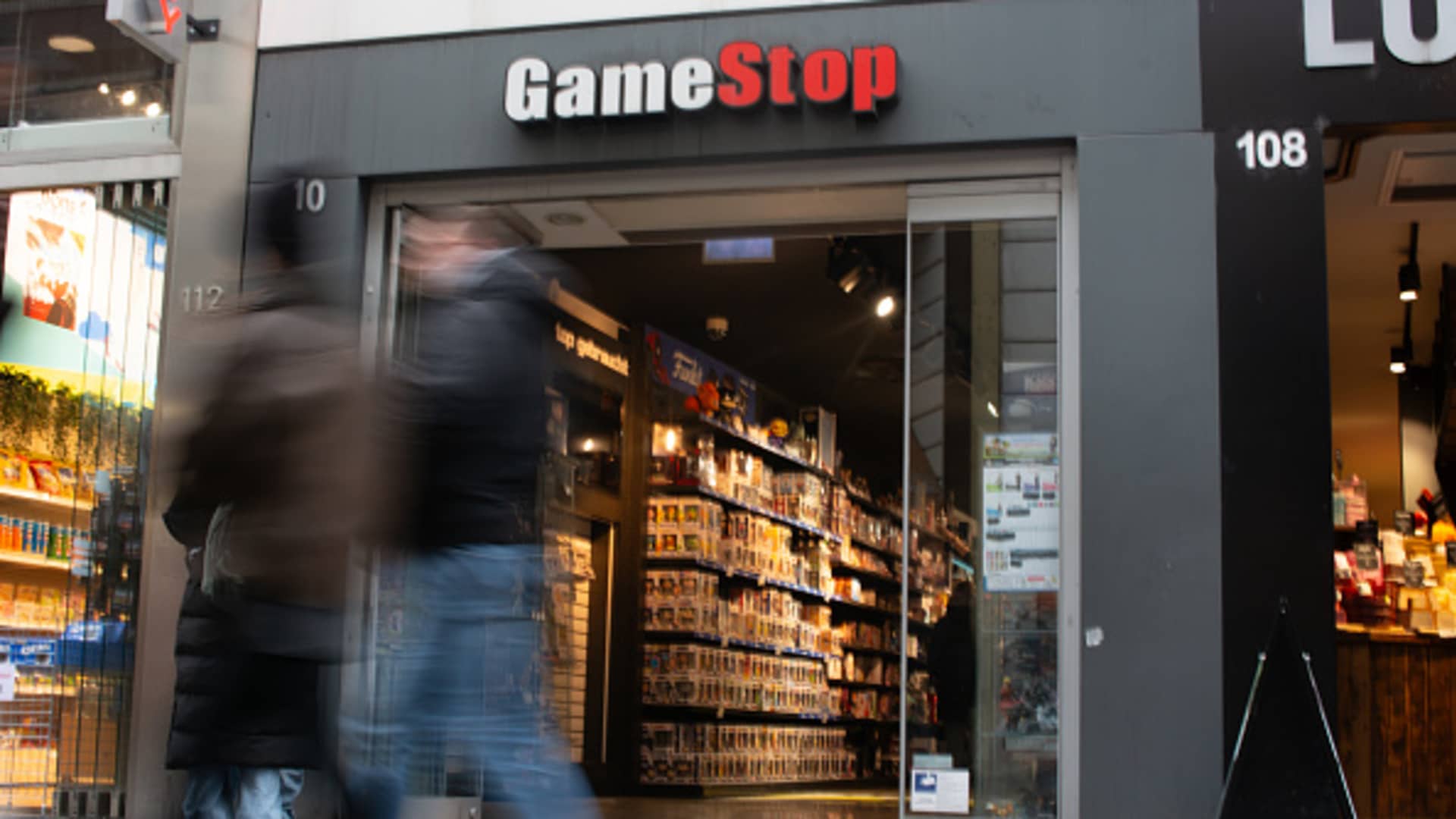
- Quantum Stocks Decline: Quantum computing stocks experienced a broad decline, with Rigetti Computing down 10%, D-Wave Quantum down 7%, and IonQ down 4%, indicating that investors opted to cash out after a rally in the previous session, leading to a weakened overall market sentiment.
- GameStop's Strong Earnings: GameStop reported first-quarter revenue of $835.3 million, reflecting a 14% year-over-year increase, and the board approved a $2 billion share repurchase authorization, which not only boosts investor confidence but may also enhance future shareholder returns.
- Energy Stocks Boosted by Oil Prices: Oil prices rose nearly 2% after Israeli Prime Minister Netanyahu indicated readiness to act against Iran, lifting energy stocks, with Exxon Mobil and Marathon Petroleum both gaining 3%, suggesting sustained market optimism regarding energy demand.
- Palo Alto Networks Stock Drop: Despite Palo Alto Networks posting stronger-than-expected revenue guidance, its stock fell nearly 6%, which may reflect market concerns about future growth, especially in light of the company's adjustments to its full-year revenue expectations.
See More

KBRA Assigns BBB Rating to Blue Owl Technology Finance Corp.

- Rating Support Factors: KBRA's BBB rating for Blue Owl Technology Finance Corp. is bolstered by its ties to the $159.2 billion Blue Owl Credit platform, along with SEC exemptive relief allowing co-investment with other funds managed by the adviser, enhancing its competitive position in the market.
- Portfolio Quality: As of March 31, 2026, OTF's investment portfolio includes 203 technology-focused companies, with 77.6% of the portfolio comprised of senior secured first lien loans, demonstrating strong financing capabilities and risk management in the upper middle market.
- Financial Flexibility: OTF's unsecured debt accounts for 35.8% of total debt, providing adequate asset encumbrance, while maintaining strong liquidity with approximately $1.3 billion in available bank lines and $488 million in unrestricted cash to ensure repayment of $1.325 billion in maturing debt over the next two years.
- Market Risk Factors: Despite solid credit quality, OTF faces market risks including high base rates, inflation, and geopolitical uncertainties, which could lead to increased non-accrual investments, impacting overall financial performance and asset quality.
See More

US Stock Market Under Pressure with Mixed Tech Performance
- Market Decline: The S&P 500 index fell by 0.57%, the Dow Jones Industrial Average dropped by 0.58%, and the Nasdaq 100 decreased by 0.60%, indicating market vulnerability amid escalating US-Iran tensions, which negatively impacted investor sentiment.
- Mixed Tech Performance: While Marvell Technology surged over 6%, software companies like Atlassian and Datadog saw declines exceeding 7%, highlighting significant internal divergence within the tech sector that could affect overall market stability.
- Supportive Employment Data: The May ADP employment change rose by 122,000, surpassing expectations of 120,000 and marking the largest increase in 16 months, indicating resilience in the US labor market that may provide support for stocks.
- Mortgage Applications Decline: For the week ending May 29, US MBA mortgage applications fell by 2.5%, with the purchase mortgage sub-index down 2.9%, reflecting pressure from rising interest rates on the housing market, which could impact future consumer spending.
See More
Private Credit Market Faces Ongoing Pressure as Redemption Requests Surge
- Surge in Redemption Requests: The Cliffwater private credit fund faced redemption requests totaling about 17% in Q2, capping withdrawals at 5%, raising concerns about the health of the $1.8 trillion private credit market.
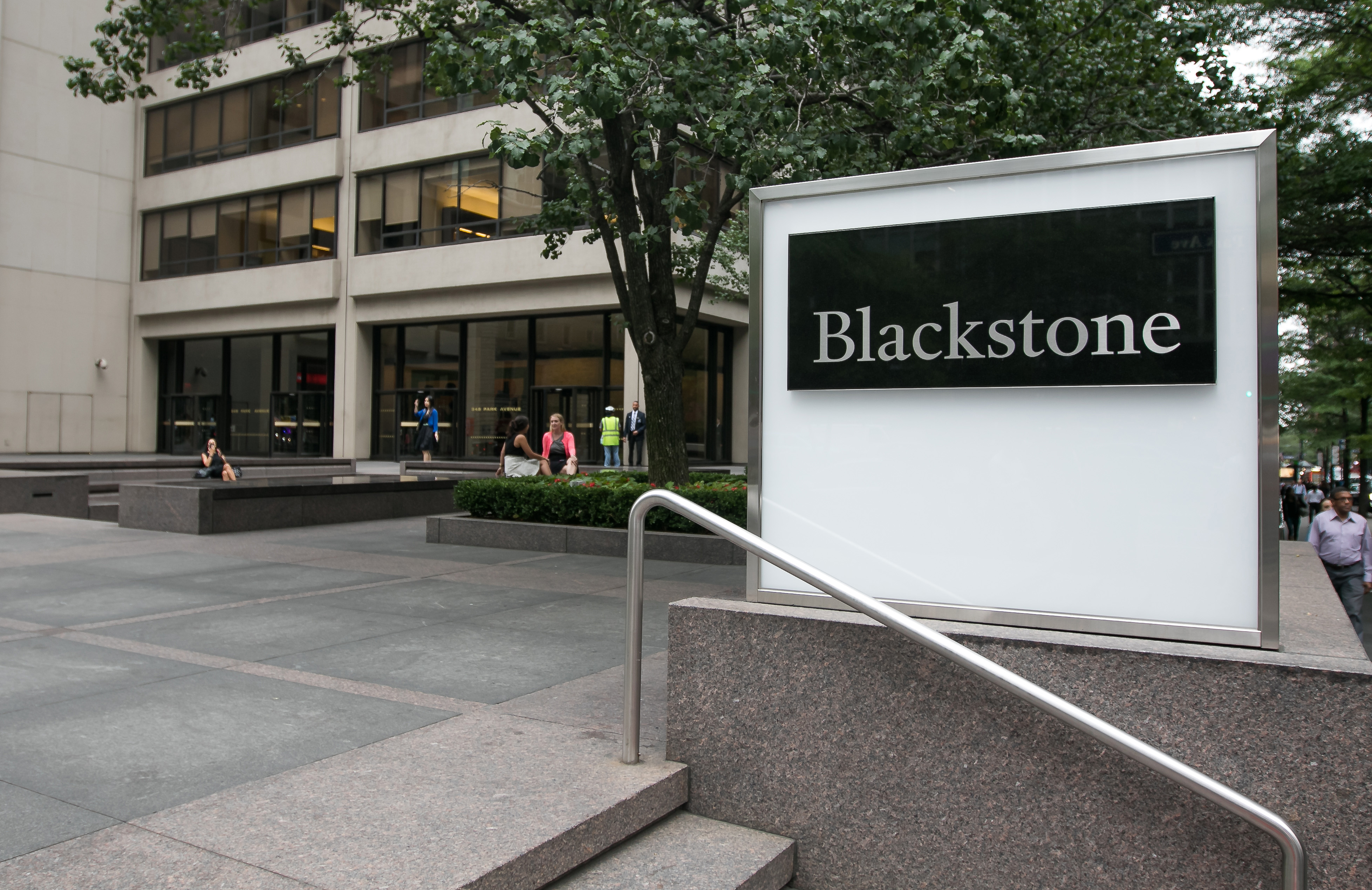
- Major Companies Decline: In response to market conditions, KKR's stock fell 5.43% to $89.32, Apollo dropped 3.70% to $123.99, Ares decreased by 4.90% to $121.99, and Blackstone fell 5.45% to $108.65, indicating weakened investor confidence in private credit.
- Historic Redemption Levels: According to a Bank of America report, redemption requests at non-traded business development companies reached historic highs in Q1 and are expected to rise further in Q2, with Apollo Debt Solutions' requests projected to increase from 11.2% in Q1 to 15% in Q2.
- Market Sentiment Shift: Although Blue Owl Capital's co-CEO indicated a potential shift in investor sentiment, the latest redemption data suggests ongoing pressure in the market, with expectations for elevated redemptions continuing into Q3.
See More
US Stock Indices Decline Amid Tensions and Economic Data
- Market Retreat: On Wednesday, the S&P 500 index fell by 0.74%, the Dow Jones Industrial Average dropped by 1.21%, and the Nasdaq 100 index decreased by 0.29%, indicating market vulnerability amid escalating US-Iran tensions that negatively impacted investor sentiment.
- Oil Price Surge: WTI crude oil prices rose over 2% to a 1.5-week high following the US interception of Iranian missiles and drones, heightening concerns about Middle Eastern stability and potentially affecting global supply chains and inflation expectations.
- Strong Employment Data: The US May ADP employment change increased by 122,000, surpassing expectations of 120,000, signaling signs of economic recovery that could support the stock market, although overall market performance remains influenced by other factors.
- Divergent Tech Stock Performance: While Marvell Technology rose over 3%, software and cybersecurity stocks faced significant declines, with Datadog and IBM dropping more than 6%, reflecting a lack of confidence in the tech sector despite some positive developments.
See More
US Stock Market Slides Amid Geopolitical Tensions
- Market Decline: The S&P 500 index fell by 0.40%, the Dow Jones Industrial Average dropped by 0.74%, and the Nasdaq 100 decreased by 0.08%, indicating market pressure due to escalating geopolitical tensions, particularly between the US and Iran.
- Rising Oil Prices: The WTI crude oil price surged over 1% to a 1.5-week high amid US-Iran clashes, which could further elevate inflation expectations and impact Federal Reserve monetary policy decisions.
- Strong Employment Data: The US May ADP employment change rose by 122,000, exceeding expectations of 120,000, indicating signs of economic recovery that may support the stock market, although the overall market remains weighed down by declines in software and cybersecurity stocks.
- Divergent Tech Stock Performance: Despite overall market pressure, Marvell Technology's stock rose over 7% following Nvidia CEO's prediction that it would reach a $1 trillion valuation, highlighting the supportive role of AI infrastructure spending on technology stocks.
See More
Quantum Computing Stocks Decline, GameStop Shares Rise
- Quantum Stocks Decline: Quantum computing stocks experienced a broad decline, with Rigetti Computing down 10%, D-Wave Quantum down 7%, and IonQ down 4%, indicating that investors opted to cash out after a rally in the previous session, leading to a weakened overall market sentiment.
- GameStop's Strong Earnings: GameStop reported first-quarter revenue of $835.3 million, reflecting a 14% year-over-year increase, and the board approved a $2 billion share repurchase authorization, which not only boosts investor confidence but may also enhance future shareholder returns.
- Energy Stocks Boosted by Oil Prices: Oil prices rose nearly 2% after Israeli Prime Minister Netanyahu indicated readiness to act against Iran, lifting energy stocks, with Exxon Mobil and Marathon Petroleum both gaining 3%, suggesting sustained market optimism regarding energy demand.
- Palo Alto Networks Stock Drop: Despite Palo Alto Networks posting stronger-than-expected revenue guidance, its stock fell nearly 6%, which may reflect market concerns about future growth, especially in light of the company's adjustments to its full-year revenue expectations.
See More
KBRA Assigns BBB Rating to Blue Owl Technology Finance Corp.
- Rating Support Factors: KBRA's BBB rating for Blue Owl Technology Finance Corp. is bolstered by its ties to the $159.2 billion Blue Owl Credit platform, along with SEC exemptive relief allowing co-investment with other funds managed by the adviser, enhancing its competitive position in the market.
- Portfolio Quality: As of March 31, 2026, OTF's investment portfolio includes 203 technology-focused companies, with 77.6% of the portfolio comprised of senior secured first lien loans, demonstrating strong financing capabilities and risk management in the upper middle market.
- Financial Flexibility: OTF's unsecured debt accounts for 35.8% of total debt, providing adequate asset encumbrance, while maintaining strong liquidity with approximately $1.3 billion in available bank lines and $488 million in unrestricted cash to ensure repayment of $1.325 billion in maturing debt over the next two years.
- Market Risk Factors: Despite solid credit quality, OTF faces market risks including high base rates, inflation, and geopolitical uncertainties, which could lead to increased non-accrual investments, impacting overall financial performance and asset quality.
See More
US Stock Market Under Pressure with Mixed Tech Performance
- Market Decline: The S&P 500 index fell by 0.57%, the Dow Jones Industrial Average dropped by 0.58%, and the Nasdaq 100 decreased by 0.60%, indicating market vulnerability amid escalating US-Iran tensions, which negatively impacted investor sentiment.
- Mixed Tech Performance: While Marvell Technology surged over 6%, software companies like Atlassian and Datadog saw declines exceeding 7%, highlighting significant internal divergence within the tech sector that could affect overall market stability.
- Supportive Employment Data: The May ADP employment change rose by 122,000, surpassing expectations of 120,000 and marking the largest increase in 16 months, indicating resilience in the US labor market that may provide support for stocks.
- Mortgage Applications Decline: For the week ending May 29, US MBA mortgage applications fell by 2.5%, with the purchase mortgage sub-index down 2.9%, reflecting pressure from rising interest rates on the housing market, which could impact future consumer spending.
See More
Private Credit Market Faces Ongoing Pressure as Redemption Requests Surge
- Surge in Redemption Requests: The Cliffwater private credit fund faced redemption requests totaling about 17% in Q2, capping withdrawals at 5%, raising concerns about the health of the $1.8 trillion private credit market.
- Major Companies Decline: In response to market conditions, KKR's stock fell 5.43% to $89.32, Apollo dropped 3.70% to $123.99, Ares decreased by 4.90% to $121.99, and Blackstone fell 5.45% to $108.65, indicating weakened investor confidence in private credit.
- Historic Redemption Levels: According to a Bank of America report, redemption requests at non-traded business development companies reached historic highs in Q1 and are expected to rise further in Q2, with Apollo Debt Solutions' requests projected to increase from 11.2% in Q1 to 15% in Q2.
- Market Sentiment Shift: Although Blue Owl Capital's co-CEO indicated a potential shift in investor sentiment, the latest redemption data suggests ongoing pressure in the market, with expectations for elevated redemptions continuing into Q3.
See More