Financial Comparison of Royal Caribbean and Carnival Corporation
Written by Emily J. Thompson, Senior Investment Analyst
Updated: 1 hour ago
0mins
Source: Fool
- Royal Caribbean Growth: Royal Caribbean Cruises reported a revenue of $17.9 billion for FY 2025, reflecting an 8.8% year-over-year increase, with a net income of $4.3 billion and a net margin of 23.8%, indicating strong market demand and profitability, particularly in high-end and family segments.
- Carnival's Scale Advantage: Carnival Corporation achieved a revenue of $26.6 billion in FY 2025, with a growth rate of 6.4% and a net income close to $2.8 billion, showcasing a net margin of 7.7%, leveraging its large fleet and diverse brands to capture a wide range of customer segments.
- Risk Factors Analysis: Royal Caribbean faces risks from cybersecurity threats and geopolitical tensions that could lead to sudden drops in travel demand, while Carnival must navigate fluctuating fuel prices and weather events, which can impact operational costs and itinerary schedules.
- Valuation Comparison: Carnival's forward P/E ratio stands at 11.8x, lower than Royal Caribbean's 16.1x, indicating that Carnival's stock appears more valuable in the current market, and its $2.5 billion stock buyback program reflects the company's confidence in its stock value.
Trade with 70% Backtested Accuracy
Stop guessing "Should I Buy RCL?" and start using high-conviction signals backed by rigorous historical data.
Sign up today to access powerful investing tools and make smarter, data-driven decisions.
Analyst Views on RCL
Wall Street analysts forecast RCL stock price to rise
16 Analyst Rating
12 Buy
4 Hold
0 Sell
Strong Buy
Current: 290.800

Low
275.00
Averages
327.80
High
400.00
Current: 290.800
Low
275.00
Averages
327.80
High
400.00
About RCL
Royal Caribbean Cruises Ltd. is a cruise company, which owns and operates three global cruise brands: Royal Caribbean, Celebrity Cruises and Silversea Cruises. It also has an interest in TUI Cruises GmbH, which operates the German brands TUI Cruises and Hapag-Lloyd Cruises. Its ships offer a selection of worldwide itineraries that call on approximately 1,000 destinations on all seven continents. Royal Caribbean offers cruises and land destinations that generally feature a casual ambiance, as well as a variety of activities and entertainment venues. Celebrity Cruises offers a range of itineraries to destinations, including Alaska, Asia, Australia, Bermuda, Canada, the Caribbean, Europe, the Galapagos Islands, Hawaii, New Zealand, the Panama Canal and South America, with cruise lengths ranging from three to 14 nights. It also offers a range of private land destinations through Perfect Day at CocoCay and Royal Beach Club collection.
About the author

Emily J. Thompson
Emily J. Thompson, a Chartered Financial Analyst (CFA) with 12 years in investment research, graduated with honors from the Wharton School. Specializing in industrial and technology stocks, she provides in-depth analysis for Intellectia’s earnings and market brief reports.

Financial Comparison of Royal Caribbean and Carnival Corporation


- Royal Caribbean Growth: Royal Caribbean Cruises reported a revenue of $17.9 billion for FY 2025, reflecting an 8.8% year-over-year increase, with a net income of $4.3 billion and a net margin of 23.8%, indicating strong market demand and profitability, particularly in high-end and family segments.
- Carnival's Scale Advantage: Carnival Corporation achieved a revenue of $26.6 billion in FY 2025, with a growth rate of 6.4% and a net income close to $2.8 billion, showcasing a net margin of 7.7%, leveraging its large fleet and diverse brands to capture a wide range of customer segments.
- Risk Factors Analysis: Royal Caribbean faces risks from cybersecurity threats and geopolitical tensions that could lead to sudden drops in travel demand, while Carnival must navigate fluctuating fuel prices and weather events, which can impact operational costs and itinerary schedules.
- Valuation Comparison: Carnival's forward P/E ratio stands at 11.8x, lower than Royal Caribbean's 16.1x, indicating that Carnival's stock appears more valuable in the current market, and its $2.5 billion stock buyback program reflects the company's confidence in its stock value.
See More

Financial Comparison of Royal Caribbean and Carnival
- Revenue Growth: Royal Caribbean's revenue for FY 2025 reached $17.9 billion, an 8.8% increase year-over-year, with a net income of $4.3 billion and a net margin of 23.8%, indicating strong market demand and profitability.
- Cash Flow Performance: Carnival reported revenue of $26.6 billion for the same fiscal year, a 6.4% growth, with net income close to $2.8 billion, generating $2.6 billion in free cash flow, enhancing its capacity for reinvestment and debt reduction.
- Market Competition: Both companies are vying for consumer spending, with Royal Caribbean focusing on high-end and family experiences, while Carnival leverages its massive fleet and brand portfolio to attract a diverse customer base, highlighting their strategic positioning differences.
- Risk Factors: Royal Caribbean faces risks from cybersecurity threats and geopolitical tensions, while Carnival must navigate fluctuating fuel prices and weather events, which could impact their operations and financial performance.
See More

Latest Rating Changes on Wall Street


- Executive Rating Updates: Goldman Sachs initiates coverage on HawkEye 360 with a Buy rating, emphasizing its status as a profitable RF signals intelligence satellite operator, which is expected to achieve substantial revenue and earnings growth, reflecting strong confidence in its market potential.
- Dell Rating Upgrade: Morgan Stanley upgrades Dell from Underweight to Equal Weight, admitting prior market expectations were incorrect, highlighting Dell's superior supply chain management and execution compared to peers, enabling effective capture of critical demand and market share gains.
- MedTech Company Upgrade: Wells Fargo upgrades Tandem Diabetes Care to Overweight, citing an attractive risk/reward profile in the medical technology sector, indicating optimism about its future growth potential.
- Microsoft Market Performance Initiation: Citizens initiates Microsoft with a Market Outperform rating and a $550 price target, reflecting strong market performance potential despite a 7% decline year-to-date, indicating resilience in its business model.
See More

Carnival Corp. Optimistic Earnings Outlook Amid Strong Bookings
- Optimistic Earnings Outlook: Carnival is expected to report a second-quarter EPS of $0.34, slightly below last year's $0.35, yet analysts anticipate a 6% revenue increase, indicating resilience amid challenges.
- Valuation Disparity: With a market cap of nearly $39 billion, Carnival lags behind Royal Caribbean's $76 billion, despite generating $27 billion in revenue compared to Royal Caribbean's $18.4 billion, highlighting a significant valuation gap.
- Shareholder Return Strategy: Earlier this year, Carnival reinstated its dividend and authorized $2.5 billion in stock buybacks, reflecting confidence in future growth and potentially narrowing the valuation gap with competitors.
- Attractive Stock Valuation: Trading at 13 times this fiscal year's earnings, Carnival's stock is undervalued compared to industry averages, and strong future bookings suggest it remains an attractive investment in a generally overvalued market.
See More

Carnival Cruise Stock Outperforms Rivals
- Stock Performance: Carnival's stock has risen 21% over the past year, outperforming its two main rivals, which reflects its strong performance in the cruise industry and boosts investor confidence.
- Dividend and Buyback: The company reinstated its dividend and authorized a $2.5 billion stock buyback during its latest earnings call, indicating improved financial health and a commitment to returning value to shareholders, potentially attracting more investor interest.
- Earnings Expectations: Analysts expect Carnival to report a 6% revenue increase in its upcoming earnings report, but the projected earnings per share of $0.34 is slightly below last year's $0.35, highlighting challenges in profitability amid rising costs.
- Valuation Discrepancy: With a market capitalization of nearly $39 billion, Carnival is significantly lower than Royal Caribbean's $76 billion, despite generating $27 billion in revenue, indicating a valuation gap that could narrow if Carnival continues to improve its performance.
See More
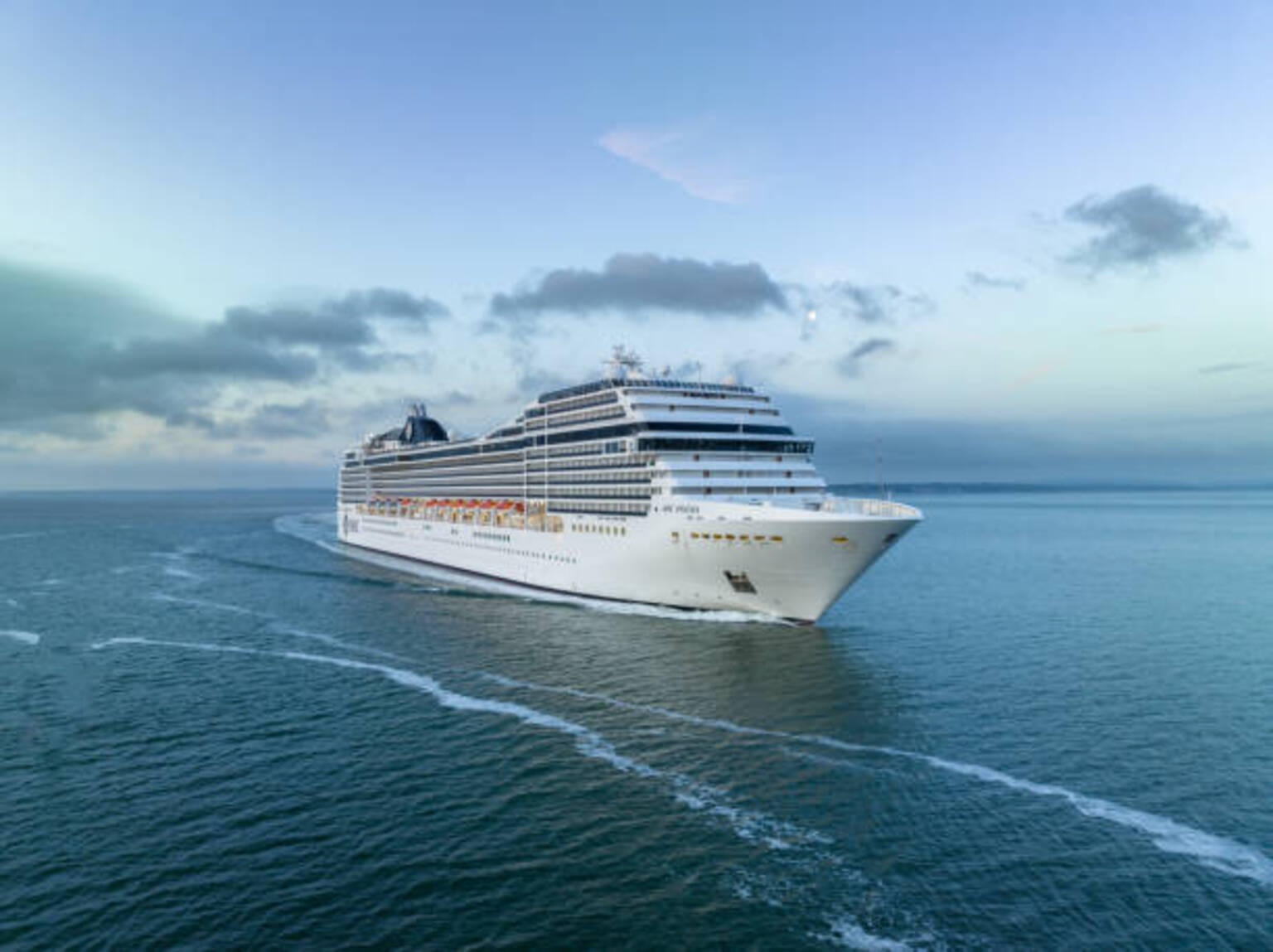
Cruise Industry Continues Strong Performance Amid Challenges
- Industry Resilience: Despite challenges such as pandemics, geopolitical conflicts, and volatile energy markets, the cruise industry remains one of the most consistent performers in travel, attracting significant interest from Baby Boomers and Millennials, thus presenting an appealing investment opportunity.
- First-Timer Growth: UBS analysts highlight a high rate of 'first-timers' in cruising, indicating substantial under-penetration compared to the broader travel market, especially when contrasted with Las Vegas's historically low first-timer rates.
- Earnings Growth Potential: A one percentage point increase in yield could boost EPS by 4% to 5% for cruise operators, illustrating how the industry's high fixed-cost structure makes yield recovery significantly impactful on the bottom line, particularly for companies like Royal Caribbean (RCL) and Carnival (CCL).
- Optimistic Market Outlook: Although Caribbean supply growth is projected at 12% for 2026, exceeding typical high single-digit growth, yields are still rising in both the Caribbean and Alaska, which is expected to enhance earnings for the year; UBS maintains a 'Buy' rating on RCL, CCL, and VIK, indicating better growth prospects for these companies.
See More
Financial Comparison of Royal Caribbean and Carnival Corporation
- Royal Caribbean Growth: Royal Caribbean Cruises reported a revenue of $17.9 billion for FY 2025, reflecting an 8.8% year-over-year increase, with a net income of $4.3 billion and a net margin of 23.8%, indicating strong market demand and profitability, particularly in high-end and family segments.
- Carnival's Scale Advantage: Carnival Corporation achieved a revenue of $26.6 billion in FY 2025, with a growth rate of 6.4% and a net income close to $2.8 billion, showcasing a net margin of 7.7%, leveraging its large fleet and diverse brands to capture a wide range of customer segments.
- Risk Factors Analysis: Royal Caribbean faces risks from cybersecurity threats and geopolitical tensions that could lead to sudden drops in travel demand, while Carnival must navigate fluctuating fuel prices and weather events, which can impact operational costs and itinerary schedules.
- Valuation Comparison: Carnival's forward P/E ratio stands at 11.8x, lower than Royal Caribbean's 16.1x, indicating that Carnival's stock appears more valuable in the current market, and its $2.5 billion stock buyback program reflects the company's confidence in its stock value.
See More
Financial Comparison of Royal Caribbean and Carnival
- Revenue Growth: Royal Caribbean's revenue for FY 2025 reached $17.9 billion, an 8.8% increase year-over-year, with a net income of $4.3 billion and a net margin of 23.8%, indicating strong market demand and profitability.
- Cash Flow Performance: Carnival reported revenue of $26.6 billion for the same fiscal year, a 6.4% growth, with net income close to $2.8 billion, generating $2.6 billion in free cash flow, enhancing its capacity for reinvestment and debt reduction.
- Market Competition: Both companies are vying for consumer spending, with Royal Caribbean focusing on high-end and family experiences, while Carnival leverages its massive fleet and brand portfolio to attract a diverse customer base, highlighting their strategic positioning differences.
- Risk Factors: Royal Caribbean faces risks from cybersecurity threats and geopolitical tensions, while Carnival must navigate fluctuating fuel prices and weather events, which could impact their operations and financial performance.
See More
Latest Rating Changes on Wall Street
- Executive Rating Updates: Goldman Sachs initiates coverage on HawkEye 360 with a Buy rating, emphasizing its status as a profitable RF signals intelligence satellite operator, which is expected to achieve substantial revenue and earnings growth, reflecting strong confidence in its market potential.
- Dell Rating Upgrade: Morgan Stanley upgrades Dell from Underweight to Equal Weight, admitting prior market expectations were incorrect, highlighting Dell's superior supply chain management and execution compared to peers, enabling effective capture of critical demand and market share gains.
- MedTech Company Upgrade: Wells Fargo upgrades Tandem Diabetes Care to Overweight, citing an attractive risk/reward profile in the medical technology sector, indicating optimism about its future growth potential.
- Microsoft Market Performance Initiation: Citizens initiates Microsoft with a Market Outperform rating and a $550 price target, reflecting strong market performance potential despite a 7% decline year-to-date, indicating resilience in its business model.
See More
Carnival Corp. Optimistic Earnings Outlook Amid Strong Bookings
- Optimistic Earnings Outlook: Carnival is expected to report a second-quarter EPS of $0.34, slightly below last year's $0.35, yet analysts anticipate a 6% revenue increase, indicating resilience amid challenges.
- Valuation Disparity: With a market cap of nearly $39 billion, Carnival lags behind Royal Caribbean's $76 billion, despite generating $27 billion in revenue compared to Royal Caribbean's $18.4 billion, highlighting a significant valuation gap.
- Shareholder Return Strategy: Earlier this year, Carnival reinstated its dividend and authorized $2.5 billion in stock buybacks, reflecting confidence in future growth and potentially narrowing the valuation gap with competitors.
- Attractive Stock Valuation: Trading at 13 times this fiscal year's earnings, Carnival's stock is undervalued compared to industry averages, and strong future bookings suggest it remains an attractive investment in a generally overvalued market.
See More
Carnival Cruise Stock Outperforms Rivals
- Stock Performance: Carnival's stock has risen 21% over the past year, outperforming its two main rivals, which reflects its strong performance in the cruise industry and boosts investor confidence.
- Dividend and Buyback: The company reinstated its dividend and authorized a $2.5 billion stock buyback during its latest earnings call, indicating improved financial health and a commitment to returning value to shareholders, potentially attracting more investor interest.
- Earnings Expectations: Analysts expect Carnival to report a 6% revenue increase in its upcoming earnings report, but the projected earnings per share of $0.34 is slightly below last year's $0.35, highlighting challenges in profitability amid rising costs.
- Valuation Discrepancy: With a market capitalization of nearly $39 billion, Carnival is significantly lower than Royal Caribbean's $76 billion, despite generating $27 billion in revenue, indicating a valuation gap that could narrow if Carnival continues to improve its performance.
See More
Cruise Industry Continues Strong Performance Amid Challenges
- Industry Resilience: Despite challenges such as pandemics, geopolitical conflicts, and volatile energy markets, the cruise industry remains one of the most consistent performers in travel, attracting significant interest from Baby Boomers and Millennials, thus presenting an appealing investment opportunity.
- First-Timer Growth: UBS analysts highlight a high rate of 'first-timers' in cruising, indicating substantial under-penetration compared to the broader travel market, especially when contrasted with Las Vegas's historically low first-timer rates.
- Earnings Growth Potential: A one percentage point increase in yield could boost EPS by 4% to 5% for cruise operators, illustrating how the industry's high fixed-cost structure makes yield recovery significantly impactful on the bottom line, particularly for companies like Royal Caribbean (RCL) and Carnival (CCL).
- Optimistic Market Outlook: Although Caribbean supply growth is projected at 12% for 2026, exceeding typical high single-digit growth, yields are still rising in both the Caribbean and Alaska, which is expected to enhance earnings for the year; UBS maintains a 'Buy' rating on RCL, CCL, and VIK, indicating better growth prospects for these companies.
See More