Rigetti Computing Faces Significant Challenges in Quantum Market
Written by Emily J. Thompson, Senior Investment Analyst
Updated: Mar 13 2026
0mins
Should l Buy RGTI?
Source: NASDAQ.COM
- Revenue Decline: Rigetti Computing generated only $7.1 million in revenue for 2025, a 34% drop year-over-year, which is insignificant for a company valued at nearly $6 billion, potentially leading to further stock price declines.
- High Operating Losses: The company incurred total operating expenses of $86.7 million last year, with $61.3 million allocated to R&D, resulting in an operating loss of $84.6 million and a GAAP net loss of $216.2 million, indicating severe sustainability challenges in its business model.
- Slow Technological Progress: Although Rigetti achieved a gate fidelity of 99.9% in testing, it is expected to take three more years to replicate this in commercial settings, highlighting the significant distance its quantum computing technology has from widespread deployment.
- High Valuation: Rigetti's price-to-sales ratio stands at 779, far exceeding Palantir's 89 and Nvidia's 20, indicating an unsustainable valuation; if revenue continues to shrink, its P/S ratio will rise further, potentially triggering more downward pressure.
Trade with 70% Backtested Accuracy
Stop guessing "Should I Buy RGTI?" and start using high-conviction signals backed by rigorous historical data.
Sign up today to access powerful investing tools and make smarter, data-driven decisions.
Analyst Views on RGTI
Wall Street analysts forecast RGTI stock price to rise
10 Analyst Rating
7 Buy
3 Hold
0 Sell
Moderate Buy
Current: 13.500

Low
30.00
Averages
39.75
High
51.00
Current: 13.500
Low
30.00
Averages
39.75
High
51.00
About RGTI
Rigetti Computing, Inc. is a full-stack quantum computing company. The Company operates quantum computers over the cloud and serves global enterprise, government, and research clients through its Rigetti Quantum Cloud Services platform. The Company’s quantum-classical infrastructure provides high-performance integration with public and private clouds for practical quantum computing. It has developed a multi-chip quantum processor for scalable quantum computing systems. Through the Company’s Quantum Computing as a Service (QCaaS) platform, its machines can be integrated into any public, private or hybrid cloud. It is also engaged in the sale of quantum processing units (QPUs) and custom computing components, and development contracts and other services. Its QPUs contain fabricated silicon-based chips featuring superconducting qubits. The Company designs and manufactures its chips in-house at Fab-1, an integrated quantum device manufacturing facility.
About the author

Emily J. Thompson
Emily J. Thompson, a Chartered Financial Analyst (CFA) with 12 years in investment research, graduated with honors from the Wharton School. Specializing in industrial and technology stocks, she provides in-depth analysis for Intellectia’s earnings and market brief reports.
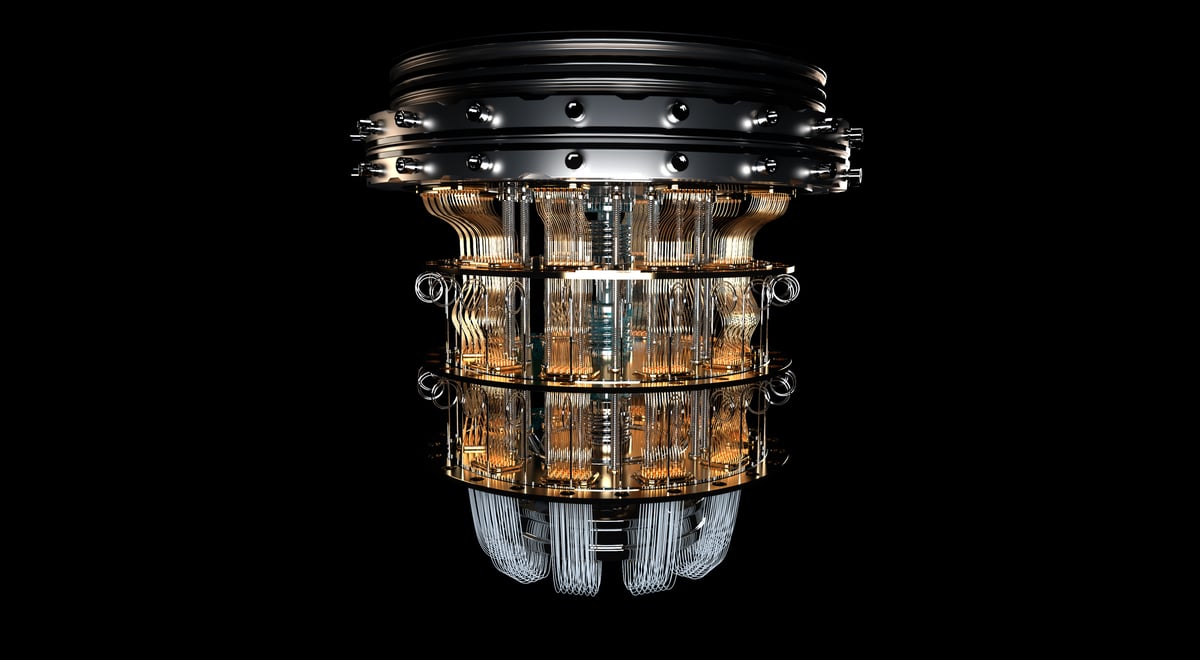
Rigetti Computing's Quantum Breakthrough and Challenges


- Quantum Breakthrough: Rigetti Computing announced it achieved up to 99.9% two-qubit gate fidelity, indicating a one in 1,000 error chance during calculations, which is significant but still insufficient for commercial viability due to ongoing accuracy issues in quantum computing.
- Accuracy Challenges: As the number of qubits increases, Rigetti's accuracy declines rapidly, with its largest 108-qubit system only achieving 99% two-qubit gate accuracy, highlighting a critical challenge in balancing computational power with reliability.
- Competitive Pressure: Compared to IonQ, which has reached a two-qubit gate fidelity of 99.99% and plans to launch a 256-qubit system by 2026, Rigetti faces immense competitive pressure that may undermine investor confidence in its future prospects.
- Poor Investment Outlook: Despite Rigetti's breakthroughs in accuracy, it remains significantly behind its peers, leading analysts to suggest that its investment potential is limited, with recommendations to consider more promising quantum computing companies like IonQ.
See More

Rigetti's Quantum Computing Systems Achieve Accuracy Breakthrough
- Accuracy Breakthrough: Rigetti recently announced a significant achievement with a two-qubit gate fidelity of up to 99.9%, indicating a one in 1,000 chance of error during calculations, yet this level of accuracy remains insufficient for commercial viability.
- Competitive Pressure: Despite Rigetti's advancements, its largest 108-qubit system only achieves 99% fidelity, and as the number of qubits increases, accuracy declines, placing Rigetti at a disadvantage compared to competitors like IonQ, which boasts a 99.99% fidelity.
- Market Outlook: The primary challenge for Rigetti in the rapidly evolving quantum computing sector is enhancing system accuracy to meet commercial demands, and its current technological limitations hinder its competitive position, prompting investors to carefully assess its investment potential.
- Investment Recommendation: Analysts generally advise against investing in Rigetti, as it is not considered the best quantum computing stock available, with competitors like IonQ demonstrating superior technology and market performance, suggesting investors explore more promising alternatives.
See More

Investment Outlook in Quantum Computing Sector
- D-Wave Performance Growth: D-Wave achieved $24.6 million in sales for 2025, marking a 179% year-over-year increase, and secured over $30 million in customer bookings in January 2026, indicating enhanced market traction and potential for further revenue growth.
- Rigetti Financial Challenges: Rigetti reported $7.1 million in sales for 2025, a 34% decline, with an operating loss of $84.7 million; despite having $443.5 million in cash and short-term investments, the company faces significant profitability pressures.
- Acquisition Strategy Impact: D-Wave's acquisition of Quantum Circuits in 2026 strengthens its competitive position in quantum computing, particularly in solving optimization problems, thereby filling a critical gap in its product offerings and enhancing market competitiveness.
- Investment Choice Analysis: Between D-Wave and Rigetti, D-Wave is viewed as the superior investment due to its higher cash reserves and growing revenue, along with a lower price-to-sales ratio, reflecting stronger investor confidence in its future growth prospects.
See More

D-Wave and Rigetti Quantum Stocks Drop Double Digits Year-to-Date
- Poor Market Performance: D-Wave and Rigetti stocks have dropped 47% and 40% year-to-date, respectively, indicating a decline in investor confidence in the quantum computing sector, particularly following Wall Street's shift towards lower-valued stocks in the 'great rotation' of 2026.
- Financial Strain: Rigetti reported $7.1 million in sales for 2025, a 34% decline year-over-year, with an operating loss of $84.7 million; despite holding $443.5 million in cash and short-term investments, the company faces significant profitability challenges.
- Rapid Growth for D-Wave: D-Wave's customer bookings exceeded $30 million in January 2026, a substantial increase from $13.4 million in Q4 2025, indicating accelerating market demand, although it recorded an operating loss of $100.4 million in 2025.
- Acquisition Strategy Enhances Competitiveness: D-Wave's acquisition of Quantum Circuits in 2026 fills a gap in its offerings related to gate-model technology, which is expected to strengthen its position in solving optimization problems, thereby enhancing its competitive edge.
See More

Rigetti Sells Novera QPU System to University of Saskatchewan for Quantum Computing
- Quantum System Sale: Rigetti Computing has sold a Novera QPU system to the University of Saskatchewan, which was shipped in March and will serve as the core of the university's first quantum computing system, marking a significant expansion into the educational sector.
- Academic Collaboration Opportunity: By providing access to real quantum computing hardware, the University of Saskatchewan will enable students and researchers to pursue groundbreaking advances in quantum science and technology, thereby enhancing its academic standing in quantum research.
- New Phase of Technological Exploration: Rigetti CEO Subodh Kulkarni stated that the university's selection of the Novera QPU signifies a new phase of exploration and innovation in quantum technology, reflecting confidence and commitment to the future of quantum computing.
- Future Investment Plans: Rigetti plans to invest up to $100 million in the UK to expand its quantum computing capabilities and aims to achieve a target of over 1,000 qubits by the end of 2027, further solidifying its leadership position in the quantum computing market.
See More
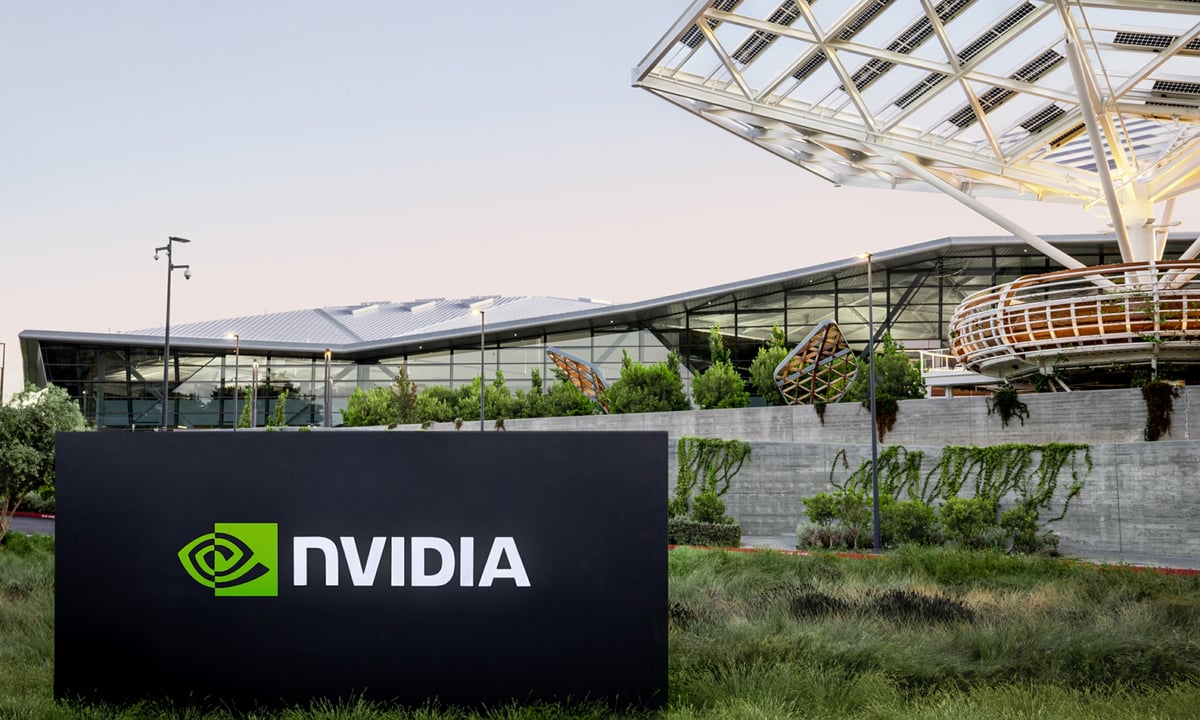
Nvidia Positions Itself in Quantum Computing Market

- Quantum Computing Potential: Nvidia is extending its CUDA software platform into quantum toolkits, enabling researchers to run quantum circuit simulations directly on its GPUs, compressing computation times from years to hours, significantly enhancing the feasibility and affordability of quantum experimentation.
- Market Dominance: Currently, Nvidia powers over 90% of the world's AI data centers with its hardware and software, and by controlling both classical computing acceleration and quantum simulation software, it is building an ecosystem that rivals find hard to match, driving industry applications for quantum AI.
- Robust Profit Model: Unlike speculative quantum startups that are burning cash, Nvidia generates billions in annual profits from its data center business, providing strong financial backing for its long-term quantum computing ambitions.
- Optimistic Investment Outlook: While the market still views Nvidia as a hardware vendor, savvy investors recognize that the company is becoming the operating system for the quantum age, allowing investors to leverage a $1,000 investment to benefit from steady data center growth while capturing asymmetric upside as quantum computing matures.
See More
Rigetti Computing's Quantum Breakthrough and Challenges
- Quantum Breakthrough: Rigetti Computing announced it achieved up to 99.9% two-qubit gate fidelity, indicating a one in 1,000 error chance during calculations, which is significant but still insufficient for commercial viability due to ongoing accuracy issues in quantum computing.
- Accuracy Challenges: As the number of qubits increases, Rigetti's accuracy declines rapidly, with its largest 108-qubit system only achieving 99% two-qubit gate accuracy, highlighting a critical challenge in balancing computational power with reliability.
- Competitive Pressure: Compared to IonQ, which has reached a two-qubit gate fidelity of 99.99% and plans to launch a 256-qubit system by 2026, Rigetti faces immense competitive pressure that may undermine investor confidence in its future prospects.
- Poor Investment Outlook: Despite Rigetti's breakthroughs in accuracy, it remains significantly behind its peers, leading analysts to suggest that its investment potential is limited, with recommendations to consider more promising quantum computing companies like IonQ.
See More
Rigetti's Quantum Computing Systems Achieve Accuracy Breakthrough
- Accuracy Breakthrough: Rigetti recently announced a significant achievement with a two-qubit gate fidelity of up to 99.9%, indicating a one in 1,000 chance of error during calculations, yet this level of accuracy remains insufficient for commercial viability.
- Competitive Pressure: Despite Rigetti's advancements, its largest 108-qubit system only achieves 99% fidelity, and as the number of qubits increases, accuracy declines, placing Rigetti at a disadvantage compared to competitors like IonQ, which boasts a 99.99% fidelity.
- Market Outlook: The primary challenge for Rigetti in the rapidly evolving quantum computing sector is enhancing system accuracy to meet commercial demands, and its current technological limitations hinder its competitive position, prompting investors to carefully assess its investment potential.
- Investment Recommendation: Analysts generally advise against investing in Rigetti, as it is not considered the best quantum computing stock available, with competitors like IonQ demonstrating superior technology and market performance, suggesting investors explore more promising alternatives.
See More
Investment Outlook in Quantum Computing Sector
- D-Wave Performance Growth: D-Wave achieved $24.6 million in sales for 2025, marking a 179% year-over-year increase, and secured over $30 million in customer bookings in January 2026, indicating enhanced market traction and potential for further revenue growth.
- Rigetti Financial Challenges: Rigetti reported $7.1 million in sales for 2025, a 34% decline, with an operating loss of $84.7 million; despite having $443.5 million in cash and short-term investments, the company faces significant profitability pressures.
- Acquisition Strategy Impact: D-Wave's acquisition of Quantum Circuits in 2026 strengthens its competitive position in quantum computing, particularly in solving optimization problems, thereby filling a critical gap in its product offerings and enhancing market competitiveness.
- Investment Choice Analysis: Between D-Wave and Rigetti, D-Wave is viewed as the superior investment due to its higher cash reserves and growing revenue, along with a lower price-to-sales ratio, reflecting stronger investor confidence in its future growth prospects.
See More
D-Wave and Rigetti Quantum Stocks Drop Double Digits Year-to-Date
- Poor Market Performance: D-Wave and Rigetti stocks have dropped 47% and 40% year-to-date, respectively, indicating a decline in investor confidence in the quantum computing sector, particularly following Wall Street's shift towards lower-valued stocks in the 'great rotation' of 2026.
- Financial Strain: Rigetti reported $7.1 million in sales for 2025, a 34% decline year-over-year, with an operating loss of $84.7 million; despite holding $443.5 million in cash and short-term investments, the company faces significant profitability challenges.
- Rapid Growth for D-Wave: D-Wave's customer bookings exceeded $30 million in January 2026, a substantial increase from $13.4 million in Q4 2025, indicating accelerating market demand, although it recorded an operating loss of $100.4 million in 2025.
- Acquisition Strategy Enhances Competitiveness: D-Wave's acquisition of Quantum Circuits in 2026 fills a gap in its offerings related to gate-model technology, which is expected to strengthen its position in solving optimization problems, thereby enhancing its competitive edge.
See More
Rigetti Sells Novera QPU System to University of Saskatchewan for Quantum Computing
- Quantum System Sale: Rigetti Computing has sold a Novera QPU system to the University of Saskatchewan, which was shipped in March and will serve as the core of the university's first quantum computing system, marking a significant expansion into the educational sector.
- Academic Collaboration Opportunity: By providing access to real quantum computing hardware, the University of Saskatchewan will enable students and researchers to pursue groundbreaking advances in quantum science and technology, thereby enhancing its academic standing in quantum research.
- New Phase of Technological Exploration: Rigetti CEO Subodh Kulkarni stated that the university's selection of the Novera QPU signifies a new phase of exploration and innovation in quantum technology, reflecting confidence and commitment to the future of quantum computing.
- Future Investment Plans: Rigetti plans to invest up to $100 million in the UK to expand its quantum computing capabilities and aims to achieve a target of over 1,000 qubits by the end of 2027, further solidifying its leadership position in the quantum computing market.
See More
Nvidia Positions Itself in Quantum Computing Market
- Quantum Computing Potential: Nvidia is extending its CUDA software platform into quantum toolkits, enabling researchers to run quantum circuit simulations directly on its GPUs, compressing computation times from years to hours, significantly enhancing the feasibility and affordability of quantum experimentation.
- Market Dominance: Currently, Nvidia powers over 90% of the world's AI data centers with its hardware and software, and by controlling both classical computing acceleration and quantum simulation software, it is building an ecosystem that rivals find hard to match, driving industry applications for quantum AI.
- Robust Profit Model: Unlike speculative quantum startups that are burning cash, Nvidia generates billions in annual profits from its data center business, providing strong financial backing for its long-term quantum computing ambitions.
- Optimistic Investment Outlook: While the market still views Nvidia as a hardware vendor, savvy investors recognize that the company is becoming the operating system for the quantum age, allowing investors to leverage a $1,000 investment to benefit from steady data center growth while capturing asymmetric upside as quantum computing matures.
See More