Rigetti Computing Faces Risk of Stock Price Decline in 2026
Written by Emily J. Thompson, Senior Investment Analyst
Updated: Dec 26 2025
0mins
Should l Buy RGTI?
Source: Fool
- Revenue Decline: Rigetti generated only $5.2 million in revenue during the first three quarters of 2025, a 39% decrease year-over-year, which is insignificant for an $8.5 billion company, highlighting its lag in commercialization.
- Widening Net Loss: The company reported a net loss of $198 million during the same period, and even after excluding one-off and non-cash expenses, it still faced a loss of $39 million, indicating rising operational cost pressures.
- Technological Progress: Rigetti's Cepheus-1-36Q quantum computer achieved a high fidelity of 99.5%, and it plans to launch a new system with over 1,000 qubits by 2027, marking a significant step towards commercial-grade quantum computing.
- Market Valuation Risk: Rigetti's current price-to-sales ratio stands at an astonishing 1,010, far exceeding industry leader Nvidia's 24, suggesting that its valuation is unsustainable and could lead to a significant stock price decline in 2026.
Trade with 70% Backtested Accuracy
Stop guessing "Should I Buy RGTI?" and start using high-conviction signals backed by rigorous historical data.
Sign up today to access powerful investing tools and make smarter, data-driven decisions.
Analyst Views on RGTI
Wall Street analysts forecast RGTI stock price to rise
10 Analyst Rating
7 Buy
3 Hold
0 Sell
Moderate Buy
Current: 13.500

Low
30.00
Averages
39.75
High
51.00
Current: 13.500
Low
30.00
Averages
39.75
High
51.00
About RGTI
Rigetti Computing, Inc. is a full-stack quantum computing company. The Company operates quantum computers over the cloud and serves global enterprise, government, and research clients through its Rigetti Quantum Cloud Services platform. The Company’s quantum-classical infrastructure provides high-performance integration with public and private clouds for practical quantum computing. It has developed a multi-chip quantum processor for scalable quantum computing systems. Through the Company’s Quantum Computing as a Service (QCaaS) platform, its machines can be integrated into any public, private or hybrid cloud. It is also engaged in the sale of quantum processing units (QPUs) and custom computing components, and development contracts and other services. Its QPUs contain fabricated silicon-based chips featuring superconducting qubits. The Company designs and manufactures its chips in-house at Fab-1, an integrated quantum device manufacturing facility.
About the author

Emily J. Thompson
Emily J. Thompson, a Chartered Financial Analyst (CFA) with 12 years in investment research, graduated with honors from the Wharton School. Specializing in industrial and technology stocks, she provides in-depth analysis for Intellectia’s earnings and market brief reports.

Rigetti Sells Novera QPU System to University of Saskatchewan for Quantum Computing

- Quantum System Sale: Rigetti Computing has sold a Novera QPU system to the University of Saskatchewan, which was shipped in March and will serve as the core of the university's first quantum computing system, marking a significant expansion into the educational sector.
- Academic Collaboration Opportunity: By providing access to real quantum computing hardware, the University of Saskatchewan will enable students and researchers to pursue groundbreaking advances in quantum science and technology, thereby enhancing its academic standing in quantum research.
- New Phase of Technological Exploration: Rigetti CEO Subodh Kulkarni stated that the university's selection of the Novera QPU signifies a new phase of exploration and innovation in quantum technology, reflecting confidence and commitment to the future of quantum computing.
- Future Investment Plans: Rigetti plans to invest up to $100 million in the UK to expand its quantum computing capabilities and aims to achieve a target of over 1,000 qubits by the end of 2027, further solidifying its leadership position in the quantum computing market.
See More
Nvidia Positions Itself in Quantum Computing Market


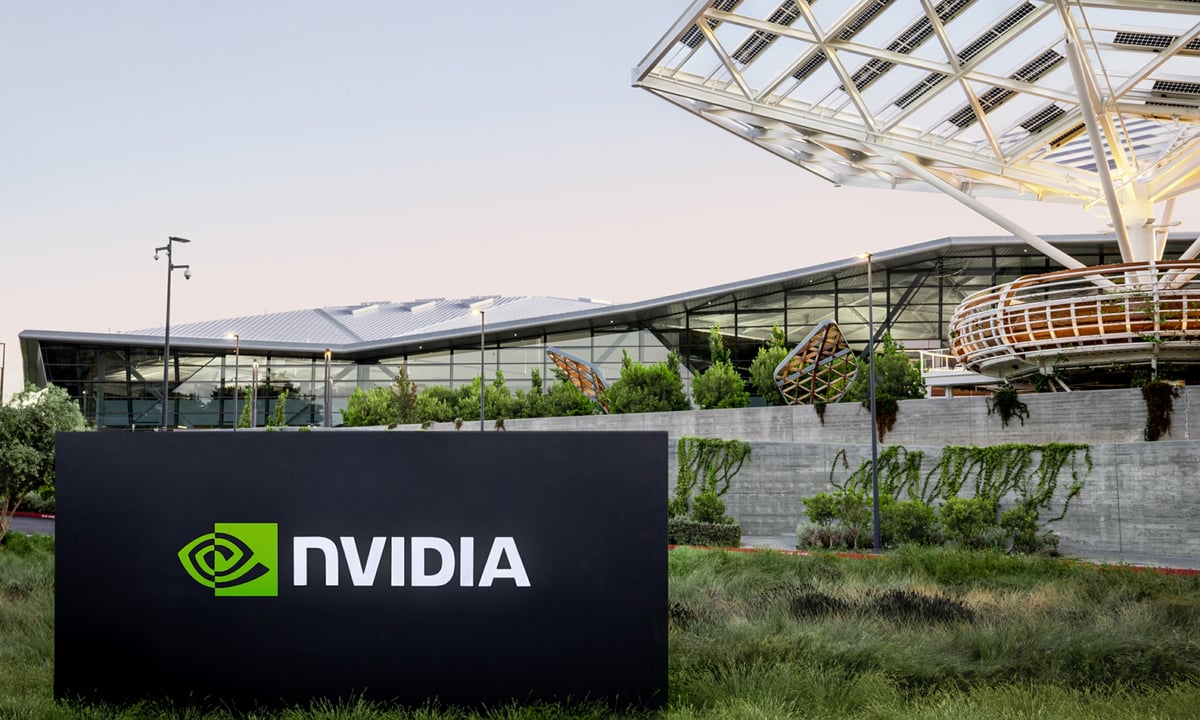
- Quantum Computing Potential: Nvidia is extending its CUDA software platform into quantum toolkits, enabling researchers to run quantum circuit simulations directly on its GPUs, compressing computation times from years to hours, significantly enhancing the feasibility and affordability of quantum experimentation.
- Market Dominance: Currently, Nvidia powers over 90% of the world's AI data centers with its hardware and software, and by controlling both classical computing acceleration and quantum simulation software, it is building an ecosystem that rivals find hard to match, driving industry applications for quantum AI.
- Robust Profit Model: Unlike speculative quantum startups that are burning cash, Nvidia generates billions in annual profits from its data center business, providing strong financial backing for its long-term quantum computing ambitions.
- Optimistic Investment Outlook: While the market still views Nvidia as a hardware vendor, savvy investors recognize that the company is becoming the operating system for the quantum age, allowing investors to leverage a $1,000 investment to benefit from steady data center growth while capturing asymmetric upside as quantum computing matures.
See More

Nvidia Positions Itself in Quantum AI Ecosystem
- Quantum Computing Potential: Nvidia is leveraging its existing hardware and software capabilities to build a quantum AI ecosystem, which is expected to disrupt the capabilities of current supercomputers, thereby unlocking new value growth opportunities for the company.
- Software Platform Expansion: Nvidia's CUDA software platform is being extended into quantum toolkits, enabling researchers to run quantum circuit simulations directly on Nvidia GPUs, significantly reducing simulation times from years to hours and enhancing development efficiency.
- Market Competitive Advantage: Unlike pure-play quantum startups, Nvidia generates billions in annual profits from its data center business, which can fund the long-term development of quantum computing, further solidifying its market leadership position.
- Investor Opportunities: While the market still views Nvidia as a hardware vendor, savvy investors recognize that the company is becoming the operating system for the quantum age, allowing them to capture asymmetric upside while benefiting from steady data center growth.
See More
Analysis of Quantum Computing Investment Prospects
- Technology Comparison: Rigetti Computing utilizes superconducting technology by cooling particles to near absolute zero for computing, while D-Wave Quantum employs quantum annealing, focusing on searching multiple solutions simultaneously; although the latter has limited adaptability for general computing, it excels in specific applications.
- Financial Health Assessment: D-Wave Quantum shows healthier financials with announced early-stage system sales, including a $20 million contract with Florida Atlantic University and a €10 million ($11.5 million) booking in Italy, whereas Rigetti's flagship sale was only $8.4 million, indicating a declining business trend.
- Importance of Partnerships: Rigetti was eliminated in the DARPA contract bid, indicating its technology is lagging behind competitors, while D-Wave has established partnerships with several manufacturing companies, enhancing its market competitiveness and positioning for future growth.
- Investment Recommendation: Despite D-Wave Quantum outperforming Rigetti in various aspects with a final score of 2-1, its strategy of specializing in specific areas is deemed wise, making it the more attractive stock to invest in at this time.
See More

D-Wave Quantum's Market Advantage in Quantum Computing
- Technological Differentiation: D-Wave Quantum utilizes quantum annealing technology, focusing on simultaneously searching for multiple solutions, which, while not suitable for general-purpose computing, shows unique advantages in areas like AI training and logistics networks, thereby securing a leading position in specific markets.
- Financial Performance Comparison: D-Wave Quantum recently announced several early-stage system sales, including a $20 million system to Florida Atlantic University, while Rigetti Computing's flagship system sale was only $8.4 million, highlighting D-Wave's clear advantage in financial growth.
- Partnerships: D-Wave Quantum has established early partnerships with several companies in the manufacturing sector, whereas Rigetti failed to secure the crucial DARPA contract, indicating its technology is lagging behind competitors and potentially affecting its future market position.
- Market Outlook: Although quantum computing may take years to become mainstream, D-Wave Quantum demonstrates stronger market potential by focusing on specific areas and building robust partnerships, attracting investor interest in its long-term growth opportunities.
See More
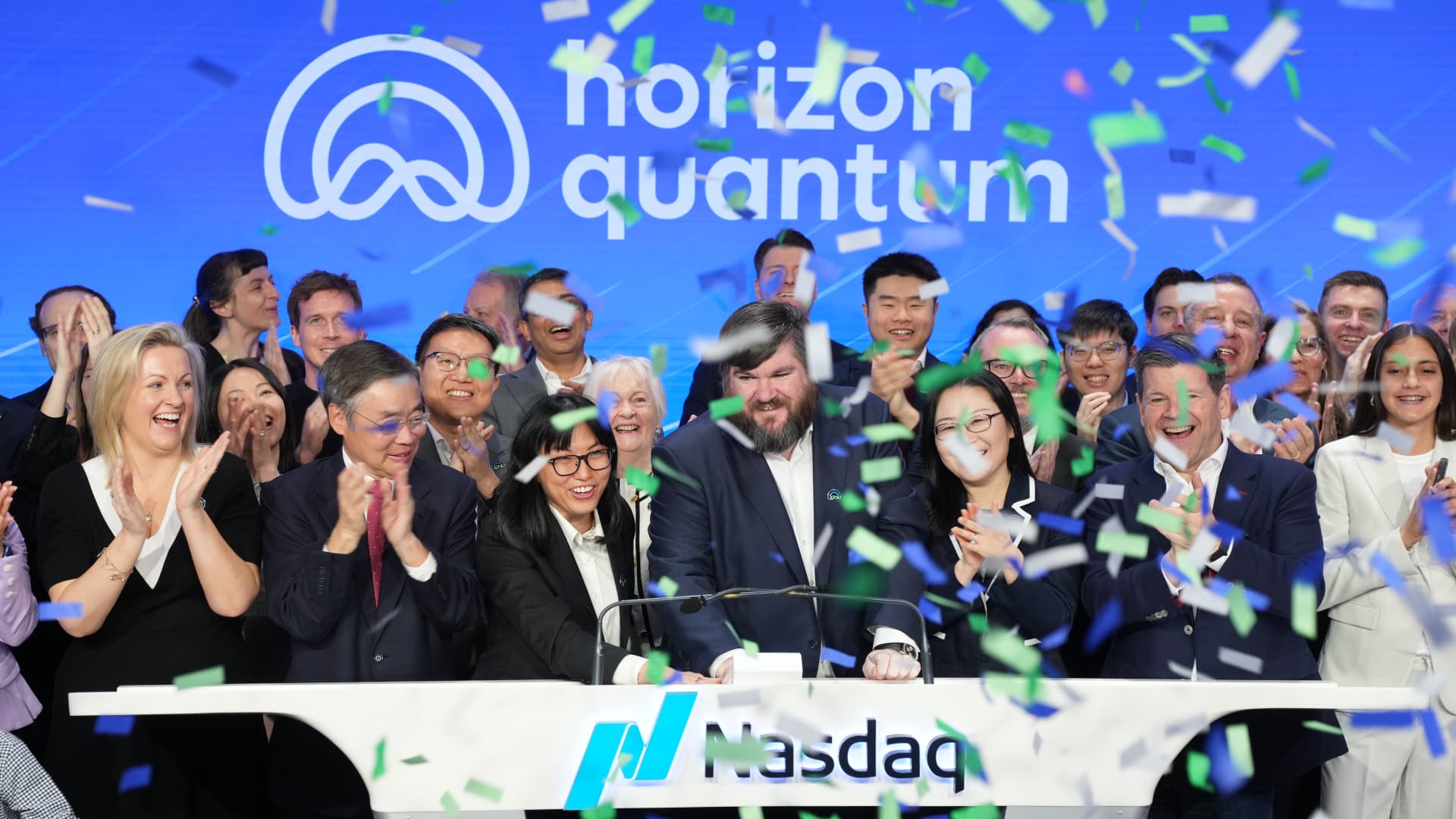
Xanadu Quantum Successfully Goes Public Amid Market Turbulence


- IPO Performance: Xanadu Quantum's shares rose 15% on their debut on Nasdaq and the Toronto Stock Exchange, although they fell over 10% in after-hours trading, indicating a mix of market interest and caution towards quantum computing firms.
- SPAC Merger: Xanadu went public through a merger with the special purpose acquisition company Crane Harbor Acquisition, a method that provides a quicker financing route for quantum startups, reflecting growing market confidence in quantum technology.
- Industry Breakthroughs: Significant advancements in quantum computing over the past 18 months, including improvements in quantum error correction and increased qubit counts, lay the groundwork for commercial applications, with expectations for larger-scale quantum computing capabilities by the mid-2030s.
- Market Potential: The quantum computing market is estimated to be worth between $100 billion and $250 billion, attracting investments from tech giants like Alphabet and Microsoft, indicating a positive long-term outlook from investors in this sector.
See More
Rigetti Sells Novera QPU System to University of Saskatchewan for Quantum Computing
- Quantum System Sale: Rigetti Computing has sold a Novera QPU system to the University of Saskatchewan, which was shipped in March and will serve as the core of the university's first quantum computing system, marking a significant expansion into the educational sector.
- Academic Collaboration Opportunity: By providing access to real quantum computing hardware, the University of Saskatchewan will enable students and researchers to pursue groundbreaking advances in quantum science and technology, thereby enhancing its academic standing in quantum research.
- New Phase of Technological Exploration: Rigetti CEO Subodh Kulkarni stated that the university's selection of the Novera QPU signifies a new phase of exploration and innovation in quantum technology, reflecting confidence and commitment to the future of quantum computing.
- Future Investment Plans: Rigetti plans to invest up to $100 million in the UK to expand its quantum computing capabilities and aims to achieve a target of over 1,000 qubits by the end of 2027, further solidifying its leadership position in the quantum computing market.
See More
Nvidia Positions Itself in Quantum Computing Market
- Quantum Computing Potential: Nvidia is extending its CUDA software platform into quantum toolkits, enabling researchers to run quantum circuit simulations directly on its GPUs, compressing computation times from years to hours, significantly enhancing the feasibility and affordability of quantum experimentation.
- Market Dominance: Currently, Nvidia powers over 90% of the world's AI data centers with its hardware and software, and by controlling both classical computing acceleration and quantum simulation software, it is building an ecosystem that rivals find hard to match, driving industry applications for quantum AI.
- Robust Profit Model: Unlike speculative quantum startups that are burning cash, Nvidia generates billions in annual profits from its data center business, providing strong financial backing for its long-term quantum computing ambitions.
- Optimistic Investment Outlook: While the market still views Nvidia as a hardware vendor, savvy investors recognize that the company is becoming the operating system for the quantum age, allowing investors to leverage a $1,000 investment to benefit from steady data center growth while capturing asymmetric upside as quantum computing matures.
See More
Nvidia Positions Itself in Quantum AI Ecosystem
- Quantum Computing Potential: Nvidia is leveraging its existing hardware and software capabilities to build a quantum AI ecosystem, which is expected to disrupt the capabilities of current supercomputers, thereby unlocking new value growth opportunities for the company.
- Software Platform Expansion: Nvidia's CUDA software platform is being extended into quantum toolkits, enabling researchers to run quantum circuit simulations directly on Nvidia GPUs, significantly reducing simulation times from years to hours and enhancing development efficiency.
- Market Competitive Advantage: Unlike pure-play quantum startups, Nvidia generates billions in annual profits from its data center business, which can fund the long-term development of quantum computing, further solidifying its market leadership position.
- Investor Opportunities: While the market still views Nvidia as a hardware vendor, savvy investors recognize that the company is becoming the operating system for the quantum age, allowing them to capture asymmetric upside while benefiting from steady data center growth.
See More
Analysis of Quantum Computing Investment Prospects
- Technology Comparison: Rigetti Computing utilizes superconducting technology by cooling particles to near absolute zero for computing, while D-Wave Quantum employs quantum annealing, focusing on searching multiple solutions simultaneously; although the latter has limited adaptability for general computing, it excels in specific applications.
- Financial Health Assessment: D-Wave Quantum shows healthier financials with announced early-stage system sales, including a $20 million contract with Florida Atlantic University and a €10 million ($11.5 million) booking in Italy, whereas Rigetti's flagship sale was only $8.4 million, indicating a declining business trend.
- Importance of Partnerships: Rigetti was eliminated in the DARPA contract bid, indicating its technology is lagging behind competitors, while D-Wave has established partnerships with several manufacturing companies, enhancing its market competitiveness and positioning for future growth.
- Investment Recommendation: Despite D-Wave Quantum outperforming Rigetti in various aspects with a final score of 2-1, its strategy of specializing in specific areas is deemed wise, making it the more attractive stock to invest in at this time.
See More
D-Wave Quantum's Market Advantage in Quantum Computing
- Technological Differentiation: D-Wave Quantum utilizes quantum annealing technology, focusing on simultaneously searching for multiple solutions, which, while not suitable for general-purpose computing, shows unique advantages in areas like AI training and logistics networks, thereby securing a leading position in specific markets.
- Financial Performance Comparison: D-Wave Quantum recently announced several early-stage system sales, including a $20 million system to Florida Atlantic University, while Rigetti Computing's flagship system sale was only $8.4 million, highlighting D-Wave's clear advantage in financial growth.
- Partnerships: D-Wave Quantum has established early partnerships with several companies in the manufacturing sector, whereas Rigetti failed to secure the crucial DARPA contract, indicating its technology is lagging behind competitors and potentially affecting its future market position.
- Market Outlook: Although quantum computing may take years to become mainstream, D-Wave Quantum demonstrates stronger market potential by focusing on specific areas and building robust partnerships, attracting investor interest in its long-term growth opportunities.
See More
Xanadu Quantum Successfully Goes Public Amid Market Turbulence
- IPO Performance: Xanadu Quantum's shares rose 15% on their debut on Nasdaq and the Toronto Stock Exchange, although they fell over 10% in after-hours trading, indicating a mix of market interest and caution towards quantum computing firms.
- SPAC Merger: Xanadu went public through a merger with the special purpose acquisition company Crane Harbor Acquisition, a method that provides a quicker financing route for quantum startups, reflecting growing market confidence in quantum technology.
- Industry Breakthroughs: Significant advancements in quantum computing over the past 18 months, including improvements in quantum error correction and increased qubit counts, lay the groundwork for commercial applications, with expectations for larger-scale quantum computing capabilities by the mid-2030s.
- Market Potential: The quantum computing market is estimated to be worth between $100 billion and $250 billion, attracting investments from tech giants like Alphabet and Microsoft, indicating a positive long-term outlook from investors in this sector.
See More