

RH Defies 50-Year Housing Slump: What's Driving Its Growth?
Written by Emily J. Thompson, Senior Investment Analyst
Updated: Jul 25 2025
0mins

Source: NASDAQ.COM
Strong Performance Amid Challenges: RH reported a 12% revenue growth in Q1 2025, achieving $814 million despite a struggling housing market, with strategic global expansion and luxury experiences driving this success.
Comparative Market Position: While competitors like Williams-Sonoma and Arhaus face challenges, RH's focus on upscale design, experiential selling, and international growth positions it favorably for future gains as the housing market potentially recovers.
Trade with 70% Backtested Accuracy
Stop guessing "Should I Buy RH?" and start using high-conviction signals backed by rigorous historical data.
Sign up today to access powerful investing tools and make smarter, data-driven decisions.
Analyst Views on RH
Wall Street analysts forecast RH stock price to rise
13 Analyst Rating
5 Buy
6 Hold
2 Sell
Hold
Current: 169.000

Low
144.00
Averages
214.00
High
283.00
Current: 169.000
Low
144.00
Averages
214.00
High
283.00
About RH
RH is a retailer and luxury lifestyle brand operating primarily in the home furnishings market. The Company's fully integrated assortments are presented across sales channels, including retail locations, websites and Sourcebooks. It offers merchandise assortments across categories, including furniture, lighting, textiles, bath ware, decor, outdoor and garden, and baby, child and teen furnishings. Its segments include RH Segment, Waterworks and Real Estate. The RH Segment and Waterworks segments include all sales channels accessed by customers, including sales through retail locations and outlets, including hospitality, websites, Sourcebooks, trade and contract channels. The Real Estate segment represents operations associated with equity method investments and consolidated variable interest entities (VIEs) that have operations not directly related to the activities of the retail operating segments.
About the author

Emily J. Thompson
Emily J. Thompson, a Chartered Financial Analyst (CFA) with 12 years in investment research, graduated with honors from the Wharton School. Specializing in industrial and technology stocks, she provides in-depth analysis for Intellectia’s earnings and market brief reports.
RH Opens New Gallery in London’s Mayfair
- New Store Opening: RH has launched a new Gallery in London’s Mayfair, showcasing five levels of architecture, design, food, and wine, marking a significant expansion in the global luxury market.
- Design Philosophy: The building, designed by renowned architect Giacomo Leoni, reflects three centuries of London’s architectural and cultural heritage, enhancing RH's brand image in the high-end market.
- Strategic Location: Situated between the fashion houses of New Bond Street and the bespoke tailors of Savile Row, the new store is positioned at the global epicenter of luxury and design, attracting affluent consumers.
- Global Business Strategy: Operating across the United States, Canada, the United Kingdom, and Europe, RH offers a diverse range of luxury collections, further solidifying its role as a global curator in the luxury lifestyle market.
See More
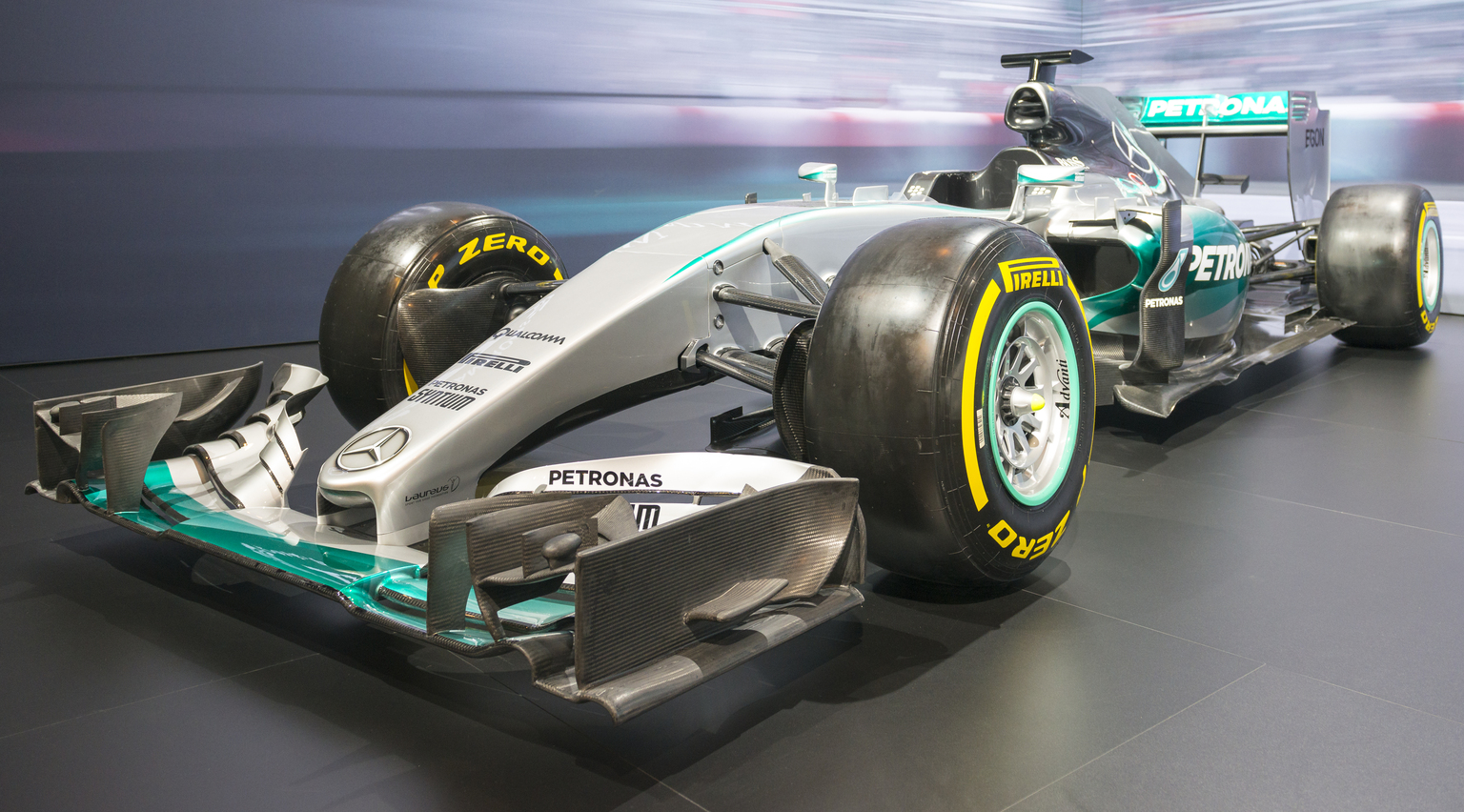
RH Selected for Mercedes-AMG F1 Hospitality Design
- Project Launch: RH has been selected to design hospitality environments for the Mercedes-AMG F1 team, with implementations expected to begin in late 2026, marking a significant expansion into the high-end market for RH.
- Broad Design Scope: The project will encompass trackside destinations, hospitality venues, clubs, and the F1 team's executive headquarters in the UK, highlighting RH's pivotal role in global motorsport culture.
- Financial Terms Undisclosed: While the financial details of the collaboration remain undisclosed, RH's involvement is likely to enhance its brand value and attract more high-end clientele.
- Positive Market Reaction: RH shares have risen due to insider purchases, reflecting market confidence in the company's future growth potential, particularly in the upscale design sector.
See More
RH Partners with Mercedes-AMG PETRONAS F1 Team for Global Design
- Global Design Collaboration: RH has entered a multi-year partnership with the Mercedes-AMG PETRONAS F1 Team to reimagine hospitality environments starting in late 2026, with Abu Dhabi as the first location, followed by Miami, Monaco, and Silverstone, aimed at enhancing partner and guest experiences.
- Design Integration: By applying its distinctive design perspective to F1 events, RH will create seamless indoor-outdoor spaces that elevate brand image and attract high-end clientele, further solidifying RH's leadership in the luxury market.
- Industry Impact: As one of the largest residential design firms globally, RH's design philosophy will introduce unprecedented immersive experiences to F1, enhancing the brand value of the events and attracting more sponsors and audiences.
- Vision for Excellence: RH Founder Gary Friedman emphasized that this collaboration with Mercedes-AMG will accelerate innovation and elevate excellence standards in both fields, showcasing the perfect blend of design and racing, and driving future market growth.
See More

Insider Buying at RH and GitLab by Executives

- RH Executive Purchase: Carlos Alberini bought 11,388 shares of RH on Monday at $160.90 each, totaling $1.83 million, with a current gain of 6.9% based on a trading high of $172.00, indicating strong short-term profit potential.
- Positive Market Performance: RH's stock rose approximately 3.4% on Thursday, reflecting optimistic market sentiment towards the company's outlook, which may attract further capital inflows.
- GitLab CEO Purchase: William Staples purchased 4,188 shares of GitLab on Tuesday at $29.36 each, totaling $122,960, demonstrating his confidence in the company's future growth prospects.
- Historical Investment Returns: Staples has invested a total of $253,092 in GitLab over the past year at an average price of $27.26 per share, currently realizing a gain of about 10.5%, showcasing the effectiveness of his investment strategy.
See More
RH Insider Share Purchase Boosts Stock Price
- Insider Share Purchase: RH director Carlos Alberini purchased 11,388 shares on June 29 in three transactions at an average price of $160.13 per share, increasing his total holdings to 32,190 shares, indicating confidence in the company's future.
- Positive Stock Reaction: Following this news, RH's stock rose by 3% in Thursday's premarket trading, reflecting a positive market interpretation of insider buying, which may bolster investor confidence.
- Optimistic Financial Outlook: RH raised its FY2026 revenue growth outlook to between 4.5% and 8%, with projected free cash flow of $300 million to $400 million, indicating positive momentum in the rollout of RH Estates.
- Market Dynamics Analysis: Despite challenges of declining sales and widening losses, Alberini's share purchase may alleviate some negative sentiment in the market towards RH, enhancing its competitiveness in the consumer discretionary sector.
See More
Analysis of Short Interest in Consumer Discretionary Stocks
- Concentration of Short Interest: As of the end of June, furniture retailer RH led the consumer discretionary sector with a short interest of 28.02%, indicating market pessimism about its future performance, which could impact its stock price stability.
- Low Short Interest: MINISO Group's short interest stood at just 0.70%, ranking among the lowest in the consumer sector, suggesting a positive market outlook for its growth and potentially attracting more investor interest.
- Sector Performance Discrepancy: The Consumer Discretionary Select Sector SPDR Fund (XLY) has declined by 1.39% year-to-date, contrasting sharply with the S&P 500's 9.6% rise, highlighting the challenges faced by the consumer sector compared to the overall market strength.
- Short Positioning Trends: While companies like RH and Kohl's exhibit high short interest, larger firms such as Amazon maintain a low short interest of 0.92%, reflecting stronger market confidence in large-cap companies, which may influence investor strategy decisions.
See More
RH Opens New Gallery in London’s Mayfair
- New Store Opening: RH has launched a new Gallery in London’s Mayfair, showcasing five levels of architecture, design, food, and wine, marking a significant expansion in the global luxury market.
- Design Philosophy: The building, designed by renowned architect Giacomo Leoni, reflects three centuries of London’s architectural and cultural heritage, enhancing RH's brand image in the high-end market.
- Strategic Location: Situated between the fashion houses of New Bond Street and the bespoke tailors of Savile Row, the new store is positioned at the global epicenter of luxury and design, attracting affluent consumers.
- Global Business Strategy: Operating across the United States, Canada, the United Kingdom, and Europe, RH offers a diverse range of luxury collections, further solidifying its role as a global curator in the luxury lifestyle market.
See More
RH Selected for Mercedes-AMG F1 Hospitality Design
- Project Launch: RH has been selected to design hospitality environments for the Mercedes-AMG F1 team, with implementations expected to begin in late 2026, marking a significant expansion into the high-end market for RH.
- Broad Design Scope: The project will encompass trackside destinations, hospitality venues, clubs, and the F1 team's executive headquarters in the UK, highlighting RH's pivotal role in global motorsport culture.
- Financial Terms Undisclosed: While the financial details of the collaboration remain undisclosed, RH's involvement is likely to enhance its brand value and attract more high-end clientele.
- Positive Market Reaction: RH shares have risen due to insider purchases, reflecting market confidence in the company's future growth potential, particularly in the upscale design sector.
See More
RH Partners with Mercedes-AMG PETRONAS F1 Team for Global Design
- Global Design Collaboration: RH has entered a multi-year partnership with the Mercedes-AMG PETRONAS F1 Team to reimagine hospitality environments starting in late 2026, with Abu Dhabi as the first location, followed by Miami, Monaco, and Silverstone, aimed at enhancing partner and guest experiences.
- Design Integration: By applying its distinctive design perspective to F1 events, RH will create seamless indoor-outdoor spaces that elevate brand image and attract high-end clientele, further solidifying RH's leadership in the luxury market.
- Industry Impact: As one of the largest residential design firms globally, RH's design philosophy will introduce unprecedented immersive experiences to F1, enhancing the brand value of the events and attracting more sponsors and audiences.
- Vision for Excellence: RH Founder Gary Friedman emphasized that this collaboration with Mercedes-AMG will accelerate innovation and elevate excellence standards in both fields, showcasing the perfect blend of design and racing, and driving future market growth.
See More
Insider Buying at RH and GitLab by Executives
- RH Executive Purchase: Carlos Alberini bought 11,388 shares of RH on Monday at $160.90 each, totaling $1.83 million, with a current gain of 6.9% based on a trading high of $172.00, indicating strong short-term profit potential.
- Positive Market Performance: RH's stock rose approximately 3.4% on Thursday, reflecting optimistic market sentiment towards the company's outlook, which may attract further capital inflows.
- GitLab CEO Purchase: William Staples purchased 4,188 shares of GitLab on Tuesday at $29.36 each, totaling $122,960, demonstrating his confidence in the company's future growth prospects.
- Historical Investment Returns: Staples has invested a total of $253,092 in GitLab over the past year at an average price of $27.26 per share, currently realizing a gain of about 10.5%, showcasing the effectiveness of his investment strategy.
See More
RH Insider Share Purchase Boosts Stock Price
- Insider Share Purchase: RH director Carlos Alberini purchased 11,388 shares on June 29 in three transactions at an average price of $160.13 per share, increasing his total holdings to 32,190 shares, indicating confidence in the company's future.
- Positive Stock Reaction: Following this news, RH's stock rose by 3% in Thursday's premarket trading, reflecting a positive market interpretation of insider buying, which may bolster investor confidence.
- Optimistic Financial Outlook: RH raised its FY2026 revenue growth outlook to between 4.5% and 8%, with projected free cash flow of $300 million to $400 million, indicating positive momentum in the rollout of RH Estates.
- Market Dynamics Analysis: Despite challenges of declining sales and widening losses, Alberini's share purchase may alleviate some negative sentiment in the market towards RH, enhancing its competitiveness in the consumer discretionary sector.
See More
Analysis of Short Interest in Consumer Discretionary Stocks
- Concentration of Short Interest: As of the end of June, furniture retailer RH led the consumer discretionary sector with a short interest of 28.02%, indicating market pessimism about its future performance, which could impact its stock price stability.
- Low Short Interest: MINISO Group's short interest stood at just 0.70%, ranking among the lowest in the consumer sector, suggesting a positive market outlook for its growth and potentially attracting more investor interest.
- Sector Performance Discrepancy: The Consumer Discretionary Select Sector SPDR Fund (XLY) has declined by 1.39% year-to-date, contrasting sharply with the S&P 500's 9.6% rise, highlighting the challenges faced by the consumer sector compared to the overall market strength.
- Short Positioning Trends: While companies like RH and Kohl's exhibit high short interest, larger firms such as Amazon maintain a low short interest of 0.92%, reflecting stronger market confidence in large-cap companies, which may influence investor strategy decisions.
See More





