Middle East Conflict Impacts Shell and BP Outlook
Written by Emily J. Thompson, Senior Investment Analyst
Updated: 44 minutes ago
0mins

Source: Fool
- Middle East Conflict Impact: Shell and BP derive 20% and 22% of their production from the Middle East, respectively, with Shell's assets suffering damage due to the conflict; while rising oil prices are beneficial, operational disruptions may affect future earnings.
- Financial Health Comparison: Shell's debt-to-equity ratio stands at 0.4, significantly lower than BP's 1.3, indicating that Shell possesses greater financial resilience against geopolitical risks, making it a more attractive long-term investment.
- Stock Market Performance Discrepancy: Despite BP's stock rising 22% in 2026 compared to Shell's 15%, BP's high leverage and frequent management changes suggest that the market may not fully recognize Shell's financial advantages.
- Investment Recommendation: For investors looking to avoid Middle Eastern risks, Devon Energy and Enterprise Products Partners present safer alternatives, as they are unaffected by regional conflicts and Enterprise's revenue model is not driven by oil price fluctuations.
Trade with 70% Backtested Accuracy
Stop guessing "Should I Buy BP?" and start using high-conviction signals backed by rigorous historical data.
Sign up today to access powerful investing tools and make smarter, data-driven decisions.
Analyst Views on BP
Wall Street analysts forecast BP stock price to rise
11 Analyst Rating
5 Buy
5 Hold
1 Sell
Moderate Buy
Current: 42.650

Low
6.38
Averages
84.26
High
503.69
Current: 42.650
Low
6.38
Averages
84.26
High
503.69
About BP
BP p.l.c. is a United Kingdom-based integrated energy company. Its segments include Gas & low carbon energy, Oil production & operations, Customers & products, and Other businesses & corporate. The gas & low carbon energy comprises regions with upstream businesses that predominantly produce natural gas, gas marketing and trading activities and its solar, wind and hydrogen businesses. The oil production & operations segment comprises regions with upstream activities that predominantly produce crude oil, including bpx energy. The customers & products segment comprises its customer-focused businesses, which include convenience and retail fuels, electric vehicle (EV) charging, as well as Castrol, aviation and business-to-business (B2B) and midstream. It also includes its products businesses, refining and oil trading, as well as its bioenergy businesses. The other businesses and corporate also comprises the Company's shipping and treasury functions, and corporate activities worldwide.
About the author

Emily J. Thompson
Emily J. Thompson, a Chartered Financial Analyst (CFA) with 12 years in investment research, graduated with honors from the Wharton School. Specializing in industrial and technology stocks, she provides in-depth analysis for Intellectia’s earnings and market brief reports.

BP Board Unanimously Removes Chairman Albert Manifold Amid Governance Issues
- Board Decision: On March 15, 2025, BP's board unanimously decided to remove Chairman Albert Manifold immediately due to governance oversight and conduct issues, demonstrating the company's commitment to governance and zero tolerance for misconduct.
- Stock Price Reaction: Following the announcement, BP's London-listed shares fell as much as 9%, ultimately closing down over 5.4%, reflecting market concerns regarding governance issues and their potential impact on shareholder value.
- Interim Chair Appointment: BP appointed Ian Tyler as interim chair immediately and announced the initiation of a succession process for a permanent chair, indicating swift action to restore investor confidence amid the governance crisis.
- Firm Strategic Direction: Tyler emphasized the board and leadership team's strong conviction in the company's strategic direction, stating that BP will continue to focus on robust operational performance and financial discipline to enhance shareholder value and returns.
See More
Middle East Conflict Impacts Shell and BP Outlook

- Middle East Conflict Impact: Shell and BP derive 20% and 22% of their production from the Middle East, respectively, with Shell's assets suffering damage due to the conflict; while rising oil prices are beneficial, operational disruptions may affect future earnings.
- Financial Health Comparison: Shell's debt-to-equity ratio stands at 0.4, significantly lower than BP's 1.3, indicating that Shell possesses greater financial resilience against geopolitical risks, making it a more attractive long-term investment.
- Stock Market Performance Discrepancy: Despite BP's stock rising 22% in 2026 compared to Shell's 15%, BP's high leverage and frequent management changes suggest that the market may not fully recognize Shell's financial advantages.
- Investment Recommendation: For investors looking to avoid Middle Eastern risks, Devon Energy and Enterprise Products Partners present safer alternatives, as they are unaffected by regional conflicts and Enterprise's revenue model is not driven by oil price fluctuations.
See More

Middle East Conflict Disrupts Energy Market
- Market Volatility Impact: The geopolitical conflict in the Middle East has disrupted the global energy market, affecting operations for Shell and BP, with approximately 22% of BP's production and 20% of Shell's production exposed to the region, increasing risks despite rising oil prices.
- Financial Health Comparison: BP's debt-to-equity ratio stands at a concerning 1.3x, significantly higher than its peers, while Shell maintains a more robust ratio of 0.4x, indicating Shell's stronger financial position and better resilience amid the conflict.
- Stock Performance Discrepancy: Although BP's stock has risen by 22% in 2026, compared to Shell's 15%, Shell's financial strength suggests it could close the performance gap in the future, especially as market volatility increases.
- Investment Recommendations: For investors looking to avoid Middle Eastern risks, Devon Energy and Enterprise Products Partners present safer alternatives, as they are unaffected by the regional conflict and Enterprise's business model is not driven by energy price fluctuations.
See More
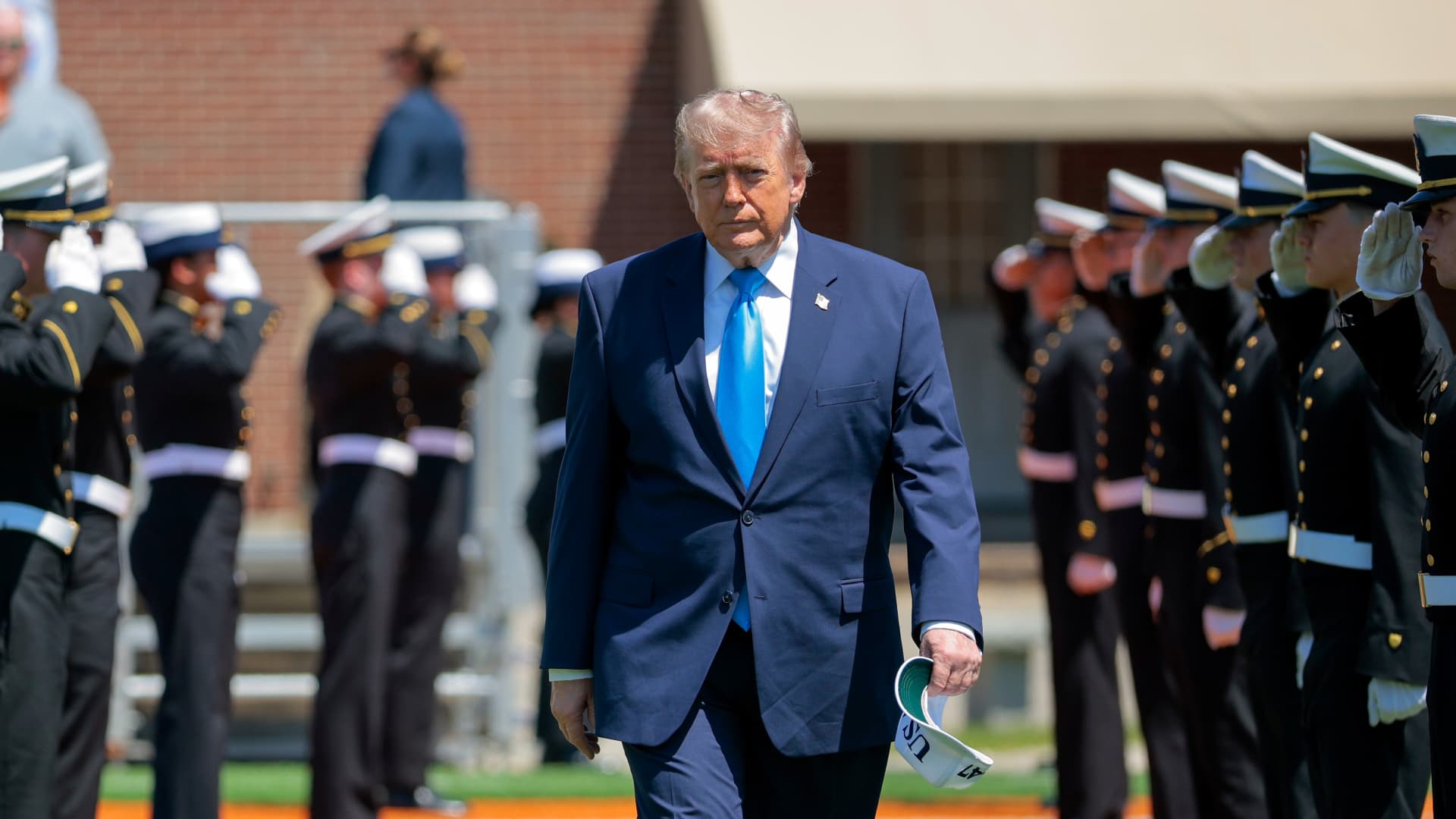
U.S.-Iran Negotiation Fluctuations Impact Markets


- Oil Price Plunge: Oil prices dropped over 5% on Wednesday after Secretary of State Marco Rubio indicated that Washington was giving Iran talks 'every chance to succeed,' reflecting market sensitivity to diplomatic efforts and potentially impacting energy sector profitability.
- Escalation of Military Actions: New U.S. airstrikes in Iran targeted a military site deemed a threat to U.S. forces and commercial maritime traffic, adding uncertainty to the ongoing diplomatic negotiations and prompting investors to reassess risk levels in the market.
- Strong Tech Stock Performance: Shares of cloud-based AI and data platform company Snowflake surged 36% following a strong earnings report and a $6 billion investment plan in Amazon Web Services, showcasing investment enthusiasm and market confidence in the tech sector amid rising AI demand.
- Inflation Data Focus: Investors are closely watching the upcoming April inflation reading, which is expected to influence the Fed's future rate decisions, as Minneapolis Fed President Neel Kashkari emphasized that lowering inflation remains a top priority, indicating market sensitivity to economic policy.
See More

Former BP Chairman Dismissed Over Governance Issues

- Chairman Dismissal: BP's board announced the removal of Albert Manifold due to 'serious concerns' regarding governance standards and conduct, with his tenure lasting only seven months, highlighting vulnerabilities in the company's governance structure.
- Governance Issues Exposed: Allegations of aggressive behavior towards colleagues during Manifold's tenure have surfaced, raising significant questions about BP's corporate governance, which could potentially undermine investor confidence moving forward.
- Stock Price Reaction: Following the dismissal announcement, BP's London-listed shares fell by 1.7% on Wednesday morning, reflecting market concerns over governance issues that may negatively impact future performance.
- Manifold's Response: In his statement, Manifold denied the allegations against his conduct and emphasized his commitment to driving change at BP, indicating that the divergence with the board could lead to internal instability within the company.
See More
BP Chairman Albert Manifold Ousted Over Governance Issues
- Surprise Dismissal: BP Plc unexpectedly fired Chairman Albert Manifold on Tuesday, citing “serious concerns” regarding governance standards, oversight, and conduct, resulting in a 4% drop in share price, indicating a loss of market confidence in the company's governance.
- Allegations of Misconduct: Sources close to BP reported complaints about Manifold's aggressive behavior towards employees and mishandling of sensitive information, as well as attempts to bypass the board on decisions, which directly impacted the company's internal management and decision-making processes.
- Manifold's Rebuttal: In an emailed statement, Manifold claimed he was removed without warning or explanation and strongly disputed the characterization of his conduct, indicating he would not allow this “false narrative” to go unchallenged, potentially leading to further internal disputes within the company.
- Market Reaction Analysis: The dismissal has raised concerns about BP's future governance structure, with analysts suggesting that while the stock may face short-term pressure, the increased governance risks could present opportunities for a turnaround, leading to an optimistic outlook for BP's potential rebound.
See More
BP Board Unanimously Removes Chairman Albert Manifold Amid Governance Issues
- Board Decision: On March 15, 2025, BP's board unanimously decided to remove Chairman Albert Manifold immediately due to governance oversight and conduct issues, demonstrating the company's commitment to governance and zero tolerance for misconduct.
- Stock Price Reaction: Following the announcement, BP's London-listed shares fell as much as 9%, ultimately closing down over 5.4%, reflecting market concerns regarding governance issues and their potential impact on shareholder value.
- Interim Chair Appointment: BP appointed Ian Tyler as interim chair immediately and announced the initiation of a succession process for a permanent chair, indicating swift action to restore investor confidence amid the governance crisis.
- Firm Strategic Direction: Tyler emphasized the board and leadership team's strong conviction in the company's strategic direction, stating that BP will continue to focus on robust operational performance and financial discipline to enhance shareholder value and returns.
See More
Middle East Conflict Impacts Shell and BP Outlook
- Middle East Conflict Impact: Shell and BP derive 20% and 22% of their production from the Middle East, respectively, with Shell's assets suffering damage due to the conflict; while rising oil prices are beneficial, operational disruptions may affect future earnings.
- Financial Health Comparison: Shell's debt-to-equity ratio stands at 0.4, significantly lower than BP's 1.3, indicating that Shell possesses greater financial resilience against geopolitical risks, making it a more attractive long-term investment.
- Stock Market Performance Discrepancy: Despite BP's stock rising 22% in 2026 compared to Shell's 15%, BP's high leverage and frequent management changes suggest that the market may not fully recognize Shell's financial advantages.
- Investment Recommendation: For investors looking to avoid Middle Eastern risks, Devon Energy and Enterprise Products Partners present safer alternatives, as they are unaffected by regional conflicts and Enterprise's revenue model is not driven by oil price fluctuations.
See More
Middle East Conflict Disrupts Energy Market
- Market Volatility Impact: The geopolitical conflict in the Middle East has disrupted the global energy market, affecting operations for Shell and BP, with approximately 22% of BP's production and 20% of Shell's production exposed to the region, increasing risks despite rising oil prices.
- Financial Health Comparison: BP's debt-to-equity ratio stands at a concerning 1.3x, significantly higher than its peers, while Shell maintains a more robust ratio of 0.4x, indicating Shell's stronger financial position and better resilience amid the conflict.
- Stock Performance Discrepancy: Although BP's stock has risen by 22% in 2026, compared to Shell's 15%, Shell's financial strength suggests it could close the performance gap in the future, especially as market volatility increases.
- Investment Recommendations: For investors looking to avoid Middle Eastern risks, Devon Energy and Enterprise Products Partners present safer alternatives, as they are unaffected by the regional conflict and Enterprise's business model is not driven by energy price fluctuations.
See More
U.S.-Iran Negotiation Fluctuations Impact Markets
- Oil Price Plunge: Oil prices dropped over 5% on Wednesday after Secretary of State Marco Rubio indicated that Washington was giving Iran talks 'every chance to succeed,' reflecting market sensitivity to diplomatic efforts and potentially impacting energy sector profitability.
- Escalation of Military Actions: New U.S. airstrikes in Iran targeted a military site deemed a threat to U.S. forces and commercial maritime traffic, adding uncertainty to the ongoing diplomatic negotiations and prompting investors to reassess risk levels in the market.
- Strong Tech Stock Performance: Shares of cloud-based AI and data platform company Snowflake surged 36% following a strong earnings report and a $6 billion investment plan in Amazon Web Services, showcasing investment enthusiasm and market confidence in the tech sector amid rising AI demand.
- Inflation Data Focus: Investors are closely watching the upcoming April inflation reading, which is expected to influence the Fed's future rate decisions, as Minneapolis Fed President Neel Kashkari emphasized that lowering inflation remains a top priority, indicating market sensitivity to economic policy.
See More
Former BP Chairman Dismissed Over Governance Issues
- Chairman Dismissal: BP's board announced the removal of Albert Manifold due to 'serious concerns' regarding governance standards and conduct, with his tenure lasting only seven months, highlighting vulnerabilities in the company's governance structure.
- Governance Issues Exposed: Allegations of aggressive behavior towards colleagues during Manifold's tenure have surfaced, raising significant questions about BP's corporate governance, which could potentially undermine investor confidence moving forward.
- Stock Price Reaction: Following the dismissal announcement, BP's London-listed shares fell by 1.7% on Wednesday morning, reflecting market concerns over governance issues that may negatively impact future performance.
- Manifold's Response: In his statement, Manifold denied the allegations against his conduct and emphasized his commitment to driving change at BP, indicating that the divergence with the board could lead to internal instability within the company.
See More
BP Chairman Albert Manifold Ousted Over Governance Issues
- Surprise Dismissal: BP Plc unexpectedly fired Chairman Albert Manifold on Tuesday, citing “serious concerns” regarding governance standards, oversight, and conduct, resulting in a 4% drop in share price, indicating a loss of market confidence in the company's governance.
- Allegations of Misconduct: Sources close to BP reported complaints about Manifold's aggressive behavior towards employees and mishandling of sensitive information, as well as attempts to bypass the board on decisions, which directly impacted the company's internal management and decision-making processes.
- Manifold's Rebuttal: In an emailed statement, Manifold claimed he was removed without warning or explanation and strongly disputed the characterization of his conduct, indicating he would not allow this “false narrative” to go unchallenged, potentially leading to further internal disputes within the company.
- Market Reaction Analysis: The dismissal has raised concerns about BP's future governance structure, with analysts suggesting that while the stock may face short-term pressure, the increased governance risks could present opportunities for a turnaround, leading to an optimistic outlook for BP's potential rebound.
See More