Recommended Resilient Stocks Amid Market Turbulence
Written by Emily J. Thompson, Senior Investment Analyst
Updated: 3 days ago
0mins


Source: Fool
- Costco's Stability: Costco (COST) currently has a dividend yield of 0.6% and a high P/E ratio of 53, yet its consistent dividend increases over 22 years and a 400-bagger growth since its IPO indicate strong capital appreciation potential, making it attractive amid economic uncertainty.
- Realty Income's Advantage: Realty Income (O), one of the largest REITs in the U.S., offers a 5.2% dividend yield and employs a triple net lease structure that ensures tenants cover property taxes and maintenance, showcasing stable cash flow and high occupancy rates during economic fluctuations.
- Coca-Cola's Resilience: Coca-Cola (KO) boasts a 2.6% dividend yield and a record of 64 consecutive years of dividend increases, demonstrating its resilience in downturns, while maintaining a net margin of 27.8%, indicating efficiency in its operations despite low-margin logistics.
- Portfolio Diversification: In the current global economic climate, considering investments in Costco, Realty Income, and Coca-Cola can provide not only stable dividends but also strong survival capabilities during market turbulence, making them suitable for investors seeking safe investments.
Trade with 70% Backtested Accuracy
Stop guessing "Should I Buy COST?" and start using high-conviction signals backed by rigorous historical data.
Sign up today to access powerful investing tools and make smarter, data-driven decisions.
Analyst Views on COST
Wall Street analysts forecast COST stock price to rise
24 Analyst Rating
19 Buy
4 Hold
1 Sell
Strong Buy
Current: 995.200

Low
769.00
Averages
1061
High
1205
Current: 995.200
Low
769.00
Averages
1061
High
1205
About COST
Costco Wholesale Corporation (Costco) operates membership warehouses and e-commerce sites that offer a selection of nationally branded and private-label products in a wide range of categories. The Company buys the majority of its merchandise directly from suppliers and route it to cross-docking consolidation points (depots) or directly to its warehouses. It operates 891 warehouses, including 614 in the United States and Puerto Rico, 108 in Canada, 40 in Mexico, 35 in Japan, 29 in the United Kingdom, 19 in Korea, 15 in Australia, 14 in Taiwan, seven in China, five in Spain, two in France, and one each in Iceland, New Zealand and Sweden. It also operates e-commerce sites in the United States, Canada, the United Kingdom, Mexico, Korea, Taiwan, Japan and Australia. The Company provides wide selection of merchandise, plus the convenience of specialty departments and exclusive member services.
About the author

Emily J. Thompson
Emily J. Thompson, a Chartered Financial Analyst (CFA) with 12 years in investment research, graduated with honors from the Wharton School. Specializing in industrial and technology stocks, she provides in-depth analysis for Intellectia’s earnings and market brief reports.
Costco Reports Record Fuel Sales Amid High Oil Prices
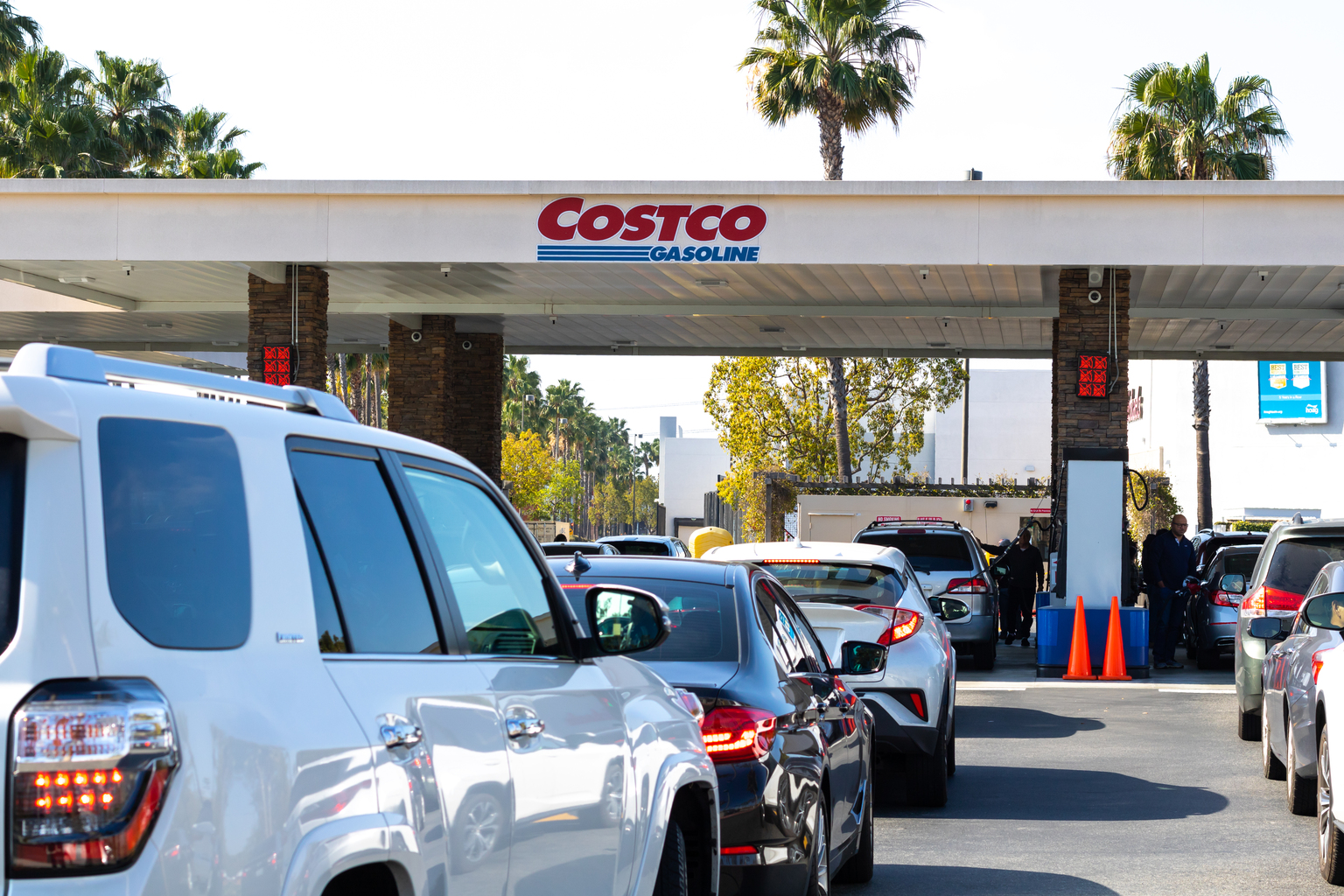
- Record Fuel Sales: Costco achieved record fuel sales volumes in Q3, with all three four-week fiscal periods setting new all-time company sales records, indicating strong consumer demand for lower gas prices amid high oil costs.
- Increased Member Loyalty: The high price sensitivity led many members to use Costco's gas stations for the first time in Q3, which not only boosted sales but is expected to enhance member loyalty in the future.
- Sales Growth Exceeds Expectations: Costco reported a Q3 comparable sales growth of 9.8%, significantly above the consensus estimate of 7.8%, with gas price inflation contributing approximately 2.2% to this growth.
- Competitive Pricing Advantage: By widening price gaps, Costco ensures attractive pricing for members, reflecting the increased share of gas spending in total member expenditures due to rising prices, thereby reinforcing its market position.
See More

Iran War Drives Nearly $450 Increase in U.S. Household Energy Costs

- Increased Household Energy Costs: Moody's analysis reveals that the Iran War has led to an average increase of $447.19 in energy costs per U.S. household, cumulatively costing nearly $60 billion, highlighting the escalating economic strain on consumers.
- Surging Fuel Prices: Gasoline prices have surged over 47% since March, reaching approximately $4.39 per gallon, significantly increasing household fuel expenses, particularly impacting lower-income households that allocate a larger portion of their budgets to energy.
- Changing Spending Patterns: While consumer spending rose by 0.5% from March to April, personal income growth remained flat, and the personal savings rate fell to 2.6%, indicating that households are increasingly relying on credit and savings to sustain their spending habits.
- Future Economic Risks: Moody's chief economist warns that if the war continues, consumers will have to adopt more cautious spending behaviors, which could further threaten the already soft economic growth trajectory.
See More
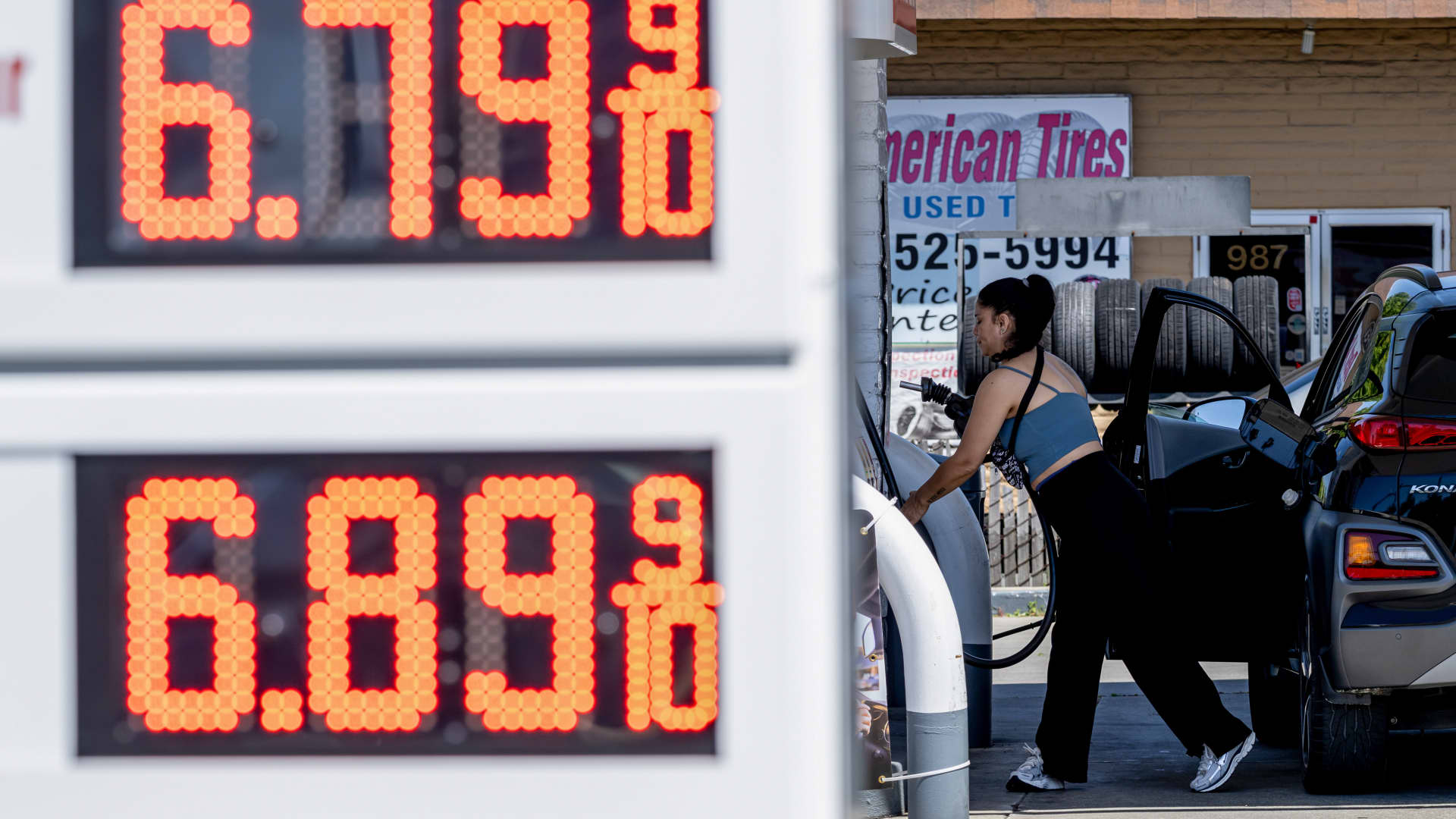
Rising Energy Costs Impact Consumer Spending
- Increased Household Spending: Since the onset of the Iran War, the average American household has spent an additional $447.19 on energy costs, cumulatively costing nearly $60 billion, indicating heightened financial pressure on consumers that may lead to more cautious spending and impact economic growth.
- Surging Fuel Prices: Gasoline prices have surged over 47% since March, now averaging $4.39 per gallon, while diesel has risen to $5.52 per gallon, resulting in over $20 billion in additional consumer expenses, further straining household budgets.
- Declining Consumer Confidence: Although consumer spending rose by 0.5% from March to April, stagnant income growth and a personal savings rate that fell to 2.6% suggest that consumers are increasingly relying on credit and savings to maintain spending levels amid inflationary pressures.
- Pessimistic Future Outlook: Goldman Sachs anticipates that rising energy prices will continue to erode consumer purchasing power, particularly affecting lower-income households, which may lead to a further contraction in spending patterns and increase the risk of economic slowdown.
See More
Costco's Membership Growth Slows Amid Strong Sales
- Membership Growth Slowdown: Truist highlighted Costco's slowing membership growth, noting that while renewal rates stabilized at 89.7% globally and 92.2% in the U.S./Canada, new member additions of 800,000 fell short of the long-term average of 1.1 million, indicating potential market pressures.
- Stable Sales Performance: Despite the slowdown in membership growth, Costco continues to deliver mid-single digit comparable sales growth at a $300 billion annualized run rate, demonstrating resilience and sustained appeal in the retail market.
- Analyst Rating Changes: BofA raised Costco's price target from $1,185 to $1,200 while maintaining a 'Buy' rating, whereas Roth Capital increased its target from $769 to $781 but kept a 'Sell' rating, reflecting divergent market views on the company's future performance.
- Earnings Report Analysis: Costco reported third-quarter revenue of $69.15 billion, narrowly missing analysts' expectations of $69.2 billion, while earnings per share of $4.9 were in line with expectations, showcasing the company's stability in the face of challenges.
See More

Costco's Q3 Earnings Beat Expectations but Shares Decline
- Earnings Beat: Costco's comparable sales grew by 6.6% in Q3, with total revenue rising 11.6% to $70.53 billion, surpassing expectations of $69.81 billion, showcasing the company's strong performance amid economic pressures.
- Digital Sales Surge: Digital sales increased by 21.5%, indicating that Costco's investments in e-commerce are yielding returns, with CEO noting that gas customers tend to spend more than average, enhancing overall performance.
- Stock Price Decline: Despite solid results, shares fell by 4.6% due to high market expectations regarding the company's valuation, reflecting investor caution about future growth, especially with a current P/E ratio of 49.
- Long-Term Outlook: While short-term stock fluctuations are expected, analysts have generally raised their price targets, indicating confidence in Costco's long-term growth potential, although valuation pressures are likely to persist.
See More

US Stock Indices Reach All-Time Highs Amid Positive Economic Signals


- Market Surge: The S&P 500 rose by 0.21%, the Dow Jones Industrial Average increased by 0.65%, and the Nasdaq 100 climbed by 0.25%, with all three indices reaching new all-time highs, reflecting strong market confidence in economic recovery.
- Tech Stocks Rally: Dell Technologies surged over 31% after reporting Q1 total revenue of $43.84 billion, significantly exceeding the consensus estimate of $35.52 billion, and raised its 2027 revenue forecast to $165 billion to $169 billion, indicating robust demand for AI infrastructure.
- Positive Economic Indicators: The May MNI Chicago PMI jumped 13.5 to 62.7, well above the expected 50.3, marking the strongest expansion pace in 4.25 years, which supports the bullish sentiment in the stock market.
- Oil Price Decline: Crude oil prices fell more than 1% to a five-week low as the US and Iran tentatively agreed to extend a ceasefire, easing inflation concerns and fostering optimism about the economic outlook.
See More
Costco Reports Record Fuel Sales Amid High Oil Prices
- Record Fuel Sales: Costco achieved record fuel sales volumes in Q3, with all three four-week fiscal periods setting new all-time company sales records, indicating strong consumer demand for lower gas prices amid high oil costs.
- Increased Member Loyalty: The high price sensitivity led many members to use Costco's gas stations for the first time in Q3, which not only boosted sales but is expected to enhance member loyalty in the future.
- Sales Growth Exceeds Expectations: Costco reported a Q3 comparable sales growth of 9.8%, significantly above the consensus estimate of 7.8%, with gas price inflation contributing approximately 2.2% to this growth.
- Competitive Pricing Advantage: By widening price gaps, Costco ensures attractive pricing for members, reflecting the increased share of gas spending in total member expenditures due to rising prices, thereby reinforcing its market position.
See More
Iran War Drives Nearly $450 Increase in U.S. Household Energy Costs
- Increased Household Energy Costs: Moody's analysis reveals that the Iran War has led to an average increase of $447.19 in energy costs per U.S. household, cumulatively costing nearly $60 billion, highlighting the escalating economic strain on consumers.
- Surging Fuel Prices: Gasoline prices have surged over 47% since March, reaching approximately $4.39 per gallon, significantly increasing household fuel expenses, particularly impacting lower-income households that allocate a larger portion of their budgets to energy.
- Changing Spending Patterns: While consumer spending rose by 0.5% from March to April, personal income growth remained flat, and the personal savings rate fell to 2.6%, indicating that households are increasingly relying on credit and savings to sustain their spending habits.
- Future Economic Risks: Moody's chief economist warns that if the war continues, consumers will have to adopt more cautious spending behaviors, which could further threaten the already soft economic growth trajectory.
See More
Rising Energy Costs Impact Consumer Spending
- Increased Household Spending: Since the onset of the Iran War, the average American household has spent an additional $447.19 on energy costs, cumulatively costing nearly $60 billion, indicating heightened financial pressure on consumers that may lead to more cautious spending and impact economic growth.
- Surging Fuel Prices: Gasoline prices have surged over 47% since March, now averaging $4.39 per gallon, while diesel has risen to $5.52 per gallon, resulting in over $20 billion in additional consumer expenses, further straining household budgets.
- Declining Consumer Confidence: Although consumer spending rose by 0.5% from March to April, stagnant income growth and a personal savings rate that fell to 2.6% suggest that consumers are increasingly relying on credit and savings to maintain spending levels amid inflationary pressures.
- Pessimistic Future Outlook: Goldman Sachs anticipates that rising energy prices will continue to erode consumer purchasing power, particularly affecting lower-income households, which may lead to a further contraction in spending patterns and increase the risk of economic slowdown.
See More
Costco's Membership Growth Slows Amid Strong Sales
- Membership Growth Slowdown: Truist highlighted Costco's slowing membership growth, noting that while renewal rates stabilized at 89.7% globally and 92.2% in the U.S./Canada, new member additions of 800,000 fell short of the long-term average of 1.1 million, indicating potential market pressures.
- Stable Sales Performance: Despite the slowdown in membership growth, Costco continues to deliver mid-single digit comparable sales growth at a $300 billion annualized run rate, demonstrating resilience and sustained appeal in the retail market.
- Analyst Rating Changes: BofA raised Costco's price target from $1,185 to $1,200 while maintaining a 'Buy' rating, whereas Roth Capital increased its target from $769 to $781 but kept a 'Sell' rating, reflecting divergent market views on the company's future performance.
- Earnings Report Analysis: Costco reported third-quarter revenue of $69.15 billion, narrowly missing analysts' expectations of $69.2 billion, while earnings per share of $4.9 were in line with expectations, showcasing the company's stability in the face of challenges.
See More
Costco's Q3 Earnings Beat Expectations but Shares Decline
- Earnings Beat: Costco's comparable sales grew by 6.6% in Q3, with total revenue rising 11.6% to $70.53 billion, surpassing expectations of $69.81 billion, showcasing the company's strong performance amid economic pressures.
- Digital Sales Surge: Digital sales increased by 21.5%, indicating that Costco's investments in e-commerce are yielding returns, with CEO noting that gas customers tend to spend more than average, enhancing overall performance.
- Stock Price Decline: Despite solid results, shares fell by 4.6% due to high market expectations regarding the company's valuation, reflecting investor caution about future growth, especially with a current P/E ratio of 49.
- Long-Term Outlook: While short-term stock fluctuations are expected, analysts have generally raised their price targets, indicating confidence in Costco's long-term growth potential, although valuation pressures are likely to persist.
See More
US Stock Indices Reach All-Time Highs Amid Positive Economic Signals
- Market Surge: The S&P 500 rose by 0.21%, the Dow Jones Industrial Average increased by 0.65%, and the Nasdaq 100 climbed by 0.25%, with all three indices reaching new all-time highs, reflecting strong market confidence in economic recovery.
- Tech Stocks Rally: Dell Technologies surged over 31% after reporting Q1 total revenue of $43.84 billion, significantly exceeding the consensus estimate of $35.52 billion, and raised its 2027 revenue forecast to $165 billion to $169 billion, indicating robust demand for AI infrastructure.
- Positive Economic Indicators: The May MNI Chicago PMI jumped 13.5 to 62.7, well above the expected 50.3, marking the strongest expansion pace in 4.25 years, which supports the bullish sentiment in the stock market.
- Oil Price Decline: Crude oil prices fell more than 1% to a five-week low as the US and Iran tentatively agreed to extend a ceasefire, easing inflation concerns and fostering optimism about the economic outlook.
See More