Rebound Opportunities for Pfizer, General Mills, and UPS
Written by Emily J. Thompson, Senior Investment Analyst
Updated: 1 day ago
0mins

Source: NASDAQ.COM
- Pfizer Stock Decline: Pfizer's stock has fallen approximately 50% from its 2021 peak, primarily due to overestimated long-term demand for its COVID vaccine, alongside competition in the GLP-1 weight-loss market and upcoming patent expirations; however, with a $150 billion market cap, Pfizer remains a pharmaceutical giant poised for rebound through new drug development.
- General Mills Investment Year: General Mills' stock is down 60% from its 2023 high, impacted by inflation and changing consumer preferences, with organic sales down 3% in the first quarter; yet, the company's strengths in branding and marketing suggest potential for recovery, making it an attractive buy while undervalued.
- UPS Business Overhaul: UPS's stock has dropped over 50% from its 2022 high due to decreased shipping demand post-pandemic, prompting a business overhaul focused on cost-cutting and profitable customer segments; despite short-term revenue declines, rising revenue per piece indicates a shift towards profitability, with 2026 expected to mark a turning point.
- Attractive Dividend Yields: Pfizer offers a dividend yield of 6.5%, General Mills at 7%, and UPS at 6.6%, providing investors with substantial returns while waiting for these companies to recover, highlighting the long-term investment potential of these undervalued stocks.
Trade with 70% Backtested Accuracy
Stop guessing "Should I Buy PFE?" and start using high-conviction signals backed by rigorous historical data.
Sign up today to access powerful investing tools and make smarter, data-driven decisions.
Analyst Views on PFE
Wall Street analysts forecast PFE stock price to rise
16 Analyst Rating
5 Buy
11 Hold
0 Sell
Moderate Buy
Current: 26.480

Low
24.00
Averages
28.56
High
35.00
Current: 26.480
Low
24.00
Averages
28.56
High
35.00
About PFE
Pfizer Inc. is a research-based, global biopharmaceutical company. The Company is engaged in the discovery, development, manufacture, marketing, sale and distribution of biopharmaceutical products worldwide. Its Biopharma segment includes the Pfizer U.S. Commercial Division, and the Pfizer International Commercial Division. Its product categories include oncology, primary care and specialty care. Its oncology products include Ibrance, Xtandi, Padcev, Adcetris, Inlyta, Lorbrena, Bosulif, Tukysa, Braftovi, Mektovi, Orgovyx, Elrexfio, Tivdak and Talzenna. Its primary care products include Eliquis, Nurtec ODT/Vydura, Zavzpret, the Prevnar family, Comirnaty, Abrysvo, FSME/IMMUN-TicoVac, Nimenrix, Trumenba, and Paxlovid. Its specialty care products include Xeljanz, Enbrel (outside the United States and Canada), Inflectra, Abrilada, Cibinqo, Litfulo, Eucrisa, Velsipity, the Vyndaqel family, Genotropin, and others. Its PF-08653944 is an ultra-long-acting fully biased GLP-1 receptor agonist.
About the author

Emily J. Thompson
Emily J. Thompson, a Chartered Financial Analyst (CFA) with 12 years in investment research, graduated with honors from the Wharton School. Specializing in industrial and technology stocks, she provides in-depth analysis for Intellectia’s earnings and market brief reports.
Pfizer's Q1 Report Boosts Dividend Confidence

- Dividend Yield Advantage: Pfizer boasts a forward dividend yield of 6.5%, the highest among large-cap healthcare stocks, and despite market skepticism regarding its sustainability, management's reassurances have bolstered investor confidence.
- Cash Flow Improvement: Legal settlements related to the Vyndamax patent infringement and a Belgian court ruling on Comirnaty contracts have significantly enhanced Pfizer's cash flow visibility, thereby strengthening its ability to support dividends and demonstrating robust financial health.
- Clear M&A Strategy: While CEO Bourla indicated that the company will continue to explore acquisition opportunities, he clarified that there are no plans for large-scale mergers, which will prevent disruptions to the execution of the company's artificial intelligence transformation and ensure stable business development.
- Long-Term Growth Confidence: Management expresses strong confidence in achieving high single-digit revenue growth in the future, particularly with promising prospects in its pipeline programs for cancer and obesity therapies, further solidifying its position as an attractive dividend stock for investors.
See More
Can Eli Lilly Reclaim a $1 Trillion Market Cap?

- Market Leadership: Eli Lilly's leadership in the weight loss market positions it to potentially achieve an 11.7% compound annual growth rate over the next seven years; despite facing intense competition, its robust pipeline of candidates could support significant clinical progress, which may drive a rebound in its stock price.
- Diversification Strategy: Eli Lilly has significantly expanded its drug pipeline through acquisitions, particularly with breakthroughs in Alzheimer's disease, such as the approval of Kisunla, which has positively impacted its stock; further successes in other therapeutic areas could enhance the company's stock performance.
- AI Technology Investment: Eli Lilly has built the most powerful AI supercomputer in the pharmaceutical industry in partnership with Nvidia, and while AI may not transform the business overnight, even modest productivity gains could have a meaningful impact on the company's operations in the coming years.
- Long-Term Growth Potential: Even if Eli Lilly does not meet every growth criterion, its dominance in the weight loss market and extensive drug pipeline suggest strong financial performance ahead, and its impressive dividend growth over the past five years adds to its attractiveness for investors.
See More

Eli Lilly Aims to Reinstate Market Leadership Amid Competitive Landscape
- Market Leadership: Eli Lilly's robust pipeline in weight management positions it to maintain market leadership, although it faces intensifying competition, with a projected need for approximately 11.7% compound annual growth rate over the next seven years to reach a $2 trillion market cap again.
- Clinical Progress Potential: The company's investigational therapies, such as eloralintide, which mimics the action of the amylin hormone to improve tolerability, and bimagrumab, aimed at preserving muscle mass during weight loss, could significantly enhance its market share.
- Diversification Strategy: Eli Lilly has significantly expanded its drug pipeline through acquisitions in recent years, aiming to reduce reliance on its core therapeutic areas, particularly with breakthroughs in Alzheimer's disease that could positively impact its stock price.
- AI Application: By partnering with Nvidia to build the pharmaceutical industry's most powerful AI supercomputer, Eli Lilly aims to accelerate drug development processes; while significant transformations may not be immediate, even modest productivity gains could have a profound impact on the company's operations.
See More
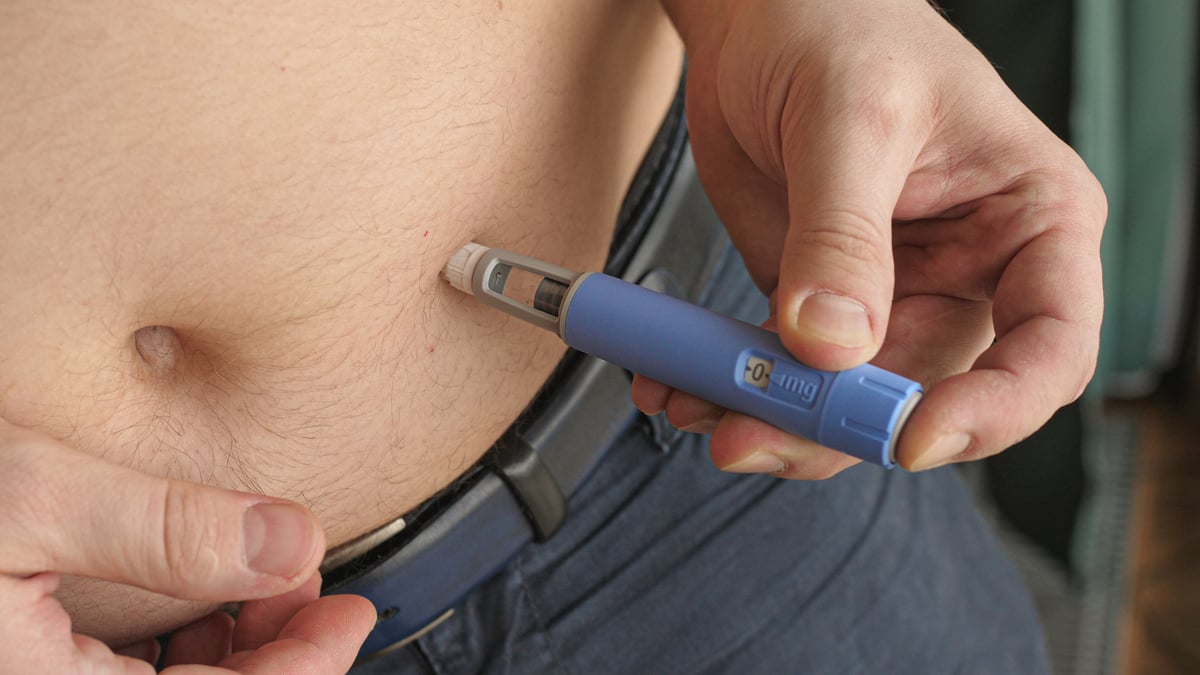
Eli Lilly's Stock Surge and Competitor Analysis
- Eli Lilly's Strong Performance: Eli Lilly's GLP-1 weight loss drugs saw sales increase by 125% and 80% in Q1 2026, showcasing robust performance in a rapidly evolving pharmaceutical market, although its P/E ratio stands at 34x, above the industry average of 23x, indicating optimistic market expectations for future growth.
- Novo Nordisk Catching Up: Novo Nordisk's newly launched GLP-1 pill gained traction with 1.3 million prescriptions in the first quarter, suggesting a competitive edge in weight loss effectiveness, prompting the company to raise its full-year 2026 guidance and boosting market confidence.
- Pfizer's Challenges: Pfizer has yet to establish a foothold in the GLP-1 market after having to drop its drug candidate; however, it is actively acquiring promising candidates and advancing oncology and migraine drug development, maintaining its long-standing industry leadership.
- Market Sentiment Analysis: Wall Street's enthusiasm for Eli Lilly has inflated its valuation, prompting caution among long-term investors, while the undervaluation of Novo Nordisk and Pfizer may present greater upside potential, especially in light of overly pessimistic market sentiment.
See More
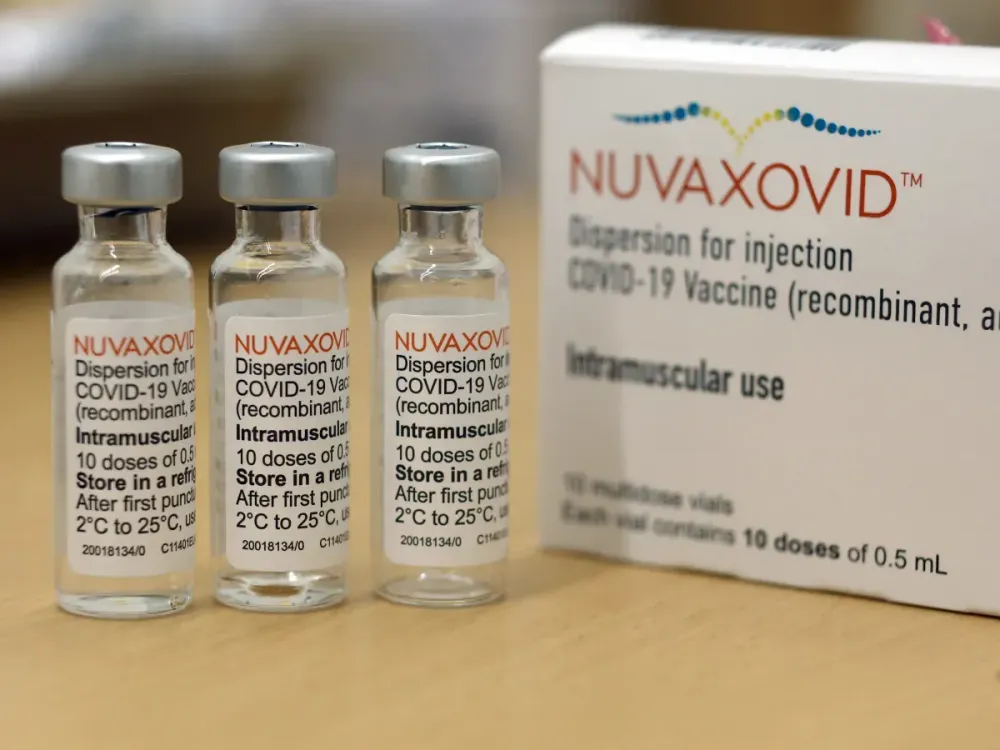
Novavax Q1 Revenue Exceeds Expectations with Strong Vaccine Data
- Revenue Beat: Novavax reported Q1 revenue of $139.5 million, surpassing analysts' expectations of $78.3 million, primarily driven by licensing agreements and vaccine supply partnerships, indicating a strategic shift away from reliance on direct COVID vaccine sales.
- Increased Vaccine Preference: Data revealed that patients receiving Nuvaxovid were twice as likely to choose the same vaccine again next year compared to those who received Moderna's vaccine, providing Novavax with a significant competitive edge in the crowded vaccine market.
- 2026 Revenue Outlook: The company maintained its adjusted revenue forecast for 2026 at $230 million to $270 million, with expectations that existing cash and partner reimbursements will fund operations through 2028, even without additional milestone or royalty revenue.
- Optimistic Market Sentiment: Retail sentiment for NVAX on Stocktwits is deemed 'extremely bullish', with a 430% surge in message volume over 24 hours, reflecting strong investor confidence in the company's growth potential, despite a 4% downside from current price targets.
See More

Analysis of Three Stocks with Rebound Potential
- Pfizer's Current Status: Pfizer's stock has fallen about 50% from its 2021 peak, facing competition in the GLP-1 weight-loss market and several patent expirations; however, with a $150 billion market cap and a gross margin of 66.23%, it remains a large pharmaceutical giant, suggesting potential for a rebound for long-term investors.
- General Mills' Challenges: General Mills' stock is down 60% from its 2023 high, impacted by inflation and changing consumer preferences, with organic sales down 3% in the first three quarters of fiscal 2026; however, its 125-year history and strong brand portfolio indicate a likelihood of recovery in the future.
- UPS's Business Restructuring: UPS's stock has dropped over 50% from its 2022 high, as the company undergoes a business overhaul to cut costs and focus on profitable customers; despite short-term revenue declines, rising revenue per piece suggests potential for improved profitability.
- Attractive Dividend Yields: Pfizer, General Mills, and UPS offer dividend yields of 6.5%, 7%, and 6.6%, respectively, providing investors with solid returns while waiting for these turnaround stories to unfold, enhancing their investment appeal.
See More
Pfizer's Q1 Report Boosts Dividend Confidence
- Dividend Yield Advantage: Pfizer boasts a forward dividend yield of 6.5%, the highest among large-cap healthcare stocks, and despite market skepticism regarding its sustainability, management's reassurances have bolstered investor confidence.
- Cash Flow Improvement: Legal settlements related to the Vyndamax patent infringement and a Belgian court ruling on Comirnaty contracts have significantly enhanced Pfizer's cash flow visibility, thereby strengthening its ability to support dividends and demonstrating robust financial health.
- Clear M&A Strategy: While CEO Bourla indicated that the company will continue to explore acquisition opportunities, he clarified that there are no plans for large-scale mergers, which will prevent disruptions to the execution of the company's artificial intelligence transformation and ensure stable business development.
- Long-Term Growth Confidence: Management expresses strong confidence in achieving high single-digit revenue growth in the future, particularly with promising prospects in its pipeline programs for cancer and obesity therapies, further solidifying its position as an attractive dividend stock for investors.
See More
Can Eli Lilly Reclaim a $1 Trillion Market Cap?
- Market Leadership: Eli Lilly's leadership in the weight loss market positions it to potentially achieve an 11.7% compound annual growth rate over the next seven years; despite facing intense competition, its robust pipeline of candidates could support significant clinical progress, which may drive a rebound in its stock price.
- Diversification Strategy: Eli Lilly has significantly expanded its drug pipeline through acquisitions, particularly with breakthroughs in Alzheimer's disease, such as the approval of Kisunla, which has positively impacted its stock; further successes in other therapeutic areas could enhance the company's stock performance.
- AI Technology Investment: Eli Lilly has built the most powerful AI supercomputer in the pharmaceutical industry in partnership with Nvidia, and while AI may not transform the business overnight, even modest productivity gains could have a meaningful impact on the company's operations in the coming years.
- Long-Term Growth Potential: Even if Eli Lilly does not meet every growth criterion, its dominance in the weight loss market and extensive drug pipeline suggest strong financial performance ahead, and its impressive dividend growth over the past five years adds to its attractiveness for investors.
See More
Eli Lilly Aims to Reinstate Market Leadership Amid Competitive Landscape
- Market Leadership: Eli Lilly's robust pipeline in weight management positions it to maintain market leadership, although it faces intensifying competition, with a projected need for approximately 11.7% compound annual growth rate over the next seven years to reach a $2 trillion market cap again.
- Clinical Progress Potential: The company's investigational therapies, such as eloralintide, which mimics the action of the amylin hormone to improve tolerability, and bimagrumab, aimed at preserving muscle mass during weight loss, could significantly enhance its market share.
- Diversification Strategy: Eli Lilly has significantly expanded its drug pipeline through acquisitions in recent years, aiming to reduce reliance on its core therapeutic areas, particularly with breakthroughs in Alzheimer's disease that could positively impact its stock price.
- AI Application: By partnering with Nvidia to build the pharmaceutical industry's most powerful AI supercomputer, Eli Lilly aims to accelerate drug development processes; while significant transformations may not be immediate, even modest productivity gains could have a profound impact on the company's operations.
See More
Eli Lilly's Stock Surge and Competitor Analysis
- Eli Lilly's Strong Performance: Eli Lilly's GLP-1 weight loss drugs saw sales increase by 125% and 80% in Q1 2026, showcasing robust performance in a rapidly evolving pharmaceutical market, although its P/E ratio stands at 34x, above the industry average of 23x, indicating optimistic market expectations for future growth.
- Novo Nordisk Catching Up: Novo Nordisk's newly launched GLP-1 pill gained traction with 1.3 million prescriptions in the first quarter, suggesting a competitive edge in weight loss effectiveness, prompting the company to raise its full-year 2026 guidance and boosting market confidence.
- Pfizer's Challenges: Pfizer has yet to establish a foothold in the GLP-1 market after having to drop its drug candidate; however, it is actively acquiring promising candidates and advancing oncology and migraine drug development, maintaining its long-standing industry leadership.
- Market Sentiment Analysis: Wall Street's enthusiasm for Eli Lilly has inflated its valuation, prompting caution among long-term investors, while the undervaluation of Novo Nordisk and Pfizer may present greater upside potential, especially in light of overly pessimistic market sentiment.
See More
Novavax Q1 Revenue Exceeds Expectations with Strong Vaccine Data
- Revenue Beat: Novavax reported Q1 revenue of $139.5 million, surpassing analysts' expectations of $78.3 million, primarily driven by licensing agreements and vaccine supply partnerships, indicating a strategic shift away from reliance on direct COVID vaccine sales.
- Increased Vaccine Preference: Data revealed that patients receiving Nuvaxovid were twice as likely to choose the same vaccine again next year compared to those who received Moderna's vaccine, providing Novavax with a significant competitive edge in the crowded vaccine market.
- 2026 Revenue Outlook: The company maintained its adjusted revenue forecast for 2026 at $230 million to $270 million, with expectations that existing cash and partner reimbursements will fund operations through 2028, even without additional milestone or royalty revenue.
- Optimistic Market Sentiment: Retail sentiment for NVAX on Stocktwits is deemed 'extremely bullish', with a 430% surge in message volume over 24 hours, reflecting strong investor confidence in the company's growth potential, despite a 4% downside from current price targets.
See More
Analysis of Three Stocks with Rebound Potential
- Pfizer's Current Status: Pfizer's stock has fallen about 50% from its 2021 peak, facing competition in the GLP-1 weight-loss market and several patent expirations; however, with a $150 billion market cap and a gross margin of 66.23%, it remains a large pharmaceutical giant, suggesting potential for a rebound for long-term investors.
- General Mills' Challenges: General Mills' stock is down 60% from its 2023 high, impacted by inflation and changing consumer preferences, with organic sales down 3% in the first three quarters of fiscal 2026; however, its 125-year history and strong brand portfolio indicate a likelihood of recovery in the future.
- UPS's Business Restructuring: UPS's stock has dropped over 50% from its 2022 high, as the company undergoes a business overhaul to cut costs and focus on profitable customers; despite short-term revenue declines, rising revenue per piece suggests potential for improved profitability.
- Attractive Dividend Yields: Pfizer, General Mills, and UPS offer dividend yields of 6.5%, 7%, and 6.6%, respectively, providing investors with solid returns while waiting for these turnaround stories to unfold, enhancing their investment appeal.
See More