Real Estate Investment Trusts Present Compelling Investment Opportunities
Written by Emily J. Thompson, Senior Investment Analyst
Updated: 31 minutes ago
0mins
Should l Buy O?
Source: seekingalpha
- Market Environment Analysis: According to Will Barton, while elevated interest rates have pressured commercial real estate, capitalization rates have reached 20-year highs, attracting private equity investors into the sector, indicating potential valuation growth opportunities.
- Quality Asset Recommendation: Barton highlights Realty Income (O) as a prime undervalued asset in the REIT space, currently trading at 14 to 15 times funds from operations, significantly below its fair valuation range of high teens to low twenties, showcasing strong investment appeal.
- Yield Changes: Although yields in the REIT sector have compressed to the 3% to 6% range, down from 8% to 10% in the early 2000s, there are still pockets of high-yield investment opportunities in distressed areas, albeit with corresponding risks.
- Future Outlook: Barton believes that as interest rates gradually decline, REITs are positioned for significant valuation improvements, allowing investors to accept lower yields while potentially benefiting from capital appreciation.
Trade with 70% Backtested Accuracy
Stop guessing "Should I Buy O?" and start using high-conviction signals backed by rigorous historical data.
Sign up today to access powerful investing tools and make smarter, data-driven decisions.
Analyst Views on O
Wall Street analysts forecast O stock price to rise
11 Analyst Rating
3 Buy
7 Hold
1 Sell
Hold
Current: 62.090

Low
60.00
Averages
62.59
High
67.50
Current: 62.090
Low
60.00
Averages
62.59
High
67.50
About O
Realty Income Corporation is a real estate investment trust. The Company is engaged in the acquisition, ownership, and management of freestanding commercial properties leased under long‑term net lease agreements to a diversified base of operators, including a blend of investment grade, investment grade equivalent, and other clients. It owns a portfolio of over 15,500 properties in all 50 United States (U.S.) states, the United Kingdom, and eight other countries in Europe. It is engaged in a single business activity, which is the leasing of property to clients, generally on a net basis. That business activity spans various geographic boundaries and includes property types and clients engaged in various industries. Its property types include retail, industrial, gaming, and other. Its industry concentrations include grocery, convenience stores, home improvement, dollar stores, restaurants-quick service, health and fitness, drug stores, automotive service, among others.
About the author

Emily J. Thompson
Emily J. Thompson, a Chartered Financial Analyst (CFA) with 12 years in investment research, graduated with honors from the Wharton School. Specializing in industrial and technology stocks, she provides in-depth analysis for Intellectia’s earnings and market brief reports.

Realty Income's Consistent Dividend Growth and Strong Financials

- Stable Dividend Record: Realty Income recently declared its 671st consecutive monthly dividend, showcasing over 50 years of income consistency, which attracts investors seeking passive income.
- High Yield Advantage: The REIT offers a dividend yield exceeding 5%, several times higher than the S&P 500's approximately 1.1%, allowing investors to generate more passive income per dollar invested.
- Strong Financial Profile: Realty Income maintains a low dividend payout ratio of 71.7%, retaining nearly $1 billion in free cash flow annually for new investments, ensuring financial stability and growth potential.
- Market Expansion Potential: The company estimates the total addressable market for net-lease real estate at around $14 trillion across the U.S. and Europe, planning to invest $9.5 billion in 2023 to support future dividend increases, indicating a strategic growth trajectory.
See More

Realty Income's Consistent Monthly Dividends Highlight Investment Appeal
- Stable Dividend Record: Realty Income recently declared its 671st consecutive monthly dividend, showcasing over half a century of income consistency, which attracts investors seeking passive income.
- High Yield Advantage: The REIT offers a dividend yield exceeding 5%, significantly higher than the current S&P 500 yield of approximately 1.1%, allowing investors to generate more passive income per dollar invested, enhancing its investment appeal.
- Strong Financial Profile: Realty Income maintains a low dividend payout ratio of 71.7%, retaining nearly $1 billion in free cash flow annually for new investments, ensuring its ongoing dividend capacity and future growth potential.
- Market Expansion Potential: The company plans to invest $9.5 billion in new properties in 2023 and has entered the U.S. data center market and Mexico, indicating growth opportunities within the estimated $14 trillion net-lease real estate market.
See More

Real Estate Investment Trusts Present Compelling Investment Opportunities
- Market Environment Analysis: According to Will Barton, while elevated interest rates have pressured commercial real estate, capitalization rates have reached 20-year highs, attracting private equity investors into the sector, indicating potential valuation growth opportunities.
- Quality Asset Recommendation: Barton highlights Realty Income (O) as a prime undervalued asset in the REIT space, currently trading at 14 to 15 times funds from operations, significantly below its fair valuation range of high teens to low twenties, showcasing strong investment appeal.
- Yield Changes: Although yields in the REIT sector have compressed to the 3% to 6% range, down from 8% to 10% in the early 2000s, there are still pockets of high-yield investment opportunities in distressed areas, albeit with corresponding risks.
- Future Outlook: Barton believes that as interest rates gradually decline, REITs are positioned for significant valuation improvements, allowing investors to accept lower yields while potentially benefiting from capital appreciation.
See More
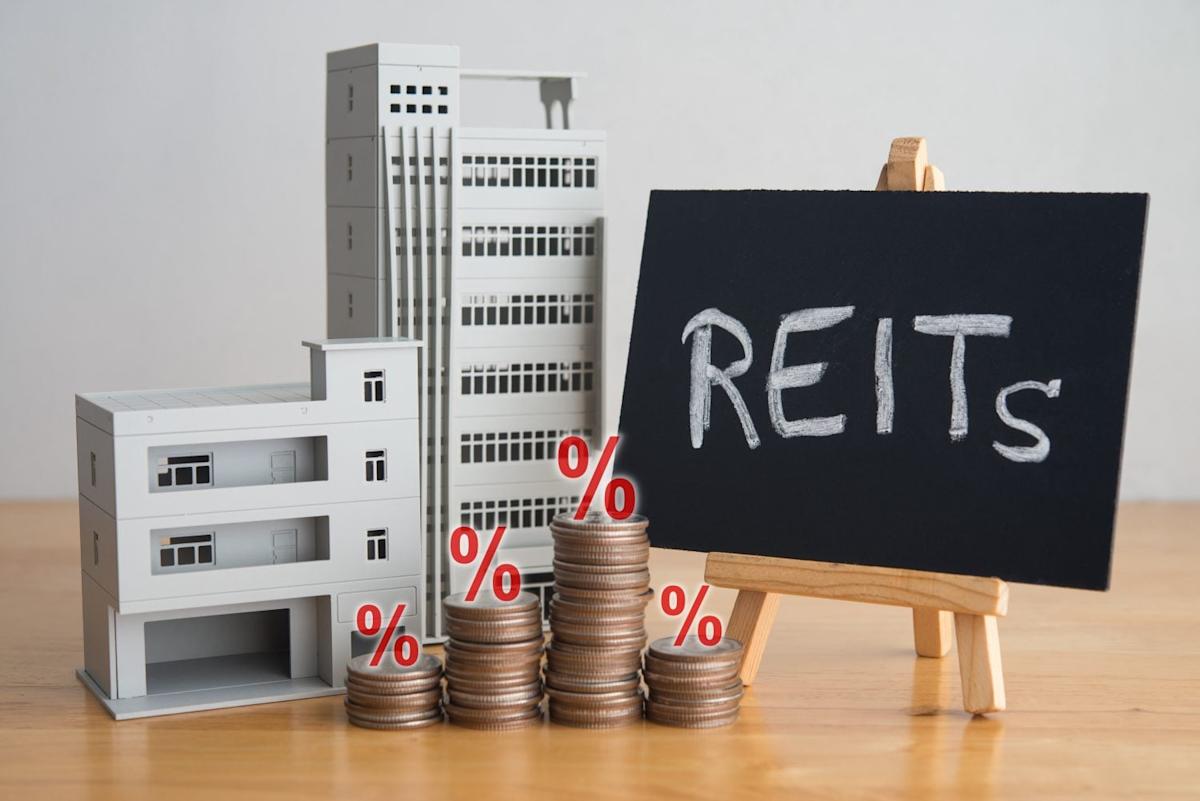
Strategies for Generating Income with Real Estate Investment Trusts


- Capital Requirement Analysis: To achieve an annual retirement income of $50,000, investors need approximately $1.11 million in capital, with half sourced from traditional dividend stocks and the other half from real estate investments, significantly impacting income performance over the next two decades.
- Yield Tier Breakdown: Conservative investors require about $1.43 million in capital to achieve a 3% to 4% yield, while a moderate 5.5% yield necessitates around $909,091, illustrating how different yield tiers directly influence capital needs.
- Tax Implications for REITs: REIT distributions are typically taxed as ordinary income, but the Section 199A deduction allows investors to deduct 20% of eligible REIT dividends, effectively lowering the tax rate to approximately 17.6%, which is crucial for enhancing after-tax income.
- Diversification Investment Advice: Investors are advised to diversify their REIT investments across subsectors to mitigate concentration risk, especially in the current environment where the 10-year Treasury yield stands at 4.59%, significantly increasing risks associated with any single REIT category.
See More

Realty Income and Coca-Cola: Reliable Dividend Stocks

- Advantage of Realty Income: Realty Income, a REIT that pays monthly dividends, has raised its payouts for over 30 years since its IPO in 1994, with the latest monthly dividend exceeding $0.27 per share and a current yield of 5.3%, showcasing its stability and appeal amid economic fluctuations.
- Strong Financial Performance: By 2025, Realty Income's annual revenue grew by 9%, with funds from operations (FFO) improving by 11% to nearly $3.9 billion, indicating its success in the retail property sector, particularly with recession-resistant tenants like supermarkets and convenience stores.
- Coca-Cola's Brand Power: Coca-Cola's revenue rose from $38.7 billion in 2020 to nearly $48.4 billion in 2025, with net income increasing by 23% to $13.1 billion in the same year, demonstrating its strong profitability even as consumer health consciousness rises.
- Dividend King Status: Coca-Cola is one of the few
See More

Top Dividend Stocks for Investors Right Now
- High Yield Investment Strategy: Roberts Berzins advocates for a strategy focused on high yield, no income growth, and durable NAV, particularly in high-quality business development companies (BDCs) that are trading approximately 20% below NAV, presenting durable double-digit yield opportunities for investors.
- Low-Risk Portfolio: David Alton Clark's Super SWAN portfolio averages a 5% yield, anchored by Realty Income (5.2% yield), aiming for capital preservation and safe, sustainable income, making it suitable for investors looking to maintain wealth in retirement.
- Moderate Risk Income Optimization: Clark's SWAN portfolio averages an 8% yield, with Alerian MLP ETF (7.3% yield) as its anchor, focusing on income optimization while providing stable cash flow and hedging against inflation and geopolitical risks.
- High-Risk High-Yield Opportunity: The Quality High-Yield portfolio averages an 11% yield, anchored by Starwood Property Trust (11.2% yield), which, despite negative narratives surrounding commercial real estate, boasts a strong balance sheet and liquidity, presenting a contrarian investment opportunity for yield-seeking investors.
See More
Realty Income's Consistent Dividend Growth and Strong Financials
- Stable Dividend Record: Realty Income recently declared its 671st consecutive monthly dividend, showcasing over 50 years of income consistency, which attracts investors seeking passive income.
- High Yield Advantage: The REIT offers a dividend yield exceeding 5%, several times higher than the S&P 500's approximately 1.1%, allowing investors to generate more passive income per dollar invested.
- Strong Financial Profile: Realty Income maintains a low dividend payout ratio of 71.7%, retaining nearly $1 billion in free cash flow annually for new investments, ensuring financial stability and growth potential.
- Market Expansion Potential: The company estimates the total addressable market for net-lease real estate at around $14 trillion across the U.S. and Europe, planning to invest $9.5 billion in 2023 to support future dividend increases, indicating a strategic growth trajectory.
See More
Realty Income's Consistent Monthly Dividends Highlight Investment Appeal
- Stable Dividend Record: Realty Income recently declared its 671st consecutive monthly dividend, showcasing over half a century of income consistency, which attracts investors seeking passive income.
- High Yield Advantage: The REIT offers a dividend yield exceeding 5%, significantly higher than the current S&P 500 yield of approximately 1.1%, allowing investors to generate more passive income per dollar invested, enhancing its investment appeal.
- Strong Financial Profile: Realty Income maintains a low dividend payout ratio of 71.7%, retaining nearly $1 billion in free cash flow annually for new investments, ensuring its ongoing dividend capacity and future growth potential.
- Market Expansion Potential: The company plans to invest $9.5 billion in new properties in 2023 and has entered the U.S. data center market and Mexico, indicating growth opportunities within the estimated $14 trillion net-lease real estate market.
See More
Real Estate Investment Trusts Present Compelling Investment Opportunities
- Market Environment Analysis: According to Will Barton, while elevated interest rates have pressured commercial real estate, capitalization rates have reached 20-year highs, attracting private equity investors into the sector, indicating potential valuation growth opportunities.
- Quality Asset Recommendation: Barton highlights Realty Income (O) as a prime undervalued asset in the REIT space, currently trading at 14 to 15 times funds from operations, significantly below its fair valuation range of high teens to low twenties, showcasing strong investment appeal.
- Yield Changes: Although yields in the REIT sector have compressed to the 3% to 6% range, down from 8% to 10% in the early 2000s, there are still pockets of high-yield investment opportunities in distressed areas, albeit with corresponding risks.
- Future Outlook: Barton believes that as interest rates gradually decline, REITs are positioned for significant valuation improvements, allowing investors to accept lower yields while potentially benefiting from capital appreciation.
See More
Strategies for Generating Income with Real Estate Investment Trusts
- Capital Requirement Analysis: To achieve an annual retirement income of $50,000, investors need approximately $1.11 million in capital, with half sourced from traditional dividend stocks and the other half from real estate investments, significantly impacting income performance over the next two decades.
- Yield Tier Breakdown: Conservative investors require about $1.43 million in capital to achieve a 3% to 4% yield, while a moderate 5.5% yield necessitates around $909,091, illustrating how different yield tiers directly influence capital needs.
- Tax Implications for REITs: REIT distributions are typically taxed as ordinary income, but the Section 199A deduction allows investors to deduct 20% of eligible REIT dividends, effectively lowering the tax rate to approximately 17.6%, which is crucial for enhancing after-tax income.
- Diversification Investment Advice: Investors are advised to diversify their REIT investments across subsectors to mitigate concentration risk, especially in the current environment where the 10-year Treasury yield stands at 4.59%, significantly increasing risks associated with any single REIT category.
See More
Realty Income and Coca-Cola: Reliable Dividend Stocks
- Advantage of Realty Income: Realty Income, a REIT that pays monthly dividends, has raised its payouts for over 30 years since its IPO in 1994, with the latest monthly dividend exceeding $0.27 per share and a current yield of 5.3%, showcasing its stability and appeal amid economic fluctuations.
- Strong Financial Performance: By 2025, Realty Income's annual revenue grew by 9%, with funds from operations (FFO) improving by 11% to nearly $3.9 billion, indicating its success in the retail property sector, particularly with recession-resistant tenants like supermarkets and convenience stores.
- Coca-Cola's Brand Power: Coca-Cola's revenue rose from $38.7 billion in 2020 to nearly $48.4 billion in 2025, with net income increasing by 23% to $13.1 billion in the same year, demonstrating its strong profitability even as consumer health consciousness rises.
- Dividend King Status: Coca-Cola is one of the few
See More
Top Dividend Stocks for Investors Right Now
- High Yield Investment Strategy: Roberts Berzins advocates for a strategy focused on high yield, no income growth, and durable NAV, particularly in high-quality business development companies (BDCs) that are trading approximately 20% below NAV, presenting durable double-digit yield opportunities for investors.
- Low-Risk Portfolio: David Alton Clark's Super SWAN portfolio averages a 5% yield, anchored by Realty Income (5.2% yield), aiming for capital preservation and safe, sustainable income, making it suitable for investors looking to maintain wealth in retirement.
- Moderate Risk Income Optimization: Clark's SWAN portfolio averages an 8% yield, with Alerian MLP ETF (7.3% yield) as its anchor, focusing on income optimization while providing stable cash flow and hedging against inflation and geopolitical risks.
- High-Risk High-Yield Opportunity: The Quality High-Yield portfolio averages an 11% yield, anchored by Starwood Property Trust (11.2% yield), which, despite negative narratives surrounding commercial real estate, boasts a strong balance sheet and liquidity, presenting a contrarian investment opportunity for yield-seeking investors.
See More