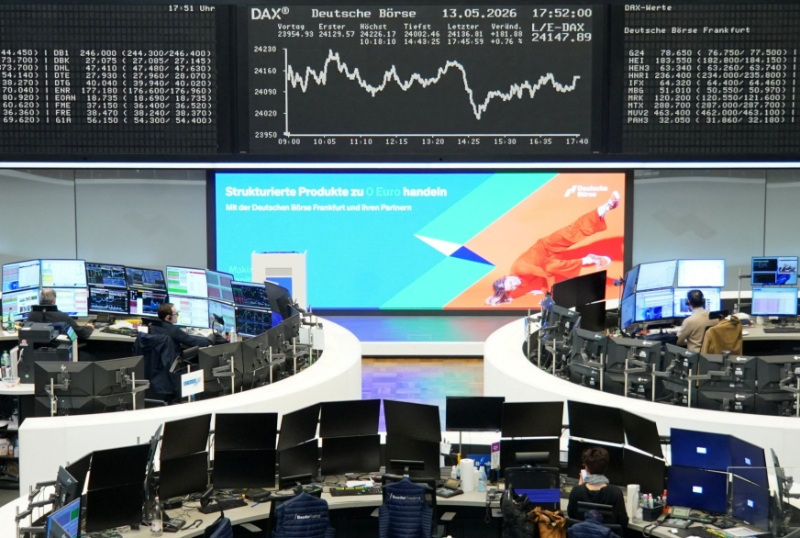
Raytheon Secures $627 Million Patriot Contract
Written by Emily J. Thompson, Senior Investment Analyst
Updated: Apr 11 2026
0mins
Should l Buy RTX?
Source: Yahoo Finance
- Significant Contract Value: Raytheon (RTX) has secured a $627 million contract with the Netherlands for Patriot missile defense systems, aimed at rapid delivery of advanced air defense capabilities to support European and NATO protection, thereby enhancing its competitive position in the international market.
- Positive Market Reaction: RTX shares have risen 7.6% year-to-date and 59.8% over the past year, indicating strong investor interest in its defense and aerospace business mix, particularly with the new contract potentially boosting the company's market valuation further.
- Growing International Demand: This contract indicates increasing international demand for RTX's missile defense systems as European governments prioritize airspace protection, which not only enhances the company's global standing but may also facilitate future follow-on work with other NATO partners.
- Long-term Strategic Alignment: Although the Dutch order is relatively small compared to RTX's existing $50 billion Patriot umbrella contract, it demonstrates export customers' confidence in RTX's ground-based air defense systems, potentially supporting future factory utilization, spares, and training work, thereby reinforcing its competitive advantage in the industry.
Trade with 70% Backtested Accuracy
Stop guessing "Should I Buy RTX?" and start using high-conviction signals backed by rigorous historical data.
Sign up today to access powerful investing tools and make smarter, data-driven decisions.
Analyst Views on RTX
Wall Street analysts forecast RTX stock price to rise
14 Analyst Rating
9 Buy
5 Hold
0 Sell
Moderate Buy
Current: 175.680

Low
168.00
Averages
195.77
High
215.00
Current: 175.680
Low
168.00
Averages
195.77
High
215.00
About RTX
RTX Corporation is an aerospace and defense company, which provides advanced systems and services for commercial, military, and government customers worldwide. The Company operates through three segments: Collins Aerospace, Pratt & Whitney, and Raytheon. Collins Aerospace segment provides technologically advanced aerospace and defense products and aftermarket service solutions for civil and military aircraft manufacturers, commercial airlines, and regional, business and general aviation, as well as for defense and commercial space operations. The Pratt & Whitney segment supplies aircraft engines for commercial, military, business jet, and general aviation customers. The Raytheon segment provides defensive and offensive threat detection, tracking and mitigation capabilities for the United States and foreign government and commercial customers. The Raytheon designs, develops, and provides advanced capabilities in integrated air and missile defense, smart weapons, missiles and others.
About the author

Emily J. Thompson
Emily J. Thompson, a Chartered Financial Analyst (CFA) with 12 years in investment research, graduated with honors from the Wharton School. Specializing in industrial and technology stocks, she provides in-depth analysis for Intellectia’s earnings and market brief reports.
Comparing Investment Opportunities: SpaceX vs. Rocket Lab

- Rocket Lab Revenue Surge: Rocket Lab's revenue soared by 63.5% year-over-year in Q1 2026 to $200.3 million, showcasing its strong performance in the small rocket market, particularly as it sold more launches in Q1 than in all of 2025, indicating sustained market demand.
- Record Backlog: The company reported a record backlog of $2.2 billion in Q1, up 20.2% quarter-over-quarter, which not only reflects its future growth potential but also indicates widespread application of its technology in commercial and defense sectors, boosting investor confidence.
- SpaceX's Market Dominance: As the world's leading launch service provider, SpaceX's reusable Falcon 9 rocket has completed 635 missions, and its Starlink satellite internet service has over 10,300 satellites in orbit, with customer numbers expected to reach 18 million by the end of 2026, demonstrating its strong market penetration.
- Future Growth Potential: SpaceX's Starship can carry up to 100 people for interplanetary flights, and plans to establish bases on the Moon and Mars could create massive commercial opportunities, while its xAI division's Grok AI model may also serve as a new growth driver, further solidifying its market position.
See More
Hancock Prospecting Expands Portfolio into Defense and Gold


- Portfolio Diversification: Hancock Prospecting has diversified its holdings in 2023 by adding defense, gold, and rare-earth assets, bringing its total portfolio value to $3.3 billion, indicating a strategic focus on emerging markets.
- Significant Shift in Investments: In a March portfolio adjustment, Hancock invested $133 million in defense firms including CrowdStrike, L3Harris, Lockheed Martin, Northrop Grumman, and RTX, reflecting strong confidence in the defense sector.
- Increased Gold Producer Holdings: Hancock has also increased its stake in major gold producer Newmont, further solidifying its investment in precious metals, which is expected to benefit from potential rises in gold prices.
- Rare Earth Investment Boost: In the current quarter, Hancock raised its stake in Rare Earths Americas to 6.3% while increasing its position in Hudbay Minerals by approximately 10%, demonstrating a strategic emphasis on the rare earth and copper markets.
See More

Kuwait Requests $2.5 Billion Defense System Purchase

- Significant War Losses: The U.S. spent $25 billion in the Iran war, but Kuwait faced greater losses, enduring attacks from 13 cruise missiles, 336 ballistic missiles, and 740 drones, severely straining its defense network.
- Infrastructure Damage: Iranian strikes not only targeted military bases but also damaged the Mina al-Ahmadi oil refinery, Shuwaikh oil sector complex, and power generation and desalination facilities, highlighting the precision of the attacks.
- Defense System Procurement Request: Kuwait has requested Congress's approval to purchase an Integrated Battle Command System for $2.5 billion, aiming to enhance its defense capabilities against potential future threats.
- Major Contractors Identified: Northrop Grumman, RTX Corporation, and Lockheed Martin have been named as principal contractors for the defense deal, with Northrop expected to receive the bulk of the funding, reflecting its strong competitive position in the defense market.
See More

Trump's Golden Dome Missile Defense System Costs Surge to $1.2 Trillion

- Cost Surge: The projected cost of Trump's Golden Dome missile defense system has skyrocketed to $1.2 trillion over 20 years, significantly exceeding the initial budget of $151 billion, which could strain the defense budget and impact funding for other military projects.
- Complex System Components: According to the Congressional Budget Office, the Golden Dome will include 7,800 space-based interceptor missiles, with procurement costs alone reaching $743 billion and annual maintenance costs of $1 billion, indicating a substantial long-term financial burden on the defense budget.
- Massive Satellite Demand: To maintain the effectiveness of Golden Dome, approximately 1,600 low-orbit satellites will need to be replaced annually, leading to a total requirement of around 30,000 satellites over 20 years, which is three times the number of satellites launched by SpaceX since its inception, highlighting significant technical and logistical challenges.
- Limited Defense Capability: Although Golden Dome aims to intercept missiles from adversaries, its design limitations mean it can only defend against a maximum of 10 missile launches at any given time, raising doubts in Congress about the project's feasibility and potentially leading to its cancellation.
See More
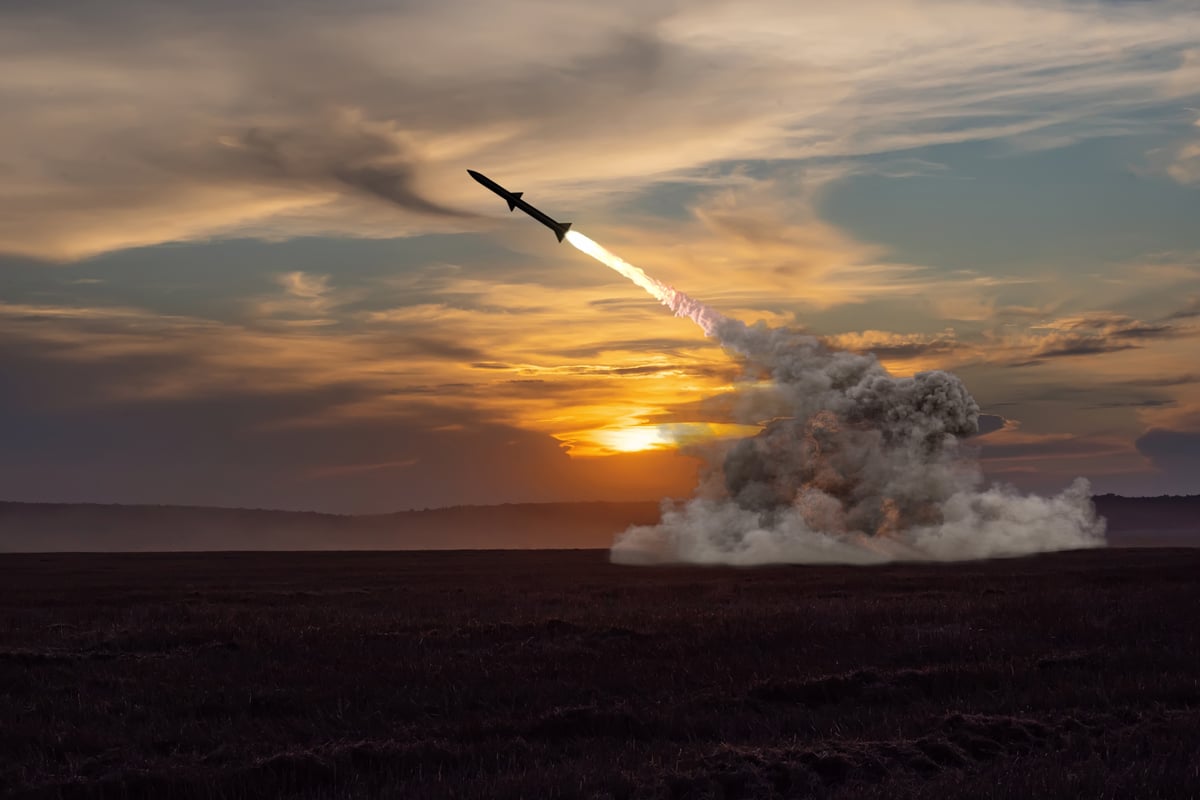
Honeywell's Underperformance Affects Dow Jones Index

- Dow Component Changes: Honeywell replaced Raytheon Technologies in the Dow on August 31, 2020, but has only delivered a 56.2% total return since then, significantly lagging behind RTX's 231.1%, indicating its failure to meet market expectations.
- Unfulfilled Innovation Potential: Although Honeywell was viewed as a diversified and innovative industrial giant in 2020, its persistent underperformance in earnings and free cash flow growth, partly due to supply chain and inflationary pressures, has hindered its ability to capitalize on its strengths.
- Spinoff Plans Generate Interest: In November 2024, activist investor Elliott Investment Management amassed a position exceeding $5 billion, prompting Honeywell to consider a breakup; the successful spinoff of Solstice Advanced Materials in October 2025, which saw a 79.4% gain, highlights the potential for growth through such restructuring.
- Future Outlook and Market Reaction: Honeywell plans to spin off its aerospace division on June 29, 2024, with the remaining business focusing on industrial and building automation, and the market anticipates that this structural adjustment could enhance its standing in the Dow, reflecting a broader preference for focused companies.
See More
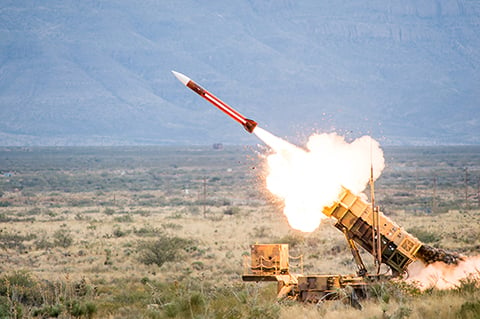
Qatar Requests $4 Billion Patriot Missile Purchase Amid Regional Tensions

- Surge in Defense Needs: Qatar's request to purchase $4 billion worth of Patriot missiles highlights the urgency and enhancement of its defense capabilities in response to regional security threats stemming from the Iran war.
- Missile Procurement Details: The order includes 200 PAC-2 missiles and 300 PAC-3 missiles, with PAC-2s designed to destroy targets using shrapnel and PAC-3s functioning as hit-to-kill weapons, indicating Qatar's diversified investment in defense capabilities.
- U.S. Support for Sale: The U.S. State Department has expressed support for this transaction to Congress, citing an “emergency” that necessitates the immediate sale of these defense articles, reflecting the U.S.'s strategic interests and commitment to supporting its allies in the Middle East.
- Rising Profit Expectations: This deal is expected to benefit major contractors like Lockheed Martin and RTX, with both companies likely to see increased profit margins due to the average missile price of approximately $8 million, further solidifying their positions in the defense market.
See More
Comparing Investment Opportunities: SpaceX vs. Rocket Lab
- Rocket Lab Revenue Surge: Rocket Lab's revenue soared by 63.5% year-over-year in Q1 2026 to $200.3 million, showcasing its strong performance in the small rocket market, particularly as it sold more launches in Q1 than in all of 2025, indicating sustained market demand.
- Record Backlog: The company reported a record backlog of $2.2 billion in Q1, up 20.2% quarter-over-quarter, which not only reflects its future growth potential but also indicates widespread application of its technology in commercial and defense sectors, boosting investor confidence.
- SpaceX's Market Dominance: As the world's leading launch service provider, SpaceX's reusable Falcon 9 rocket has completed 635 missions, and its Starlink satellite internet service has over 10,300 satellites in orbit, with customer numbers expected to reach 18 million by the end of 2026, demonstrating its strong market penetration.
- Future Growth Potential: SpaceX's Starship can carry up to 100 people for interplanetary flights, and plans to establish bases on the Moon and Mars could create massive commercial opportunities, while its xAI division's Grok AI model may also serve as a new growth driver, further solidifying its market position.
See More
Hancock Prospecting Expands Portfolio into Defense and Gold
- Portfolio Diversification: Hancock Prospecting has diversified its holdings in 2023 by adding defense, gold, and rare-earth assets, bringing its total portfolio value to $3.3 billion, indicating a strategic focus on emerging markets.
- Significant Shift in Investments: In a March portfolio adjustment, Hancock invested $133 million in defense firms including CrowdStrike, L3Harris, Lockheed Martin, Northrop Grumman, and RTX, reflecting strong confidence in the defense sector.
- Increased Gold Producer Holdings: Hancock has also increased its stake in major gold producer Newmont, further solidifying its investment in precious metals, which is expected to benefit from potential rises in gold prices.
- Rare Earth Investment Boost: In the current quarter, Hancock raised its stake in Rare Earths Americas to 6.3% while increasing its position in Hudbay Minerals by approximately 10%, demonstrating a strategic emphasis on the rare earth and copper markets.
See More
Kuwait Requests $2.5 Billion Defense System Purchase
- Significant War Losses: The U.S. spent $25 billion in the Iran war, but Kuwait faced greater losses, enduring attacks from 13 cruise missiles, 336 ballistic missiles, and 740 drones, severely straining its defense network.
- Infrastructure Damage: Iranian strikes not only targeted military bases but also damaged the Mina al-Ahmadi oil refinery, Shuwaikh oil sector complex, and power generation and desalination facilities, highlighting the precision of the attacks.
- Defense System Procurement Request: Kuwait has requested Congress's approval to purchase an Integrated Battle Command System for $2.5 billion, aiming to enhance its defense capabilities against potential future threats.
- Major Contractors Identified: Northrop Grumman, RTX Corporation, and Lockheed Martin have been named as principal contractors for the defense deal, with Northrop expected to receive the bulk of the funding, reflecting its strong competitive position in the defense market.
See More
Trump's Golden Dome Missile Defense System Costs Surge to $1.2 Trillion
- Cost Surge: The projected cost of Trump's Golden Dome missile defense system has skyrocketed to $1.2 trillion over 20 years, significantly exceeding the initial budget of $151 billion, which could strain the defense budget and impact funding for other military projects.
- Complex System Components: According to the Congressional Budget Office, the Golden Dome will include 7,800 space-based interceptor missiles, with procurement costs alone reaching $743 billion and annual maintenance costs of $1 billion, indicating a substantial long-term financial burden on the defense budget.
- Massive Satellite Demand: To maintain the effectiveness of Golden Dome, approximately 1,600 low-orbit satellites will need to be replaced annually, leading to a total requirement of around 30,000 satellites over 20 years, which is three times the number of satellites launched by SpaceX since its inception, highlighting significant technical and logistical challenges.
- Limited Defense Capability: Although Golden Dome aims to intercept missiles from adversaries, its design limitations mean it can only defend against a maximum of 10 missile launches at any given time, raising doubts in Congress about the project's feasibility and potentially leading to its cancellation.
See More
Honeywell's Underperformance Affects Dow Jones Index
- Dow Component Changes: Honeywell replaced Raytheon Technologies in the Dow on August 31, 2020, but has only delivered a 56.2% total return since then, significantly lagging behind RTX's 231.1%, indicating its failure to meet market expectations.
- Unfulfilled Innovation Potential: Although Honeywell was viewed as a diversified and innovative industrial giant in 2020, its persistent underperformance in earnings and free cash flow growth, partly due to supply chain and inflationary pressures, has hindered its ability to capitalize on its strengths.
- Spinoff Plans Generate Interest: In November 2024, activist investor Elliott Investment Management amassed a position exceeding $5 billion, prompting Honeywell to consider a breakup; the successful spinoff of Solstice Advanced Materials in October 2025, which saw a 79.4% gain, highlights the potential for growth through such restructuring.
- Future Outlook and Market Reaction: Honeywell plans to spin off its aerospace division on June 29, 2024, with the remaining business focusing on industrial and building automation, and the market anticipates that this structural adjustment could enhance its standing in the Dow, reflecting a broader preference for focused companies.
See More
Qatar Requests $4 Billion Patriot Missile Purchase Amid Regional Tensions
- Surge in Defense Needs: Qatar's request to purchase $4 billion worth of Patriot missiles highlights the urgency and enhancement of its defense capabilities in response to regional security threats stemming from the Iran war.
- Missile Procurement Details: The order includes 200 PAC-2 missiles and 300 PAC-3 missiles, with PAC-2s designed to destroy targets using shrapnel and PAC-3s functioning as hit-to-kill weapons, indicating Qatar's diversified investment in defense capabilities.
- U.S. Support for Sale: The U.S. State Department has expressed support for this transaction to Congress, citing an “emergency” that necessitates the immediate sale of these defense articles, reflecting the U.S.'s strategic interests and commitment to supporting its allies in the Middle East.
- Rising Profit Expectations: This deal is expected to benefit major contractors like Lockheed Martin and RTX, with both companies likely to see increased profit margins due to the average missile price of approximately $8 million, further solidifying their positions in the defense market.
See More