Qatar's LNG Facilities Hit by Iranian Missiles Amid Conflict
Written by Emily J. Thompson, Senior Investment Analyst
Updated: Mar 18 2026
0mins

Source: CNBC
- Severe Damage: Qatar reported that Iranian missiles caused extensive damage to the LNG export facilities at Ras Laffan Industrial City, which poses significant operational risks to the world's largest LNG export facility and could disrupt global energy supplies.
- National Security Threat: Qatar's Foreign Ministry condemned the attack as a dangerous escalation and a blatant violation of state sovereignty, underscoring the country's commitment to maintaining national security and regional stability amidst rising tensions.
- Production Halt Impact: Qatar halted LNG production on March 2 due to Iranian drone strikes, and as the world's second-largest LNG exporter, this shutdown could lead to tight global LNG markets, subsequently driving up international oil prices.
- Oil Price Surge Warning: Brent crude prices surged over 7% to $111.23 per barrel, with analysts warning that if energy infrastructure faces widespread attacks, prices could average $130 in the second and third quarters, reflecting the market's heightened sensitivity to Middle Eastern tensions.
Trade with 70% Backtested Accuracy
Stop guessing "Should I Buy LNG?" and start using high-conviction signals backed by rigorous historical data.
Sign up today to access powerful investing tools and make smarter, data-driven decisions.
Analyst Views on LNG
Wall Street analysts forecast LNG stock price to rise
11 Analyst Rating
11 Buy
0 Hold
0 Sell
Strong Buy
Current: 246.770

Low
258.00
Averages
274.09
High
290.00
Current: 246.770
Low
258.00
Averages
274.09
High
290.00
About LNG
Cheniere Energy, Inc. is the producer and exporter of liquefied natural gas (LNG) in the United States. It provides clean, secure and affordable LNG to integrated energy companies, utilities and energy trading companies around the world. It operates two natural gas liquefaction and export facilities at Sabine Pass, Louisiana (Sabine Pass LNG Terminal) and near Corpus Christi, Texas (Corpus Christi LNG Terminal). It owns and operates over 30 million tons per annum (mtpa) of total production capacity in operation from natural gas liquefaction facilities located in Cameron Parish, Louisiana at Sabine Pass (the SPL Project). The Sabine Pass LNG Terminal also has five LNG storage tanks, vaporizers and three marine berths. The Corpus Christi LNG Terminal also has three LNG storage tanks and two marine berths. It also owns an approximately 21-mile natural gas supply pipeline that interconnects the Corpus Christi LNG Terminal with several large interstate and intrastate natural gas pipelines.
About the author

Emily J. Thompson
Emily J. Thompson, a Chartered Financial Analyst (CFA) with 12 years in investment research, graduated with honors from the Wharton School. Specializing in industrial and technology stocks, she provides in-depth analysis for Intellectia’s earnings and market brief reports.
Geopolitical Tensions Keep Oil Prices High, Favoring APA's Outlook

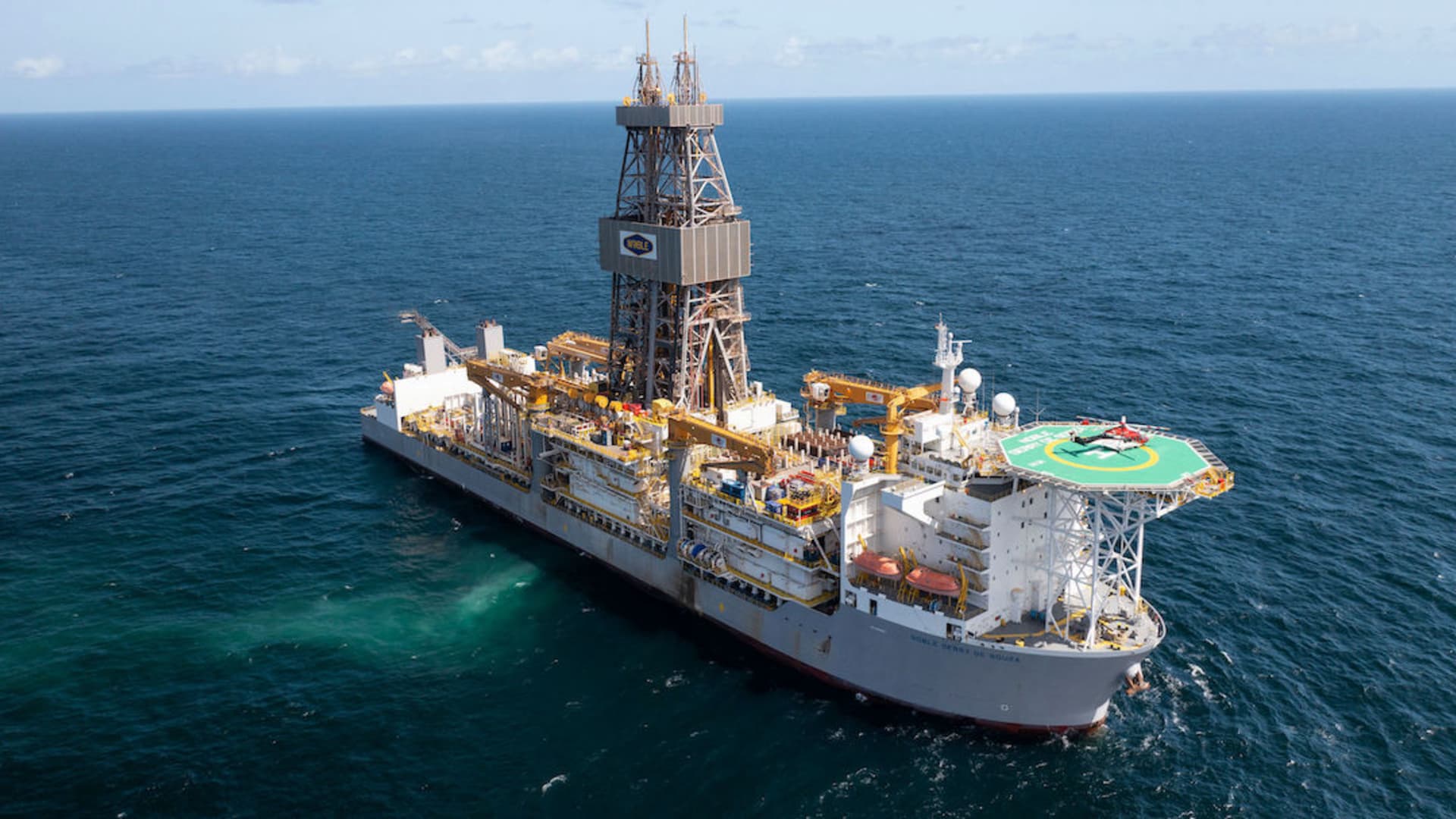
- Oil Price Surge Context: Geopolitical instability in the Persian Gulf is expected to keep oil prices higher than many investors anticipate, creating a favorable market backdrop for APA's internationally exposed portfolio, thereby enhancing its profitability.
- Cost Reduction and Debt Management: APA has effectively reduced costs and managed debt, repaying $634 million in near-term debt in 2024 and decreasing total debt by $2.2 billion, which is expected to boost future cash flow and shareholder returns.
- Suriname Project Potential: The offshore project in Suriname has not yet been fully reflected in APA's stock price, with expectations of additional shareholder benefits as it enhances cash flow and production capabilities.
- International Market Price Advantage: APA's gas production in Egypt is projected to rise 12% year-on-year, achieving prices of $4.25 per 1,000 cubic feet, showcasing its strong leverage in the international LNG market, further bolstering the company's cash flow.
See More
U.S. LNG Export Flows Set to Hit 16-Week Low
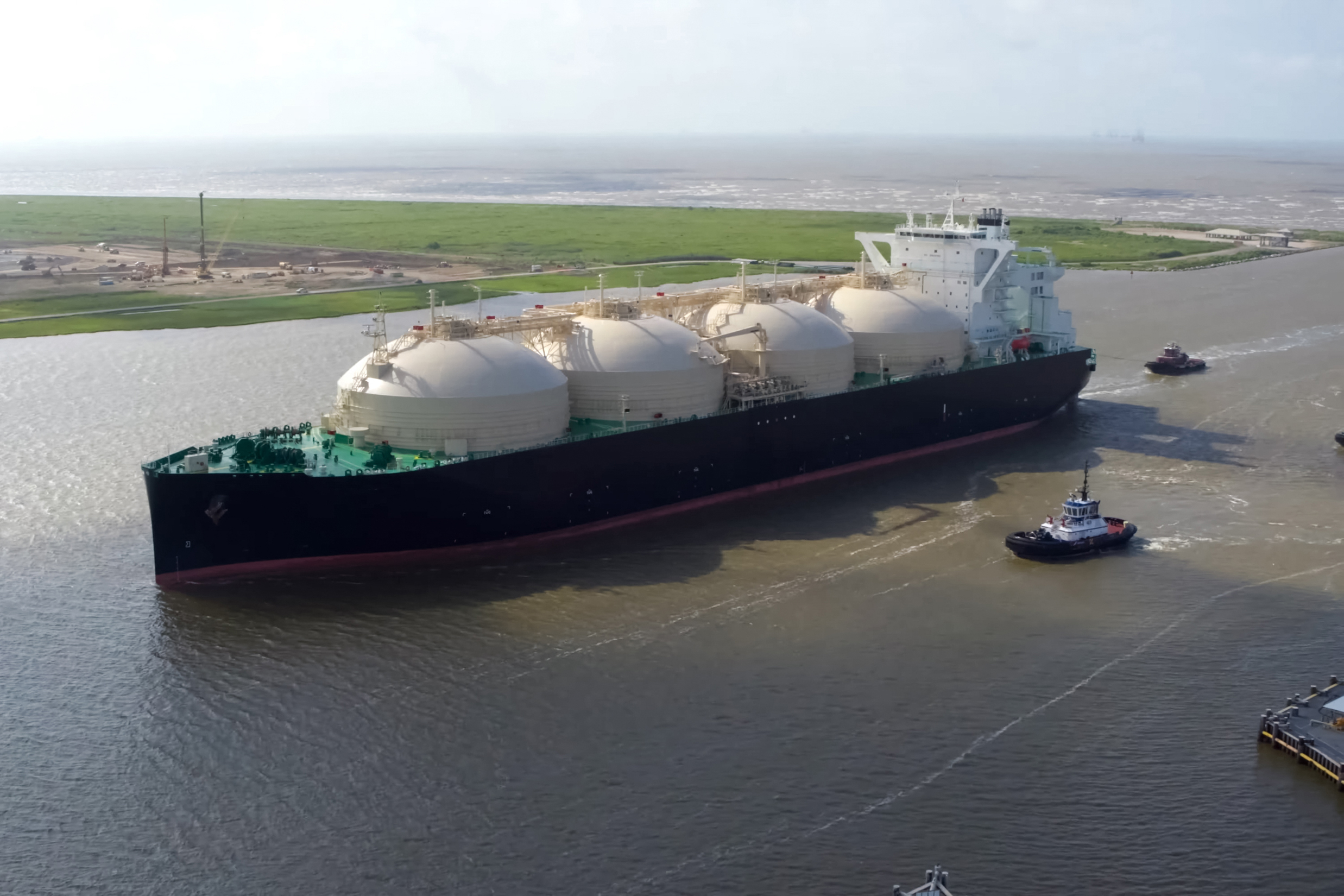
- Declining Flow Trend: The amount of natural gas flowing to U.S. LNG export plants is expected to hit a 16-week low on Tuesday, with average flows in May dropping from April's record high of 18.8B cf/day to 16.9B cf/day, indicating significant supply impacts from spring maintenance.
- Daily Flow Changes: LNG feedgas was reported to decrease from 16.3B cf/day on Monday to 15.1B cf/day on Tuesday, marking the lowest level since January 27, reflecting the pressure maintenance activities exert on the overall supply chain.
- Major Facility Maintenance: Several plants, including Golden Pass and Freeport LNG in Texas, have reduced gas flows due to spring maintenance, despite Cheniere Energy's Corpus Christi plant nearing a record flow of 2.56B cf/day, showcasing strong performance from individual facilities.
- Future Flow Expectations: Golden Pass is expected to increase flows to approximately 300M cf/day after experiencing six days of minimal gas intake, while Sabine Pass and Freeport LNG are projected to decline to respective 16-week lows of 3.4B cf/day and 600M cf/day, indicating ongoing challenges in the overall market.
See More
Seeking Stable Dividend Growth Amid Market Turbulence

- Dividend Growth Strategy: Trivariate Research emphasizes that in turbulent markets, investors should focus on companies with consistent dividend growth over the past five years for downside protection, especially as traditional defensive stocks now represent just over 10% of the S&P 500's market cap.
- Rollins Performance: Pest control company Rollins recently raised its dividend by over 10% to 18 cents per share, and despite a roughly 10% decline in its stock in 2026, analysts remain optimistic about its ability to deliver compounding growth, with Goldman Sachs reiterating a buy rating.
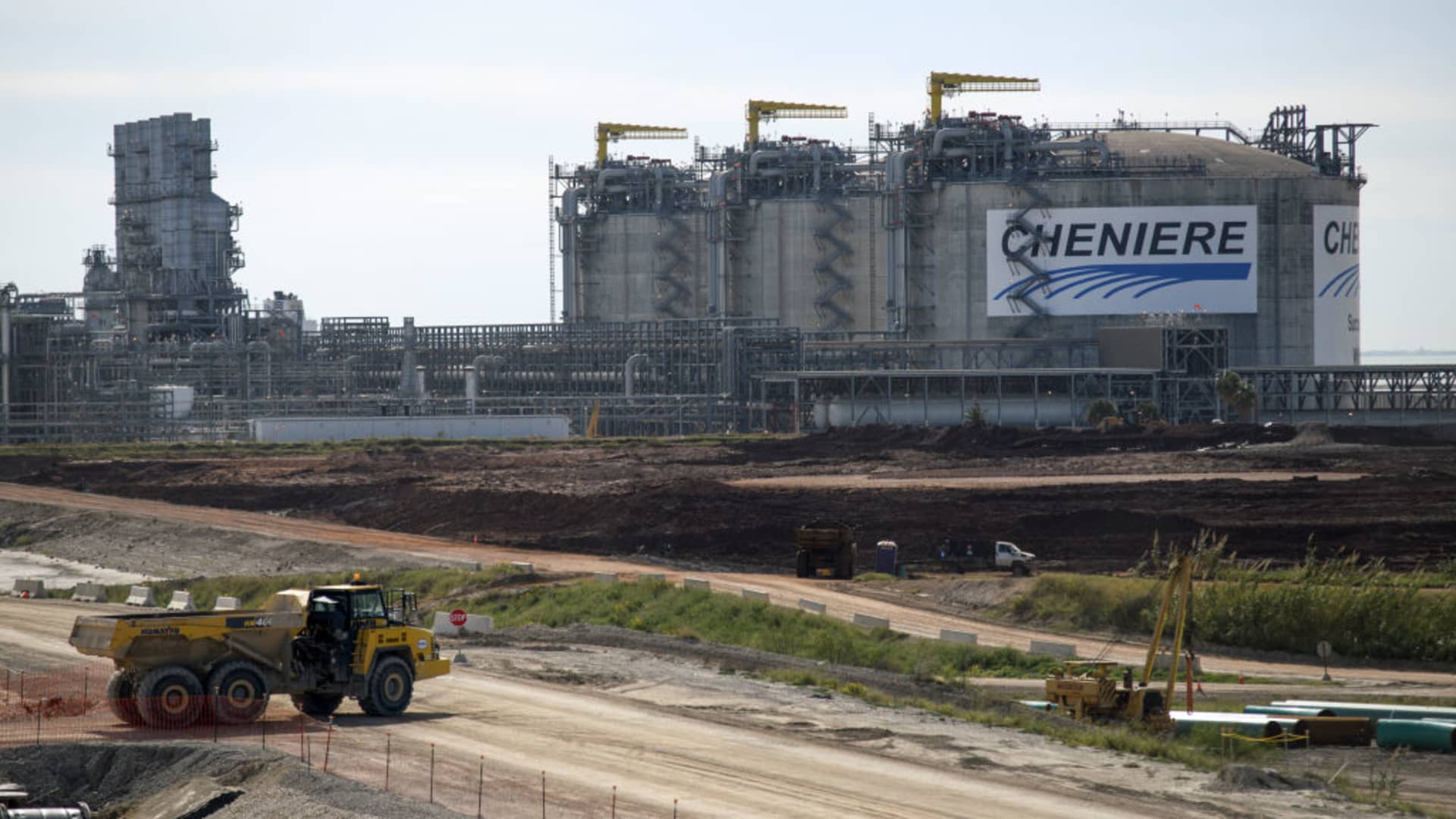
- Cheniere Energy Growth: Liquefied natural gas company Cheniere Energy increased its quarterly dividend by over 10% last October, currently yielding 0.9%, and its stock has risen 26% this year, benefiting from reduced LNG production in the Middle East.
- Analyst Support: Cheniere Energy's first-quarter results exceeded expectations, raising its adjusted EBITDA guidance to between $7.25 billion and $7.75 billion, with analysts bullish on its strong volume outlook and project execution, as 23 out of 24 analysts rate it a buy.
See More

Energy Stocks Surge Amid Record Demand and Rising Prices
- Nuclear Resurgence Boosts Cameco: Cameco's stock has risen 27% year-to-date and 124% over the past year, driven by a surge in global nuclear energy demand, with uranium demand expected to increase by 28% by 2030, positively impacting its mining operations.
- Oil Price Surge Propels Occidental: Occidental Petroleum has gained 35% year-to-date, primarily due to the ongoing conflict in Iran pushing Brent crude prices near $100 per barrel, with expectations of continued benefits from high oil prices and operational efficiencies.
- Natural Gas Market Turmoil Affects Cheniere: The conflict in Iran has led to a significant reduction in global LNG supply by approximately 7 million tons per month, resulting in a 24% stock increase for Cheniere Energy, despite reporting a $2.5 billion operating loss in Q1 due to unfavorable derivative changes.
- Optimistic Future Outlook: Both Cameco and Occidental expect to benefit from sustained energy demand growth, while Cheniere has raised its distributable cash flow guidance from $4.6 billion to $5 billion, demonstrating resilience and growth potential in its business.
See More

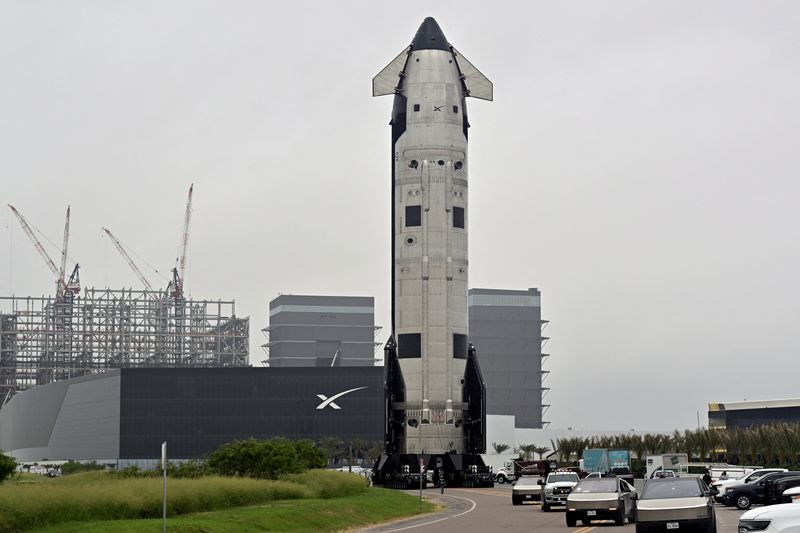
SpaceX Rumored to Acquire Land for Second Launch Site in Louisiana
- Land Acquisition Rumor: Realtor Jim Keaty claims that SpaceX may be acquiring 136,000 acres (212 square miles) of marshland in Louisiana, which, if true, would provide critical infrastructure for SpaceX's expansion and enhance its competitive edge in the aerospace launch sector.
- Strategic Location Advantage: The land is located south of Highway 82 with direct access to the Intercoastal Canal and the Gulf of America, facilitating safe rocket launches and potential sea recovery, thereby improving SpaceX's launch efficiency and safety.
- Energy Supply Potential: Proximity to Cheniere LNG and Golden Pass LNG indicates that SpaceX could secure ample liquefied natural gas supplies for its high-frequency launch needs, with projections of thousands of launches annually.
- Market Reaction Anticipation: SpaceX's official acknowledgment of exploring new sites for Starship operations may attract investor interest, particularly in companies related to natural gas supply like Cheniere and ExxonMobil, which are expected to benefit from increased demand from SpaceX.
See More

Cheniere Energy Q1 2026 Earnings Call Insights
- Financial Performance Boost: Cheniere Energy reported over $2.3 billion in adjusted EBITDA and approximately $1.7 billion in distributable cash flow for Q1 2026, demonstrating the company's resilience and profitability amid global energy market turmoil.
- Production Forecast Increase: The company raised its 2026 production forecast to approximately 52 million to 54 million tons, an increase of about 1 million tons, reflecting optimistic expectations for market demand and its significant role in the global LNG supply chain.
- Shareholder Return Strategy: Cheniere repurchased approximately 2.7 million shares for about $535 million this quarter and declared a dividend of $0.555 per share, indicating a commitment to enhancing shareholder value while maintaining financial stability.
- Market Environment Challenges: The closure of the Strait of Hormuz and geopolitical tensions in the Middle East have led to supply tightness in the LNG market, with management emphasizing the importance of its optimization capabilities and contracted model in navigating market volatility.
See More
Geopolitical Tensions Keep Oil Prices High, Favoring APA's Outlook
- Oil Price Surge Context: Geopolitical instability in the Persian Gulf is expected to keep oil prices higher than many investors anticipate, creating a favorable market backdrop for APA's internationally exposed portfolio, thereby enhancing its profitability.
- Cost Reduction and Debt Management: APA has effectively reduced costs and managed debt, repaying $634 million in near-term debt in 2024 and decreasing total debt by $2.2 billion, which is expected to boost future cash flow and shareholder returns.
- Suriname Project Potential: The offshore project in Suriname has not yet been fully reflected in APA's stock price, with expectations of additional shareholder benefits as it enhances cash flow and production capabilities.
- International Market Price Advantage: APA's gas production in Egypt is projected to rise 12% year-on-year, achieving prices of $4.25 per 1,000 cubic feet, showcasing its strong leverage in the international LNG market, further bolstering the company's cash flow.
See More
U.S. LNG Export Flows Set to Hit 16-Week Low
- Declining Flow Trend: The amount of natural gas flowing to U.S. LNG export plants is expected to hit a 16-week low on Tuesday, with average flows in May dropping from April's record high of 18.8B cf/day to 16.9B cf/day, indicating significant supply impacts from spring maintenance.
- Daily Flow Changes: LNG feedgas was reported to decrease from 16.3B cf/day on Monday to 15.1B cf/day on Tuesday, marking the lowest level since January 27, reflecting the pressure maintenance activities exert on the overall supply chain.
- Major Facility Maintenance: Several plants, including Golden Pass and Freeport LNG in Texas, have reduced gas flows due to spring maintenance, despite Cheniere Energy's Corpus Christi plant nearing a record flow of 2.56B cf/day, showcasing strong performance from individual facilities.
- Future Flow Expectations: Golden Pass is expected to increase flows to approximately 300M cf/day after experiencing six days of minimal gas intake, while Sabine Pass and Freeport LNG are projected to decline to respective 16-week lows of 3.4B cf/day and 600M cf/day, indicating ongoing challenges in the overall market.
See More
Seeking Stable Dividend Growth Amid Market Turbulence
- Dividend Growth Strategy: Trivariate Research emphasizes that in turbulent markets, investors should focus on companies with consistent dividend growth over the past five years for downside protection, especially as traditional defensive stocks now represent just over 10% of the S&P 500's market cap.
- Rollins Performance: Pest control company Rollins recently raised its dividend by over 10% to 18 cents per share, and despite a roughly 10% decline in its stock in 2026, analysts remain optimistic about its ability to deliver compounding growth, with Goldman Sachs reiterating a buy rating.
- Cheniere Energy Growth: Liquefied natural gas company Cheniere Energy increased its quarterly dividend by over 10% last October, currently yielding 0.9%, and its stock has risen 26% this year, benefiting from reduced LNG production in the Middle East.
- Analyst Support: Cheniere Energy's first-quarter results exceeded expectations, raising its adjusted EBITDA guidance to between $7.25 billion and $7.75 billion, with analysts bullish on its strong volume outlook and project execution, as 23 out of 24 analysts rate it a buy.
See More
Energy Stocks Surge Amid Record Demand and Rising Prices
- Nuclear Resurgence Boosts Cameco: Cameco's stock has risen 27% year-to-date and 124% over the past year, driven by a surge in global nuclear energy demand, with uranium demand expected to increase by 28% by 2030, positively impacting its mining operations.
- Oil Price Surge Propels Occidental: Occidental Petroleum has gained 35% year-to-date, primarily due to the ongoing conflict in Iran pushing Brent crude prices near $100 per barrel, with expectations of continued benefits from high oil prices and operational efficiencies.
- Natural Gas Market Turmoil Affects Cheniere: The conflict in Iran has led to a significant reduction in global LNG supply by approximately 7 million tons per month, resulting in a 24% stock increase for Cheniere Energy, despite reporting a $2.5 billion operating loss in Q1 due to unfavorable derivative changes.
- Optimistic Future Outlook: Both Cameco and Occidental expect to benefit from sustained energy demand growth, while Cheniere has raised its distributable cash flow guidance from $4.6 billion to $5 billion, demonstrating resilience and growth potential in its business.
See More
SpaceX Rumored to Acquire Land for Second Launch Site in Louisiana
- Land Acquisition Rumor: Realtor Jim Keaty claims that SpaceX may be acquiring 136,000 acres (212 square miles) of marshland in Louisiana, which, if true, would provide critical infrastructure for SpaceX's expansion and enhance its competitive edge in the aerospace launch sector.
- Strategic Location Advantage: The land is located south of Highway 82 with direct access to the Intercoastal Canal and the Gulf of America, facilitating safe rocket launches and potential sea recovery, thereby improving SpaceX's launch efficiency and safety.
- Energy Supply Potential: Proximity to Cheniere LNG and Golden Pass LNG indicates that SpaceX could secure ample liquefied natural gas supplies for its high-frequency launch needs, with projections of thousands of launches annually.
- Market Reaction Anticipation: SpaceX's official acknowledgment of exploring new sites for Starship operations may attract investor interest, particularly in companies related to natural gas supply like Cheniere and ExxonMobil, which are expected to benefit from increased demand from SpaceX.
See More
Cheniere Energy Q1 2026 Earnings Call Insights
- Financial Performance Boost: Cheniere Energy reported over $2.3 billion in adjusted EBITDA and approximately $1.7 billion in distributable cash flow for Q1 2026, demonstrating the company's resilience and profitability amid global energy market turmoil.
- Production Forecast Increase: The company raised its 2026 production forecast to approximately 52 million to 54 million tons, an increase of about 1 million tons, reflecting optimistic expectations for market demand and its significant role in the global LNG supply chain.
- Shareholder Return Strategy: Cheniere repurchased approximately 2.7 million shares for about $535 million this quarter and declared a dividend of $0.555 per share, indicating a commitment to enhancing shareholder value while maintaining financial stability.
- Market Environment Challenges: The closure of the Strait of Hormuz and geopolitical tensions in the Middle East have led to supply tightness in the LNG market, with management emphasizing the importance of its optimization capabilities and contracted model in navigating market volatility.
See More