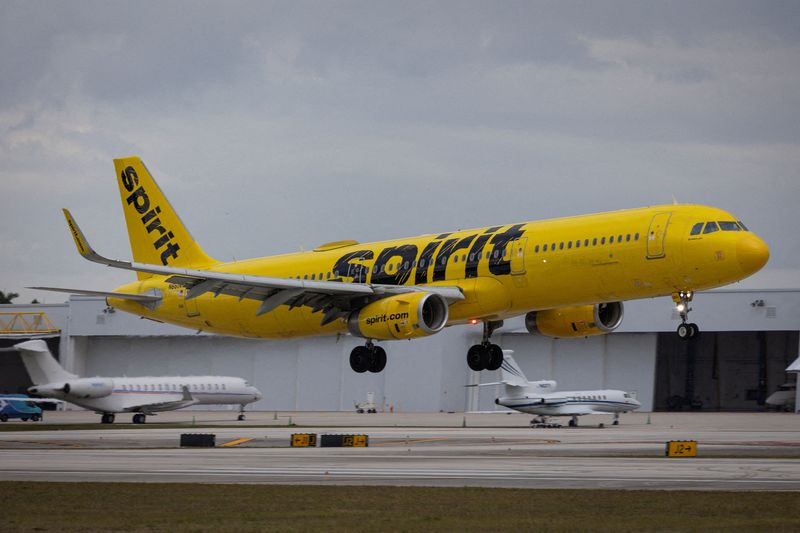
Q1 Revenue Reaches $770M, CEO Enrique Beltranena Highlights Strong Performance
Reports Q1 revenue $770M vs. $678M last year. Enrique Beltranena, CEO, said: "Our first-quarter results reflect disciplined execution, as we strengthened revenue quality, optimized capacity deployment, and maintained cost control in a more challenging fuel environment. Demand remained solid across our network, supported by continued momentum in cross-border markets and strong top-line performance. We are responding to fuel price volatility with agility, leveraging the flexibility of our model through capacity adjustments, network optimization, and targeted pricing actions, which have been well-absorbed, with demand remaining resilient across our markets. At the same time, we are operating from a position of strength, supported by a more diversified network, a disciplined fleet strategy, and a strong balance sheet. Looking ahead, we remain focused on prioritizing profitability, supported by continued improvements in fleet productivity as engine availability recovers. We are confident in our ability to adapt to evolving conditions, supported by the flexibility embedded in our operations and fleet plan, while positioning the business for long-term value creation."
Trade with 70% Backtested Accuracy
Analyst Views on VLRS

About VLRS
About the author


Controladora Vuela Reports 13.6% Revenue Growth in Q1 2026

- Significant Revenue Growth: Controladora Vuela reported $770 million in revenue for Q1 2026, marking a 13.6% year-over-year increase and surpassing the market expectation of $768.57 million, indicating strong performance in the aviation sector.
- Earnings Per Share Surprise: The EPS of -$0.62, while lower than -$0.44 a year ago, exceeded the consensus estimate of -$0.91 by 31.87%, reflecting improvements in cost management and operational efficiency.
- Positive Market Reaction: Investors are closely monitoring revenue and earnings changes, comparing them with Wall Street expectations, which aids in more accurately predicting stock price performance and demonstrates market confidence in the company's future growth.
- Quantum Computing Potential: As quantum computing emerges as the next technological revolution, Controladora Vuela may benefit from this trend, especially as major tech firms like Microsoft and Google accelerate their integration of quantum technologies, enhancing its competitive position in the market.

Volaris Reports Q1 2026 Financial Results with Increased Revenues Amid Challenges
- Revenue Growth: Volaris reported total operating revenues of $770 million in Q1 2026, a 13.6% increase driven by an 11.3% rise in international passengers, indicating strong performance in cross-border markets despite challenges from fuel price volatility.
- Rising Operating Costs: Total operating expenses reached $791 million, up 15% year-over-year, with cost per available seat mile (CASM) increasing by 12.4% to 8.85 cents, reflecting pressures from higher maintenance costs and an increased international flight mix, impacting profitability.
- Widening Net Loss: The company reported a net loss of $71 million, translating to a loss of 62 cents per share, which is a 39.2% increase from the $51 million loss in the same period last year, highlighting profitability challenges in a high-cost environment.
- Liquidity Position: As of March 31, 2026, Volaris had $766 million in cash and short-term investments, representing 24% of the last twelve months' total operating revenue, and while liquidity remains stable, the net debt-to-EBITDAR ratio increased to 3.2x, indicating rising financial leverage.

Volaris Reports March Operational Growth
- Passenger Growth: Volaris transported 2.7 million passengers in March, reflecting a significant increase compared to the previous year, which underscores the company's strong performance amid recovering market demand and solidifies its position in the Mexican aviation sector.
- International Route Expansion: The RPM for international routes increased by 11.5%, while domestic RPMs declined by 3.9%, indicating that the company's strategy to expand in international markets is yielding results, potentially providing new revenue growth opportunities.
- Capacity Increase: Volaris' ASM capacity grew by 1.5% to 3 million in March, demonstrating the company's proactive measures to meet the rising passenger demand, thereby enhancing its competitive edge in the market.
- Improved Load Factor: The consolidated load factor increased by 0.3 percentage points year-over-year to 84.7%, which not only enhances operational efficiency but may also positively impact future profitability.
Volaris Reports March 2026 Traffic Results
- Passenger Growth: In March 2026, Volaris transported 2.7 million passengers, reflecting a 4.5% year-over-year increase, indicating sustained strong demand across both domestic and international markets, particularly leading into the spring break period.
- Strong International Performance: International revenue passenger miles (RPMs) rose by 11.5%, while domestic RPMs fell by 3.9%, highlighting the success of the company's expansion strategy in international markets despite challenges in the domestic sector.
- Capacity and Load Factor Improvement: Volaris' available seat miles (ASMs) increased by 1.5%, with the load factor rising by 0.3 percentage points to 84.7%, demonstrating the company's effectiveness in optimizing capacity allocation and enhancing overall operational efficiency.
- Cautious Future Outlook: Despite strong demand, Volaris is closely monitoring rising jet fuel prices and plans to implement targeted capacity adjustments and fare increases as necessary to ensure financial health and sustained growth.

Volaris Announces March 2026 Traffic Results with an 85% Load Factor
- Traffic Results: Volaris reports a load factor of 85% for March 2026, indicating strong demand for its services.
- Performance Indicator: The load factor is a key performance metric for airlines, reflecting the percentage of available seating capacity that is filled with passengers.

VLRS Stock 52-Week Highs and Lows Analysis
- Price Fluctuation Analysis: VLRS's 52-week low is $3.4902 per share, while the high is $10.80, with the last trade at $6.96, indicating significant price volatility within this range and reflecting varying market perceptions of the stock.
- Market Trend Observation: The current price of $6.96 is close to the 52-week low, potentially suggesting a cautious investor sentiment regarding VLRS's future performance, necessitating attention to shifts in market sentiment that could impact the stock price.
- Technical Indicator Focus: VLRS's stock price has fallen below its 200-day moving average, which may signal further downside risk in the short term, prompting investors to closely monitor subsequent market developments.
- Investor Sentiment Assessment: Although the current stock price is below the 200-day moving average, it is essential to analyze the overall market environment and the company's fundamentals to determine if there are rebound opportunities.
Controladora Vuela Reports 13.6% Revenue Growth in Q1 2026
- Significant Revenue Growth: Controladora Vuela reported $770 million in revenue for Q1 2026, marking a 13.6% year-over-year increase and surpassing the market expectation of $768.57 million, indicating strong performance in the aviation sector.
- Earnings Per Share Surprise: The EPS of -$0.62, while lower than -$0.44 a year ago, exceeded the consensus estimate of -$0.91 by 31.87%, reflecting improvements in cost management and operational efficiency.
- Positive Market Reaction: Investors are closely monitoring revenue and earnings changes, comparing them with Wall Street expectations, which aids in more accurately predicting stock price performance and demonstrates market confidence in the company's future growth.
- Quantum Computing Potential: As quantum computing emerges as the next technological revolution, Controladora Vuela may benefit from this trend, especially as major tech firms like Microsoft and Google accelerate their integration of quantum technologies, enhancing its competitive position in the market.
Volaris Reports Q1 2026 Financial Results with Increased Revenues Amid Challenges
- Revenue Growth: Volaris reported total operating revenues of $770 million in Q1 2026, a 13.6% increase driven by an 11.3% rise in international passengers, indicating strong performance in cross-border markets despite challenges from fuel price volatility.
- Rising Operating Costs: Total operating expenses reached $791 million, up 15% year-over-year, with cost per available seat mile (CASM) increasing by 12.4% to 8.85 cents, reflecting pressures from higher maintenance costs and an increased international flight mix, impacting profitability.
- Widening Net Loss: The company reported a net loss of $71 million, translating to a loss of 62 cents per share, which is a 39.2% increase from the $51 million loss in the same period last year, highlighting profitability challenges in a high-cost environment.
- Liquidity Position: As of March 31, 2026, Volaris had $766 million in cash and short-term investments, representing 24% of the last twelve months' total operating revenue, and while liquidity remains stable, the net debt-to-EBITDAR ratio increased to 3.2x, indicating rising financial leverage.
Volaris Reports March Operational Growth
- Passenger Growth: Volaris transported 2.7 million passengers in March, reflecting a significant increase compared to the previous year, which underscores the company's strong performance amid recovering market demand and solidifies its position in the Mexican aviation sector.
- International Route Expansion: The RPM for international routes increased by 11.5%, while domestic RPMs declined by 3.9%, indicating that the company's strategy to expand in international markets is yielding results, potentially providing new revenue growth opportunities.
- Capacity Increase: Volaris' ASM capacity grew by 1.5% to 3 million in March, demonstrating the company's proactive measures to meet the rising passenger demand, thereby enhancing its competitive edge in the market.
- Improved Load Factor: The consolidated load factor increased by 0.3 percentage points year-over-year to 84.7%, which not only enhances operational efficiency but may also positively impact future profitability.
Volaris Reports March 2026 Traffic Results
- Passenger Growth: In March 2026, Volaris transported 2.7 million passengers, reflecting a 4.5% year-over-year increase, indicating sustained strong demand across both domestic and international markets, particularly leading into the spring break period.
- Strong International Performance: International revenue passenger miles (RPMs) rose by 11.5%, while domestic RPMs fell by 3.9%, highlighting the success of the company's expansion strategy in international markets despite challenges in the domestic sector.
- Capacity and Load Factor Improvement: Volaris' available seat miles (ASMs) increased by 1.5%, with the load factor rising by 0.3 percentage points to 84.7%, demonstrating the company's effectiveness in optimizing capacity allocation and enhancing overall operational efficiency.
- Cautious Future Outlook: Despite strong demand, Volaris is closely monitoring rising jet fuel prices and plans to implement targeted capacity adjustments and fare increases as necessary to ensure financial health and sustained growth.
Volaris Announces March 2026 Traffic Results with an 85% Load Factor
- Traffic Results: Volaris reports a load factor of 85% for March 2026, indicating strong demand for its services.
- Performance Indicator: The load factor is a key performance metric for airlines, reflecting the percentage of available seating capacity that is filled with passengers.
VLRS Stock 52-Week Highs and Lows Analysis
- Price Fluctuation Analysis: VLRS's 52-week low is $3.4902 per share, while the high is $10.80, with the last trade at $6.96, indicating significant price volatility within this range and reflecting varying market perceptions of the stock.
- Market Trend Observation: The current price of $6.96 is close to the 52-week low, potentially suggesting a cautious investor sentiment regarding VLRS's future performance, necessitating attention to shifts in market sentiment that could impact the stock price.
- Technical Indicator Focus: VLRS's stock price has fallen below its 200-day moving average, which may signal further downside risk in the short term, prompting investors to closely monitor subsequent market developments.
- Investor Sentiment Assessment: Although the current stock price is below the 200-day moving average, it is essential to analyze the overall market environment and the company's fundamentals to determine if there are rebound opportunities.