Procter & Gamble Raises Dividend for 70th Consecutive Year
- Stable Financial Performance: Procter & Gamble has maintained revenues between $80 billion and $85 billion over the past four fiscal years, with annual earnings ranging from $14 billion to $16 billion, demonstrating financial resilience during economic fluctuations, which attracts investors seeking stable income.
- Consistent Dividend Growth: On April 14, Procter & Gamble announced a dividend increase for the 70th consecutive year, reflecting the company's commitment to shareholders and its long-term profitability and cash flow stability, thereby boosting investor confidence.
- Long-term Investment Returns: Although Procter & Gamble's stock has declined by 8% over the past 12 months, it has risen approximately 87% over the past decade, with a CAGR of 6.5%, and when including dividends, total returns are around 145%, with a CAGR of about 9.4%, highlighting its appeal as a blue-chip stock.
- Market Positioning and Growth Potential: As a consumer goods giant, Procter & Gamble serves billions of consumers worldwide, and its stable product demand and sustained market share enable it to achieve long-term revenue and profit growth amid inflation and population growth.
Trade with 70% Backtested Accuracy
Analyst Views on PG

About PG
About the author

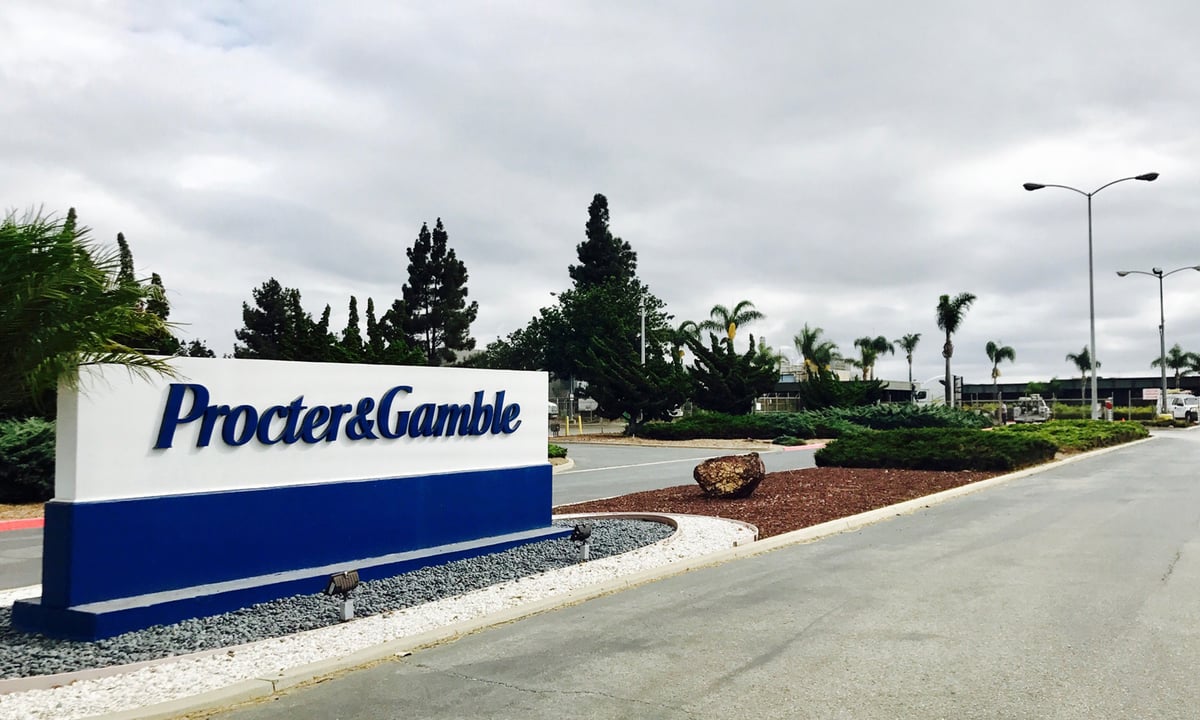
Procter & Gamble: A Steady Dividend King
- Dividend Payment History: Procter & Gamble (PG) has paid dividends for 136 consecutive years and increased them for 70 years, showcasing its stability and risk resilience during economic fluctuations, appealing to safety-seeking investors.
- Market Performance Comparison: While the S&P 500's total return over the past decade is 305%, Procter & Gamble's return stands at 130%, indicating its robust performance in a low-risk environment, making it suitable for conservative investors.
- Future Revenue Expectations: Analysts forecast a 3% compound annual growth rate in revenue for Procter & Gamble from fiscal 2025 to 2028, and although growth is slow, its steady income stream provides investors with security, mitigating risks from market volatility.
- Defensive Investment Advantage: Procter & Gamble's products are in demand during both economic booms and downturns, and especially amid the current uncertainties brought by AI technology, its defensive characteristics allow investors to avoid the threats of technological disruption.

Procter & Gamble Raises Dividend for 70th Consecutive Year
- Stable Financial Performance: Procter & Gamble has maintained revenues between $80 billion and $85 billion over the past four fiscal years, with annual earnings ranging from $14 billion to $16 billion, demonstrating financial resilience during economic fluctuations, which attracts investors seeking stable income.
- Consistent Dividend Growth: On April 14, Procter & Gamble announced a dividend increase for the 70th consecutive year, reflecting the company's commitment to shareholders and its long-term profitability and cash flow stability, thereby boosting investor confidence.
- Long-term Investment Returns: Although Procter & Gamble's stock has declined by 8% over the past 12 months, it has risen approximately 87% over the past decade, with a CAGR of 6.5%, and when including dividends, total returns are around 145%, with a CAGR of about 9.4%, highlighting its appeal as a blue-chip stock.
- Market Positioning and Growth Potential: As a consumer goods giant, Procter & Gamble serves billions of consumers worldwide, and its stable product demand and sustained market share enable it to achieve long-term revenue and profit growth amid inflation and population growth.

Procter & Gamble Raises Dividend for 70th Consecutive Year
- Dividend Milestone: Procter & Gamble announced a dividend increase for the 70th consecutive year, highlighting its financial resilience through economic cycles, which attracts many investors seeking reliable income.
- Stable Financial Performance: Over the past four fiscal years, P&G's revenue has consistently ranged between $80 billion and $85 billion, with annual earnings between $14 billion and $16 billion, demonstrating its strong competitive position and growth potential in the consumer goods market.
- Long-Term Investment Returns: Despite an 8% decline in stock price over the past year, the stock has risen approximately 87% over the past decade, with a CAGR of 6.5%, and when including dividends, total returns reach around 145%, with a CAGR of about 9.4%, showcasing its investment value as a blue-chip stock.
- Market Positioning and Investment Advice: While P&G is not considered a growth stock, its stable business model and reliable dividends make it a safe haven for investors in uncertain markets, even though it was not included in analysts' top stock recommendations.

RPT-BUZZ-PREVIEW: COCA-COLA EXPECTED TO SHOW YEAR-OVER-YEAR GROWTH IN Q1 REVENUE AND EPS

Coca-Cola Q1 Revenue Increase: Coca-Cola reported an increase in revenue for the first quarter, indicating strong performance in the beverage market.
Market Trends: The increase in revenue is attributed to rising demand and effective marketing strategies, reflecting positive consumer trends.
Future Projections: Analysts expect continued growth for Coca-Cola, driven by new product launches and expansion into emerging markets.
Impact on Stock: The positive financial results may influence Coca-Cola's stock performance, attracting investor interest.

Procter & Gamble Named Among Best Dividend Stocks by Reddit
- Predictable Cash Flow: Procter & Gamble, as one of the largest consumer goods companies globally, offers predictable cash flow backed by essential products sold in approximately 180 countries, ensuring stable revenue even during economic fluctuations.
- Dividend King Status: With over 50 consecutive years of dividend increases, P&G is recognized as a Dividend King, highlighting its sustained relevance and financial robustness in a highly competitive consumer staples market.
- Premium Market Positioning: P&G operates at the higher end of the categories it serves, leveraging strong branding, extensive distribution, and consistent marketing to drive product innovation, which enhances retailer traffic and benefits both parties.
- Attractive Dividend Yield: Currently, P&G's dividend yield is near 3%, which is relatively attractive compared to its historical range, particularly given the stability of its business, making it appealing to investors.

Analysts Upgrade Intuit and Qualcomm Amid Attractive Valuations

- Intuit Upgrade: Analyst Daniel Jones upgrades Intuit from Neutral to Soft Buy, noting that robust growth in QuickBooks and Credit Karma has created an attractive entry point for investors following recent share price declines, highlighting the company's unique position in the financial software sector.
- Qualcomm Cautious Buy: Deep Value Investing upgrades Qualcomm to Cautious Buy, acknowledging lingering concerns over earnings guidance but believing the company's value potential in the semiconductor space will benefit from upcoming AI hardware cycles, while still cautioning against possible downside risks.
- Marvell Downgrade: Fundamental Options downgrades Marvell from Buy to Hold, citing a 138% increase since the initial buy recommendation, with the stock now trading approximately 20% above its estimated fair value, indicating market over-optimism regarding future growth.
- Procter & Gamble Rating Change: Bela Lakos downgrades Procter & Gamble from Buy to Hold, despite the company achieving organic sales growth across multiple categories, warning that the current stock price does not adequately reflect rising macroeconomic risks, particularly the contrast between its $36.6 billion debt and $14.9 billion cash.
Procter & Gamble: A Steady Dividend King
- Dividend Payment History: Procter & Gamble (PG) has paid dividends for 136 consecutive years and increased them for 70 years, showcasing its stability and risk resilience during economic fluctuations, appealing to safety-seeking investors.
- Market Performance Comparison: While the S&P 500's total return over the past decade is 305%, Procter & Gamble's return stands at 130%, indicating its robust performance in a low-risk environment, making it suitable for conservative investors.
- Future Revenue Expectations: Analysts forecast a 3% compound annual growth rate in revenue for Procter & Gamble from fiscal 2025 to 2028, and although growth is slow, its steady income stream provides investors with security, mitigating risks from market volatility.
- Defensive Investment Advantage: Procter & Gamble's products are in demand during both economic booms and downturns, and especially amid the current uncertainties brought by AI technology, its defensive characteristics allow investors to avoid the threats of technological disruption.
Procter & Gamble Raises Dividend for 70th Consecutive Year
- Stable Financial Performance: Procter & Gamble has maintained revenues between $80 billion and $85 billion over the past four fiscal years, with annual earnings ranging from $14 billion to $16 billion, demonstrating financial resilience during economic fluctuations, which attracts investors seeking stable income.
- Consistent Dividend Growth: On April 14, Procter & Gamble announced a dividend increase for the 70th consecutive year, reflecting the company's commitment to shareholders and its long-term profitability and cash flow stability, thereby boosting investor confidence.
- Long-term Investment Returns: Although Procter & Gamble's stock has declined by 8% over the past 12 months, it has risen approximately 87% over the past decade, with a CAGR of 6.5%, and when including dividends, total returns are around 145%, with a CAGR of about 9.4%, highlighting its appeal as a blue-chip stock.
- Market Positioning and Growth Potential: As a consumer goods giant, Procter & Gamble serves billions of consumers worldwide, and its stable product demand and sustained market share enable it to achieve long-term revenue and profit growth amid inflation and population growth.
Procter & Gamble Raises Dividend for 70th Consecutive Year
- Dividend Milestone: Procter & Gamble announced a dividend increase for the 70th consecutive year, highlighting its financial resilience through economic cycles, which attracts many investors seeking reliable income.
- Stable Financial Performance: Over the past four fiscal years, P&G's revenue has consistently ranged between $80 billion and $85 billion, with annual earnings between $14 billion and $16 billion, demonstrating its strong competitive position and growth potential in the consumer goods market.
- Long-Term Investment Returns: Despite an 8% decline in stock price over the past year, the stock has risen approximately 87% over the past decade, with a CAGR of 6.5%, and when including dividends, total returns reach around 145%, with a CAGR of about 9.4%, showcasing its investment value as a blue-chip stock.
- Market Positioning and Investment Advice: While P&G is not considered a growth stock, its stable business model and reliable dividends make it a safe haven for investors in uncertain markets, even though it was not included in analysts' top stock recommendations.
RPT-BUZZ-PREVIEW: COCA-COLA EXPECTED TO SHOW YEAR-OVER-YEAR GROWTH IN Q1 REVENUE AND EPS
Coca-Cola Q1 Revenue Increase: Coca-Cola reported an increase in revenue for the first quarter, indicating strong performance in the beverage market.
Market Trends: The increase in revenue is attributed to rising demand and effective marketing strategies, reflecting positive consumer trends.
Future Projections: Analysts expect continued growth for Coca-Cola, driven by new product launches and expansion into emerging markets.
Impact on Stock: The positive financial results may influence Coca-Cola's stock performance, attracting investor interest.
Procter & Gamble Named Among Best Dividend Stocks by Reddit
- Predictable Cash Flow: Procter & Gamble, as one of the largest consumer goods companies globally, offers predictable cash flow backed by essential products sold in approximately 180 countries, ensuring stable revenue even during economic fluctuations.
- Dividend King Status: With over 50 consecutive years of dividend increases, P&G is recognized as a Dividend King, highlighting its sustained relevance and financial robustness in a highly competitive consumer staples market.
- Premium Market Positioning: P&G operates at the higher end of the categories it serves, leveraging strong branding, extensive distribution, and consistent marketing to drive product innovation, which enhances retailer traffic and benefits both parties.
- Attractive Dividend Yield: Currently, P&G's dividend yield is near 3%, which is relatively attractive compared to its historical range, particularly given the stability of its business, making it appealing to investors.
Analysts Upgrade Intuit and Qualcomm Amid Attractive Valuations
- Intuit Upgrade: Analyst Daniel Jones upgrades Intuit from Neutral to Soft Buy, noting that robust growth in QuickBooks and Credit Karma has created an attractive entry point for investors following recent share price declines, highlighting the company's unique position in the financial software sector.
- Qualcomm Cautious Buy: Deep Value Investing upgrades Qualcomm to Cautious Buy, acknowledging lingering concerns over earnings guidance but believing the company's value potential in the semiconductor space will benefit from upcoming AI hardware cycles, while still cautioning against possible downside risks.
- Marvell Downgrade: Fundamental Options downgrades Marvell from Buy to Hold, citing a 138% increase since the initial buy recommendation, with the stock now trading approximately 20% above its estimated fair value, indicating market over-optimism regarding future growth.
- Procter & Gamble Rating Change: Bela Lakos downgrades Procter & Gamble from Buy to Hold, despite the company achieving organic sales growth across multiple categories, warning that the current stock price does not adequately reflect rising macroeconomic risks, particularly the contrast between its $36.6 billion debt and $14.9 billion cash.