Private Credit Stocks Near Key Technical Turning Points After Decline


- Market Overview: Private credit stocks have experienced a significant pullback recently.
- Investment Opportunity: This decline may create a favorable buying opportunity for investors looking to enter the market.
- Potential for Recovery: Analysts suggest that the market could rebound, making these stocks attractive for long-term investment.
- Strategic Considerations: Investors are advised to assess their risk tolerance and market conditions before making investment decisions.
Trade with 70% Backtested Accuracy
Analyst Views on APO

About APO
About the author


APOLLO'S ACQUISITION OF NIPPON SHEET GLASS CO REACHES ALMOST $3.7 BILLION IN ENTERPRISE VALUE
- Deal Overview: A deal has been made for Nippon Sheet Glass, with a total enterprise value nearing $3.7 billion.
- Financial Implications: The agreement reflects significant financial activity in the glass manufacturing sector, indicating strong market interest.
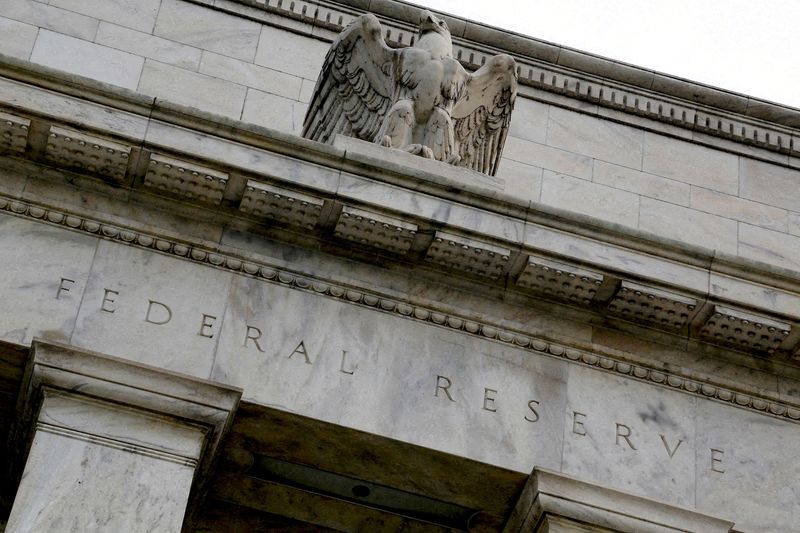
Apollo Funds Declare Strategic Investment in NSG Group, a Worldwide Leader in Glass Production
Investment Announcement: Apollo Funds has announced a strategic investment in NSG Group, a global leader in glass manufacturing.
Industry Impact: This investment is expected to enhance NSG Group's capabilities and market position within the glass manufacturing sector.
Apollo-Managed Funds Acquire 37% Stake in Syntegon from CVC
- Equity Acquisition: An investor group led by Apollo-managed funds is acquiring a 37% minority stake in Syntegon from CVC, while CVC retains a 63% majority stake, demonstrating its long-term commitment and confidence in the company.
- Market Growth Potential: Syntegon aims to focus on the service potential and market growth from approximately 72,000 installed systems worldwide across the pharma, biotech, and food industries, enhancing its competitive edge and service capabilities.
- Regulatory Approval: The closing of the transaction is subject to customary regulatory approvals, highlighting the importance of compliance in M&A processes, which may affect the timeline and execution of the deal.
- Strategic Investment Direction: CVC's continued majority ownership combined with Apollo's investment indicates a shared optimism about Syntegon's future growth potential, potentially bringing new development opportunities and resource support to the company.

Apollo Global Management Faces Securities Class Action Lawsuit
- Lawsuit Alert: Apollo Global Management is facing a securities class action lawsuit due to allegations against two senior executives for their involvement in management and dissemination of false statements, with investors required to apply for lead plaintiff status by May 1, 2026.
- Stock Price Decline: Following corrective disclosures, Apollo Global's shares fell approximately 5%, resulting in a loss of $5.99 per share and closing at $113.73, indicating market concerns regarding corporate governance.
- Executive Accountability: CEO Marc Rowan and former CEO Leon Black are named as 'controlling persons' due to their direct involvement in management and knowledge of false information, potentially facing personal liability.
- Compliance Obligations: Rowan's signed Sarbanes-Oxley certifications are under scrutiny for being signed while he knew or recklessly disregarded the inaccuracies in the company's financial reporting, which could exacerbate legal risks.
Meta, SpaceX, and SK Hynix Inspire Stock Market Optimism Amid Ongoing Conflict: Key Insights and 5 Additional Updates for Today.

Current Market Sentiment: Investors are facing uncertainty due to ongoing conflicts, often referred to as the "fog of war."
Future Outlook: Despite current challenges, there is optimism regarding the future performance of the U.S. stock market once the situation stabilizes.

Private Credit Markets Face Liquidity Test Amid Rising Defaults


- Liquidity Pressure Intensifies: Ares Management has capped investor redemptions in its $10.7 billion private credit fund at 5% after withdrawal requests surged to 11.6%, reflecting growing concerns over credit quality that could further undermine investor confidence in the sector.
- Default Rate Warning: Morgan Stanley warns that default rates in private credit direct lending could spike to 8%, significantly above the historical average of 2-2.5%, which would have a major impact on sectors heavily reliant on high leverage, particularly in software.
- Market Reset Signal: While rising default rates may cause pain for some funds, industry experts believe this could lead to better underwriting practices and more realistic valuations, ultimately freeing up capital for stronger businesses and promoting a healthy reset in the market.
- Concentrated Risk Areas: The software sector accounts for approximately 26% of direct lending, and as fears of AI disruption grow, attention has shifted to this area, with some smaller issuers experiencing default rates as high as 10.9%, highlighting the vulnerability of highly leveraged borrowers.
APOLLO'S ACQUISITION OF NIPPON SHEET GLASS CO REACHES ALMOST $3.7 BILLION IN ENTERPRISE VALUE
- Deal Overview: A deal has been made for Nippon Sheet Glass, with a total enterprise value nearing $3.7 billion.
- Financial Implications: The agreement reflects significant financial activity in the glass manufacturing sector, indicating strong market interest.
Apollo Funds Declare Strategic Investment in NSG Group, a Worldwide Leader in Glass Production
Investment Announcement: Apollo Funds has announced a strategic investment in NSG Group, a global leader in glass manufacturing.
Industry Impact: This investment is expected to enhance NSG Group's capabilities and market position within the glass manufacturing sector.
Apollo-Managed Funds Acquire 37% Stake in Syntegon from CVC
- Equity Acquisition: An investor group led by Apollo-managed funds is acquiring a 37% minority stake in Syntegon from CVC, while CVC retains a 63% majority stake, demonstrating its long-term commitment and confidence in the company.
- Market Growth Potential: Syntegon aims to focus on the service potential and market growth from approximately 72,000 installed systems worldwide across the pharma, biotech, and food industries, enhancing its competitive edge and service capabilities.
- Regulatory Approval: The closing of the transaction is subject to customary regulatory approvals, highlighting the importance of compliance in M&A processes, which may affect the timeline and execution of the deal.
- Strategic Investment Direction: CVC's continued majority ownership combined with Apollo's investment indicates a shared optimism about Syntegon's future growth potential, potentially bringing new development opportunities and resource support to the company.
Apollo Global Management Faces Securities Class Action Lawsuit
- Lawsuit Alert: Apollo Global Management is facing a securities class action lawsuit due to allegations against two senior executives for their involvement in management and dissemination of false statements, with investors required to apply for lead plaintiff status by May 1, 2026.
- Stock Price Decline: Following corrective disclosures, Apollo Global's shares fell approximately 5%, resulting in a loss of $5.99 per share and closing at $113.73, indicating market concerns regarding corporate governance.
- Executive Accountability: CEO Marc Rowan and former CEO Leon Black are named as 'controlling persons' due to their direct involvement in management and knowledge of false information, potentially facing personal liability.
- Compliance Obligations: Rowan's signed Sarbanes-Oxley certifications are under scrutiny for being signed while he knew or recklessly disregarded the inaccuracies in the company's financial reporting, which could exacerbate legal risks.
Meta, SpaceX, and SK Hynix Inspire Stock Market Optimism Amid Ongoing Conflict: Key Insights and 5 Additional Updates for Today.
Current Market Sentiment: Investors are facing uncertainty due to ongoing conflicts, often referred to as the "fog of war."
Future Outlook: Despite current challenges, there is optimism regarding the future performance of the U.S. stock market once the situation stabilizes.
Private Credit Markets Face Liquidity Test Amid Rising Defaults
- Liquidity Pressure Intensifies: Ares Management has capped investor redemptions in its $10.7 billion private credit fund at 5% after withdrawal requests surged to 11.6%, reflecting growing concerns over credit quality that could further undermine investor confidence in the sector.
- Default Rate Warning: Morgan Stanley warns that default rates in private credit direct lending could spike to 8%, significantly above the historical average of 2-2.5%, which would have a major impact on sectors heavily reliant on high leverage, particularly in software.
- Market Reset Signal: While rising default rates may cause pain for some funds, industry experts believe this could lead to better underwriting practices and more realistic valuations, ultimately freeing up capital for stronger businesses and promoting a healthy reset in the market.
- Concentrated Risk Areas: The software sector accounts for approximately 26% of direct lending, and as fears of AI disruption grow, attention has shifted to this area, with some smaller issuers experiencing default rates as high as 10.9%, highlighting the vulnerability of highly leveraged borrowers.