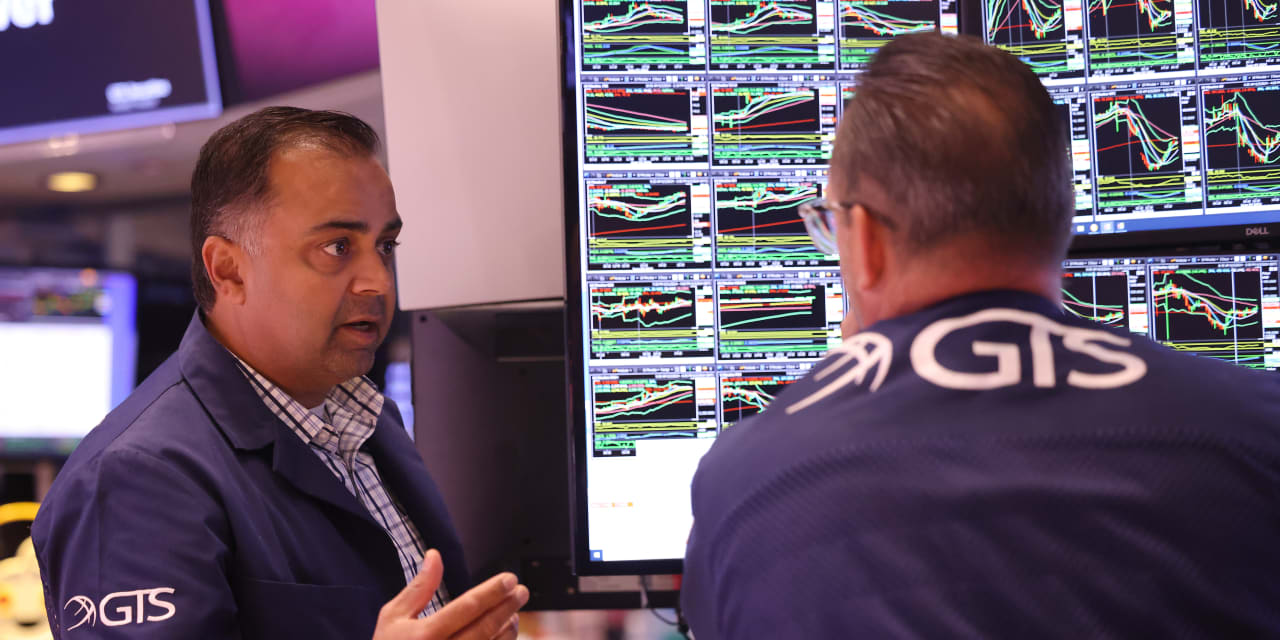
Post-Fed Stress Test: Banks Boost Buybacks and Dividends
Written by Emily J. Thompson, Senior Investment Analyst
Updated: 39 minutes ago
0mins

Source: Fool
- Fed Stress Test Results: The Federal Reserve's annual stress test revealed that all 32 banks maintained capital above minimum requirements even under a hypothetical severe recession with over $708 billion in loan losses, indicating resilience and stability across the banking sector.
- JPMorgan Buyback Plan: JPMorgan announced a 10% increase in its quarterly dividend to $1.65 per share and authorized a $50 billion stock buyback program, which is expected to significantly impact its market value of approximately $880 billion, showcasing its strong capital foundation.
- Goldman Sachs Dividend Growth: Goldman Sachs plans to raise its quarterly dividend by 11% to $5.00 per share, a 25% increase from last year, despite carrying a higher capital buffer of 3.4% compared to JPMorgan, reflecting its reliance on trading and market businesses.
- Morgan Stanley's Increase: Morgan Stanley delivered the largest percentage increase in dividends, raising its quarterly payout by 15% to $1.15 per share while reauthorizing a buyback of up to $20 billion, maintaining a high capital buffer of 4.3%, indicating its financial health despite larger modeled losses.
Trade with 70% Backtested Accuracy
Stop guessing "Should I Buy JPM?" and start using high-conviction signals backed by rigorous historical data.
Sign up today to access powerful investing tools and make smarter, data-driven decisions.
Analyst Views on JPM
Wall Street analysts forecast JPM stock price to rise
19 Analyst Rating
11 Buy
7 Hold
1 Sell
Moderate Buy
Current: 329.050

Low
260.00
Averages
341.38
High
400.00
Current: 329.050
Low
260.00
Averages
341.38
High
400.00
About JPM
JPMorgan Chase & Co. is a financial holding company. The Company is engaged in investment banking, financial services for consumers and small businesses, commercial banking, financial transaction processing and asset management. The Company operates through three segments: Consumer & Community Banking (CCB), Commercial & Investment Bank (CIB), and Asset & Wealth Management (AWM). Its CCB segment offers products and services to consumers and small businesses through bank branches, ATMs, digital and telephone banking. Its CIB segment consists of banking and payments and markets and securities services, and offers a suite of investment banking, lending, payments, market-making, financing, custody and securities products and services to a global base of corporate and institutional clients. AWM segment offers investment and wealth management solutions. It offers multi-asset investment management solutions, retirement products and services, brokerage, custody, estate planning, and others.
About the author

Emily J. Thompson
Emily J. Thompson, a Chartered Financial Analyst (CFA) with 12 years in investment research, graduated with honors from the Wharton School. Specializing in industrial and technology stocks, she provides in-depth analysis for Intellectia’s earnings and market brief reports.
Post-Fed Stress Test: Banks Boost Buybacks and Dividends


- Fed Stress Test Results: The Federal Reserve's annual stress test revealed that all 32 banks maintained capital above minimum requirements even under a hypothetical severe recession with over $708 billion in loan losses, indicating resilience and stability across the banking sector.
- JPMorgan Buyback Plan: JPMorgan announced a 10% increase in its quarterly dividend to $1.65 per share and authorized a $50 billion stock buyback program, which is expected to significantly impact its market value of approximately $880 billion, showcasing its strong capital foundation.
- Goldman Sachs Dividend Growth: Goldman Sachs plans to raise its quarterly dividend by 11% to $5.00 per share, a 25% increase from last year, despite carrying a higher capital buffer of 3.4% compared to JPMorgan, reflecting its reliance on trading and market businesses.
- Morgan Stanley's Increase: Morgan Stanley delivered the largest percentage increase in dividends, raising its quarterly payout by 15% to $1.15 per share while reauthorizing a buyback of up to $20 billion, maintaining a high capital buffer of 4.3%, indicating its financial health despite larger modeled losses.
See More

Federal Reserve Stress Test Passed, Banks Boost Buybacks and Dividends
- Stress Test Results: The Federal Reserve's 2026 stress test revealed that all 32 large banks could maintain capital adequacy even under a hypothetical severe recession with over $708 billion in loan losses, indicating the resilience and stability of the banking system.
- JPMorgan Buyback Plan: JPMorgan Chase announced a 10% increase in its quarterly dividend to $1.65 per share and authorized a new $50 billion stock buyback program, which is expected to represent 6% of its approximately $880 billion market value, showcasing its strong capital position.
- Morgan Stanley Dividend Growth: Morgan Stanley raised its quarterly dividend by 15% to $1.15 per share and reauthorized a buyback of up to $20 billion, maintaining a stress capital buffer of 4.3% while achieving a capital adequacy ratio of 15.1%, demonstrating its risk resilience in market fluctuations.
- Wells Fargo's Competitive Edge: Wells Fargo increased its quarterly dividend by 11% to $0.50 per share, with a price-to-earnings ratio of about 13, lower than the other three banks, offering the highest dividend yield of 2.4%, highlighting its attractiveness in the current market environment.
See More

Vanguard Value ETF Gains Investor Favor Amid Market Shift

- Market Rotation Trend: For most of the past decade, investors profited primarily by buying large tech companies, but this strategy has become ineffective in 2026 as investors shift from crowded growth stocks to value stocks, dividend payers, and traditional sectors, indicating a significant market style change.
- Vanguard Value ETF Advantage: The Vanguard Value ETF (VTV) holds over 300 large-cap value stocks with an expense ratio of just 0.03% and approximately $179 billion in assets, making it a low-cost option for investors looking to participate in the current market, especially as value stocks outperform growth stocks.
- Fund Composition Analysis: The fund tracks the CRSP U.S. Large Cap Value Index, with financials making up about 21% of assets, industrials at 16%, healthcare at 13%, and technology only at 13%, highlighting a stark contrast to the S&P 500 and reflecting investor preference for traditional industries.
- Yield and Risk Considerations: The stocks in the fund trade at about 22 times earnings, below the S&P 500's 25 times, and offer a dividend yield of approximately 1.9%, which, while modest, provides a relatively safe investment option for investors cautious about AI investments, supported by stable cash flows and low expense ratios.
See More

Market Rally Holds as Healthcare Stocks Surge


- Market Rally: The S&P 500 and Nasdaq are on track to end a five-session losing streak on Monday, indicating a rebound in market sentiment, particularly with Amazon, Alphabet, and Meta Platforms leading the recovery, which could boost investor confidence.
- Healthcare Sector Surge: Corning and Palo Alto Networks reached all-time highs during Monday's session, reflecting a resurgence in the healthcare sector, which may attract more capital into this previously undervalued area, further driving industry growth.
- Executive Changes Impact: Goldman Sachs served as the exclusive financial advisor for Martin Marietta's $13.5 billion acquisition of Lhoist North America and provided fully committed debt financing, showcasing its strong performance in investment banking, which could enhance its market position.
- Economic Data Focus: This week will see the release of the consumer confidence survey and the JOLTS report, which are expected to influence market sentiment, especially ahead of the upcoming non-farm payroll report, prompting investors to closely monitor these economic indicators.
See More
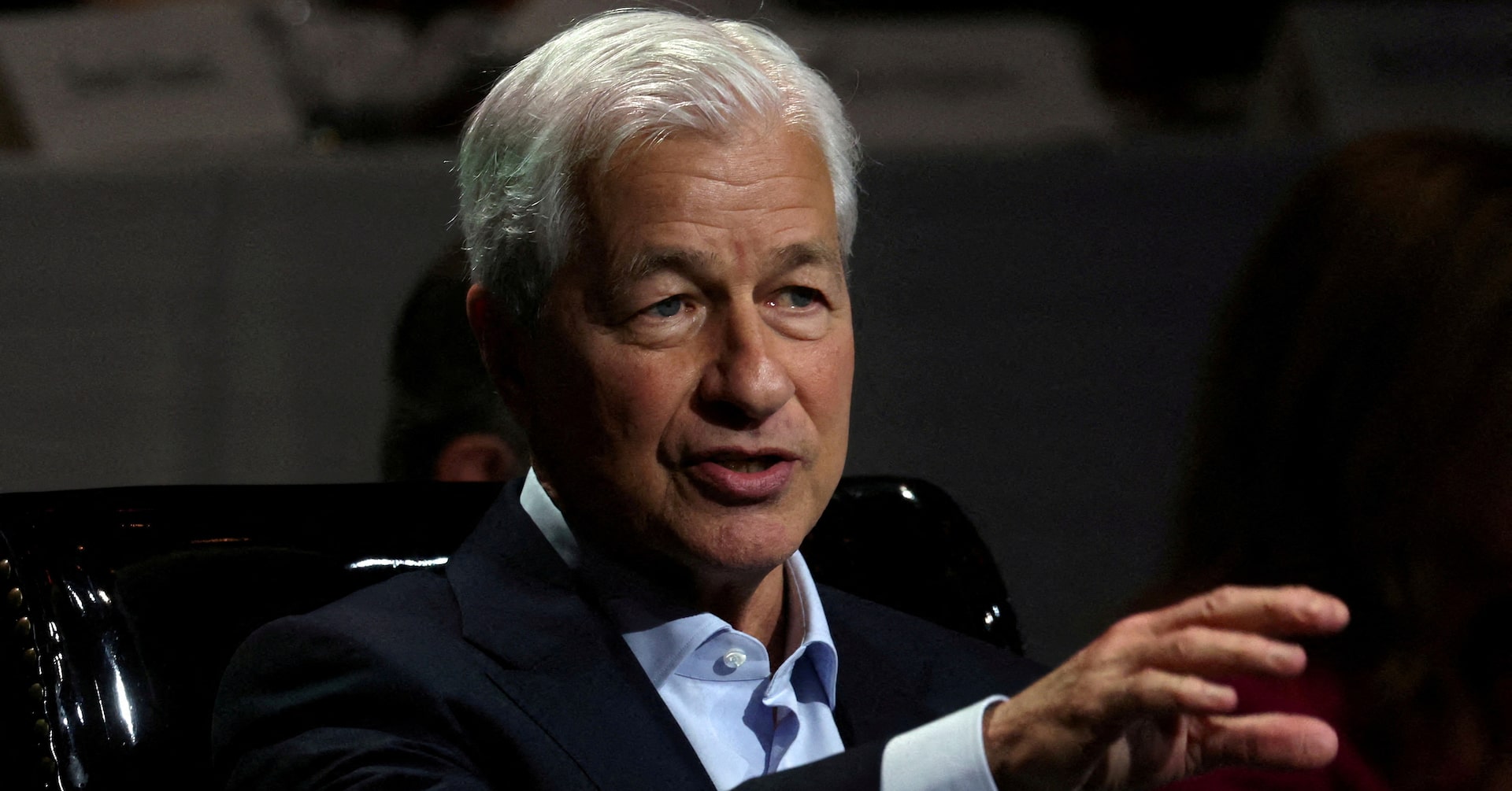
JPMorgan's Succession Plan Takes Shape
- Succession Candidates: JPMorgan CEO Jamie Dimon plans to transition over the next three years, with insiders suggesting Troy Rohrbaugh as the leading successor, indicating a clear strategy for future leadership within the bank.
- Shareholder Expectations: Shareholders desire a smooth transition process, with investor Walter Todd emphasizing the importance of transparency and seamless execution in the succession plan, reflecting the market's focus on leadership stability.
- Talent Retention Risks: Although Dimon's timeline for succession is set at two to three years, executives express concerns that this waiting period could lead to the loss of potential successors, especially as the bank has awarded multimillion-dollar retention packages to its top executives, highlighting the urgency of talent retention.
- Positive Market Reaction: Investors are generally pleased with Dimon's extended leadership, as noted by North Star Investment Management's CIO, who stated that Dimon's management has allowed JPMorgan's stock to command a premium compared to other major banks, reflecting market confidence in his capabilities.
See More
Speculation on JPMorgan's Next CEO Intensifies
- Successor Recommendation: Esxeleryn Analytics suggests Troy Rohrbaugh as the optimal successor to Jamie Dimon due to his cross-functional experience in Commercial and Investment Banking, positioning him well to tackle Basel III constraints and AI deployment.
- Leadership Analysis: The Sharpe Quest evaluates the business division between Doug Petno and Rohrbaugh, indicating that Petno has a more complete leadership profile suitable for immediate succession, while Rohrbaugh's performance in consumer banking will be pivotal for his future.
- Female Leadership Opportunity: Carla Magliocco highlights Marianne Lake's leadership in Consumer & Community Banking as an ideal fit for the CEO role, despite her retirement announcement, expressing hope for female representation in JPMorgan's leadership.
- Future Challenges: Regardless of who succeeds, JPMorgan faces challenges such as adapting to AI technology and European expansion plans, necessitating a successor with a strong understanding of retail business to address these strategic needs.
See More
Post-Fed Stress Test: Banks Boost Buybacks and Dividends
- Fed Stress Test Results: The Federal Reserve's annual stress test revealed that all 32 banks maintained capital above minimum requirements even under a hypothetical severe recession with over $708 billion in loan losses, indicating resilience and stability across the banking sector.
- JPMorgan Buyback Plan: JPMorgan announced a 10% increase in its quarterly dividend to $1.65 per share and authorized a $50 billion stock buyback program, which is expected to significantly impact its market value of approximately $880 billion, showcasing its strong capital foundation.
- Goldman Sachs Dividend Growth: Goldman Sachs plans to raise its quarterly dividend by 11% to $5.00 per share, a 25% increase from last year, despite carrying a higher capital buffer of 3.4% compared to JPMorgan, reflecting its reliance on trading and market businesses.
- Morgan Stanley's Increase: Morgan Stanley delivered the largest percentage increase in dividends, raising its quarterly payout by 15% to $1.15 per share while reauthorizing a buyback of up to $20 billion, maintaining a high capital buffer of 4.3%, indicating its financial health despite larger modeled losses.
See More
Federal Reserve Stress Test Passed, Banks Boost Buybacks and Dividends
- Stress Test Results: The Federal Reserve's 2026 stress test revealed that all 32 large banks could maintain capital adequacy even under a hypothetical severe recession with over $708 billion in loan losses, indicating the resilience and stability of the banking system.
- JPMorgan Buyback Plan: JPMorgan Chase announced a 10% increase in its quarterly dividend to $1.65 per share and authorized a new $50 billion stock buyback program, which is expected to represent 6% of its approximately $880 billion market value, showcasing its strong capital position.
- Morgan Stanley Dividend Growth: Morgan Stanley raised its quarterly dividend by 15% to $1.15 per share and reauthorized a buyback of up to $20 billion, maintaining a stress capital buffer of 4.3% while achieving a capital adequacy ratio of 15.1%, demonstrating its risk resilience in market fluctuations.
- Wells Fargo's Competitive Edge: Wells Fargo increased its quarterly dividend by 11% to $0.50 per share, with a price-to-earnings ratio of about 13, lower than the other three banks, offering the highest dividend yield of 2.4%, highlighting its attractiveness in the current market environment.
See More
Vanguard Value ETF Gains Investor Favor Amid Market Shift
- Market Rotation Trend: For most of the past decade, investors profited primarily by buying large tech companies, but this strategy has become ineffective in 2026 as investors shift from crowded growth stocks to value stocks, dividend payers, and traditional sectors, indicating a significant market style change.
- Vanguard Value ETF Advantage: The Vanguard Value ETF (VTV) holds over 300 large-cap value stocks with an expense ratio of just 0.03% and approximately $179 billion in assets, making it a low-cost option for investors looking to participate in the current market, especially as value stocks outperform growth stocks.
- Fund Composition Analysis: The fund tracks the CRSP U.S. Large Cap Value Index, with financials making up about 21% of assets, industrials at 16%, healthcare at 13%, and technology only at 13%, highlighting a stark contrast to the S&P 500 and reflecting investor preference for traditional industries.
- Yield and Risk Considerations: The stocks in the fund trade at about 22 times earnings, below the S&P 500's 25 times, and offer a dividend yield of approximately 1.9%, which, while modest, provides a relatively safe investment option for investors cautious about AI investments, supported by stable cash flows and low expense ratios.
See More
Market Rally Holds as Healthcare Stocks Surge
- Market Rally: The S&P 500 and Nasdaq are on track to end a five-session losing streak on Monday, indicating a rebound in market sentiment, particularly with Amazon, Alphabet, and Meta Platforms leading the recovery, which could boost investor confidence.
- Healthcare Sector Surge: Corning and Palo Alto Networks reached all-time highs during Monday's session, reflecting a resurgence in the healthcare sector, which may attract more capital into this previously undervalued area, further driving industry growth.
- Executive Changes Impact: Goldman Sachs served as the exclusive financial advisor for Martin Marietta's $13.5 billion acquisition of Lhoist North America and provided fully committed debt financing, showcasing its strong performance in investment banking, which could enhance its market position.
- Economic Data Focus: This week will see the release of the consumer confidence survey and the JOLTS report, which are expected to influence market sentiment, especially ahead of the upcoming non-farm payroll report, prompting investors to closely monitor these economic indicators.
See More
JPMorgan's Succession Plan Takes Shape
- Succession Candidates: JPMorgan CEO Jamie Dimon plans to transition over the next three years, with insiders suggesting Troy Rohrbaugh as the leading successor, indicating a clear strategy for future leadership within the bank.
- Shareholder Expectations: Shareholders desire a smooth transition process, with investor Walter Todd emphasizing the importance of transparency and seamless execution in the succession plan, reflecting the market's focus on leadership stability.
- Talent Retention Risks: Although Dimon's timeline for succession is set at two to three years, executives express concerns that this waiting period could lead to the loss of potential successors, especially as the bank has awarded multimillion-dollar retention packages to its top executives, highlighting the urgency of talent retention.
- Positive Market Reaction: Investors are generally pleased with Dimon's extended leadership, as noted by North Star Investment Management's CIO, who stated that Dimon's management has allowed JPMorgan's stock to command a premium compared to other major banks, reflecting market confidence in his capabilities.
See More
Speculation on JPMorgan's Next CEO Intensifies
- Successor Recommendation: Esxeleryn Analytics suggests Troy Rohrbaugh as the optimal successor to Jamie Dimon due to his cross-functional experience in Commercial and Investment Banking, positioning him well to tackle Basel III constraints and AI deployment.
- Leadership Analysis: The Sharpe Quest evaluates the business division between Doug Petno and Rohrbaugh, indicating that Petno has a more complete leadership profile suitable for immediate succession, while Rohrbaugh's performance in consumer banking will be pivotal for his future.
- Female Leadership Opportunity: Carla Magliocco highlights Marianne Lake's leadership in Consumer & Community Banking as an ideal fit for the CEO role, despite her retirement announcement, expressing hope for female representation in JPMorgan's leadership.
- Future Challenges: Regardless of who succeeds, JPMorgan faces challenges such as adapting to AI technology and European expansion plans, necessitating a successor with a strong understanding of retail business to address these strategic needs.
See More