PIVOT-PO Phase 3 Results Highlight Tebipenem HBr as a Promising First Oral Carbapenem Antibiotic for Complicated Urinary Tract Infections (cUTIs)
Study Results: The PIVOT-PO trial demonstrated that oral tebipenem HBr is non-inferior to intravenous imipenem-cilastatin for treating complicated urinary tract infections (cUTIs), achieving a 58.5% success rate compared to 60.2% for the intravenous option.
Regulatory Plans: Spero Therapeutics and GSK plan to submit data to regulatory authorities in Q4 2025, aiming for tebipenem HBr to become the first oral carbapenem antibiotic approved in the U.S. for cUTIs.
Health Impact: Complicated UTIs, often caused by multidrug-resistant pathogens, pose significant health risks and economic burdens, with millions of cases treated annually in the U.S. and associated healthcare costs exceeding $6 billion.
Future Implications: The introduction of an effective oral treatment option like tebipenem HBr could alleviate the reliance on intravenous antibiotics, improving patient care and addressing the challenges of antibiotic resistance.
Trade with 70% Backtested Accuracy
Analyst Views on GSK

About GSK
About the author


Clover Biopharmaceuticals Reports Phase I Trial Results for RSV Vaccine

- Clinical Trial Results: Clover Biopharmaceuticals' Phase I trial of its RSV PreF vaccine (SCB-1019) in the U.S. indicates that heterologous re-vaccination induces approximately 60-80% higher RSV neutralizing antibody levels compared to GSK's AREXVY, demonstrating significant efficacy in older adults.
- Antibody Level Restoration: The updated analysis reveals that SCB-1019 restores antibody levels to about 120-135% of the peak observed after the initial AREXVY dose, while AREXVY re-vaccination only restores approximately 75%, highlighting SCB-1019's superior immune response enhancement.
- Vaccine Coverage Potential: With over 40% of U.S. adults aged 60 and older having received a protein-based RSV vaccine, Clover's findings underscore the potential of its RSV+hMPV±PIV3 combination vaccine candidates to restore waning RSV protection and broaden coverage against related respiratory viruses.
- Ongoing Trial Progress: Clover's ongoing Phase II trial for these combination vaccines began enrollment in January 2026 and is still underway, reflecting the company's continued investment and strategic positioning in the respiratory virus vaccine development space.

Pfizer Seeks Approval for Lyme Disease Vaccine Despite Trial Setback

- Vaccine Development Update: Pfizer announced it will seek regulatory approval for its Lyme disease vaccine despite failing to meet statistical goals in late-stage trials; however, the vaccine demonstrated over a 70% reduction in infection rates, indicating its potential protective capability.
- Market Outlook Assessment: While Pfizer's partner Valneva estimates peak annual sales of $1 billion for the vaccine, Pfizer anticipates overall revenue of around $60 billion, with more than $5 billion coming from its COVID-19 vaccine, highlighting the competitive landscape in the vaccine market.
- Clinical Trial Challenges: In 2023, Pfizer and Valneva dropped about half of the participants due to quality concerns with a third-party clinical trial operator, reducing the trial size from approximately 18,000 to 9,400, which may impact the final efficacy assessment of the vaccine.
- Vaccine Policy Risks: Advancing a vaccine that technically failed a clinical trial under a stricter regulatory environment may pose risks for Pfizer and could serve as a litmus test for vaccine policy in the U.S.

Pfizer Seeks Regulatory Approval for Lyme Disease Vaccine
- Vaccine Development Progress: Pfizer plans to seek regulatory approval for its Lyme disease vaccine despite failing to meet statistical goals in late-stage trials; however, the company claims the vaccine reduced infection rates by over 70% among recipients, indicating strong efficacy.
- Market Potential Assessment: Pfizer's partner Valneva estimates that the vaccine could achieve peak annual sales exceeding $1 billion, although Pfizer's overall revenue is projected at around $60 billion, with more than $5 billion coming from its Covid-19 vaccine, suggesting limited market prospects for the Lyme vaccine.
- Clinical Trial Challenges: In 2023, Pfizer and Valneva dropped about half of the participants in their Phase 3 trial due to quality concerns with a third-party clinical trial site operator, reducing enrollment from 18,000 to approximately 9,400, highlighting uncertainties in the vaccine development process.
- Vaccine Policy Risks: Advancing a vaccine that technically failed a clinical trial under an administration advocating stricter scrutiny may pose risks for Pfizer, potentially serving as a litmus test for vaccine policy in the U.S. and influencing future approvals and market acceptance.

REGENXBIO INC ANNOUNCES SETTLEMENT AND RELEASE AGREEMENT WITH GLAXOSMITHKLINE DATED MARCH 18, 2026 - SEC FILING

Regeneron Bio Agreement: Regeneron has entered into a settlement and release agreement with GlaxoSmithKline regarding a legal matter.
Date of Agreement: The agreement was finalized on March 18, 2026, indicating a future-oriented resolution.
GSK's Lynavoy Receives FDA Approval for Cholestatic Pruritus
- FDA Approval: GSK announced that its drug Lynavoy has received FDA approval for treating cholestatic pruritus associated with primary biliary cholangitis (PBC), marking the first approved treatment for this condition in the U.S., which is expected to significantly enhance patient quality of life.
- Successful Clinical Trials: The approval is supported by data from the GLISTEN Phase 3 trial, which demonstrated that Lynavoy led to a sustained reduction in cholestatic pruritus and itch-related sleep disturbances over 24 weeks, confirming its efficacy and safety in treatment.
- Global Collaboration Agreement: GSK has signed an agreement with Italian pharma company Alfasigma to manufacture and market Lynavoy globally, which will help accelerate the drug's market introduction and expand its market reach.
- Commitment to R&D: GSK's R&D head, Kaivan Khavandi, stated that Lynavoy is the first liver medicine from their pipeline to receive approval, underscoring the company's ongoing commitment to innovation in liver disease, with potential for further drug development in this area.
Judge Blocks Major Changes to Childhood Vaccination Guidelines

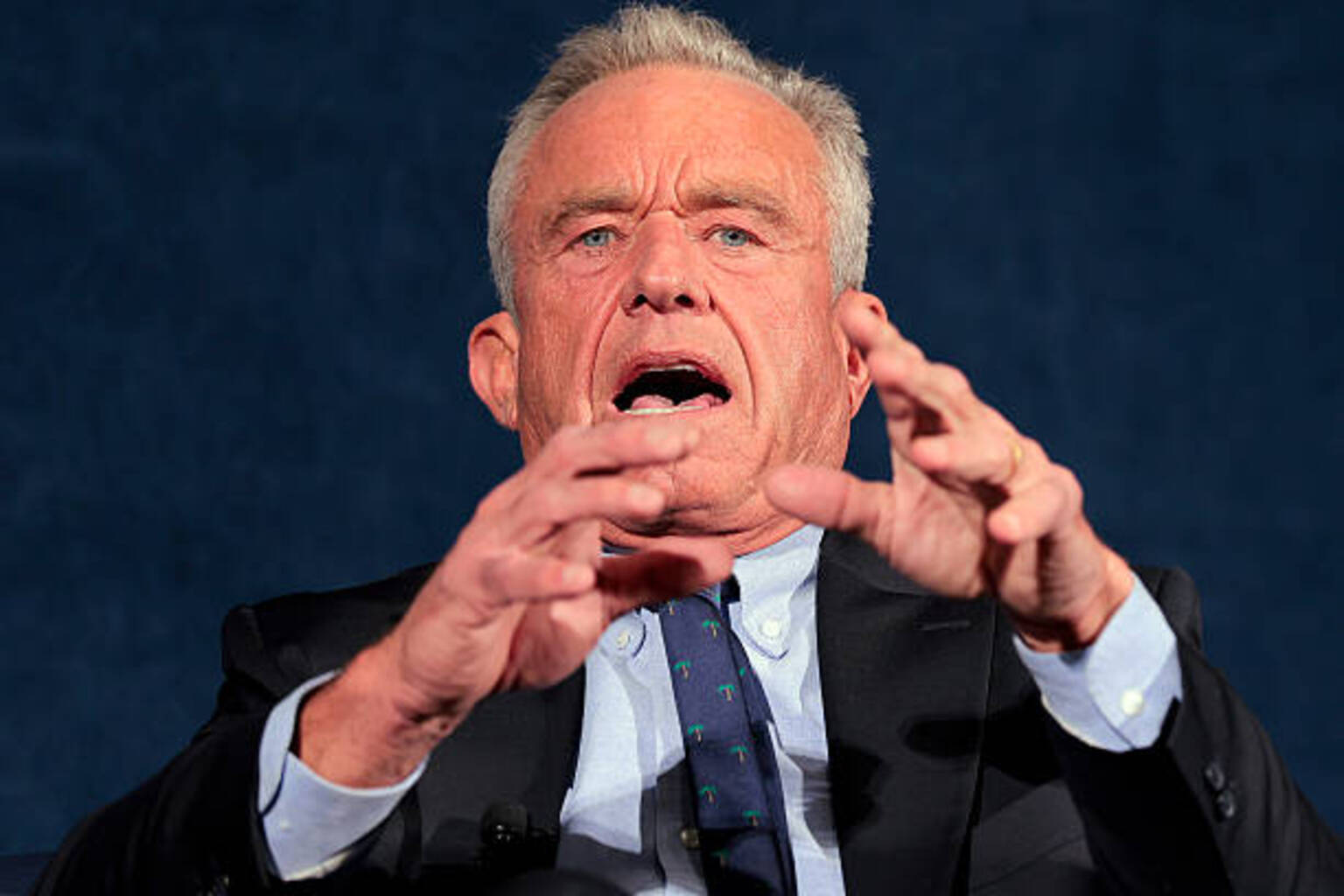
- Vaccination Guidelines Blocked: A Massachusetts federal judge, Brian Murphy, issued a preliminary injunction against the HHS's plan to reduce the number of diseases covered by routine vaccinations from 17 to 11 under Secretary Robert F. Kennedy Jr., safeguarding children's health from potential risks.
- New Appointments Stayed: The judge also stayed the appointments of 13 new Advisory Committee on Immunization Practices members scheduled for June and September 2025 and January this year, indicating a strong emphasis on procedural compliance in public health governance.
- Critique of Procedural Failures: Judge Murphy criticized the Trump administration for bypassing the ACIP to alter immunization schedules, highlighting this technical procedural failure as a serious disregard for the committee's expertise, which raises concerns about the legality of the newly appointed ACIP members.
- Importance of Scientific Decision-Making: American Public Health Association CEO Georges Benjamin emphasized that the injunction underscores the necessity of employing science and qualified experts in public health decision-making, advocating for a transparent process to rebuild public trust and ensure the effectiveness of health interventions.
Clover Biopharmaceuticals Reports Phase I Trial Results for RSV Vaccine
- Clinical Trial Results: Clover Biopharmaceuticals' Phase I trial of its RSV PreF vaccine (SCB-1019) in the U.S. indicates that heterologous re-vaccination induces approximately 60-80% higher RSV neutralizing antibody levels compared to GSK's AREXVY, demonstrating significant efficacy in older adults.
- Antibody Level Restoration: The updated analysis reveals that SCB-1019 restores antibody levels to about 120-135% of the peak observed after the initial AREXVY dose, while AREXVY re-vaccination only restores approximately 75%, highlighting SCB-1019's superior immune response enhancement.
- Vaccine Coverage Potential: With over 40% of U.S. adults aged 60 and older having received a protein-based RSV vaccine, Clover's findings underscore the potential of its RSV+hMPV±PIV3 combination vaccine candidates to restore waning RSV protection and broaden coverage against related respiratory viruses.
- Ongoing Trial Progress: Clover's ongoing Phase II trial for these combination vaccines began enrollment in January 2026 and is still underway, reflecting the company's continued investment and strategic positioning in the respiratory virus vaccine development space.
Pfizer Seeks Approval for Lyme Disease Vaccine Despite Trial Setback
- Vaccine Development Update: Pfizer announced it will seek regulatory approval for its Lyme disease vaccine despite failing to meet statistical goals in late-stage trials; however, the vaccine demonstrated over a 70% reduction in infection rates, indicating its potential protective capability.
- Market Outlook Assessment: While Pfizer's partner Valneva estimates peak annual sales of $1 billion for the vaccine, Pfizer anticipates overall revenue of around $60 billion, with more than $5 billion coming from its COVID-19 vaccine, highlighting the competitive landscape in the vaccine market.
- Clinical Trial Challenges: In 2023, Pfizer and Valneva dropped about half of the participants due to quality concerns with a third-party clinical trial operator, reducing the trial size from approximately 18,000 to 9,400, which may impact the final efficacy assessment of the vaccine.
- Vaccine Policy Risks: Advancing a vaccine that technically failed a clinical trial under a stricter regulatory environment may pose risks for Pfizer and could serve as a litmus test for vaccine policy in the U.S.
Pfizer Seeks Regulatory Approval for Lyme Disease Vaccine
- Vaccine Development Progress: Pfizer plans to seek regulatory approval for its Lyme disease vaccine despite failing to meet statistical goals in late-stage trials; however, the company claims the vaccine reduced infection rates by over 70% among recipients, indicating strong efficacy.
- Market Potential Assessment: Pfizer's partner Valneva estimates that the vaccine could achieve peak annual sales exceeding $1 billion, although Pfizer's overall revenue is projected at around $60 billion, with more than $5 billion coming from its Covid-19 vaccine, suggesting limited market prospects for the Lyme vaccine.
- Clinical Trial Challenges: In 2023, Pfizer and Valneva dropped about half of the participants in their Phase 3 trial due to quality concerns with a third-party clinical trial site operator, reducing enrollment from 18,000 to approximately 9,400, highlighting uncertainties in the vaccine development process.
- Vaccine Policy Risks: Advancing a vaccine that technically failed a clinical trial under an administration advocating stricter scrutiny may pose risks for Pfizer, potentially serving as a litmus test for vaccine policy in the U.S. and influencing future approvals and market acceptance.
REGENXBIO INC ANNOUNCES SETTLEMENT AND RELEASE AGREEMENT WITH GLAXOSMITHKLINE DATED MARCH 18, 2026 - SEC FILING
Regeneron Bio Agreement: Regeneron has entered into a settlement and release agreement with GlaxoSmithKline regarding a legal matter.
Date of Agreement: The agreement was finalized on March 18, 2026, indicating a future-oriented resolution.
GSK's Lynavoy Receives FDA Approval for Cholestatic Pruritus
- FDA Approval: GSK announced that its drug Lynavoy has received FDA approval for treating cholestatic pruritus associated with primary biliary cholangitis (PBC), marking the first approved treatment for this condition in the U.S., which is expected to significantly enhance patient quality of life.
- Successful Clinical Trials: The approval is supported by data from the GLISTEN Phase 3 trial, which demonstrated that Lynavoy led to a sustained reduction in cholestatic pruritus and itch-related sleep disturbances over 24 weeks, confirming its efficacy and safety in treatment.
- Global Collaboration Agreement: GSK has signed an agreement with Italian pharma company Alfasigma to manufacture and market Lynavoy globally, which will help accelerate the drug's market introduction and expand its market reach.
- Commitment to R&D: GSK's R&D head, Kaivan Khavandi, stated that Lynavoy is the first liver medicine from their pipeline to receive approval, underscoring the company's ongoing commitment to innovation in liver disease, with potential for further drug development in this area.
Judge Blocks Major Changes to Childhood Vaccination Guidelines
- Vaccination Guidelines Blocked: A Massachusetts federal judge, Brian Murphy, issued a preliminary injunction against the HHS's plan to reduce the number of diseases covered by routine vaccinations from 17 to 11 under Secretary Robert F. Kennedy Jr., safeguarding children's health from potential risks.
- New Appointments Stayed: The judge also stayed the appointments of 13 new Advisory Committee on Immunization Practices members scheduled for June and September 2025 and January this year, indicating a strong emphasis on procedural compliance in public health governance.
- Critique of Procedural Failures: Judge Murphy criticized the Trump administration for bypassing the ACIP to alter immunization schedules, highlighting this technical procedural failure as a serious disregard for the committee's expertise, which raises concerns about the legality of the newly appointed ACIP members.
- Importance of Scientific Decision-Making: American Public Health Association CEO Georges Benjamin emphasized that the injunction underscores the necessity of employing science and qualified experts in public health decision-making, advocating for a transparent process to rebuild public trust and ensure the effectiveness of health interventions.