Physical AI Market Could Reach $1 Trillion
Written by Emily J. Thompson, Senior Investment Analyst
Updated: 1 hour ago
0mins

Should l Buy TSLA?
Source: Benzinga
- Market Potential: Barclays analysts predict that the physical AI market, including robots and robotaxis, could reach $1 trillion by 2035, significantly boosting CEO Elon Musk's billionaire ambitions.
- Driving Technological Advances: The report highlights that large-scale advances in 'brains, brawn, and batteries' will push physical AI to an 'inflection point', creating new applications in autonomous driving and manufacturing sectors.
- Intensifying Competition: Musk warned during Tesla's earnings call that potential competitors for the Optimus robot from China could pose significant threats, indicating the fierce competition in the robotics market.
- Stock Price Fluctuations: Tesla's stock slid 1.63% to $410.63 at market close on Tuesday but gained 0.80% to $413.92 during premarket trading on Wednesday, reflecting varying market expectations for future growth.
Trade with 70% Backtested Accuracy
Stop guessing "Should I Buy TSLA?" and start using high-conviction signals backed by rigorous historical data.
Sign up today to access powerful investing tools and make smarter, data-driven decisions.
Analyst Views on TSLA
Wall Street analysts forecast TSLA stock price to fall
30 Analyst Rating
12 Buy
11 Hold
7 Sell
Hold
Current: 417.440

Low
25.28
Averages
401.93
High
600.00
Current: 417.440
Low
25.28
Averages
401.93
High
600.00
About TSLA
Tesla, Inc. designs, develops, manufactures, sells and leases high-performance fully electric vehicles and energy generation and storage systems, and offers services related to its products. Its segments include automotive, and energy generation and storage. The automotive segment includes the design, development, manufacturing, sales and leasing of high-performance fully electric vehicles, and sales of automotive regulatory credits. It also includes sales of used vehicles, non-warranty maintenance services and collisions, part sales, paid supercharging, insurance services revenue and retail merchandise sales. The energy generation and storage segment include the design, manufacture, installation, sales and leasing of solar energy generation and energy storage products and related services and sales of solar energy systems incentives. Its consumer vehicles include the Model 3, Y, S, X and Cybertruck. Its lithium-ion battery energy storage products include Powerwall and Megapack.
About the author

Emily J. Thompson
Emily J. Thompson, a Chartered Financial Analyst (CFA) with 12 years in investment research, graduated with honors from the Wharton School. Specializing in industrial and technology stocks, she provides in-depth analysis for Intellectia’s earnings and market brief reports.
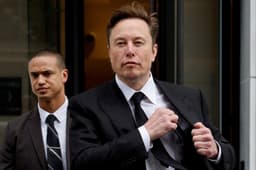
Tesla Launches Production of Cybercab, Aiming for $30,000 Price Point

- Production Milestone: Tesla has successfully rolled off the first Cybercab from its Texas gigafactory, marking a significant advancement in the company's autonomous driving ambitions, with volume production slated to begin in April, further positioning Tesla in the electric taxi market.
- Efficiency Boost: CEO Elon Musk stated that Tesla's production lines will ultimately be able to produce a Cybercab every 10 seconds, significantly enhancing the company's output to meet future demand for autonomous taxis in a rapidly evolving market.
- Pricing Commitment: Musk reiterated on social media that the Cybercab is targeted to be priced below $30,000, despite skepticism from the market; this pricing strategy aims to attract more consumers and expand market share, particularly in the competitive EV landscape.
- Technological Innovation: The Cybercab will feature wireless charging technology, eliminating the need for plug-in ports, along with butterfly-style doors and the sharp design of the Cybertruck, albeit without the stainless steel to reduce costs, enhancing user experience and product appeal.
See More
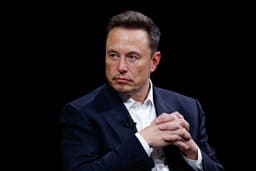
Tesla's Cybercab Production Goal Set for April Reaffirmed by Elon Musk
- Production Goal Reaffirmed: Tesla CEO Elon Musk reiterated on social media that production of the Cybercab will commence in April, marking a significant advancement in the company's autonomous vehicle efforts.
- Radical Production Redesign: Musk revealed that Tesla is adopting a 'radical redesign of car manufacturing' to achieve approximately 5X higher production rates, indicating that while initial output may be slow, it will ramp up significantly over time.
- Autonomous Fleet Outlook: Musk predicts that Tesla's autonomous fleet will become the largest in the future, despite the current Full Self-Driving (FSD) service requiring human intervention, reflecting the company's ambitious technological goals.
- Market Performance: As of February 13, Tesla's stock gained 0.09%, closing at $417.44, indicating market confidence in the company's growth potential.
See More
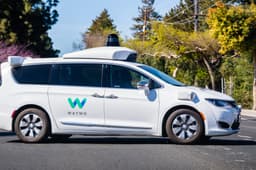
Waymo Leads the U.S. Robotaxi Market

- Market Leadership: Waymo expects to provide over 1 million paid robotaxi rides per week by the end of 2026, a 150% increase from the current 400,000 rides, indicating strong growth potential in the U.S. market.
- Technological Edge: The launch of the sixth-generation Waymo Driver, featuring a 17-megapixel high-resolution sensor and advanced LiDAR technology, enhances vehicle performance in adverse weather conditions while reducing operational costs, further solidifying its competitive position.
- Expansion Plans: Waymo plans to expand its autonomous ride-hailing services to 20 new cities this year, including London and Tokyo, increasing its global market presence and brand influence.
- Competitive Landscape: While Tesla is also developing full self-driving technology, its robotaxi service has not yet reached the scale of Waymo's, highlighting Waymo's clear lead in the robotaxi sector, making it a preferred investment choice for the future.
See More

Waymo Aims for 1 Million Weekly Autonomous Rides by End of 2026
- Autonomous Ride Target: Waymo aims to provide over 1 million paid autonomous rides per week by the end of 2026, representing a 150% increase from its current rate of 400,000 rides, which will significantly enhance its competitive position in the U.S. market.
- New Technology Launch: On February 12, Waymo unveiled its sixth-generation Waymo Driver, featuring a 17-megapixel high-resolution sensor and next-gen LiDAR technology, expected to improve vehicle performance in rain and snow while reducing operational costs, thereby increasing market appeal.
- Production Scale-Up: Waymo plans to scale production at its Phoenix factory with a goal of producing “tens of thousands” of autonomous vehicles annually to support its service expansion in six cities, including Los Angeles, Atlanta, and Phoenix, further solidifying its market leadership.
- Market Competition Analysis: While Tesla is also developing autonomous driving technology, Waymo has established a significant lead in the scale and market penetration of its robotaxi services, positioning it as the clear winner in the robotaxi race by 2026, which could positively impact Alphabet's stock price.
See More
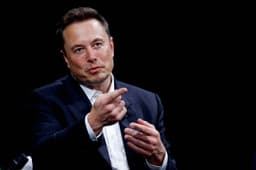
Physical AI Market Could Reach $1 Trillion

- Market Potential: Barclays analysts predict that the physical AI market, including robots and robotaxis, could reach $1 trillion by 2035, significantly boosting CEO Elon Musk's billionaire ambitions.
- Driving Technological Advances: The report highlights that large-scale advances in 'brains, brawn, and batteries' will push physical AI to an 'inflection point', creating new applications in autonomous driving and manufacturing sectors.
- Intensifying Competition: Musk warned during Tesla's earnings call that potential competitors for the Optimus robot from China could pose significant threats, indicating the fierce competition in the robotics market.
- Stock Price Fluctuations: Tesla's stock slid 1.63% to $410.63 at market close on Tuesday but gained 0.80% to $413.92 during premarket trading on Wednesday, reflecting varying market expectations for future growth.
See More
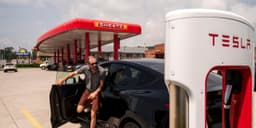
Ford CEO Calls Universal EV Platform Key to Compete with China

- Competing with China: Ford CEO Jim Farley emphasized the Universal EV Platform as crucial for countering the rising dominance of Chinese automakers, labeling it as one of the most significant innovations in the company's history aimed at enhancing Ford's competitiveness in the global market.
- Battery Production Strategy: The upcoming electric pickup truck will feature LFP batteries produced at Michigan's Blue Oval Battery Park, showcasing Ford's commitment to in-house battery technology and enhancing the market appeal of its electric vehicle offerings.
- Partnership with BYD: Ford is reportedly exploring partnerships with BYD to procure batteries for its hybrid models, indicating a strategic pivot away from all-electric mobility, especially after scrapping the production of the F-150 Lightning EV pickup, highlighting a focus on diversified power solutions.
- Market Performance Insights: Benzinga Edge rankings indicate that Ford scores well on momentum, value, and quality metrics, with favorable price trends observed in the short, medium, and long term, reflecting market confidence in its future growth prospects.
See More
Tesla Launches Production of Cybercab, Aiming for $30,000 Price Point
- Production Milestone: Tesla has successfully rolled off the first Cybercab from its Texas gigafactory, marking a significant advancement in the company's autonomous driving ambitions, with volume production slated to begin in April, further positioning Tesla in the electric taxi market.
- Efficiency Boost: CEO Elon Musk stated that Tesla's production lines will ultimately be able to produce a Cybercab every 10 seconds, significantly enhancing the company's output to meet future demand for autonomous taxis in a rapidly evolving market.
- Pricing Commitment: Musk reiterated on social media that the Cybercab is targeted to be priced below $30,000, despite skepticism from the market; this pricing strategy aims to attract more consumers and expand market share, particularly in the competitive EV landscape.
- Technological Innovation: The Cybercab will feature wireless charging technology, eliminating the need for plug-in ports, along with butterfly-style doors and the sharp design of the Cybertruck, albeit without the stainless steel to reduce costs, enhancing user experience and product appeal.
See More
Tesla's Cybercab Production Goal Set for April Reaffirmed by Elon Musk
- Production Goal Reaffirmed: Tesla CEO Elon Musk reiterated on social media that production of the Cybercab will commence in April, marking a significant advancement in the company's autonomous vehicle efforts.
- Radical Production Redesign: Musk revealed that Tesla is adopting a 'radical redesign of car manufacturing' to achieve approximately 5X higher production rates, indicating that while initial output may be slow, it will ramp up significantly over time.
- Autonomous Fleet Outlook: Musk predicts that Tesla's autonomous fleet will become the largest in the future, despite the current Full Self-Driving (FSD) service requiring human intervention, reflecting the company's ambitious technological goals.
- Market Performance: As of February 13, Tesla's stock gained 0.09%, closing at $417.44, indicating market confidence in the company's growth potential.
See More
Waymo Leads the U.S. Robotaxi Market
- Market Leadership: Waymo expects to provide over 1 million paid robotaxi rides per week by the end of 2026, a 150% increase from the current 400,000 rides, indicating strong growth potential in the U.S. market.
- Technological Edge: The launch of the sixth-generation Waymo Driver, featuring a 17-megapixel high-resolution sensor and advanced LiDAR technology, enhances vehicle performance in adverse weather conditions while reducing operational costs, further solidifying its competitive position.
- Expansion Plans: Waymo plans to expand its autonomous ride-hailing services to 20 new cities this year, including London and Tokyo, increasing its global market presence and brand influence.
- Competitive Landscape: While Tesla is also developing full self-driving technology, its robotaxi service has not yet reached the scale of Waymo's, highlighting Waymo's clear lead in the robotaxi sector, making it a preferred investment choice for the future.
See More
Waymo Aims for 1 Million Weekly Autonomous Rides by End of 2026
- Autonomous Ride Target: Waymo aims to provide over 1 million paid autonomous rides per week by the end of 2026, representing a 150% increase from its current rate of 400,000 rides, which will significantly enhance its competitive position in the U.S. market.
- New Technology Launch: On February 12, Waymo unveiled its sixth-generation Waymo Driver, featuring a 17-megapixel high-resolution sensor and next-gen LiDAR technology, expected to improve vehicle performance in rain and snow while reducing operational costs, thereby increasing market appeal.
- Production Scale-Up: Waymo plans to scale production at its Phoenix factory with a goal of producing “tens of thousands” of autonomous vehicles annually to support its service expansion in six cities, including Los Angeles, Atlanta, and Phoenix, further solidifying its market leadership.
- Market Competition Analysis: While Tesla is also developing autonomous driving technology, Waymo has established a significant lead in the scale and market penetration of its robotaxi services, positioning it as the clear winner in the robotaxi race by 2026, which could positively impact Alphabet's stock price.
See More
Physical AI Market Could Reach $1 Trillion
- Market Potential: Barclays analysts predict that the physical AI market, including robots and robotaxis, could reach $1 trillion by 2035, significantly boosting CEO Elon Musk's billionaire ambitions.
- Driving Technological Advances: The report highlights that large-scale advances in 'brains, brawn, and batteries' will push physical AI to an 'inflection point', creating new applications in autonomous driving and manufacturing sectors.
- Intensifying Competition: Musk warned during Tesla's earnings call that potential competitors for the Optimus robot from China could pose significant threats, indicating the fierce competition in the robotics market.
- Stock Price Fluctuations: Tesla's stock slid 1.63% to $410.63 at market close on Tuesday but gained 0.80% to $413.92 during premarket trading on Wednesday, reflecting varying market expectations for future growth.
See More
Ford CEO Calls Universal EV Platform Key to Compete with China
- Competing with China: Ford CEO Jim Farley emphasized the Universal EV Platform as crucial for countering the rising dominance of Chinese automakers, labeling it as one of the most significant innovations in the company's history aimed at enhancing Ford's competitiveness in the global market.
- Battery Production Strategy: The upcoming electric pickup truck will feature LFP batteries produced at Michigan's Blue Oval Battery Park, showcasing Ford's commitment to in-house battery technology and enhancing the market appeal of its electric vehicle offerings.
- Partnership with BYD: Ford is reportedly exploring partnerships with BYD to procure batteries for its hybrid models, indicating a strategic pivot away from all-electric mobility, especially after scrapping the production of the F-150 Lightning EV pickup, highlighting a focus on diversified power solutions.
- Market Performance Insights: Benzinga Edge rankings indicate that Ford scores well on momentum, value, and quality metrics, with favorable price trends observed in the short, medium, and long term, reflecting market confidence in its future growth prospects.
See More